


commercial buildings Emergency lighting
Emergency lighting is an essential part of a fire safety strategy for commercial buildings and offices. In this guide, our team have outlined some key information and facts about emergency lighting to support contractors, principals, developers and business managers.
Why is emergency lighting so important?
In an emergency, people in a building need to be able to evacuate quickly and safely. During a fire, the main source of lighting usually fails and, if there is smoke, access within the building becomes more difficult. Darkness and smoke reduce visibility, increase the physical threat to well-being and increase the potential for panic.
Emergency lighting is automatically switched on to illuminate escape routes and fire safety equipment when the power supply for normal lighting fails.
Key messages about emergency lighting regulations
Most new buildings are fitted with emergency lighting during the construction phase or during Category A refurbishment. Emergency lighting products are usually specified by contractors based on current building regulations and fire risk assessments.
Under the fire safety legislation set out in the Regulatory Reform (Fire Safety) Order 2005, all non-domestic premises are required to have a fire risk assessment. The Order states that emergency lighting must be provided to clearly illuminate escape and evacuation routes during a fire.
The Building Regulations 2006 (Approved Document B) also contain general requirements for fire safety in commercial buildings, including the provision of emergency lighting as part of a large fire safety infrastructure.
The Construction Products Regulations (305/2011/EU) contain product descriptions to ensure that products comply with safety requirements. To meet this regulation, emergency lighting must comply with BS 5266-1.
BS 5266-1 is the code of practice for emergency lighting in premises. It provides guidance on the layout of emergency lighting in commercial buildings and specifies a minimum illuminance level of 1 lux for floor areas that people may need to cross (if a risk assessment indicates that a higher level may be required).
Regulatory Reform Orders, Approved Documents and BS 5266 refer to each other as the primary method of achieving compliance. Failure to achieve compliance and comply with statutory requirements can lead to serious consequences at both a legal and welfare level.
Where is emergency lighting required?
Emergency lighting is required to provide illumination throughout the escape route. In fact, emergency lighting is required in any occupied area of a commercial building. Emergency LED lighting should indicate changes in floor height (e.g. stairs and steps), fire and first aid points, directions and exit routes.
For this reason, emergency lighting will be indicated in most lighting designs for a variety of rooms and corridors. Specifications and plans will vary considerably depending on the height and layout of the building, e.g. the requirements for a single-storey office will be very different from those for a 16-storey building.
Lighting design plans usually consist of multiple types of emergency lighting to ensure that all safety requirements are met, whilst maintaining the functionality and appearance of the commercial environment.
Guide to Emergency Lighting Types
The language on emergency lighting can seem confusing as everything is usually lumped into one term.The BSI Emergency Lighting Guide explains that there are two main types of emergency lighting: emergency escape lighting and standby lighting.
The guide defines emergency evacuation lighting as "part of the emergency lighting provided to ensure safe egress in the event of a failure of the normal power supply".
Standby lighting is "part of the emergency lighting provided to ensure the continuation of normal activities in the event of a failure of the normal mains power supply".
Emergency lighting luminaires also have different modes of operation: maintenance and non-maintenance.
Maintenance emergency lighting is powered by the mains supply and forms part of the normal room lighting system. However, maintenance emergency lighting will be continuously lit for a specific period of time during an emergency from a battery back-up supply. Maintenance LED lighting can include fire exit signs, bulkhead lighting and recessed downlights.
Maintenance-free emergency lighting is only activated for a specific period of time in the event of a power failure. Maintenance-free lighting is specifically designed for workplaces that are normally lit when occupied. This mode of lighting is powered by a battery charged from the mains.
The choice of operating mode for emergency lighting is usually dependent on the specific circumstances outlined in the fire risk assessment.
How is emergency lighting maintained and tested?
BS 5266-8 / BS EN 50172 states that the responsible person must test all emergency lighting systems on a monthly basis. The latest British Standard recommends that you carry out a 3 hour emergency lighting test once a year. During this test, the main light circuit should be switched off and the emergency lights left on for 3 hours to find out if the batteries need replacing.
GODSON: The Trusted Supplier of High Quality LED Emergency Lighting
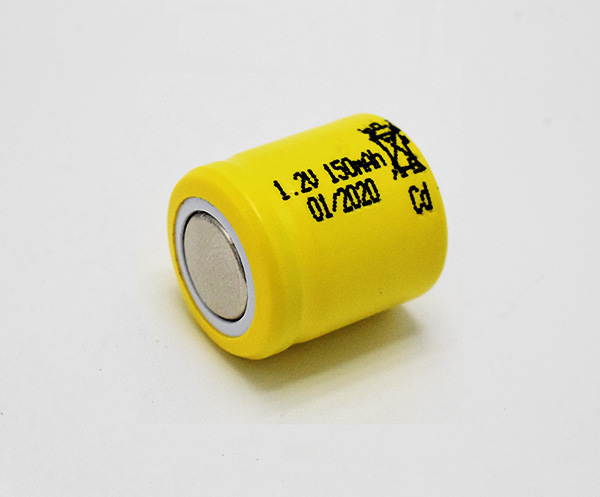
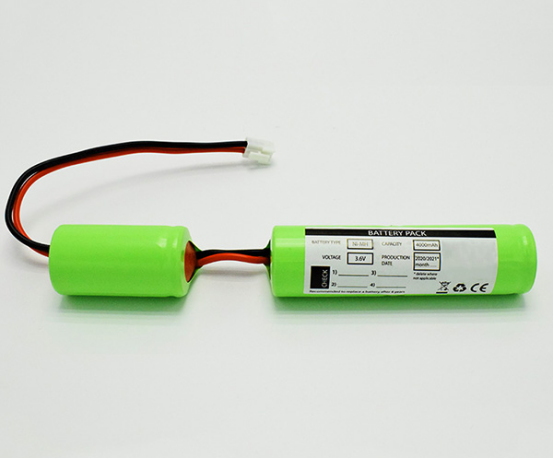
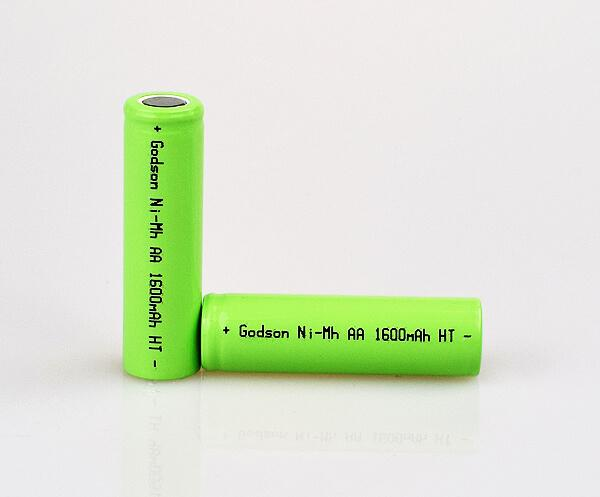
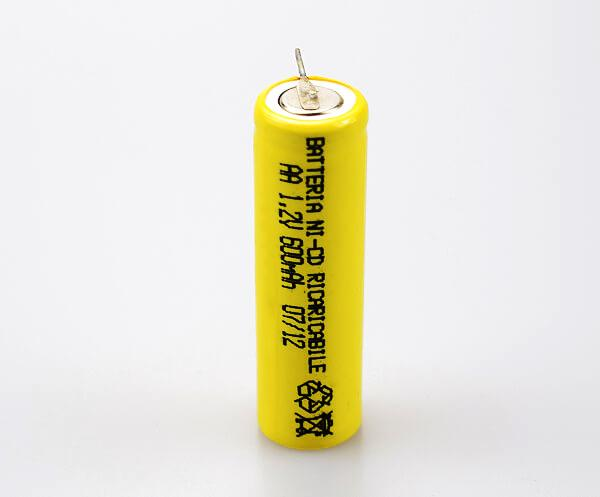
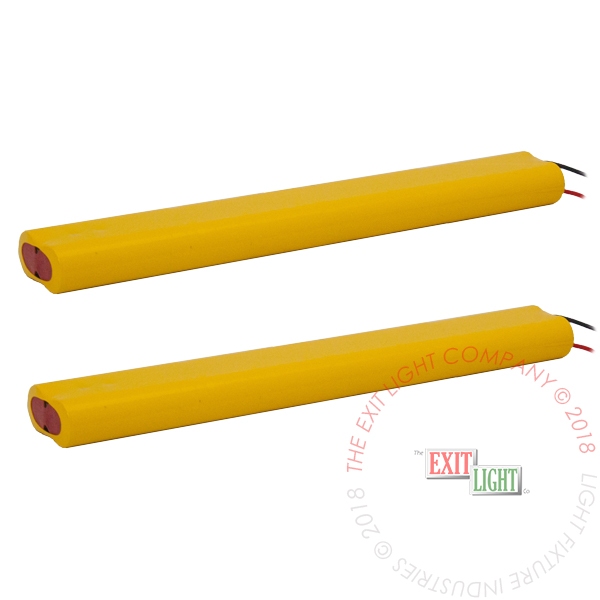
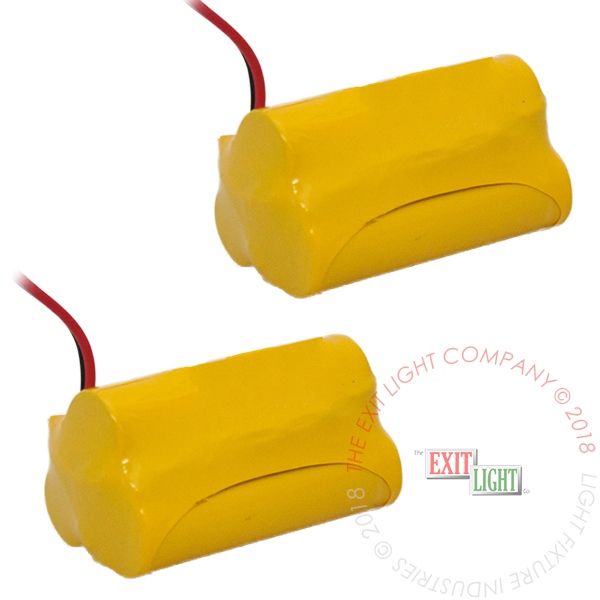
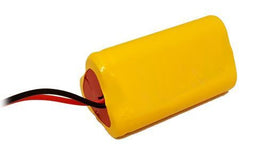
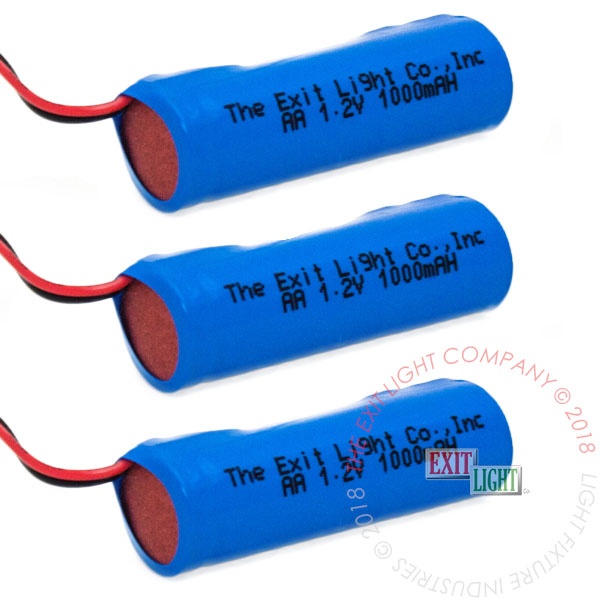
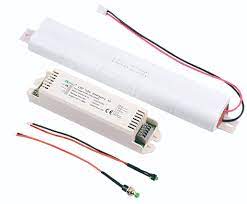
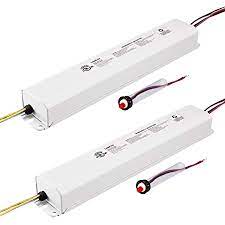
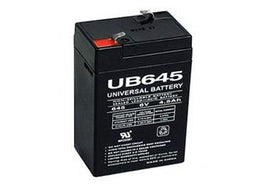
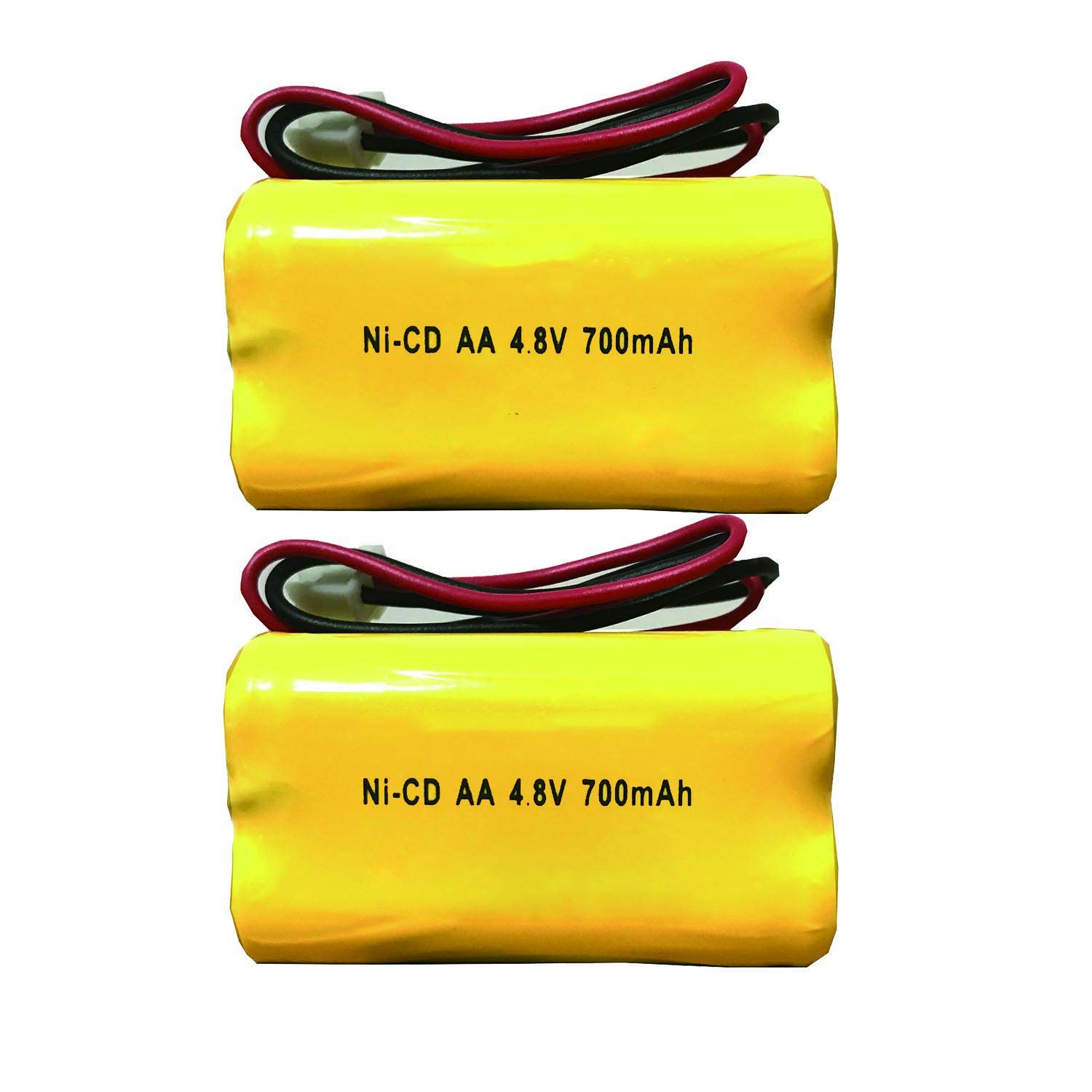
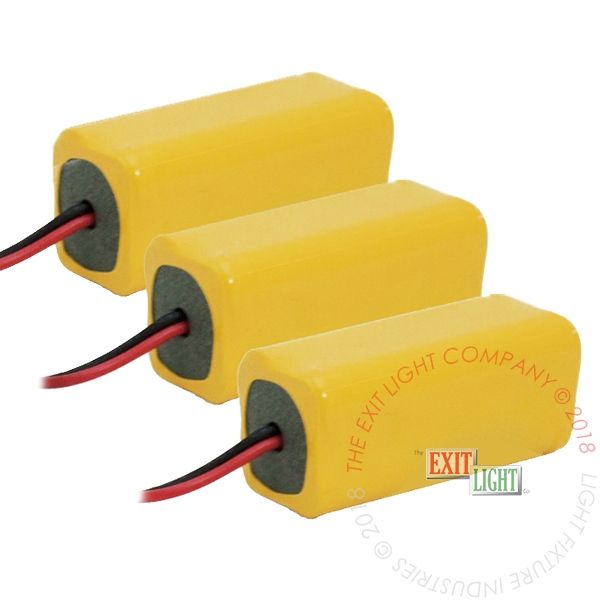
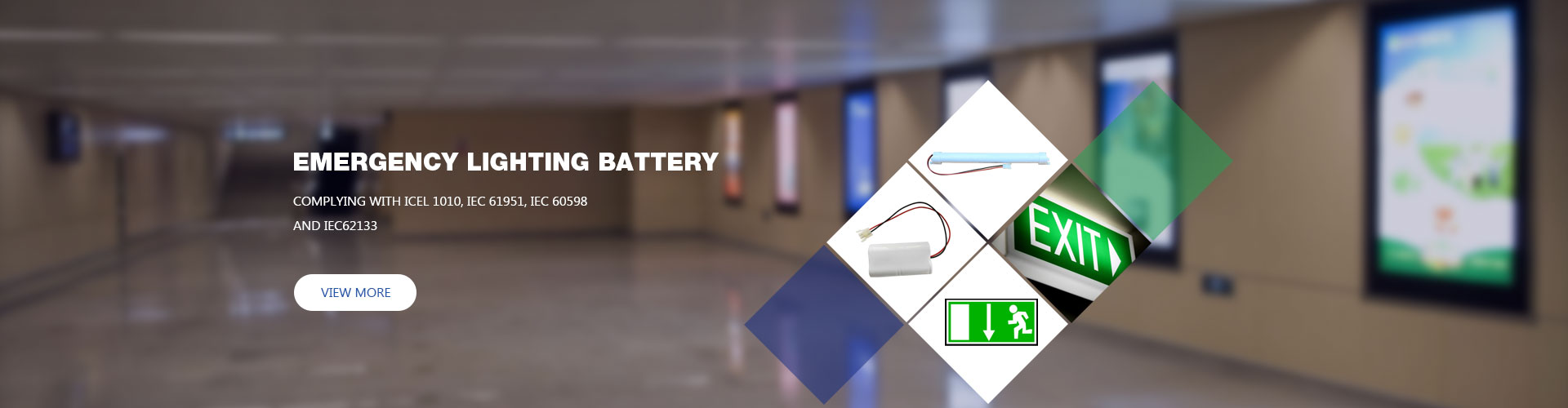
GODSON offers high-quality emergency LED lighting and accompanying batteries for commercial and industrial environments.

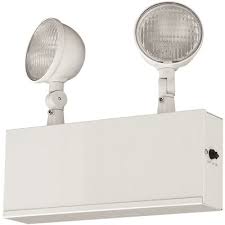
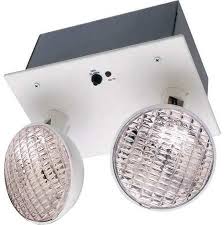
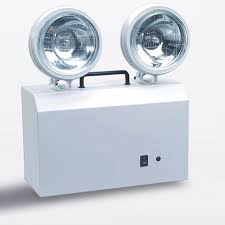
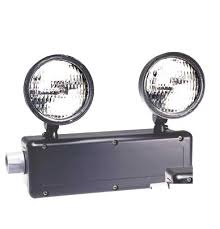
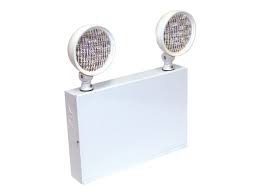
The Dual Head Emergency Lights is a stylish light that is very easy and simple to install.
View MoreWe Wanna Hear From You
Related Information
outdoor exit signs and batteriesemergency light batteriesemergency lights with battery for homelithium iron phosphate battery suppliersemergency lights and batteries for restaurantswarehouse emergency lighting & batteriesOutdoor Emergency Exit Lightemergency lighting battery supplierbuilding emergency lightFire Exit Signs | GODSONHallway emergency lightsEmergency Light Bulb Replacementresidential emergency lighting and batteriesindoor emergency lights & batteriesemergency lighting battery supplycommercial buildings Emergency lightingExit Sign Batteriescommercial emergency lights & batteryemergency lighting installationdouble head emergency lightoffice emergency lighting and batteries