





Disasters such as earthquakes, hurricanes, floods, fires, and severe storms can cause sudden power failures that disrupt normal lighting systems. In these situations, emergency lighting becomes a critical safety component, helping people evacuate buildings, locate emergency exits, and continue essential operations until power is restored.
At the core of many emergency lighting systems are Ni-Cd (Nickel-Cadmium) batteries, which provide dependable backup power when the main electricity supply fails. Due to their durability, long service life, and ability to operate under challenging environmental conditions, Emergency Lighting Ni-Cd Batteries remain widely used in commercial buildings, industrial facilities, transportation infrastructure, hospitals, and public facilities.
This article explains how Ni-Cd emergency lighting batteries contribute to disaster preparedness and why they continue to be selected for safety-critical lighting applications.
During a disaster, one of the first systems affected is often the electrical grid. Power interruptions can happen immediately after:
Earthquakes damaging electrical infrastructure
Storms causing transmission failures
Floods affecting substations and cables
Fires triggering emergency power shutdowns
Industrial accidents requiring evacuation
When normal lighting fails, darkness can create additional risks:
Increased panic among occupants
Difficulty finding emergency exits
Delayed evacuation procedures
Higher risk of injuries in stairways and corridors
Reduced visibility for emergency responders
Emergency lighting systems automatically switch to battery power when the main supply fails, providing illumination for evacuation routes and safety areas.
A reliable battery backup system ensures that emergency lights function exactly when they are needed most.
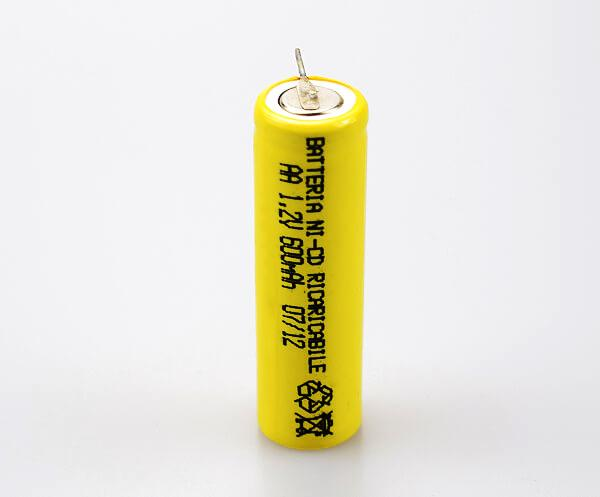
One of the biggest advantages of Emergency Lighting Ni-Cd Batteries is their ability to provide immediate power output during unexpected outages.
When a power failure occurs, emergency lighting systems must respond quickly. Ni-Cd batteries can discharge efficiently and deliver stable energy to:
Emergency exit signs
LED emergency lamps
Corridor lighting
Stairwell lighting
Security lighting systems
This rapid response helps maintain visibility during the critical first minutes of a disaster.
Disasters often occur under harsh environmental conditions. Emergency equipment may be exposed to:
High temperatures during fires
Cold environments after storms
Outdoor temperature fluctuations
Poor ventilation conditions
Ni-Cd batteries are known for their strong temperature tolerance compared with some other rechargeable battery technologies. They can maintain reliable performance in a wider temperature range, making them suitable for emergency lighting systems installed in industrial and outdoor environments.
Typical applications include:
Warehouses
Manufacturing plants
Underground facilities
Transportation tunnels
Power stations
Emergency lighting systems are designed for long-term standby operation. The battery may remain unused for extended periods but must still work immediately during an emergency.
High-quality Ni-Cd batteries offer:
Long cycle life
Stable charging performance
Good standby reliability
Resistance to frequent charging and discharging
This reduces the risk of battery failure caused by aging or irregular usage.
For disaster preparedness planning, reliable battery performance is just as important as the lighting fixture itself.
Emergency lighting batteries usually remain connected to charging systems for long periods.
Poor battery tolerance can lead to:
Reduced battery capacity
Shortened service life
Unexpected failure during emergencies
Ni-Cd battery chemistry provides good resistance against:
Continuous trickle charging
Deep discharge conditions
Frequent charging cycles
This makes Ni-Cd batteries suitable for emergency applications where reliability is prioritized over maximum energy density.
Office buildings require emergency lighting systems to protect employees and visitors during:
Fire alarms
Power outages
Natural disasters
Ni-Cd batteries are commonly integrated into:
Exit signs
Emergency LED lighting
Backup lighting modules
They ensure evacuation paths remain visible even when normal lighting systems fail.
Hospitals require uninterrupted safety systems because power failures can affect:
Patient movement
Emergency treatment areas
Medical equipment operation
Staff communication
Emergency lighting powered by reliable Ni-Cd batteries supports:
Emergency corridors
Operating areas
Medical evacuation routes
Critical service areas
Industrial environments often involve higher safety risks. Manufacturing plants, chemical facilities, and warehouses need dependable emergency lighting for:
Worker evacuation
Equipment shutdown procedures
Emergency response operations
Ni-Cd emergency lighting batteries are suitable because they can withstand demanding industrial conditions.
Airports, railway stations, tunnels, and subway systems require continuous emergency illumination.
Applications include:
Platform emergency lighting
Tunnel escape routes
Passenger evacuation systems
Safety signage
A stable battery backup system helps maintain public safety during large-scale emergencies.
For disaster preparedness, selecting the correct battery is essential.
The battery capacity determines:
Emergency lighting duration
Backup time
Lighting output stability
Common factors include:
Required emergency runtime
Number of lighting fixtures
Power consumption
The battery voltage must match the emergency lighting system.
Common configurations include:
2.4V
3.6V
4.8V
6V
7.2V
Customized battery packs
Consider:
Indoor or outdoor installation
Temperature range
Humidity conditions
Maintenance accessibility
Selecting the correct battery design helps ensure reliable emergency operation.
For safety applications, battery suppliers should provide:
Consistent cell performance
Quality inspection
Reliable production processes
Compliance with applicable standards
This helps reduce unexpected failures during emergencies.
Even reliable batteries require regular inspection.
Test emergency lighting systems periodically to confirm:
Automatic switching works correctly
Battery discharge performance is normal
Lighting duration meets requirements
Inspect for:
Reduced runtime
Physical damage
Leakage
Abnormal temperature
Although Ni-Cd batteries have long service lives, replacement should be considered when:
Capacity significantly decreases
Backup time becomes insufficient
Battery testing shows poor performance
Although newer battery technologies continue to develop, Ni-Cd batteries remain important in many emergency lighting applications because of their proven reliability.
For facilities where safety cannot depend on uncertain power conditions, battery reliability remains the priority.
Emergency Lighting Ni-Cd Batteries continue to support disaster preparedness by providing:
Immediate backup power
Stable emergency illumination
Long-term reliability
Strong environmental adaptability
They are an important component of modern safety infrastructure.
Disaster preparedness requires reliable systems that continue working when normal infrastructure fails. Emergency lighting is one of the most important safety systems during power outages, and Ni-Cd batteries provide the dependable backup energy required for these critical situations.
From commercial buildings and hospitals to industrial plants and transportation facilities, Emergency Lighting Ni-Cd Batteries help maintain visibility, improve evacuation safety, and support emergency response operations.
Choosing high-quality Ni-Cd battery solutions ensures that emergency lighting systems remain ready whenever unexpected events occur.


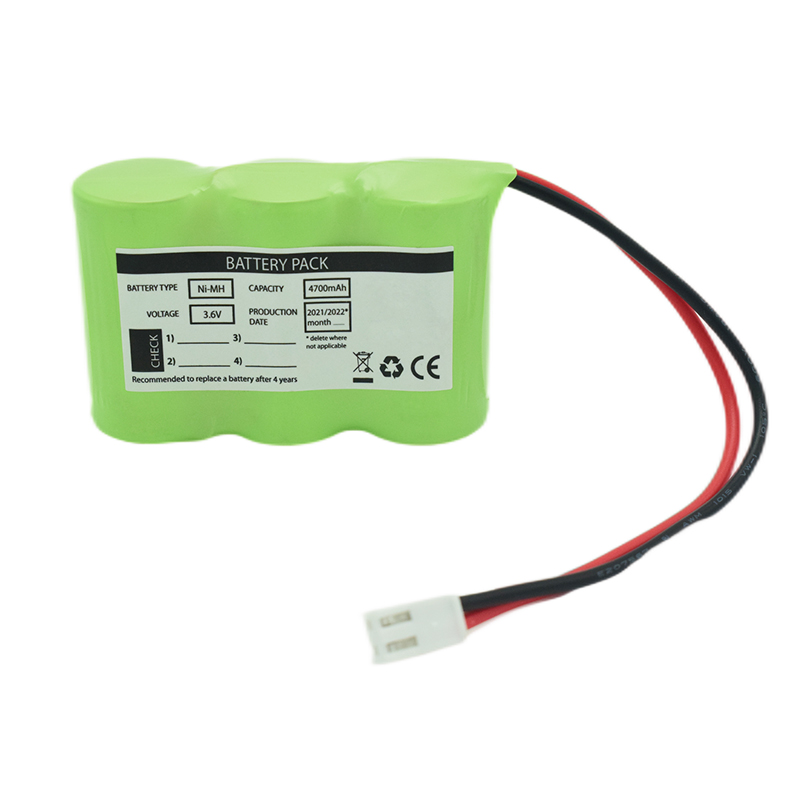 Ni-MH Battery C4700mAh 3.6V
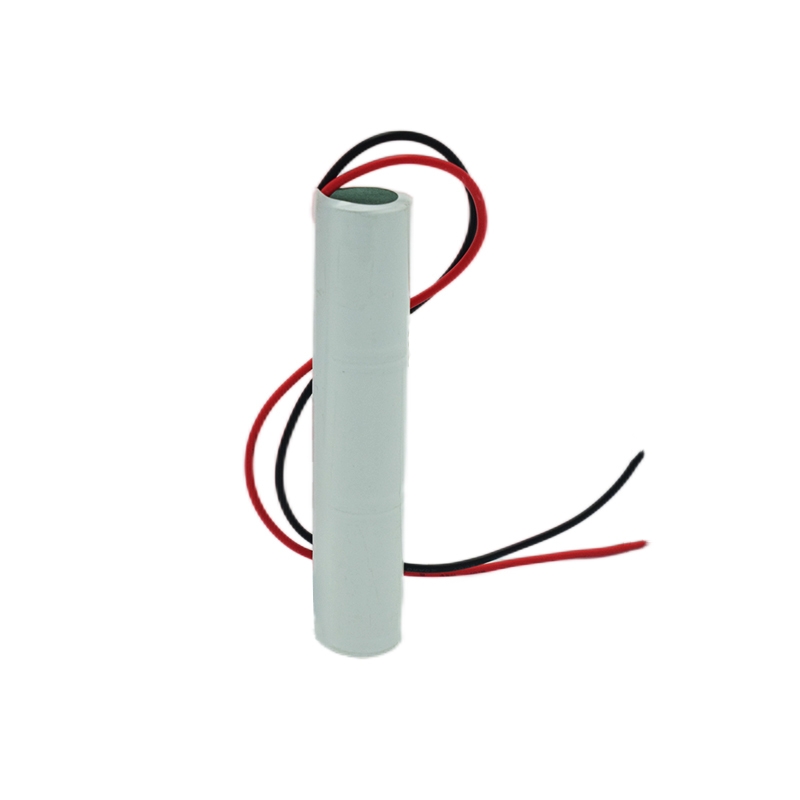 Nickel Cadmium Nicd Battery Pack SC1800mAh 3.6V
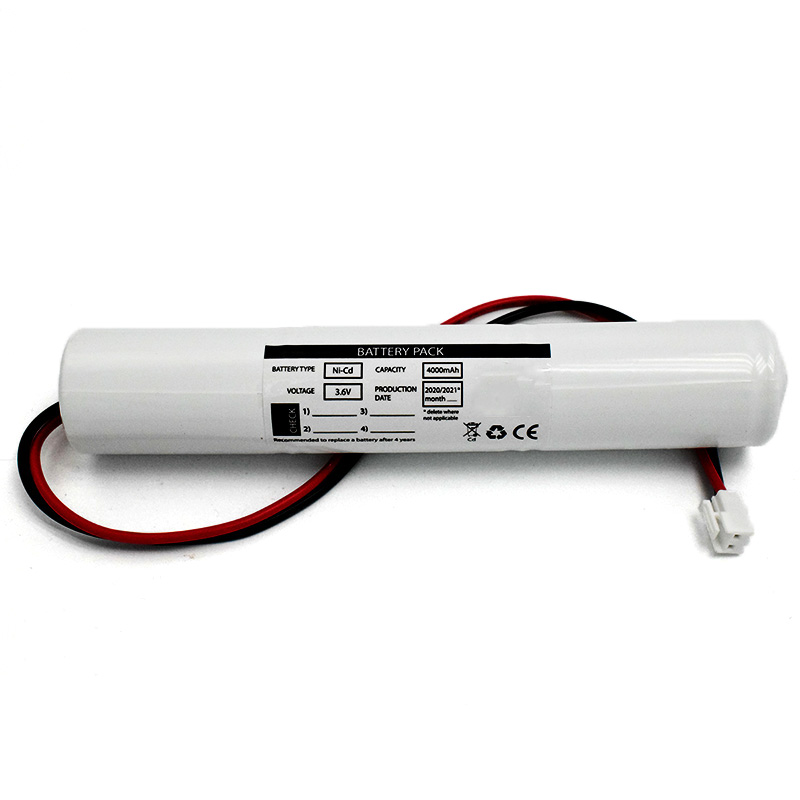 Ni-Cd Battery Pack D4000mAh 3.6V
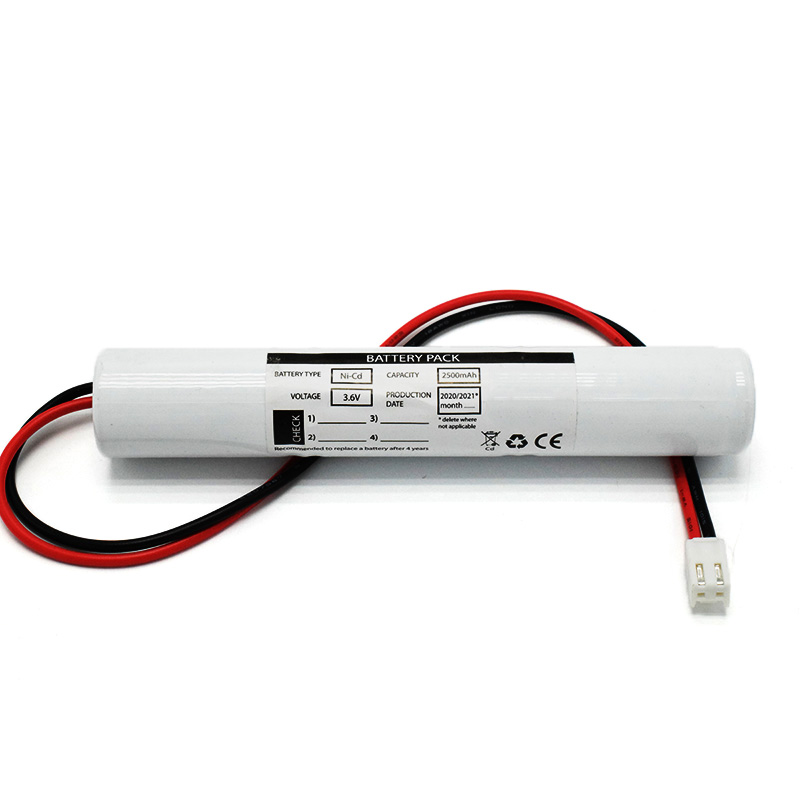 Ni-Cd Battery Pack C2500mAh 3.6V
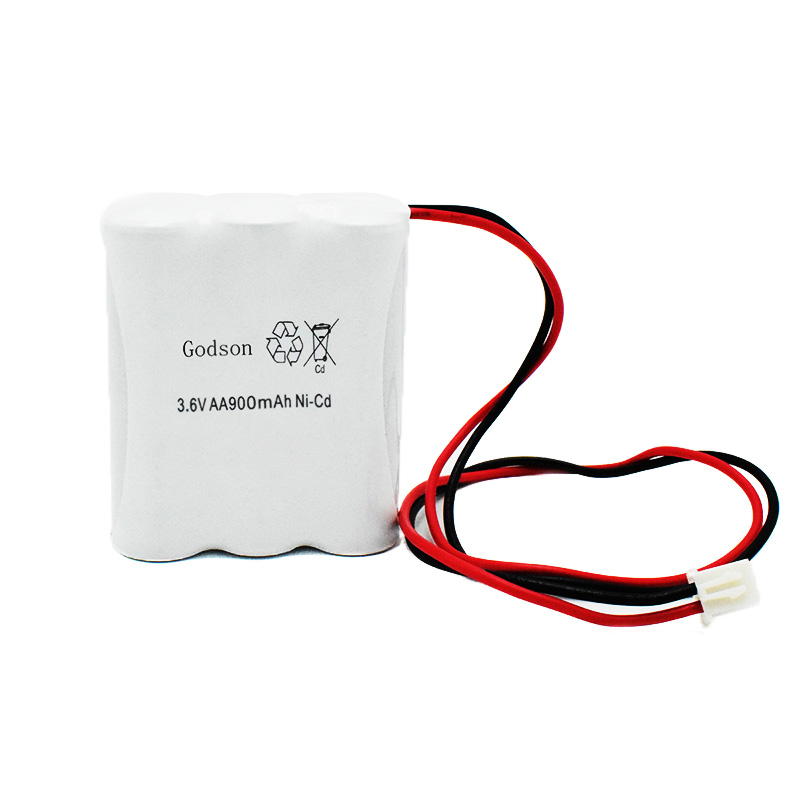 NICAD Battery Pack AA900mAh 3.6V
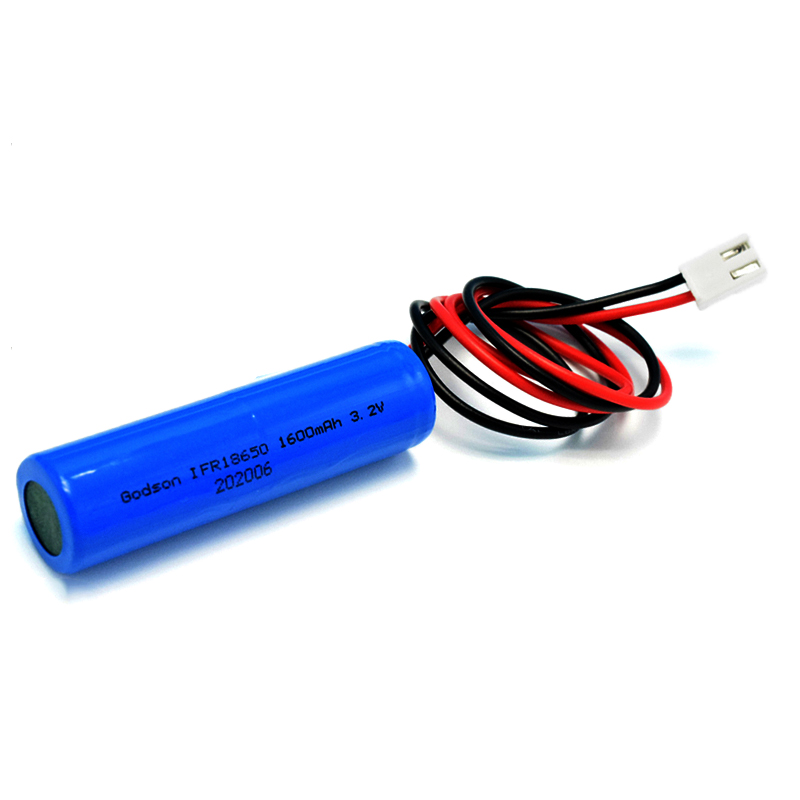 LiFePO4 IFR18650 1600mAh 3.2V
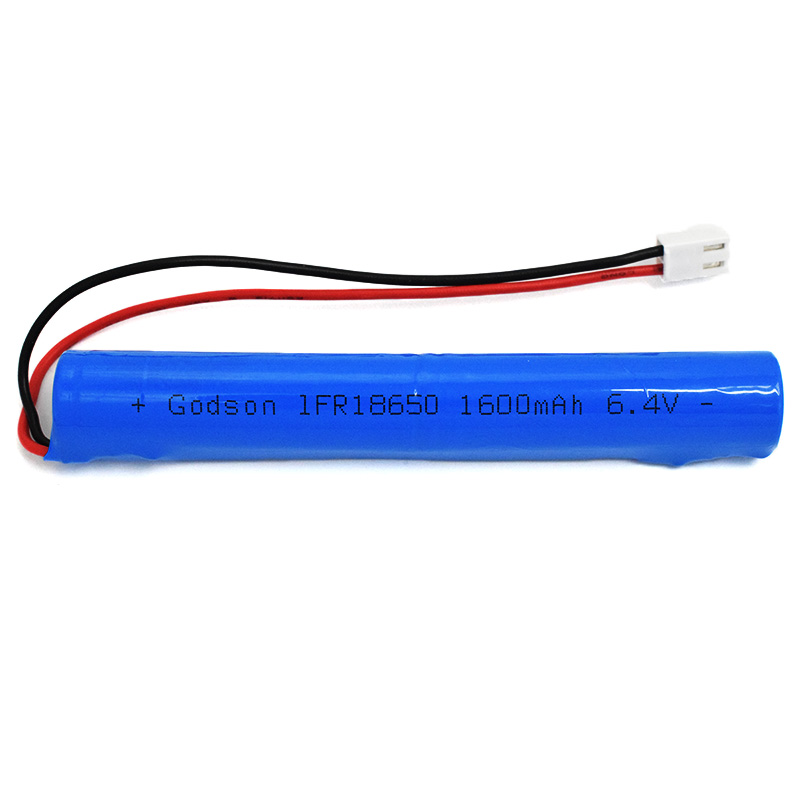 LiFePO4 IFR18650 1600mAh 6.4V
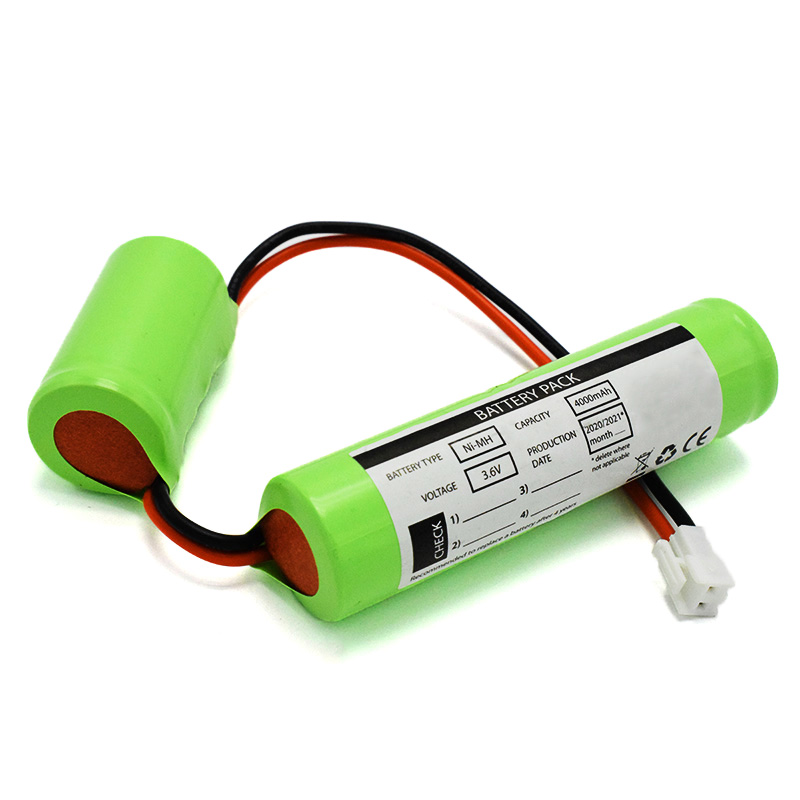 Ni-MH Battery C4000mAh 3.6V
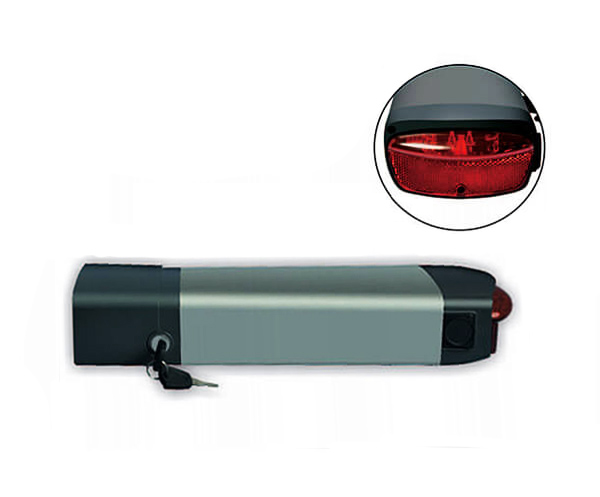 E-bike Battery 48V 10Ah JL-1
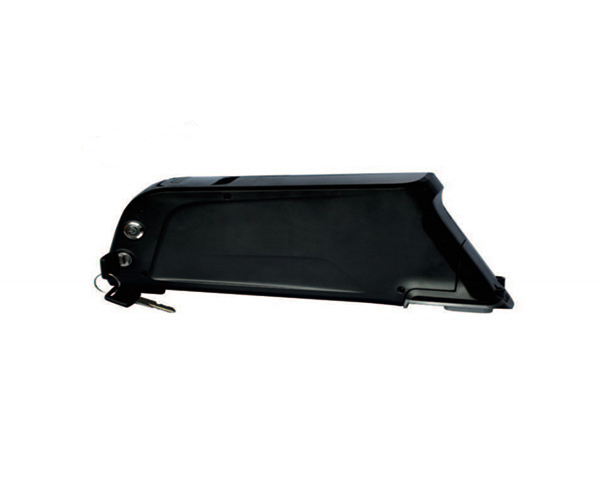 E-bike battery 48V 10Ah Qing Tian