



Emergency lighting systems are designed to operate when normal power fails, providing essential illumination for evacuation routes, emergency exits, stairways, and safety areas. However, the reliability of these systems depends heavily on the condition of the backup battery.
Emergency Lighting Ni-MH Batteries can provide stable standby power and long service life, but they still require regular inspection and testing to ensure they will perform correctly during emergencies. A battery that has not been tested may appear normal during daily operation but fail when a power outage occurs.
Regular testing helps identify:
Reduced battery capacity
Charging problems
Shortened backup runtime
Battery aging
Emergency lighting system failures
Industry practices commonly recommend monthly functional checks and a full discharge test at least once a year to verify emergency lighting performance.
A short functional test should generally be performed once every month.
The purpose is to confirm that:
Emergency lights activate correctly
Battery backup switches on automatically
Charging indicators work properly
No visible damage exists
During a monthly test:
Disconnect the normal power supply or use the test button.
Check that the emergency light turns on.
Confirm stable illumination.
Record any abnormal performance.
A monthly test does not fully evaluate battery capacity but helps detect immediate problems before they become safety risks.
A complete battery discharge test should typically be performed once every year.
This test evaluates whether the Ni-MH battery can maintain emergency lighting operation for the required backup period.
The annual test checks:
Actual battery runtime
Discharge performance
Charger function
Battery aging condition
During the test:
Fully charge the Ni-MH battery.
Disconnect the main power supply.
Allow the emergency light to operate using battery power.
Verify that the system maintains illumination for the required duration.
Many emergency lighting systems require approximately 90 minutes or longer of backup operation depending on local regulations and application requirements.
Even when an emergency lighting system remains unused, Ni-MH batteries gradually lose performance due to:
Natural aging
Charge retention loss
Internal resistance increase
Repeated charging cycles
Without regular testing, a battery may fail to provide enough power during an emergency.
Testing helps determine whether the battery can still meet required backup time.
Emergency lighting batteries normally remain connected to chargers in standby mode.
Problems such as:
Incorrect charging voltage
Overcharging
Poor charger performance
can reduce Ni-MH battery lifespan.
Regular inspections can identify charging issues before permanent battery damage occurs.
Unlike batteries used in everyday electronics, emergency lighting batteries may remain inactive for months.
Their most important moment is when:
Fire evacuation occurs
A storm causes a blackout
Industrial power fails
Emergency responders enter a building
Testing ensures that the battery performs when it is needed most.
Measure the battery voltage to confirm it remains within the specified operating range.
Abnormal voltage readings may indicate:
Cell damage
Capacity loss
Charging problems
Runtime is one of the most important indicators of battery health.
A healthy Emergency Lighting Ni-MH Battery should provide:
Stable output voltage
Consistent lighting brightness
Required emergency duration
If runtime decreases significantly, battery replacement may be required.
During inspection, check for:
Battery swelling
Leakage
Corrosion
Damaged connections
Loose wiring
Physical damage can affect both battery safety and system reliability.
The battery should recharge properly after testing.
Check:
Charging indicator status
Recovery time
Charger output
A battery that cannot recharge efficiently may require replacement.
Although monthly and annual testing are common recommendations, some environments may require more frequent inspection.
High temperatures accelerate battery aging.
Facilities such as:
Manufacturing plants
Warehouses
Boiler rooms
Outdoor equipment areas
may require additional monitoring.
Buildings where emergency lighting is essential should maintain stricter testing schedules.
Examples include:
Hospitals
Airports
Data centers
Subway stations
Chemical plants
Battery failure in these locations can create significant safety risks.
Some emergency lights are regularly activated due to:
Frequent power interruptions
Testing procedures
Unstable electrical supply
More frequent discharge cycles may reduce battery life and require closer monitoring.
Proper charging control helps prevent:
Capacity reduction
Heat generation
Accelerated aging
Use chargers designed specifically for Ni-MH emergency lighting applications.
Recommended storage and operation conditions include:
Moderate temperature
Low humidity
Good ventilation
Protection from direct heat sources
A professional maintenance record should include:
Test date
Battery condition
Runtime results
Voltage measurements
Replacement history
Records help facility managers identify performance trends.
Testing results can indicate when replacement is necessary.
Consider replacing batteries when:
Backup time is significantly reduced
Battery cannot hold charge
Voltage drops quickly during discharge
Physical damage appears
Battery exceeds its expected service life
Replacing aging batteries before failure ensures emergency lighting remains reliable.
Emergency Lighting Ni-MH Batteries should generally be tested monthly through functional checks and undergo a full discharge test at least annually.
Regular testing is essential because emergency lighting systems must work immediately during unexpected power failures. By monitoring battery condition, charging performance, and backup runtime, building owners and facility managers can ensure that emergency lighting remains ready for critical situations.
For commercial buildings, industrial facilities, hospitals, and transportation systems, proper Ni-MH battery testing is an important part of overall safety management and disaster preparedness.


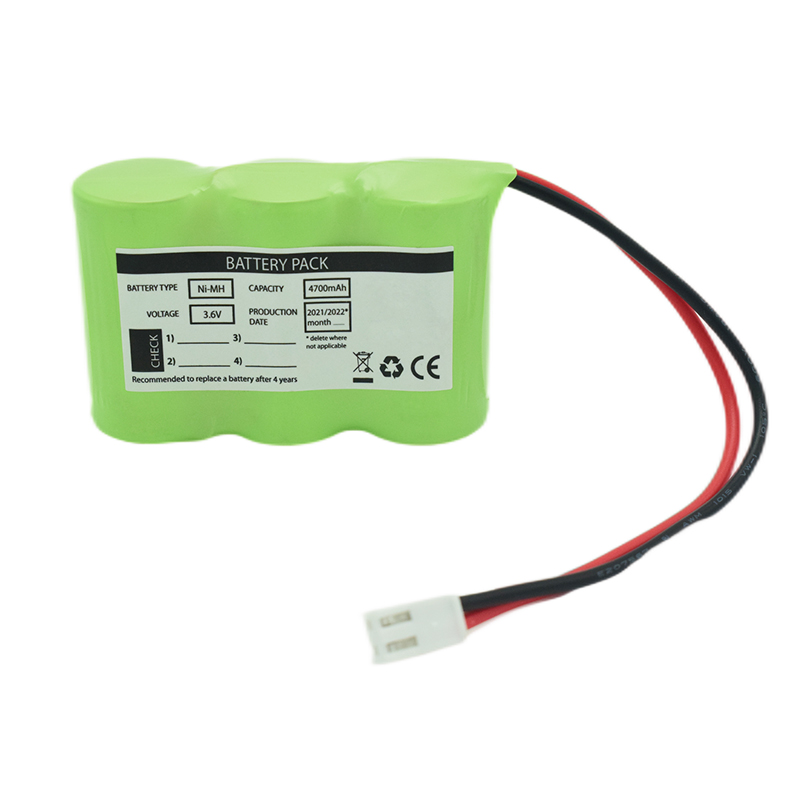 Ni-MH Battery C4700mAh 3.6V
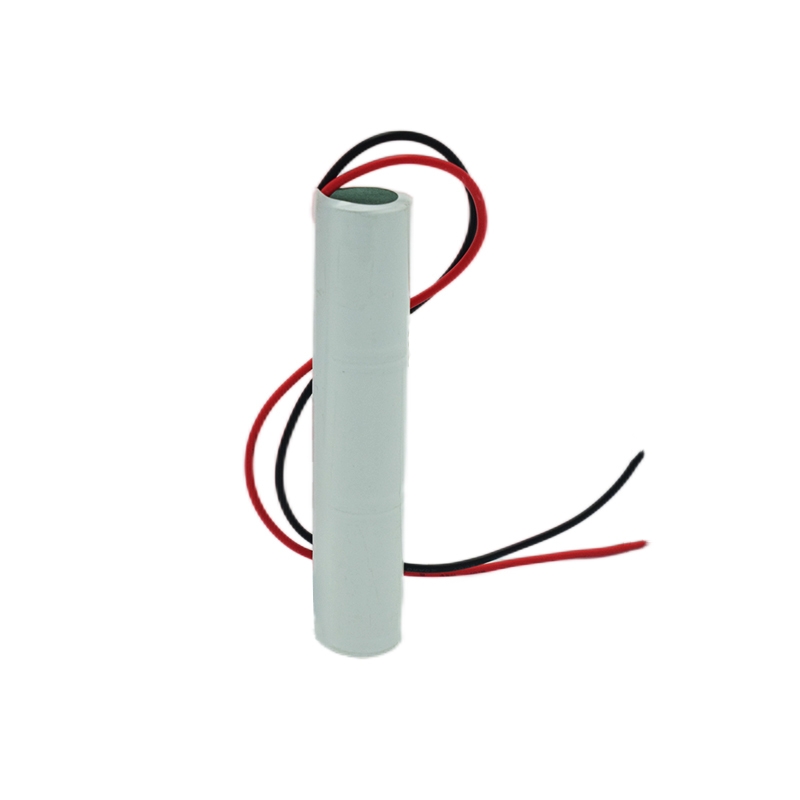 Nickel Cadmium Nicd Battery Pack SC1800mAh 3.6V
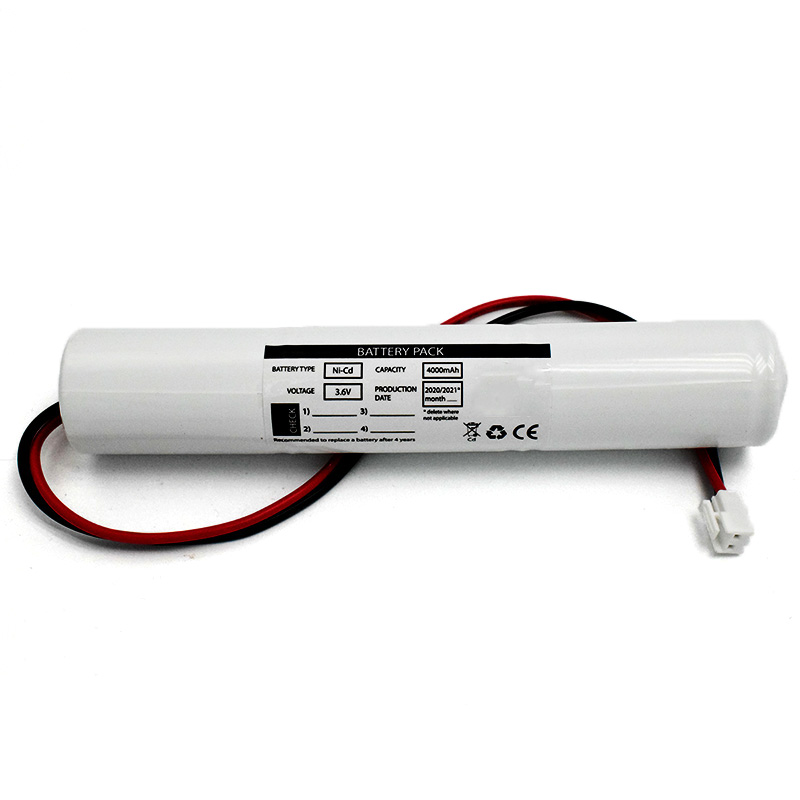 Ni-Cd Battery Pack D4000mAh 3.6V
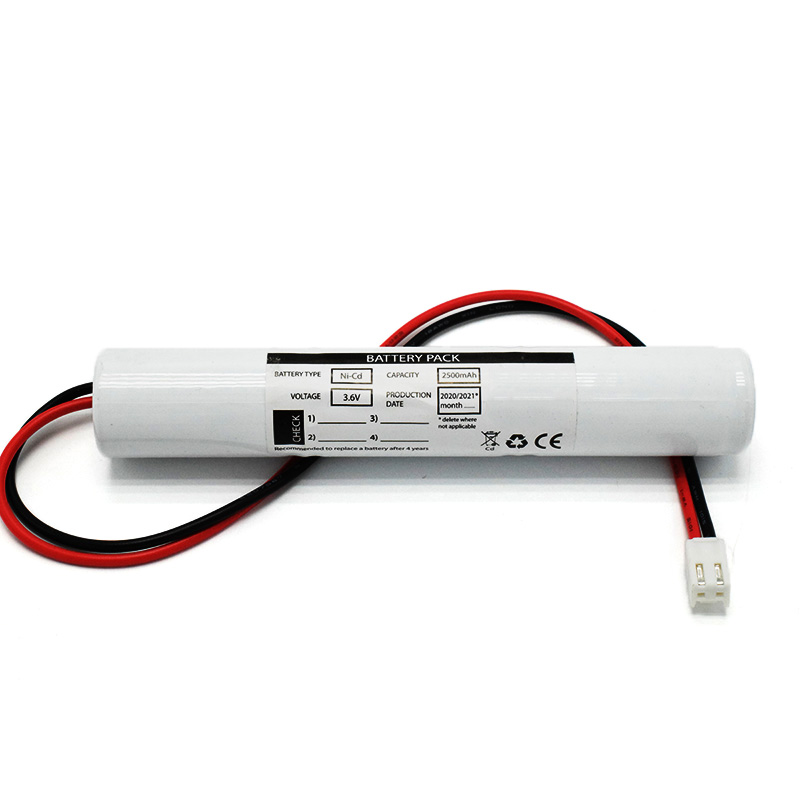 Ni-Cd Battery Pack C2500mAh 3.6V
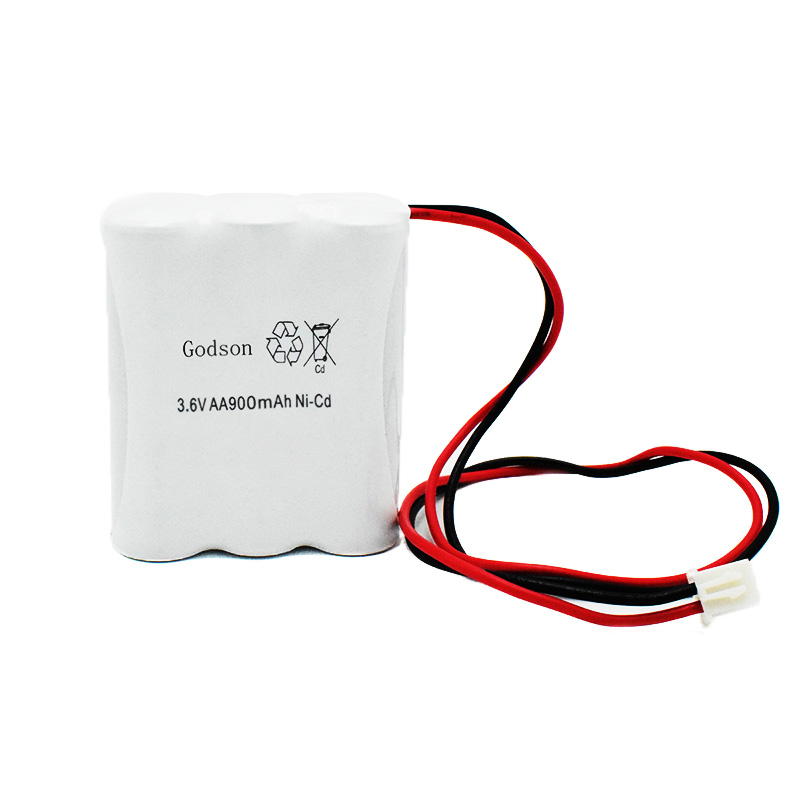 NICAD Battery Pack AA900mAh 3.6V
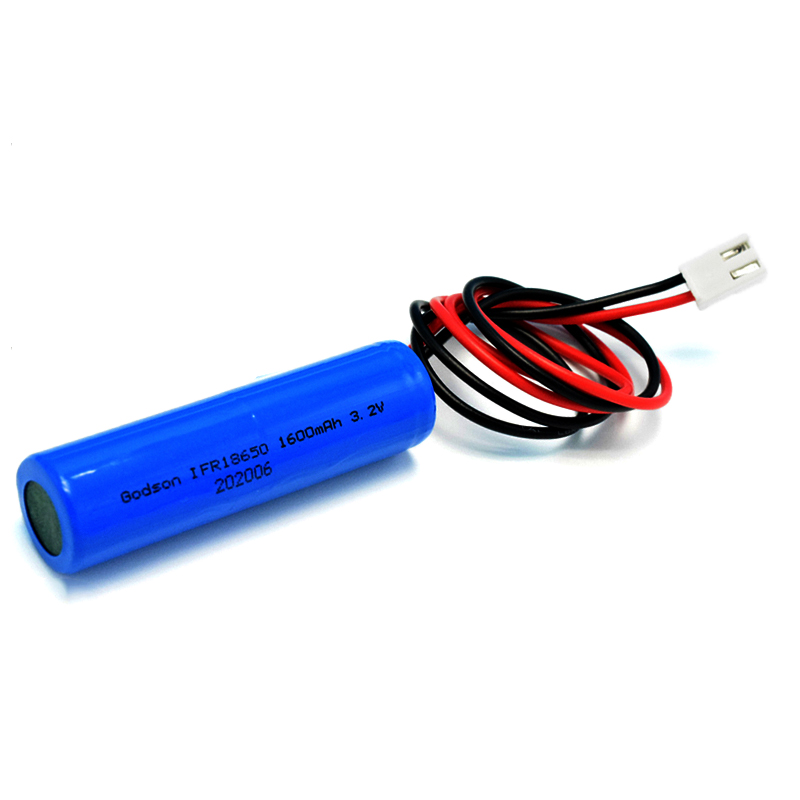 LiFePO4 IFR18650 1600mAh 3.2V
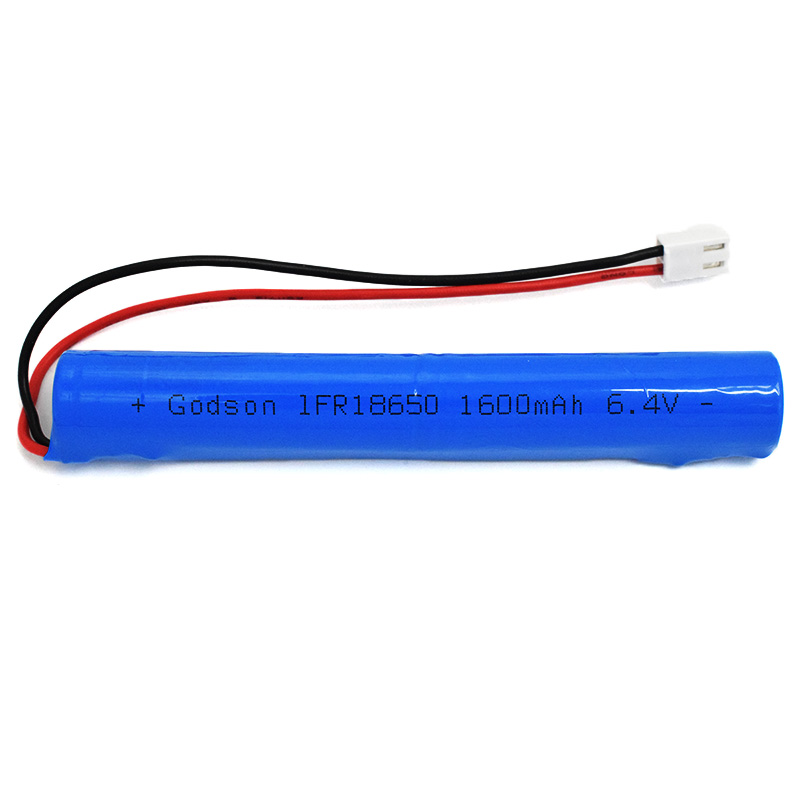 LiFePO4 IFR18650 1600mAh 6.4V
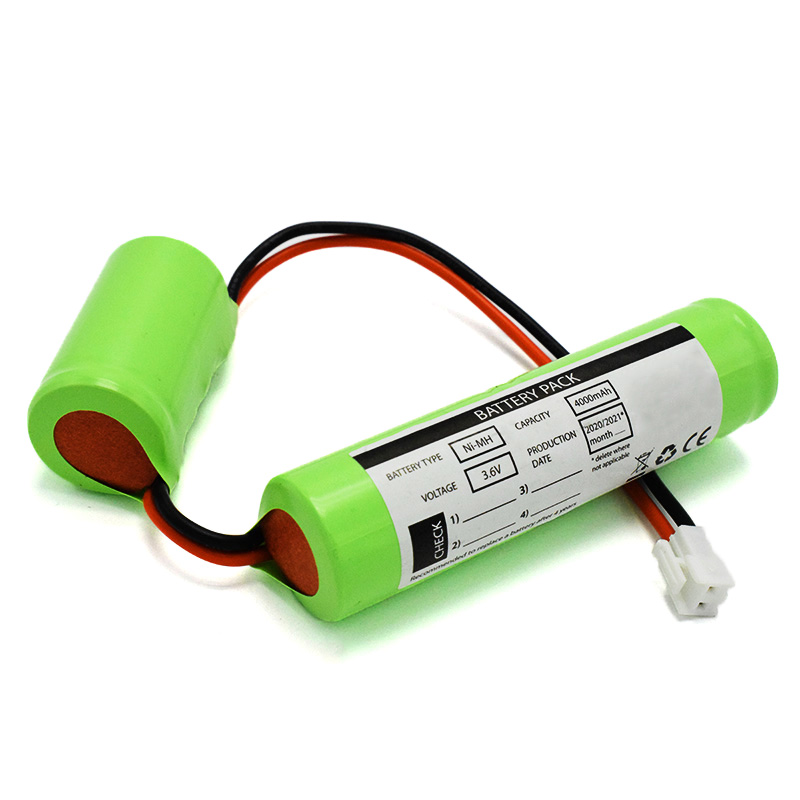 Ni-MH Battery C4000mAh 3.6V
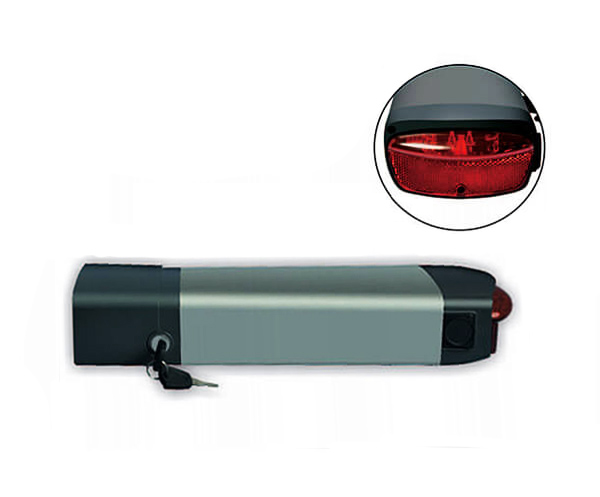 E-bike Battery 48V 10Ah JL-1
 E-bike battery 48V 10Ah Qing Tian