
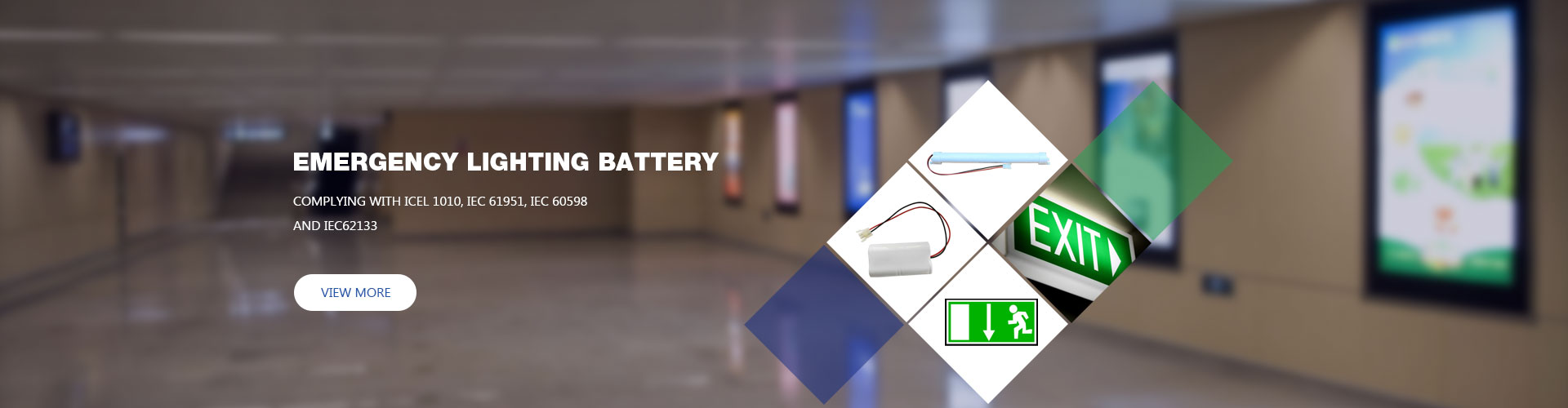

An emergency lighting Ni-MH battery may remain unused for most of its operating life but must supply dependable power immediately when the normal electricity supply fails.
This operating pattern creates a demanding application. The battery may spend months or years connected to a charging circuit, exposed to heat generated by the LED driver and luminaire, and then be expected to provide its full rated emergency duration without warning.
The reliability of an emergency lighting battery therefore depends on much more than its nominal voltage and capacity.
The main factors affecting emergency lighting Ni-MH battery reliability are:
1. Ambient and internal luminaire temperature
2. Charging voltage, current and termination control
3. Continuous maintenance-charging conditions
4. Battery capacity and emergency-light load matching
5. Cell consistency within the battery pack
6. Depth of discharge and over-discharge protection
7. Storage and commissioning conditions
8. Self-discharge during periods without charging
9. Connector, wiring and terminal quality
10. Moisture, corrosion and mechanical damage
11. Emergency lighting test frequency
12. Cell quality and battery-pack manufacturing control
13. Compatibility between the battery, charger and emergency driver
14. Maintenance records and replacement decisions
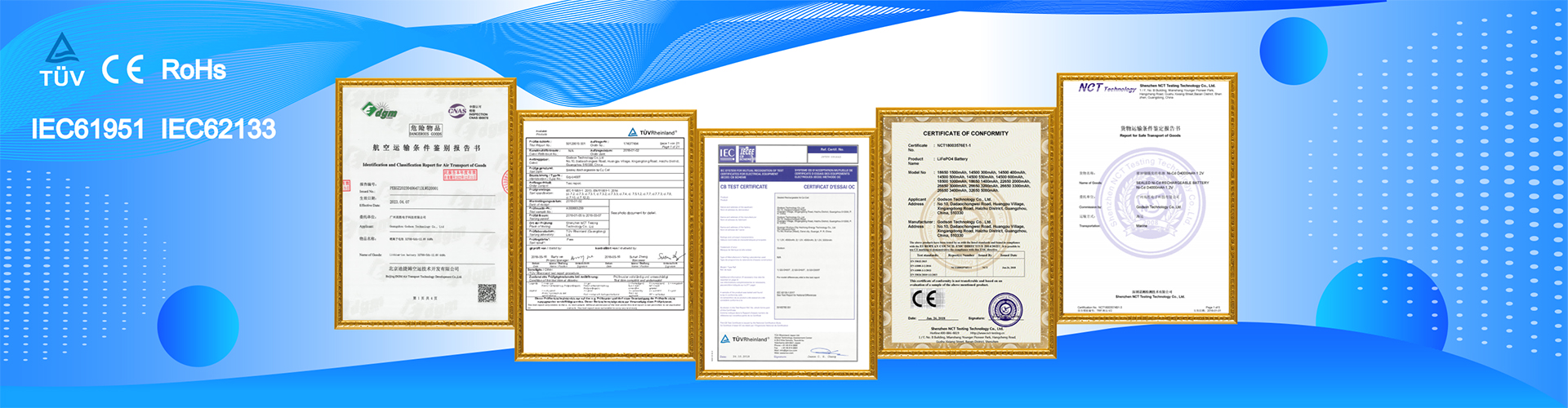
IEC 60598-2-22 specifies requirements for emergency luminaires, while IEC 61951-2 covers marking, dimensions, tests and performance requirements for sealed nickel-metal hydride cells and batteries. The current IEC 62133-1:2026 addresses safety requirements and testing for portable sealed secondary nickel cells and batteries under intended use and reasonably foreseeable misuse.
A Ni-MH battery used in a consumer device may show declining runtime gradually. In emergency lighting, however, the battery’s first obvious failure may occur during a power outage or annual duration test.
A battery pack can still display an apparently normal voltage while connected to the charger but fail to provide the required runtime under the emergency LED load. For this reason, open-circuit voltage alone is not a sufficient indicator of emergency lighting battery reliability.
The complete system must be able to:
· Detect loss of normal power
· Transfer into emergency mode
· Supply the emergency LED load
· Maintain adequate output for the required duration
· Recover correctly after normal power is restored
· Recharge the battery within the specified period
· Indicate battery, charger or lamp faults accurately
Emergency lighting reliability is therefore a system-level issue involving the battery cells, pack assembly, charger, controlgear, LED driver, wiring, thermal design and testing process. IEC 61347-2-7 specifically addresses battery-supplied electronic controlgear for maintained and non-maintained self-contained emergency lighting.
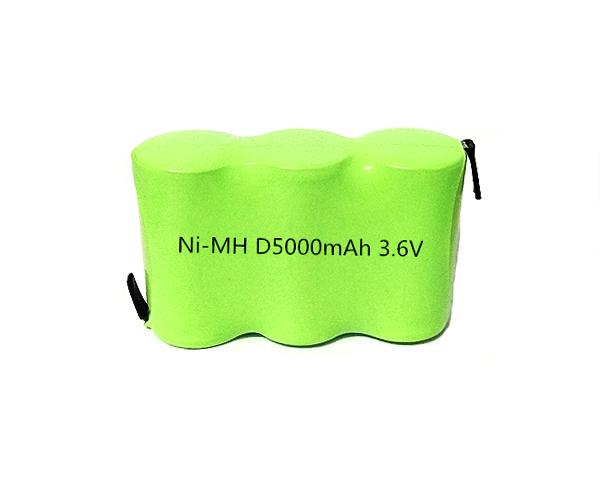
1. Ambient and Internal Luminaire Temperature
Temperature is one of the most important influences on Ni-MH emergency light battery life.
Emergency luminaires are frequently installed in locations such as:
· Enclosed ceiling spaces
· Industrial workshops
· Warehouses
· Stairwells
· Underground parking facilities
· Outdoor weatherproof housings
· Plant rooms
· Commercial kitchens
· Areas close to heat-producing equipment
The temperature experienced by the battery may be considerably higher than the room temperature because the battery is installed close to an LED driver, charger or other electronic components.
FDK warns that using or storing Ni-MH batteries at high temperatures can impair performance and shorten battery life. It also advises against charging batteries that have been cooled to 0°C or below unless the relevant battery specification permits it.
How high temperature affects reliability
Long-term exposure to elevated temperature can contribute to:
· Faster internal chemical degradation
· Increased self-discharge
· Accelerated capacity loss
· Higher pressure inside the cell
· Greater charging heat
· Electrolyte deterioration
· Shorter service life
· Increased differences between cells in the same pack
The effect can be especially important in maintained emergency luminaires because the normal lamp and electronic driver may continuously generate heat.
IEC 60598-2-22:2021 includes emergency-luminaire requirements and clarifies high-temperature operation testing, reinforcing the importance of evaluating the battery as part of the complete luminaire rather than under ideal room conditions alone.
How low temperature affects reliability
Low temperature can reduce the amount of usable capacity available during an emergency discharge. It can also affect charging acceptance.
A battery selected only according to nominal room-temperature capacity may not provide the required runtime when installed in a cold warehouse, loading area or outdoor enclosure.
The battery manufacturer’s permitted charge, discharge and storage temperature ranges should therefore be checked separately. A battery that can discharge at a particular low temperature may not necessarily be suitable for charging at that same temperature.
2. Charging Method and Charge-Control Accuracy
Ni-MH batteries require a charging system that matches their cell type, capacity, series configuration and operating temperature.
Using a charger that supplies approximately the correct voltage is not enough. The charging current, termination method, maintenance-charging strategy and thermal conditions must all be considered.
FDK states that Ni-MH batteries should only be charged using chargers and charging conditions that satisfy the battery manufacturer’s specifications. Improper charging can cause excessive current, heat generation, leakage, shortened life or other failures.
Effects of undercharging
An undercharged emergency lighting battery may:
· Pass a short functional test
· Illuminate the emergency LED normally at first
· Fail before the required duration is completed
· Show reduced voltage earlier under load
· Require excessive recharge time
· Appear to have lost capacity even when the cells are not permanently damaged
Common causes include:
· Insufficient charging current
· Charger voltage outside specification
· Inadequate recharge time
· Excessive self-discharge
· High internal resistance
· Poor terminal contact
· Incorrect charger design
· Frequent mains interruptions
· Testing before the battery is fully charged
Effects of overcharging
Excessive or poorly controlled charging may produce:
· Continuous internal heat generation
· Accelerated electrolyte loss
· Capacity deterioration
· Cell-pressure increase
· Leakage
· Vent operation
· Deformation of the battery sleeve
· Shortened operating life
In emergency lighting, the battery may remain connected to the charger continuously. A small charging error that appears insignificant during a short laboratory test can become important after months or years of operation.
3. Continuous Maintenance Charging
Many self-contained emergency luminaires maintain the battery in a charged state so it is ready for an unexpected mains failure. This means that the battery’s long-term charging conditions can be more important than its performance during the occasional emergency discharge.
A suitable maintenance-charging strategy should compensate for self-discharge without causing excessive temperature rise or long-term overcharge stress.
FDK describes pulse and intermittent charging as possible ways to compensate for self-discharge after main charging. It also warns that abnormal heating may occur in large packs, high-capacity packs or assemblies that cannot dissipate heat effectively, even at relatively low charging rates.
4. Battery Capacity and Emergency-Load Matching
A battery pack must be sized for the actual emergency LED load, required operating duration and expected end-of-life condition.
A basic design calculation can begin with:
Required battery capacity = emergency load current × required operating time
However, this theoretical value is not sufficient by itself. The design should also account for:
· Driver conversion losses
· Battery-voltage reduction during discharge
· Low-temperature capacity
· Cell ageing
· Manufacturing tolerance
· Self-discharge
· Protection and control circuit consumption
· Required safety margin
· Minimum permitted discharge voltage
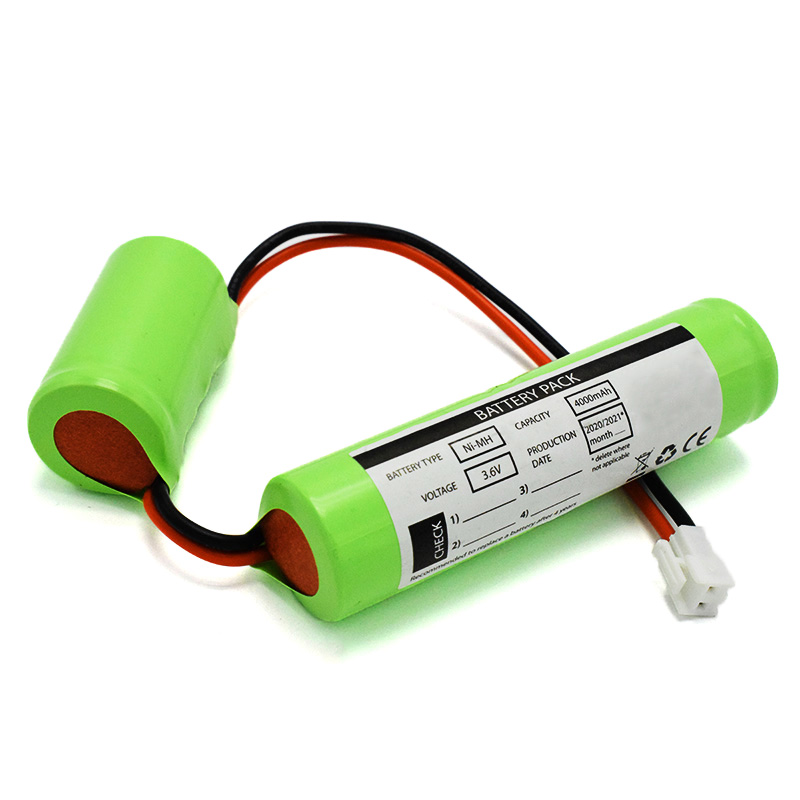
For example, two battery packs may both be labelled 3.6 V and 2,000 mAh but provide different emergency runtimes because of differences in internal resistance, discharge characteristics, ageing performance and the voltage at which the emergency driver stops operating.
Why using the smallest possible battery is risky
A battery selected with almost no capacity margin may pass initial testing but fail later after normal ageing or operation at an unfavourable temperature.
A better design approach is to validate:
· Initial emergency duration
· Duration after accelerated ageing
· Duration at maximum and minimum operating temperatures
· Recharge performance
· Light output near the end of discharge
· Performance at the lowest expected mains voltage
· Consistency across multiple production batches
The goal is not merely to select a battery that can operate the LED. It is to provide the required emergency duration throughout the intended service interval.
5. Cell Consistency Within the Battery Pack
Emergency lighting Ni-MH battery packs commonly contain multiple cells connected in series.
In a series-connected battery pack, the same current flows through every cell. The usable capacity of the pack may therefore be limited by its weakest cell.
Differences in the following characteristics can reduce battery-pack reliability:
· Actual capacity
· State of charge
· Internal resistance
· Self-discharge rate
· Charging efficiency
· Temperature
· Cell age
· Previous cycling history
FDK advises against mixing old and new batteries, batteries at different charge levels, or cells of different capacity, type or brand. It also recommends charging cells used together simultaneously.
What happens when cells are poorly matched?
During charging, a lower-capacity cell may become fully charged earlier than the others and then experience greater overcharge stress.
During discharge, the weakest cell may reach depletion first. If the pack continues to discharge, that cell may be driven into an undesirable reverse-voltage condition.
Possible symptoms include:
· Early emergency-light shutdown
· Rapid voltage collapse
· Pack heating during recharge
· Increasing differences between cell voltages
· Intermittent fault indicators
· Passing short tests but failing duration tests
· Inconsistent runtime between nominally identical packs
6. Depth of Discharge and Over-Discharge
Emergency lighting batteries are designed to provide backup power during mains failure. However, repeated deep discharge or leaving the battery connected to a load after depletion can reduce reliability.
Possible causes of over-discharge include:
· Prolonged power outages
· Incorrect driver cut-off voltage
· Faulty controlgear
· Parasitic standby loads
· Failure to restore mains power after testing
· Storage while connected to the luminaire
· Repeated tests without sufficient recharge time
· A weak cell in a series battery pack
FDK states that equipment incorporating Ni-MH batteries must be appropriately designed and tested and warns that improper use can cause abnormal current, heat generation or battery damage.
7. Self-Discharge and Charge Retention
Ni-MH batteries gradually lose stored energy when they are not being charged. The rate depends on cell design, temperature, storage duration and battery condition.
In a normally powered emergency luminaire, the charger is intended to compensate for self-discharge. However, reliability problems can arise when:
· The luminaire is stored before installation.
· The building supply is disconnected for a long period.
· The battery is shipped separately.
· The charging circuit has failed.
· The luminaire is isolated during renovation.
· The battery remains unused for an extended period.
FDK notes that after long-term storage, a Ni-MH battery may not immediately accept a complete charge and may require several charge-and-discharge cycles to recover its charging performance. It also recommends charging Ni-MH batteries after purchase or after they have not been used for a long period.
A battery that has been stored for several months should not be assumed to be ready for an immediate duration test.
8. Storage Before Installation
Battery degradation can begin before the emergency luminaire is commissioned.
Storage reliability is influenced by:
· Temperature
· Humidity
· State of charge
· Storage duration
· Packaging
· Terminal protection
· Exposure to conductive materials
· Mechanical impact
· Stock rotation
· Whether the battery remains connected to equipment
FDK recommends dry storage within the specified temperature range and indicates that a range of approximately −20°C to 30°C is preferable for longer battery life for applicable products. Actual requirements must still be checked against the selected cell or pack specification.
9. Connector, Cable and Terminal Quality
Not every emergency lighting battery failure is caused by the electrochemical cells.
A reliable battery pack can still fail to operate the emergency light because of:
· Loose connectors
· Incorrect polarity
· Poor crimping
· Undersized wires
· Broken conductors
· Oxidised terminals
· Contaminated contacts
· Incompatible plug dimensions
· Excessive connector resistance
· Weak solder joints
· Cable damage near the battery pack
FDK notes that dirty Ni-MH battery terminals can cause poor contact, loss of power or inability to charge.
Why contact resistance is important
Additional resistance in a connector or cable can cause:
· Voltage drop during emergency discharge
· Premature driver shutdown
· Local heating
· Incomplete charging
· Intermittent operation
· Inconsistent test results
The connector may appear normal during a low-current voltage measurement but fail when the emergency LED draws its full operating current.
OEM validation should therefore include:
· Connector insertion and retention testing
· Cable pull testing
· Contact-resistance measurement
· Polarity verification
· Vibration testing where applicable
· Full-load discharge testing
· Inspection after thermal ageing
10. Moisture, Corrosion and Enclosure Design
Emergency luminaires may be installed in humid, dusty or outdoor environments.
Water ingress or condensation can affect:
· Battery terminals
· Charger components
· Connectors
· Printed circuit boards
· Wiring
· Insulation
· Cell sleeves
· Metal tabs
FDK warns that exposure to water, seawater or oxidising substances can cause rust and heat generation. It also cautions that using Ni-MH batteries in airtight or waterproof housings requires careful evaluation because gases must not be allowed to accumulate.
A waterproof luminaire should not simply seal the battery inside an uncontrolled airtight compartment. The complete enclosure, venting, ingress protection and battery arrangement must be properly engineered.
11. Mechanical Damage and Installation Stress
Battery packs can be damaged during production, shipping, installation or maintenance.
Reliability risks include:
· Dropping the pack
· Crushing the cells
· Bending terminals
· Pulling cables
· Pinching wires under the enclosure
· Installing the battery against sharp components
· Excessive vibration
· Damaging the protective sleeve
· Directly soldering to cells without an approved process
FDK advises against dropping, striking, deforming, disassembling or directly soldering lead wires to Ni-MH cells because damage may create short circuits, leakage, heat or other hazards.
A battery pack with a torn sleeve or deformed cell should not be installed merely because its measured voltage appears normal.
12. Emergency Lighting Testing and Maintenance
Regular testing is essential because many battery problems are not visible during normal mains operation.
A useful maintenance programme normally includes:
· Visual inspections
· Short functional tests
· Full rated-duration tests
· Charger-status checks
· Fault-record reviews
· Corrective maintenance
· Retesting after battery replacement
Automatic test systems can schedule and record functional and duration tests. IEC 62034 specifies performance and safety requirements for automatic test systems used with battery-powered emergency escape lighting.
Testing-related reliability mistakes
Common mistakes include:
· Performing a duration test before the battery is fully charged
· Repeating tests without allowing sufficient recharge time
· Recording only pass or fail without actual runtime
· Ignoring dim or unstable emergency output
· Resetting a fault without investigating its cause
· Replacing the battery without checking the charger
· Assuming a green indicator proves adequate capacity
· Failing to test after electrical modifications
Test records should identify the luminaire, battery, location, test duration, observed runtime, fault condition and corrective action.
13. Compatibility Between the Battery and Emergency Driver
A Ni-MH battery should not be selected only by voltage, capacity and connector shape.
The battery must also be compatible with the emergency lighting charger and driver in terms of:
· Number of cells
· Nominal voltage
· Charging current
· Charge termination
· Maintenance charging
· Discharge current
· Low-voltage cut-off
· Temperature range
· Internal resistance
· Connector polarity
· Required emergency runtime
· Physical dimensions
· Mounting method
FDK explicitly warns against using Ni-MH batteries in equipment other than that for which they are specified because unsuitable equipment can create abnormal charging or discharging conditions.
Risks of using a generic replacement battery
A physically compatible replacement pack may still cause:
· Incomplete charging
· Excessive charging heat
· False battery-fault signals
· Insufficient emergency runtime
· Driver cut-off at the wrong voltage
· Premature cell ageing
· Connector overheating
· Failure to meet the original luminaire certification
Replacement batteries should therefore be approved by the luminaire manufacturer or technically validated as compatible alternatives.
14. Cell and Battery-Pack Manufacturing Quality
Even a well-designed emergency luminaire cannot compensate for poor battery manufacturing.
IEC 61951-2 specifies marking, designation, dimensions, tests and requirements for sealed Ni-MH cells and batteries, while IEC 62133-1:2026 addresses the safe operation of sealed secondary nickel cells and batteries under intended use and foreseeable misuse.
Compliance documentation is valuable, but it does not replace application-specific testing in the final emergency luminaire.
How to Improve Emergency Lighting Ni-MH Battery Reliability
During battery selection
Confirm:
· Required voltage and cell configuration
· Emergency-load current
· Rated backup duration
· Maximum internal luminaire temperature
· Minimum operating temperature
· Charging method
· Recharge-time requirement
· End-of-discharge voltage
· Expected service conditions
· Applicable certification requirements
During luminaire design
Improve reliability by:
· Separating the battery from heat-producing components.
· Providing appropriate heat dissipation.
· Using a charger designed for the selected Ni-MH pack.
· Adding suitable charge and discharge control.
· Reducing standby power consumption.
· Preventing reverse polarity.
· Using secure, low-resistance connectors.
· Providing accessible battery replacement.
· Including battery and charger fault indication.
· Testing the battery inside the complete luminaire.
During production
Manufacturers should complete:
· Incoming cell inspection
· Capacity and resistance matching
· Welding-quality inspection
· Connector and polarity testing
· Charging verification
· Emergency-load runtime testing
· High- and low-temperature testing
· Ageing tests
· Final visual inspection
· Batch traceability
During installation
Installers should:
· Confirm the battery model and connector.
· Inspect the pack for physical damage.
· Connect the battery with correct polarity.
· Allow the specified initial charging period.
· Perform a functional test.
· Complete the required commissioning duration test.
· Record the installation and battery date.
During operation
Facility managers should:
· Conduct scheduled functional and duration tests.
· Review fault indicators.
· Keep luminaires clean and unobstructed.
· Investigate high-temperature locations.
· Allow complete recharge after tests or outages.
· Replace failed packs with approved models.
· Record recurring faults by luminaire and battery batch.
Emergency lighting Ni-MH battery reliability depends on the interaction of the battery, charging system, emergency driver, LED load, luminaire enclosure and operating environment.
The most important reliability factors are:
· Controlling internal temperature
· Using the correct charging method
· Preventing prolonged overcharge and over-discharge
· Matching cells within the battery pack
· Selecting sufficient usable capacity
· Protecting connectors and terminals
· Managing storage and commissioning
· Testing the complete emergency luminaire
· Maintaining production traceability
· Replacing batteries with technically compatible packs
For emergency lighting manufacturers and project buyers, the best battery is not simply the pack with the highest advertised capacity. It is the battery that can remain safely charged for long periods, tolerate the luminaire’s actual thermal environment and consistently provide the required emergency runtime throughout its intended service interval.


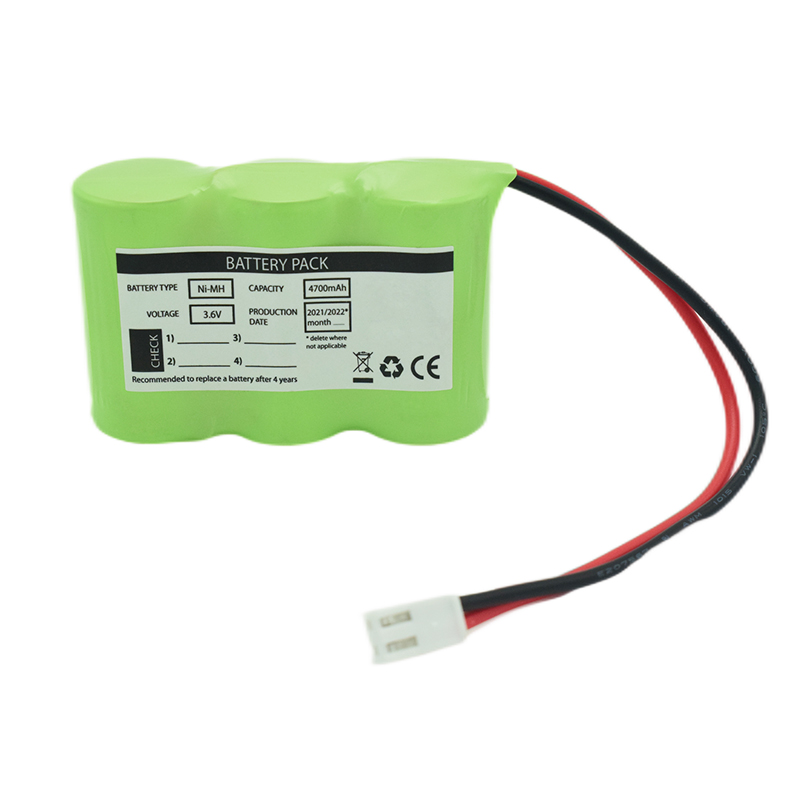 Ni-MH Battery C4700mAh 3.6V
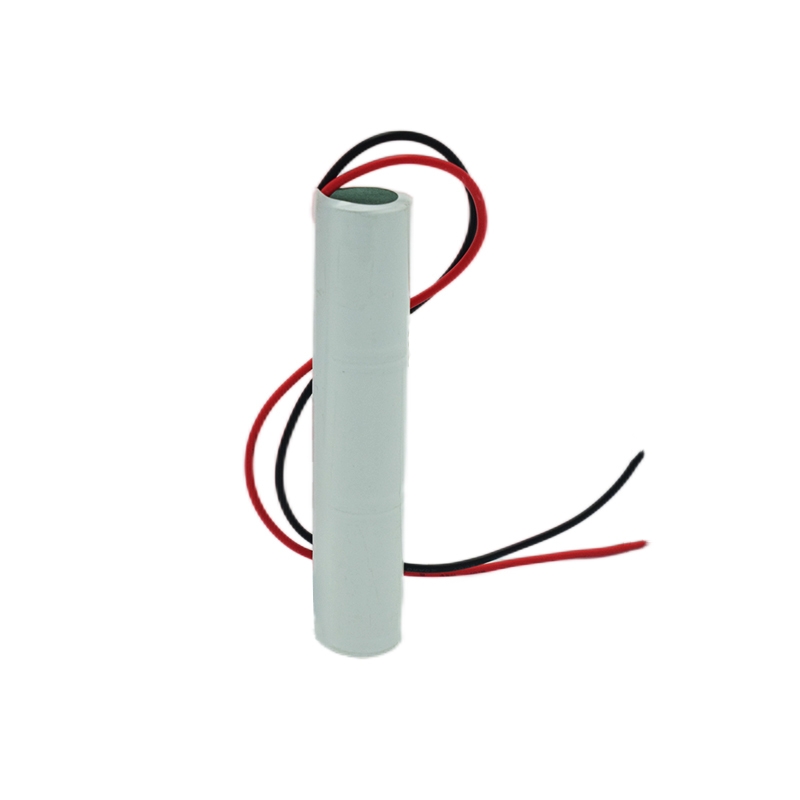 Nickel Cadmium Nicd Battery Pack SC1800mAh 3.6V
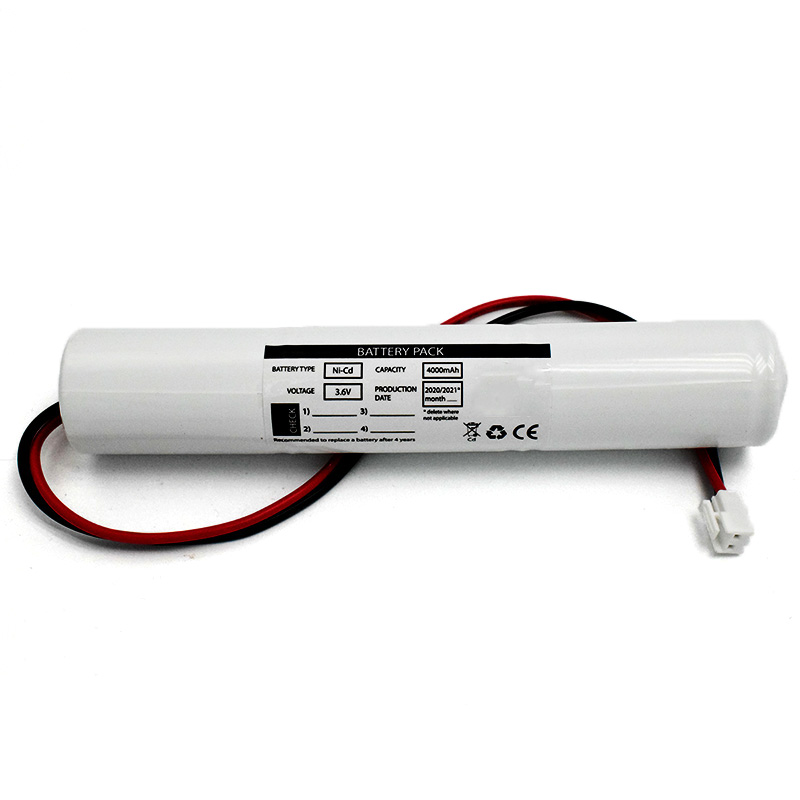 Ni-Cd Battery Pack D4000mAh 3.6V
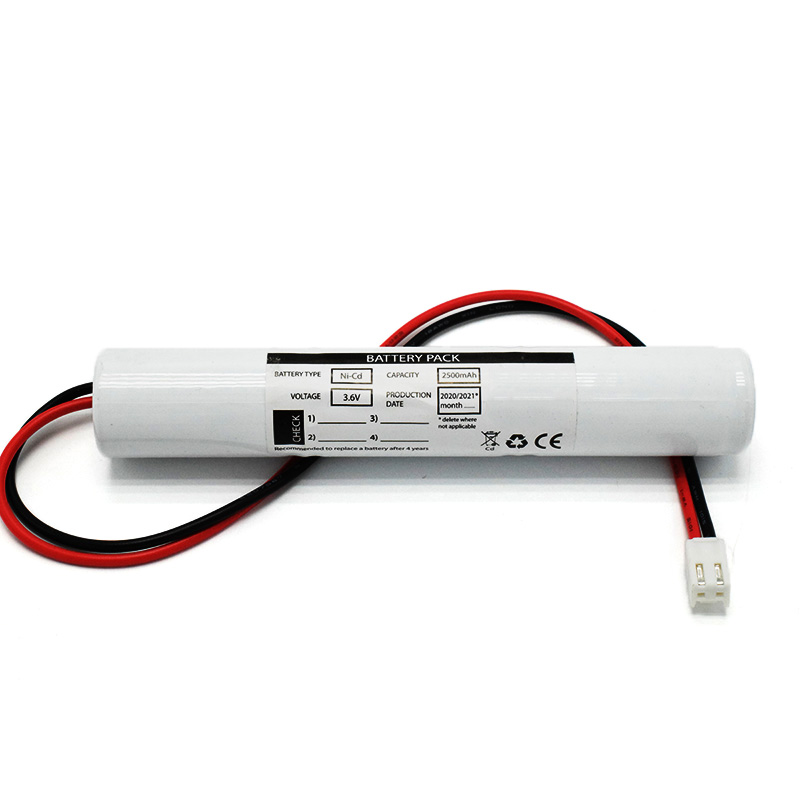 Ni-Cd Battery Pack C2500mAh 3.6V
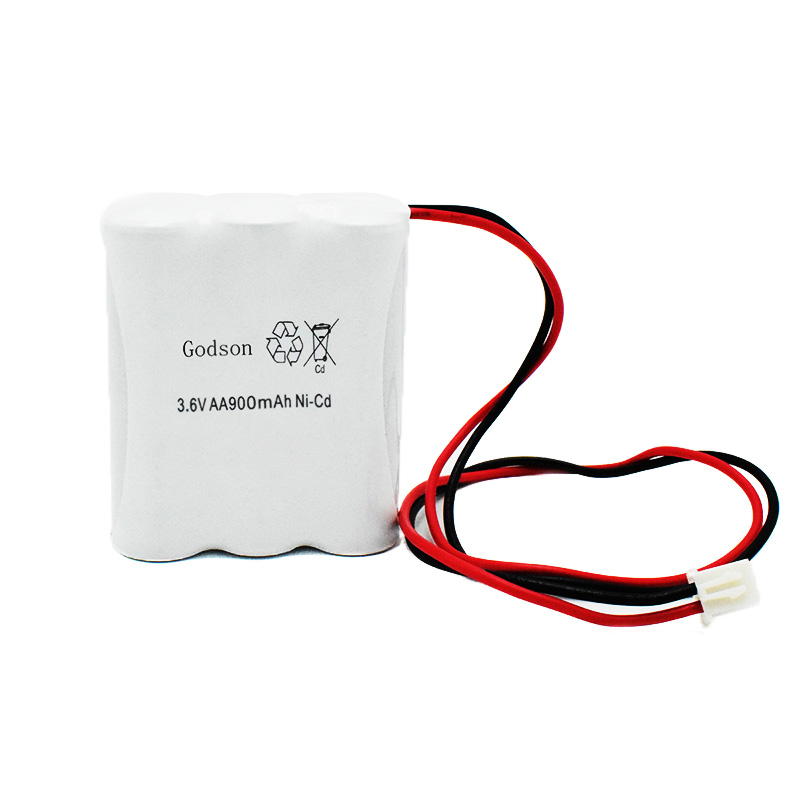 NICAD Battery Pack AA900mAh 3.6V
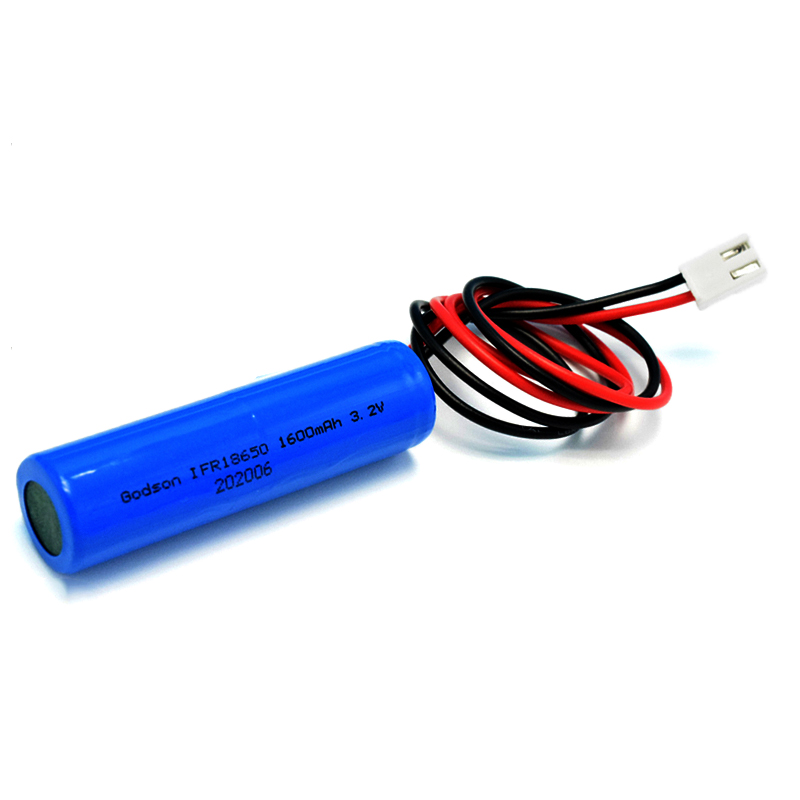 LiFePO4 IFR18650 1600mAh 3.2V
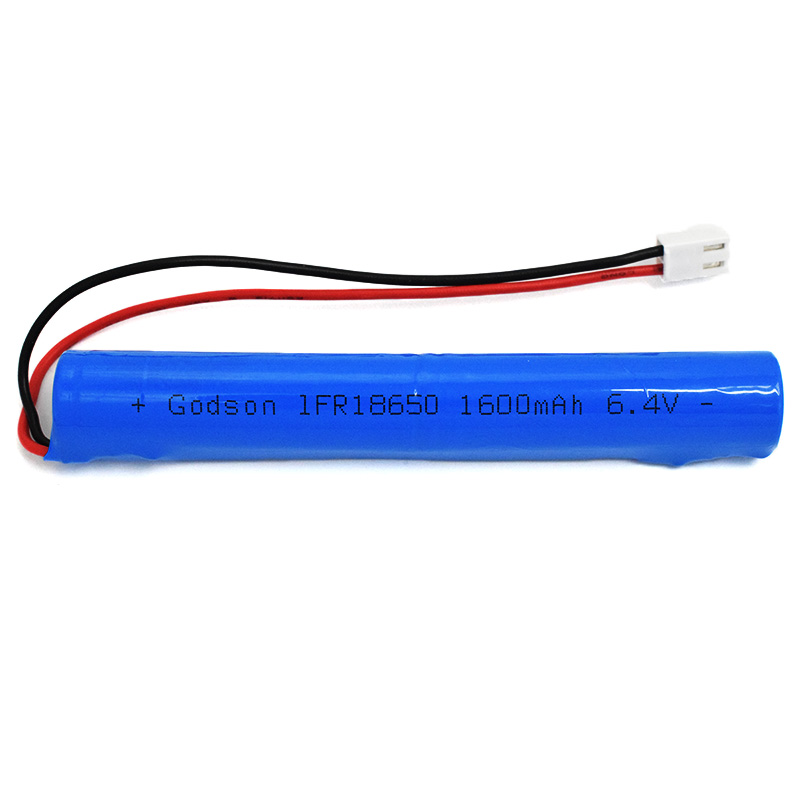 LiFePO4 IFR18650 1600mAh 6.4V
 Ni-MH Battery C4000mAh 3.6V
 E-bike Battery 48V 10Ah JL-1
 E-bike battery 48V 10Ah Qing Tian