
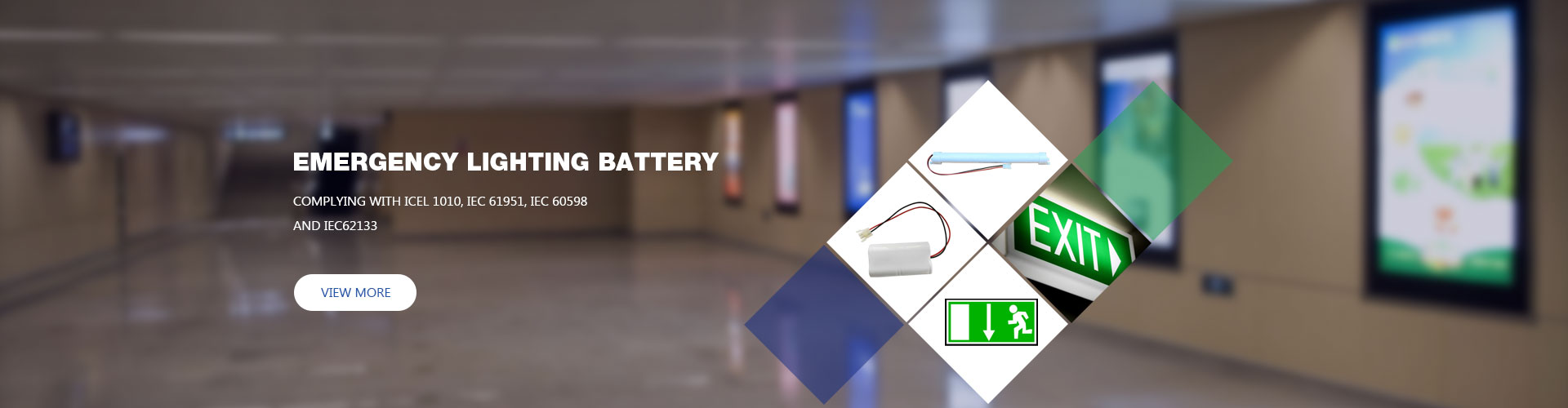




Emergency lighting LiFePO4 batteries should normally be checked through a combination of monthly functional tests and annual full-duration tests.
In the United States, fire-code provisions commonly require battery-powered emergency lighting to be tested monthly for at least 30 seconds and annually for at least 90 minutes.
In the United Kingdom, common practice under emergency-lighting guidance is a monthly activation test and an annual full-duration test, which may involve a three-hour battery discharge depending on the building and system design.
The exact schedule must always follow the applicable national or local fire code, the building’s risk assessment and the emergency luminaire manufacturer’s instructions.
Usually, no.
LiFePO4 batteries may offer different service-life, charging and thermal characteristics from Ni-Cd, Ni-MH or sealed lead-acid batteries, but the mandatory test is generally applied to the complete emergency lighting system, not only to the battery chemistry.
The purpose of the test is to confirm that:
· The luminaire detects a mains power failure.
· The emergency driver switches to battery power.
· The battery can support the connected LED load.
· The emergency light remains illuminated for the required duration.
· The charger restores the battery after the test.
· The BMS or protection circuit does not report a fault.
· Exit routes continue to receive adequate emergency illumination.
Therefore, installing a LiFePO4 emergency lighting battery does not eliminate monthly or annual testing.
IEC 60598-2-22:2021 covers emergency luminaires and introduced specific requirements concerning lithium batteries. This reflects the need to evaluate lithium batteries as part of the complete luminaire, charger and emergency-control system.
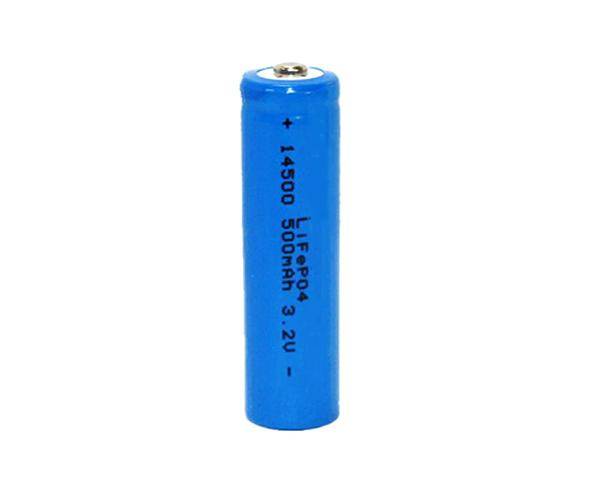
A battery can appear normal while the emergency lighting system is connected to mains power. The charging indicator may be green, but that does not prove that the battery can operate the LED load during a real power failure.
A monthly function test helps identify problems such as:
· A disconnected battery plug
· A damaged battery cable
· A failed emergency LED driver
· A charger fault
· An incorrect battery voltage
· A BMS protection fault
· A defective test switch
· An emergency lamp that does not illuminate
· A luminaire that does not change into emergency mode
· A battery that has become deeply discharged
The monthly test is normally a short test. It should be long enough to confirm that each luminaire transfers successfully from normal power to battery power.
For systems following common US fire-code practice, the monthly test is generally at least 30 seconds. For systems following UK and European practice, the test should last long enough to illuminate and inspect every emergency luminaire without significantly discharging the batteries.
During the monthly emergency lighting test, the operator should check the following items.
1. Emergency mode activation
Simulate a failure of the normal lighting supply using the test key, local test button, circuit isolation device or approved automatic test system.
All relevant emergency luminaires and illuminated exit signs should switch into emergency operation.
2. Light output
The emergency LED should illuminate without severe flickering, delayed start-up or abnormal dimming.
A visual test does not replace a formal illumination assessment, but obvious reductions in light output should be investigated.
3. Status indicators
Check the charging and fault indicators before and after the test.
Depending on the luminaire design, a red or flashing indicator may show:
· Battery failure
· Charging failure
· LED-load failure
· Communication failure
· Battery disconnection
· Temperature protection
· Failed duration test
The indicator meanings should be confirmed from the product manual.
4. Physical condition
Inspect the luminaire, battery compartment and visible cables for:
· Impact damage
· Water ingress
· Loose connectors
· Corrosion
· Excessive dust
· Deformed housings
· Heat discoloration
· Damaged lenses or diffusers
· Unauthorised modification
5. Charging restoration
After restoring mains power, confirm that the luminaire returns to its normal condition and that the battery charging indicator operates correctly.
A short monthly test only proves that the battery can start the emergency light. It does not prove that the battery can provide the required backup time.
The annual duration test is designed to assess the battery’s usable capacity under the actual emergency-lighting load.
For example:
· A 90-minute emergency luminaire should remain operational for at least its required 90-minute duration.
· A three-hour emergency luminaire should complete the required three-hour test.
· A project with another specified emergency duration should be tested against that approved rating.
During a full-duration test, the luminaire operates from its battery until the required test period has been completed. The operator then checks whether the lighting remained functional and sufficiently stable throughout the test.
The International Fire Code requires annual operation of battery-powered emergency lighting for at least 90 minutes in relevant applications.
UK fire-safety guidance commonly calls for annual testing of each emergency luminaire for its full rated duration according to the manufacturer’s information.
A full-duration test temporarily reduces the available capacity of the emergency lighting batteries. If a real power failure occurs immediately after testing, the batteries may not yet have recovered their complete backup capacity.
The annual test should therefore be scheduled:
· During a period of low building occupancy
· Before a planned closure period
· When alternative emergency lighting is available
· When the system has enough time to recharge
· When responsible personnel can inspect all luminaires
· When any failed units can be repaired promptly
Fire-safety guidance recommends conducting full-duration tests during a low-risk period or providing temporary arrangements until the batteries are fully recharged.
The required recharge time should be taken from the emergency luminaire or battery-system manufacturer’s instructions.
The detailed process depends on whether the building uses self-contained luminaires, a central battery system or an automatic testing network.
A typical manual process includes the following steps.
Step 1: Review the system records
Before starting, check:
· Previous test reports
· Recorded battery faults
· Luminaire identification numbers
· Required emergency duration
· Battery replacement dates
· Manufacturer instructions
· Recharge-time requirements
Step 2: Confirm that the batteries are fully charged
Do not start a capacity test immediately after a power outage, short-duration test or installation unless the manufacturer confirms that the batteries have been fully charged.
Step 3: Simulate mains power failure
Use an approved test switch or isolation method to interrupt the normal lighting supply without creating unrelated electrical hazards.
The test should verify the same transfer process that would occur during a genuine power failure.
Step 4: Record the start time
Record the exact time at which the luminaires enter emergency mode.
For a large system, unit identification should be clear enough to trace every test result to a specific luminaire or battery pack.
Step 5: Inspect the luminaires during discharge
Check the luminaires at suitable intervals rather than only at the beginning and end.
Look for:
· Premature shutdown
· Significant dimming
· Intermittent operation
· Battery or BMS fault indications
· Excessive heat
· Abnormal smell
· Driver instability
· Different performance among identical units
Step 6: Complete the rated duration
Continue the test for the approved duration applicable to the installation.
Do not assume that every emergency light requires the same runtime. Required duration can vary by jurisdiction, building type and project specification.
Step 7: Restore normal power
After the test, restore the normal supply and confirm that:
· Emergency luminaires return to normal mode
· Charging restarts
· Fault indicators clear where appropriate
· Automatic test records are saved
· Failed batteries or luminaires are isolated for corrective action
Step 8: Document the result
Record the results in the building’s emergency lighting logbook or maintenance management system.
An emergency lighting LiFePO4 battery should generally be considered to have passed when the complete luminaire:
1. Changes to battery power correctly.
2. Illuminates the intended emergency light source.
3. Operates without an unresolved battery or charger fault.
4. Remains operational for the required emergency duration.
5. Maintains acceptable lighting performance.
6. Returns to charging mode after mains power is restored.
7. Shows no signs of physical or thermal damage.
A battery should not be judged solely by its open-circuit voltage. A battery can show an apparently normal voltage but still have insufficient usable capacity under load.
The most meaningful field test is whether the battery can power the approved luminaire for the required duration.
Monthly and annual testing form the basic schedule, but additional testing may be appropriate after certain events.
After battery replacement
A replacement LiFePO4 battery should be tested after installation to confirm:
· Correct voltage
· Correct connector and polarity
· Charger compatibility
· BMS compatibility
· Secure mounting
· Successful emergency transfer
· Required backup duration
A short function test alone may not be enough when commissioning a newly installed battery.
After a prolonged power outage
A long outage may leave the battery partially or deeply discharged. After the supply is restored, check the charging condition and confirm that the battery completes the required recharge cycle.
After a charger or BMS fault
Any charger, temperature or battery-protection warning should trigger an investigation. Clearing the warning without testing the emergency function may leave a hidden capacity problem unresolved.
After excessive temperature exposure
Emergency luminaires installed in warehouses, factories, cold rooms, roof spaces and outdoor enclosures may experience temperatures outside the intended operating range.
When abnormal temperature exposure is suspected, inspect the battery and follow the manufacturer’s diagnostic procedure.
After renovation or electrical work
Changes to lighting circuits, distribution boards, test switches or control systems can prevent emergency luminaires from detecting a normal supply failure.
A functional test should be completed after relevant electrical work.
After a failed or interrupted annual test
A test that ends early because of a fault, accidental mains restoration or incomplete battery charging should not automatically be recorded as a pass.
The cause should be corrected and the test repeated under appropriate conditions.
Automatic test systems can reduce the labour required to test a large emergency lighting installation.
An automatic system may be able to:
· Schedule monthly function tests
· Schedule annual duration tests
· Detect LED-load failures
· Detect battery failures
· Monitor charging status
· Store test results
· Send fault alerts
· Identify individual luminaires
· Produce maintenance reports
IEC 62034 addresses automatic test systems for battery-powered emergency escape lighting.
However, automatic testing does not mean that the system can be ignored. A responsible person should still:
· Review the recorded results
· Investigate fault notifications
· Inspect physical damage
· Confirm that luminaires have not been obstructed
· Check that exit routes and building layouts have not changed
· Maintain auditable test records
· Arrange corrective maintenance
An automatic test that reports a fault is useful only when someone responds to that fault.
No. The monthly test is normally a short functional test, not a full-capacity discharge.
Performing an unnecessary full-duration test every month may:
· Leave the emergency system temporarily undercharged
· Increase avoidable battery cycling
· Create periods of reduced emergency availability
· Increase maintenance workload
· Conflict with the approved testing procedure
The annual full-duration test should verify battery capacity. The monthly test should normally verify system operation.
Additional full-duration testing should only be performed when required by local regulations, the manufacturer, a commissioning procedure or a fault investigation.
A battery should be considered for replacement when:
· It fails the required duration test.
· It shuts down before the rated emergency period.
· It repeatedly triggers a battery fault.
· It cannot recharge correctly.
· The battery casing is swollen, cracked or damaged.
· The connector or cable has been overheated.
· The BMS no longer communicates correctly.
· The manufacturer’s specified service interval has been reached.
· Replacement is recommended following professional inspection.
Do not rely only on the battery’s installation date. A relatively new battery can fail because of charging problems, excessive temperature, incorrect storage or incompatibility with the emergency driver.
Similarly, an older battery should not automatically be assumed to have adequate capacity simply because the indicator remains green.
For emergency luminaire manufacturers, importers and project buyers, battery testing should begin before the product reaches the building.
When sourcing a custom LiFePO4 emergency lighting battery pack, buyers should confirm:
· Nominal battery voltage
· Rated capacity in Ah and Wh
· Emergency LED load
· Required backup duration
· Maximum charging current
· Charge cut-off voltage
· Discharge cut-off voltage
· BMS protection functions
· Operating temperature range
· Connector type and cable length
· Enclosure dimensions
· Cell and pack traceability
· Cycle and ageing test data
· Relevant safety test reports
· Compatibility with the emergency driver
· Expected recharge time
· Required project certifications
A suitable supplier should be able to test the battery with the intended emergency driver and LED load rather than providing only a generic cell specification.
For OEM projects, useful validation tests can include:
· Charging compatibility testing
· Emergency runtime testing
· High- and low-temperature operation
· Repeated function-test cycling
· Overcharge and over-discharge protection
· Short-circuit protection
· Connector pull testing
· Battery-pack dimensional inspection
· Batch consistency testing
· Ageing and capacity-retention evaluation
These checks reduce the risk of choosing a battery that appears suitable on paper but cannot meet the required emergency duration inside the final luminaire.
For most installations, the following schedule provides a practical starting point:
Every month
· Inspect the luminaire and status indicator.
· Simulate a normal power failure.
· Confirm that the emergency LED operates.
· Run the required short functional test.
· Restore mains power.
· Confirm that charging resumes.
· Record faults and corrective actions.
Every year
· Fully charge the battery.
· Conduct the complete rated-duration test.
· Inspect light performance during discharge.
· Confirm that the battery completes the required runtime.
· Restore normal power.
· Confirm proper charging.
· Replace failed batteries.
· Record and certify the results where required.
Whenever a fault or system change occurs
· Investigate the battery, charger, BMS and emergency driver.
· Test the affected luminaire after repairs.
· Perform a duration test when battery capacity is uncertain.
· Update the maintenance record.
Emergency lighting LiFePO4 batteries should not be considered maintenance-free simply because LiFePO4 is designed for reliable long-term operation.
The most widely used testing approach is:
· Monthly: Perform a short functional test.
· Annually: Perform a full rated-duration test.
· After faults or replacement: Carry out additional diagnostic and commissioning tests.
· Continuously: Record results and correct failed units promptly.
Most importantly, test the LiFePO4 battery as part of the complete emergency lighting system. Reliable emergency operation depends not only on the battery cells, but also on the charger, BMS, emergency driver, LED load, wiring, connectors and control system.
By combining regular testing with correctly matched battery packs and documented maintenance, building operators and emergency-lighting manufacturers can reduce unexpected failures and ensure that emergency luminaires are ready when normal power is lost.


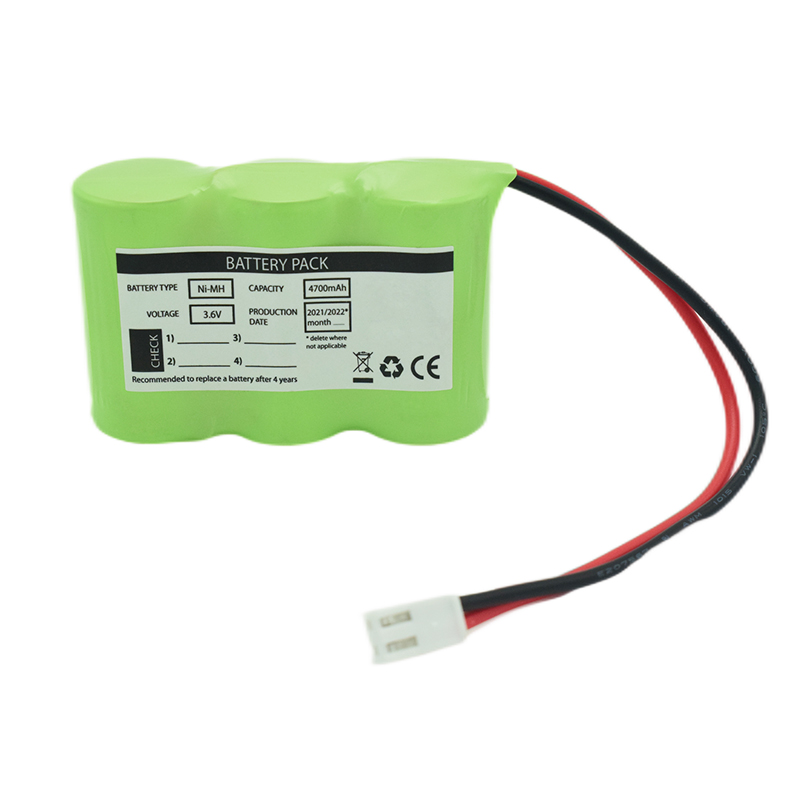 Ni-MH Battery C4700mAh 3.6V
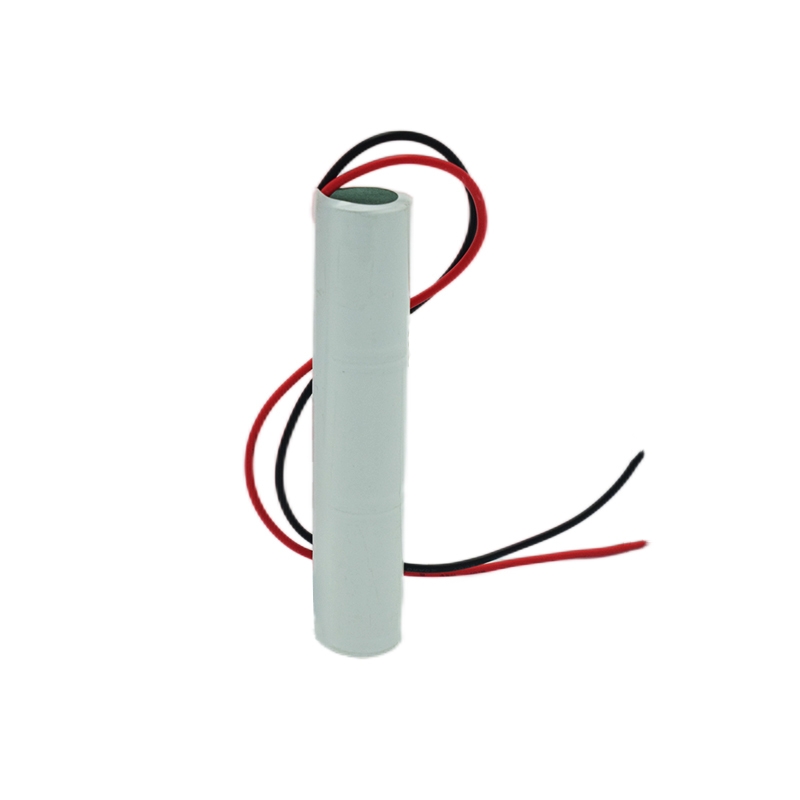 Nickel Cadmium Nicd Battery Pack SC1800mAh 3.6V
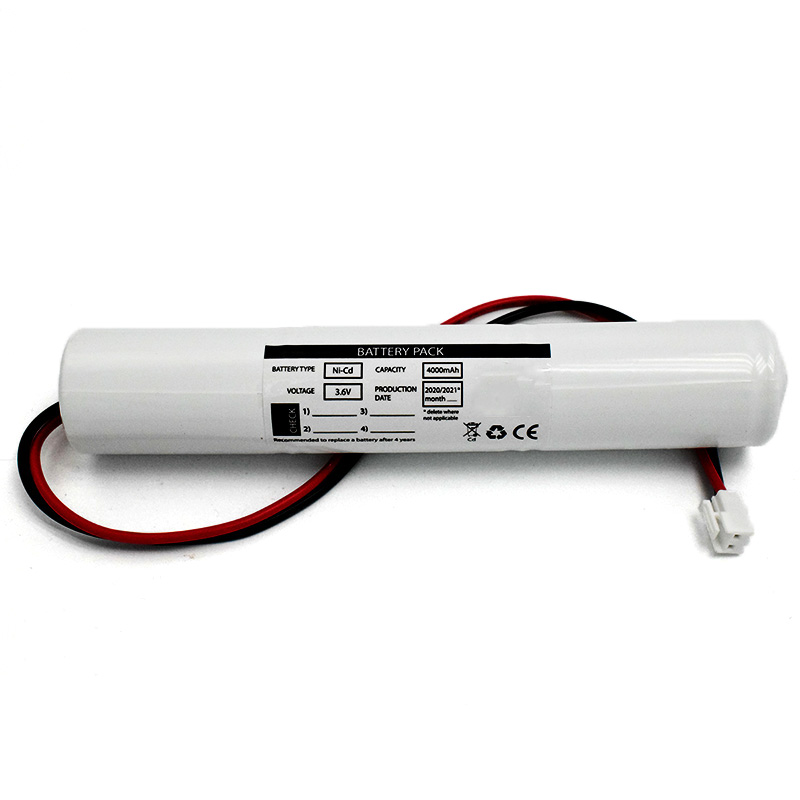 Ni-Cd Battery Pack D4000mAh 3.6V
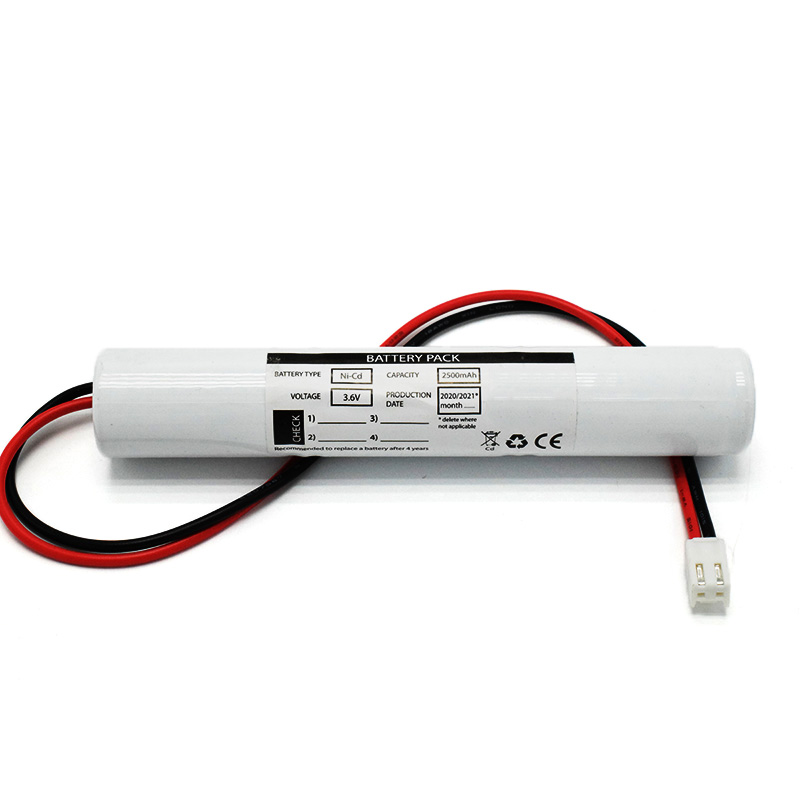 Ni-Cd Battery Pack C2500mAh 3.6V
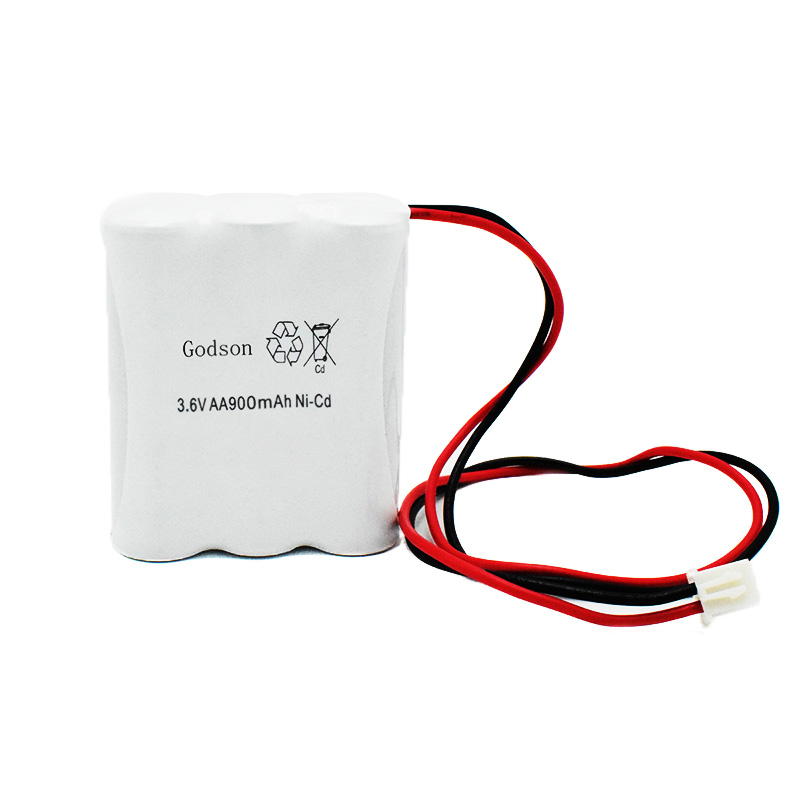 NICAD Battery Pack AA900mAh 3.6V
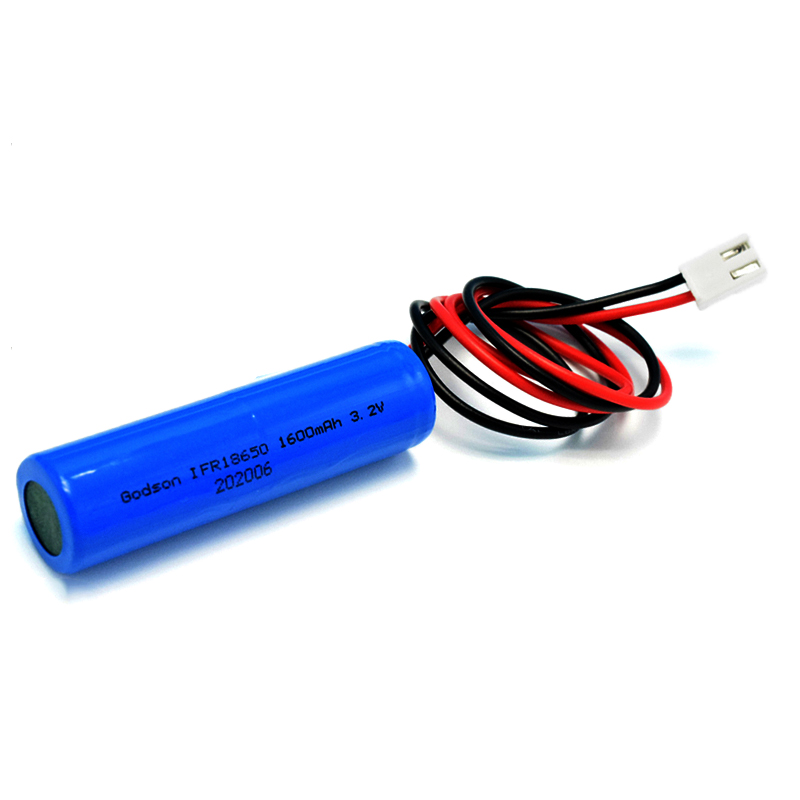 LiFePO4 IFR18650 1600mAh 3.2V
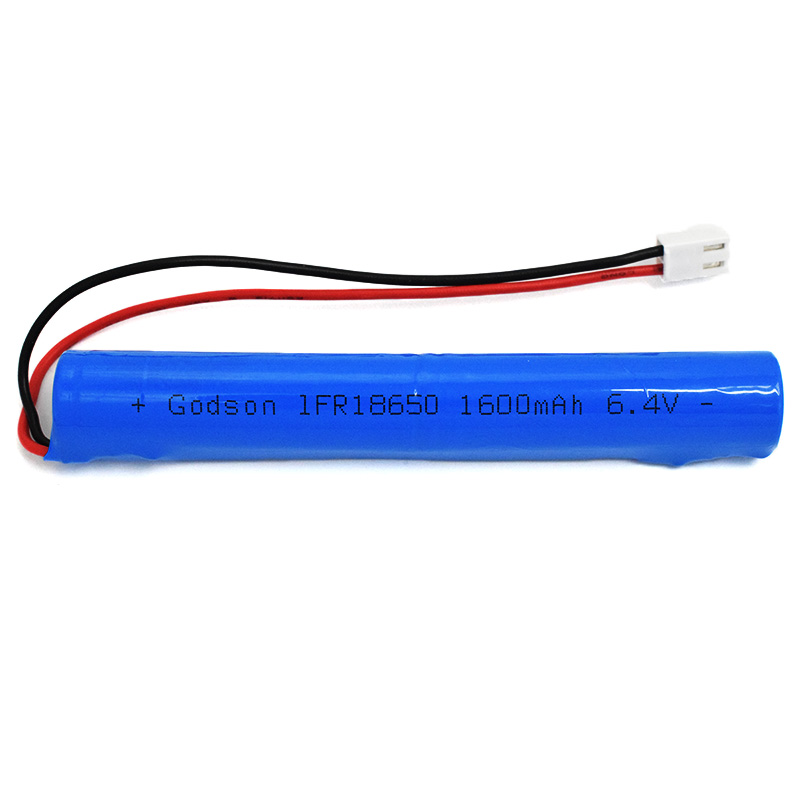 LiFePO4 IFR18650 1600mAh 6.4V
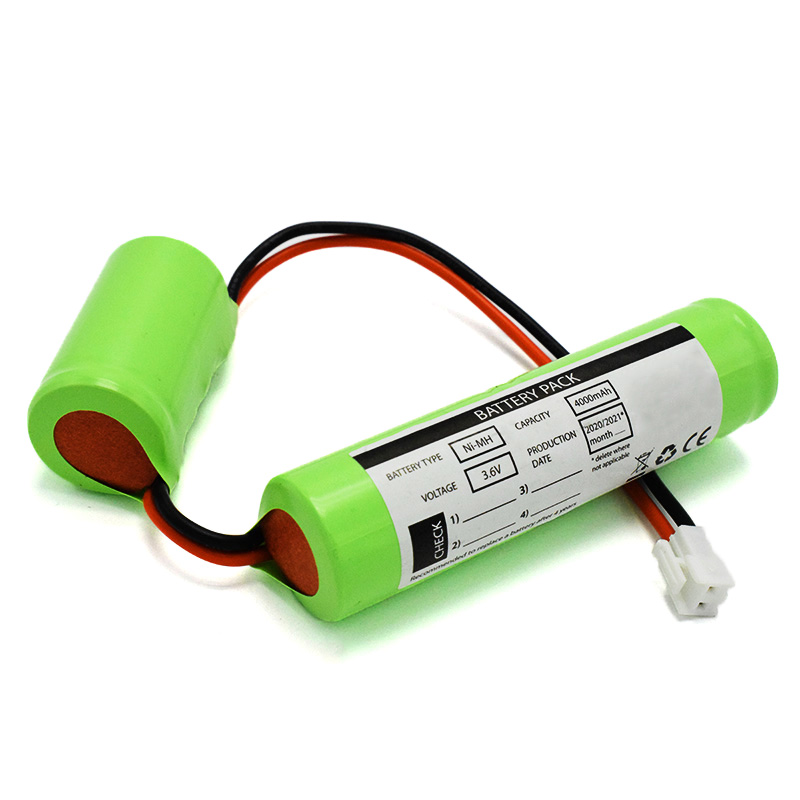 Ni-MH Battery C4000mAh 3.6V
 E-bike Battery 48V 10Ah JL-1
 E-bike battery 48V 10Ah Qing Tian