
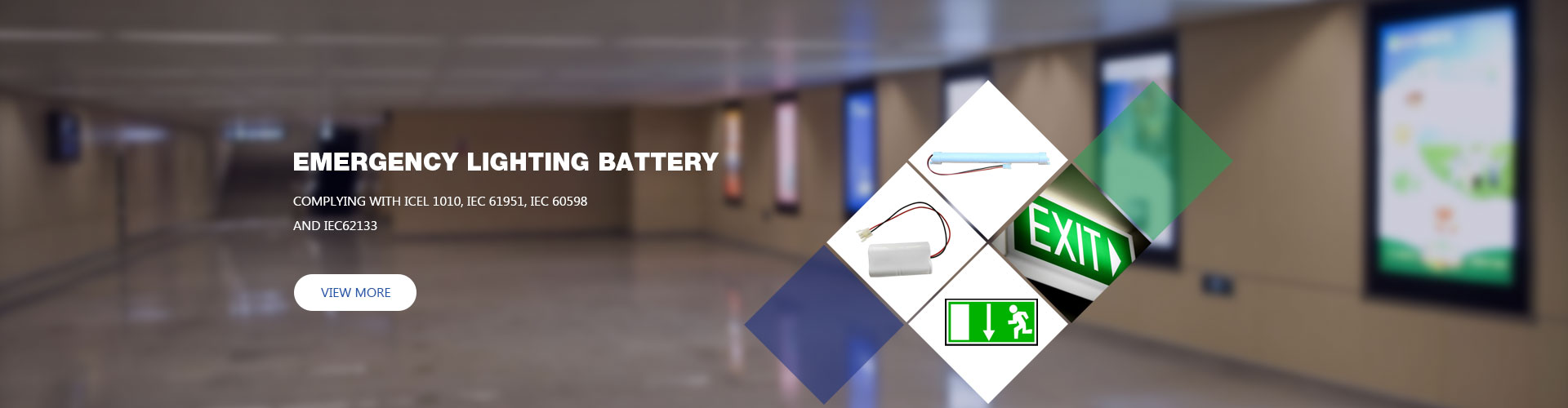

Choosing the wrong Emergency Lighting Ni-MH Battery can lead to shorter backup runtime, charging problems, and unexpected replacement costs when a power failure occurs. For lighting manufacturers, electrical contractors, and facility managers, comparing a sealed Ni-MH battery for emergency lighting, a vented emergency lighting battery system, and a maintenance-free emergency lighting battery pack requires more than checking capacity alone. The right choice depends on the emergency luminaire, charging circuit, and required backup duration. Understanding hydrogen recombination, the pressure-relief valve, and specific energy helps buyers distinguish practical advantages from marketing claims.
Before comparing the pros and cons, buyers need to understand an important technical distinction: most conventional Ni-MH cells are sealed cells equipped with a safety vent. In battery terminology, sealed does not mean that the cell has no pressure-relief mechanism. It means the cell is designed to retain its electrolyte and operate without releasing gas or liquid under specified normal conditions.
Consequently, a supplier describing a product as a vented Ni-MH battery may be referring to a safety-vented sealed cell rather than a genuinely vented industrial battery. These constructions should not automatically be treated as equivalent alternatives.
A sealed nickel-metal hydride battery uses a nickel-based positive electrode, a hydrogen-absorbing alloy negative electrode, and an alkaline electrolyte. During normal charging and discharging, electrochemical reactions store and release energy without requiring routine electrolyte replenishment.
Hydrogen recombination and related internal gas-management processes help control pressure during specified charging conditions. If excessive internal pressure develops, the pressure-relief valve provides a safety mechanism. This protection does not make the battery immune to overcharging, overheating, leakage, or aging.
Sealed Ni-MH battery packs are commonly used in compatible emergency exit signs, standalone emergency luminaires, and emergency lighting conversion kits. Their compact construction and low routine maintenance requirements make them practical for installations where individual battery packs are distributed throughout a building.
The term vented can describe a cell with a pressure-relief vent or a battery system intentionally designed to release gases during operation. In the latter case, the battery may have different electrolyte-management and maintenance requirements. Such systems are more commonly associated with particular industrial battery technologies than with ordinary sealed Ni-MH emergency lighting packs.
A genuinely vented battery system may require additional ventilation, inspection access, and chemistry-specific servicing procedures. Its suitability depends on the battery design and the installation environment.
For procurement purposes, ask the supplier to identify the exact cell construction, chemistry, electrolyte arrangement, and charging requirements. Do not assume that a vented industrial battery can replace a sealed Ni-MH pack simply because both are rechargeable batteries.
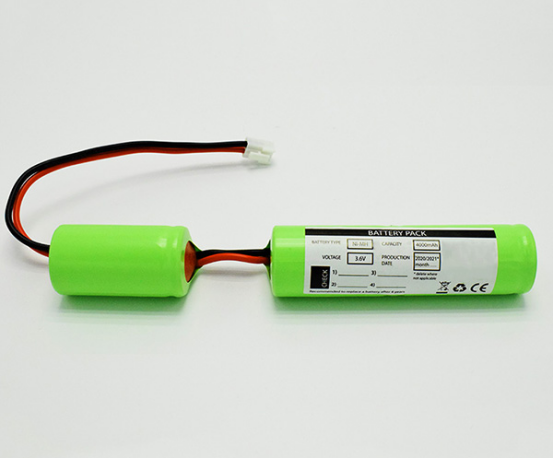
The following comparison distinguishes conventional sealed Ni-MH packs from genuinely vented industrial battery systems. The vented system may use a different chemistry, so the figures and maintenance requirements of a particular product must always be checked against its datasheet.
| Comparison Factor | Sealed Ni-MH Battery Pack | Vented Industrial Battery System |
|---|---|---|
| Construction | Sealed cell designed to retain electrolyte during normal operation, with a safety vent in many designs | Designed to release gases through a designated venting arrangement |
| Electrolyte maintenance | No routine electrolyte replenishment | Depends on chemistry and construction; some designs require electrolyte inspection or replenishment |
| Installation space | Suitable for compact, self-contained emergency lighting equipment | May require additional ventilation, clearance, and maintenance access |
| Routine maintenance | Visual inspection, functional testing, duration testing, and replacement when necessary | Functional testing plus any additional chemistry-specific servicing |
| Charging requirements | Requires a compatible Ni-MH charging profile and suitable temperature control | Requires a charger matched to the specific battery chemistry and design |
| Leakage risk | Leakage remains possible following damage, aging, or improper charging | Potential electrolyte exposure depends on construction and maintenance condition |
| Gas management | Internal gas management under specified conditions, with pressure relief if required | Requires ventilation appropriate to the battery system |
| Maintenance labor | Generally lower routine servicing requirements | Can involve additional inspection and servicing labor |
| Initial cost | Depends on voltage, capacity, cell format, and pack customization | Depends on chemistry, capacity, enclosure, and installation requirements |
| Typical application | Compatible emergency exit signs, standalone emergency lights, and conversion kits | Purpose-designed industrial or stationary backup installations |
Key takeaway: A sealed Ni-MH battery pack is usually the practical starting point for emergency lighting equipment designed for Ni-MH technology. A genuinely vented industrial system should only be considered when the complete installation is designed for it.
Lower routine maintenance. Sealed Ni-MH batteries do not require periodic electrolyte replenishment. This can simplify maintenance across commercial buildings with hundreds of individual emergency luminaires. However, reduced maintenance does not eliminate the need for scheduled inspections and backup-duration testing.
Compact battery configuration. Cylindrical Ni-MH cells can be assembled into different voltage and capacity configurations. This flexibility helps lighting manufacturers integrate battery packs into exit signs and compact emergency lighting fixtures.
No cadmium in the chemistry. Unlike nickel-cadmium batteries, Ni-MH batteries do not use cadmium as an electrode material. This may help buyers meet material-selection objectives, although collection and recycling are still necessary at the end of the battery's life.
Practical for distributed lighting systems. A compatible sealed pack can be installed inside an individual luminaire without the additional electrolyte servicing arrangements associated with some industrial battery systems.
Sensitivity to charging conditions. Excessive charging, unsuitable charging profiles, and elevated temperatures can accelerate capacity loss. This is particularly important in emergency lighting because the battery may remain connected to a charger for extended periods.
Gradual capacity deterioration. A battery may appear to charge normally while its usable capacity has declined. A functional indicator alone cannot confirm that the battery will maintain illumination for the required emergency duration.
Limited repairability. A sealed cell should not be opened to replenish electrolyte or repair internal components. A failed pack should be replaced with an approved compatible unit.
Replacement compatibility requirements. A physically similar battery may have a different voltage, capacity, connector, or charging profile. Choosing the wrong configuration can reduce backup performance or damage the battery.
Serviceability in suitable designs. Certain industrial battery systems allow trained personnel to inspect or replenish electrolyte according to the manufacturer's instructions. This can be useful where a facility already has established industrial battery maintenance procedures.
Suitable for selected stationary installations. A purpose-designed industrial battery system can support centralized backup applications when its capacity, charging equipment, ventilation, and maintenance arrangements meet the project's requirements.
Established servicing procedures. Facilities with trained technicians and appropriate battery rooms may already have the infrastructure required to manage vented battery systems safely.
More demanding installation requirements. Depending on the chemistry, ventilation, gas management, electrolyte containment, and service access may need to be considered. These requirements can make a vented industrial system unsuitable for a compact emergency light fitting.
Potentially higher operating costs. Maintenance labor, ventilation infrastructure, inspection procedures, and replacement planning can increase the total cost of ownership.
Greater dependence on maintenance quality. Incorrect servicing or neglected inspections can affect performance and reliability. The maintenance schedule must follow the actual battery manufacturer's requirements.
Limited interchangeability. A vented battery is not automatically a replacement for a sealed Ni-MH pack. Different chemistries have different charging characteristics, discharge behavior, and installation requirements.
| Application | Recommended Starting Point | Important Considerations |
|---|---|---|
| Emergency exit signs | Sealed Ni-MH pack when specified by the original equipment manufacturer | Voltage, capacity, dimensions, connector, and required backup duration |
| Hotels and office buildings | Compatible sealed Ni-MH battery pack | Charging conditions, testing access, replacement availability, and maintenance workload |
| Commercial buildings with many individual luminaires | Sealed packs can simplify routine battery servicing | Batch consistency, replacement planning, and traceable test records |
| High-temperature industrial environments | A battery specifically rated for the actual operating conditions | Battery temperature, charging limits, and expected service life |
| Centralized industrial backup installations | A battery system engineered for centralized operation | Chemistry, capacity, ventilation, charger compatibility, and local requirements |
For emergency lighting, the required runtime is a critical selection factor. Depending on the building type and applicable regulations, emergency lighting systems may need to maintain illumination for one or three hours. The actual requirement must be confirmed for the installation rather than assumed from the battery capacity.
Battery capacity alone cannot guarantee this duration. The electrical load, conversion efficiency, battery condition, operating temperature, and discharge characteristics all influence the time for which the luminaire can remain illuminated.
Neither sealed nor vented construction is automatically cheaper. The purchase price depends on battery chemistry, nominal voltage, rated capacity, cell format, pack configuration, production quantity, and required documentation.
For self-contained emergency lighting, sealed packs can reduce routine servicing requirements. Buyers should consider the battery price together with installation labor, scheduled testing, expected replacement frequency, and stock management.
For bulk procurement, standardized pack configurations may simplify purchasing and replacement planning. However, the lowest unit price is not necessarily the best value if the pack does not meet the required runtime or is incompatible with the installed charging circuit.
A vented industrial battery may be suitable for certain stationary applications, but its overall cost may include ventilation, installation space, inspection labor, servicing equipment, and chemistry-specific maintenance. These expenses should be evaluated alongside the initial quotation.
Use the following calculation when comparing suppliers:
Total cost of ownership = Purchase cost + Installation cost + Maintenance cost + Testing labor + Replacement cost.
Apply the same evaluation period and operating assumptions to each option. This provides a more meaningful comparison than comparing unit prices alone.
Battery reviews and technician discussions can help identify common replacement mistakes, but individual experiences are not substitutes for controlled testing. The most useful feedback includes the original battery specifications, operating conditions, test duration, and the results after installation.
In a publicly shared electrician-community discussion about an emergency light replacement, the original battery was specified as 4.8 V and 1,500 mAh, while the proposed replacement was rated at 3.6 V and 1,600 mAh. The concern was whether the lower-voltage replacement would charge correctly and deliver the required emergency runtime.
The nominal energy comparison shows why the replacement deserved further investigation:
| Specification | Original Battery | Proposed Replacement |
|---|---|---|
| Nominal voltage | 4.8 V | 3.6 V |
| Rated capacity | 1,500 mAh | 1,600 mAh |
| Calculated nominal energy | 7.2 Wh | 5.76 Wh |
Nominal energy is calculated by multiplying voltage by capacity in amp-hours. The proposed replacement therefore has approximately 20% less nominal energy, despite having a slightly higher mAh rating.
This example is an anecdotal field discussion, not a controlled laboratory test or a verified customer testimonial. It illustrates an important purchasing principle: a higher capacity figure does not compensate automatically for a lower voltage or an incompatible charging profile. Actual runtime also depends on discharge conditions, cell performance, temperature, and the luminaire's power consumption.
When comparing user feedback, prioritize measurable evidence rather than general statements such as "long-lasting" or "high performance."
Check whether the battery completed the specified emergency-duration test, how long it had been in service, whether the operating temperature was recorded, and whether the original charger was used. For bulk buyers, supplier test documentation and consistency between production batches are more useful than unsupported reliability claims.
A sealed Ni-MH pack is generally the practical choice when the original luminaire is designed for this chemistry. It combines compact construction with no routine electrolyte replenishment, making it suitable for many standalone emergency lights and exit signs.
A vented system may be appropriate where the installation is specifically engineered for it and the necessary ventilation, maintenance access, and servicing procedures are available. It should not be treated as a direct substitute for a sealed Ni-MH battery pack.
Lighting manufacturers, electrical contractors, distributors, and facility management companies should select batteries based on documented compatibility, consistent specifications, and the required emergency runtime.
Before requesting a quotation, prepare the following information:
Original battery model and chemistry.
Nominal voltage and rated capacity.
Cell count and series or parallel configuration, where available.
Pack dimensions, connector type, wire length, and polarity.
Charger specifications and charging temperature limits.
Required emergency illumination duration and battery operating temperature.
Order quantity, packaging requirements, warranty expectations, and documentation needs.
For procurement projects, Godson Technology Co., Ltd. can be included in the supplier evaluation process. Ask for the current product datasheet, applicable charging instructions, battery configuration, and supporting test documentation. These details help establish whether a proposed pack matches the intended emergency lighting application without relying on general marketing claims.
A sealed Ni-MH cell is designed to retain gas and electrolyte during normal operation within the manufacturer's specified limits. Many designs include a safety vent that can release excessive internal pressure. Sealed therefore does not mean that the cell has no pressure-relief mechanism.
It does not require routine electrolyte replenishment, but the emergency lighting system still needs inspections and functional and duration testing according to the applicable requirements. Replace batteries that no longer meet the specified performance criteria.
Not unless the complete system is designed and approved for the proposed battery. Confirm the chemistry, nominal voltage, charging characteristics, dimensions, connector, and discharge requirements before considering a replacement.
Service life depends on cell design, charging conditions, operating temperature, discharge frequency, and maintenance practices. Check the manufacturer's stated design life and the conditions under which it applies. Use periodic performance testing to determine whether the battery can still meet the required emergency runtime.
Not necessarily. A vented system may involve additional installation and maintenance expenses. A sealed Ni-MH pack may reduce routine servicing costs, but the final comparison depends on the specific products, quantities, and installation requirements.
Both matter, and neither should be considered in isolation. Voltage must match the system's design, while capacity affects available stored energy and potential runtime. The battery must also be compatible with the charging circuit and physically fit the intended equipment.
Review the technical datasheet, confirm charger compatibility, and conduct the specified functional and emergency-duration tests. Record the test conditions and results. A charging indicator or a brief power-on test alone cannot confirm that the battery will support the required duration.
For most self-contained emergency luminaires designed for Ni-MH technology, a sealed Ni-MH battery for emergency lighting offers a practical combination of compact installation and low routine maintenance. A vented emergency lighting battery system may be suitable for specialized industrial installations, but only when its chemistry, ventilation, charging equipment, and maintenance requirements match the application.
Before purchasing a maintenance-free emergency lighting battery pack, evaluate emergency backup lighting requirements, exit sign battery compatibility, and battery runtime rather than relying on capacity or price alone. Understanding hydrogen recombination, the pressure-relief valve, and specific energy helps buyers make a more informed technical comparison.
Ready to select your next emergency lighting battery? Contact Godson Technology Co., Ltd. to discuss your required voltage, capacity, battery dimensions, charging conditions, and order quantity. Request the relevant technical datasheet and confirm compatibility before placing a bulk order. A specification-based evaluation is the most reliable next step toward selecting a battery pack suited to your emergency lighting requirements.


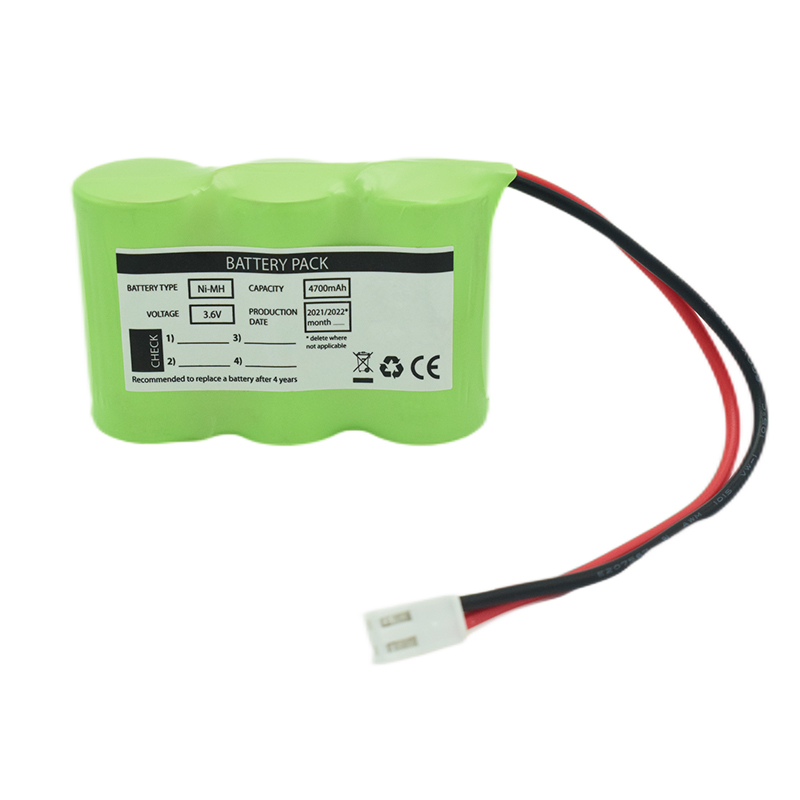 Ni-MH Battery C4700mAh 3.6V
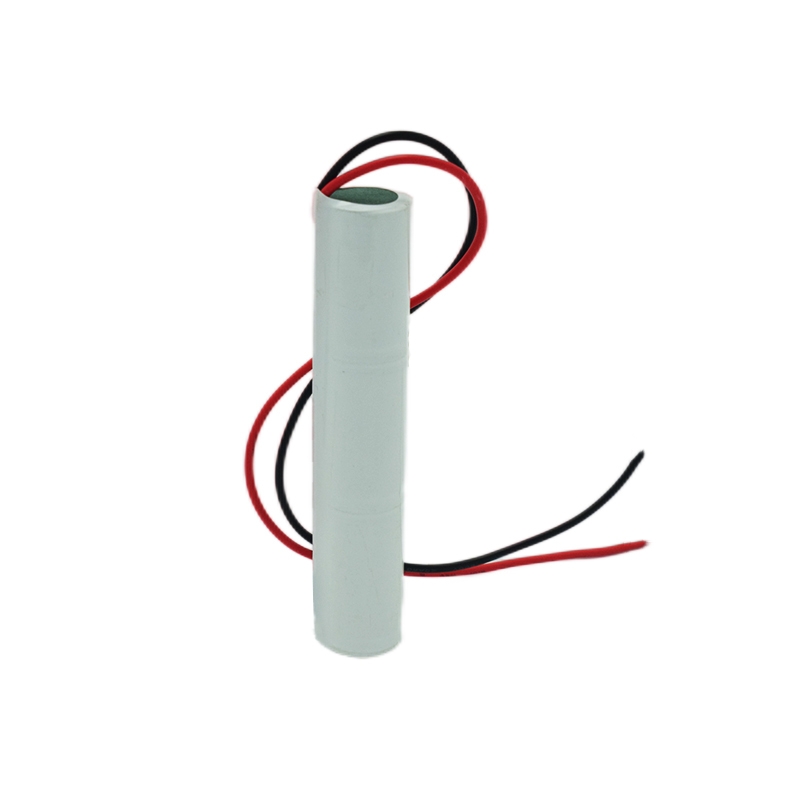 Nickel Cadmium Nicd Battery Pack SC1800mAh 3.6V
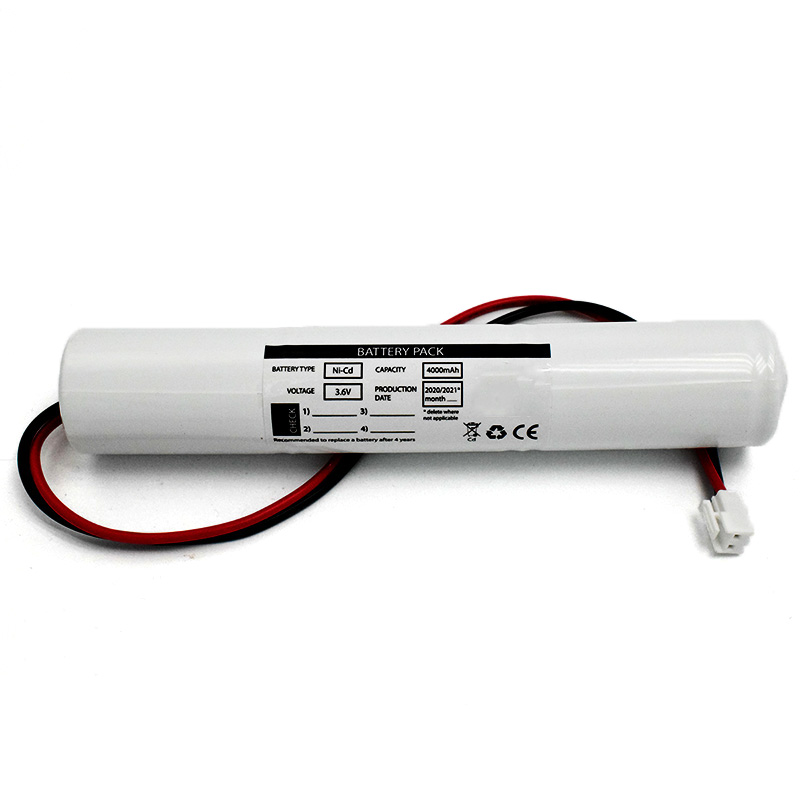 Ni-Cd Battery Pack D4000mAh 3.6V
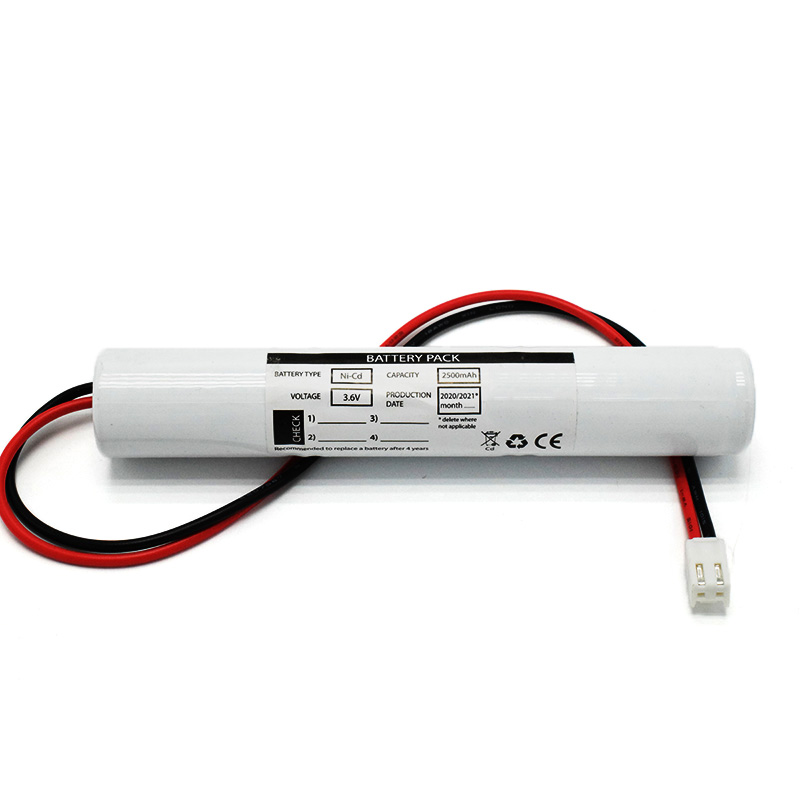 Ni-Cd Battery Pack C2500mAh 3.6V
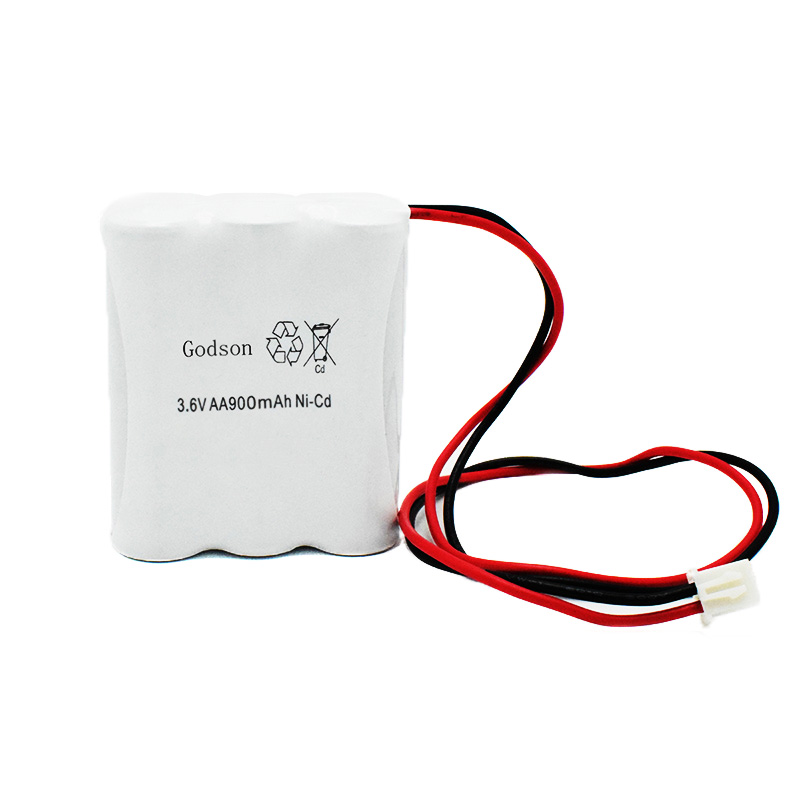 NICAD Battery Pack AA900mAh 3.6V
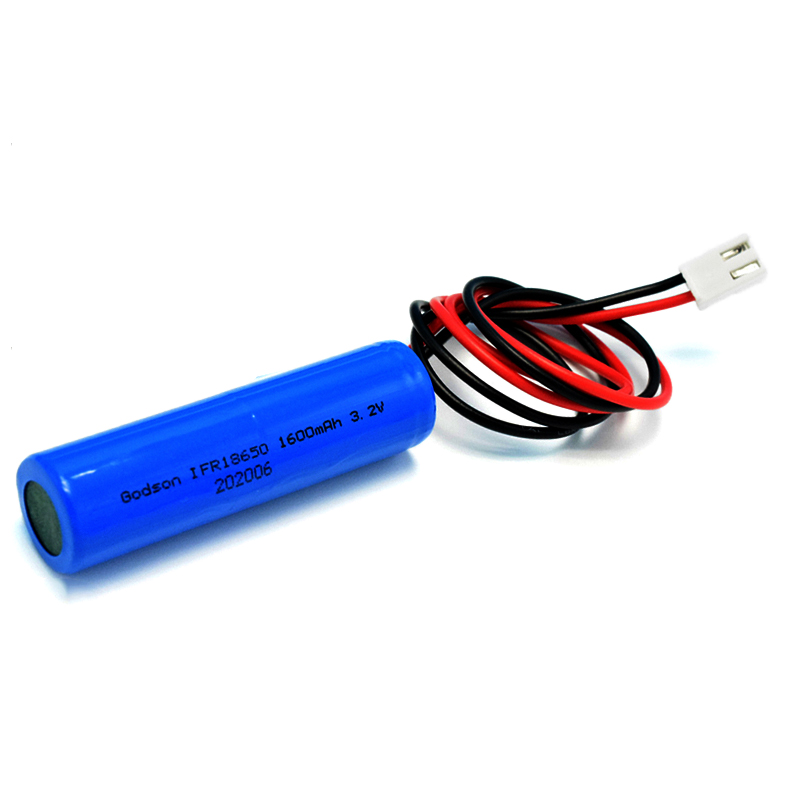 LiFePO4 IFR18650 1600mAh 3.2V
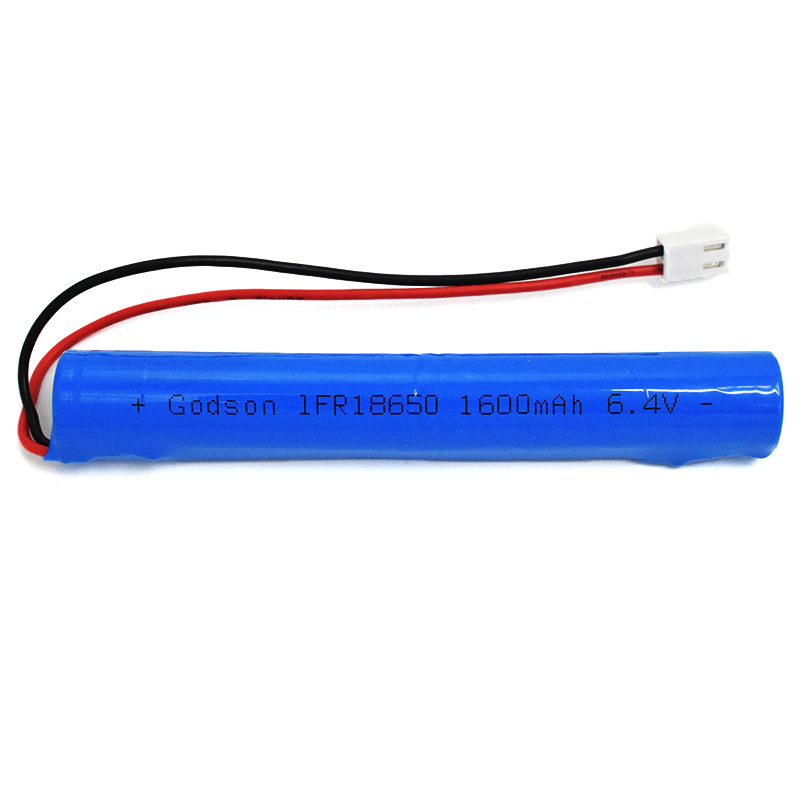 LiFePO4 IFR18650 1600mAh 6.4V
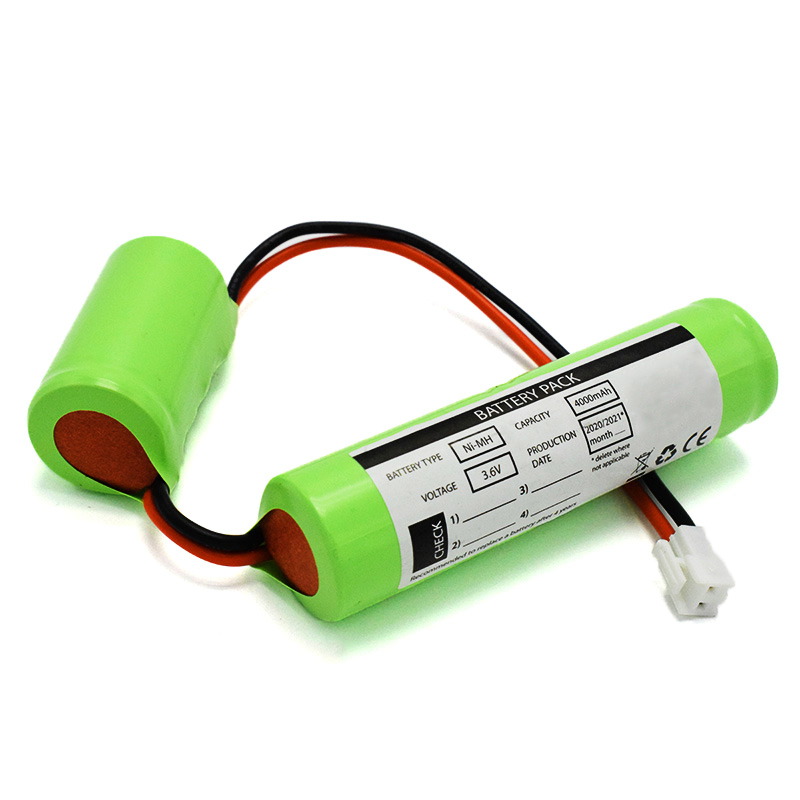 Ni-MH Battery C4000mAh 3.6V
 E-bike Battery 48V 10Ah JL-1
 E-bike battery 48V 10Ah Qing Tian