


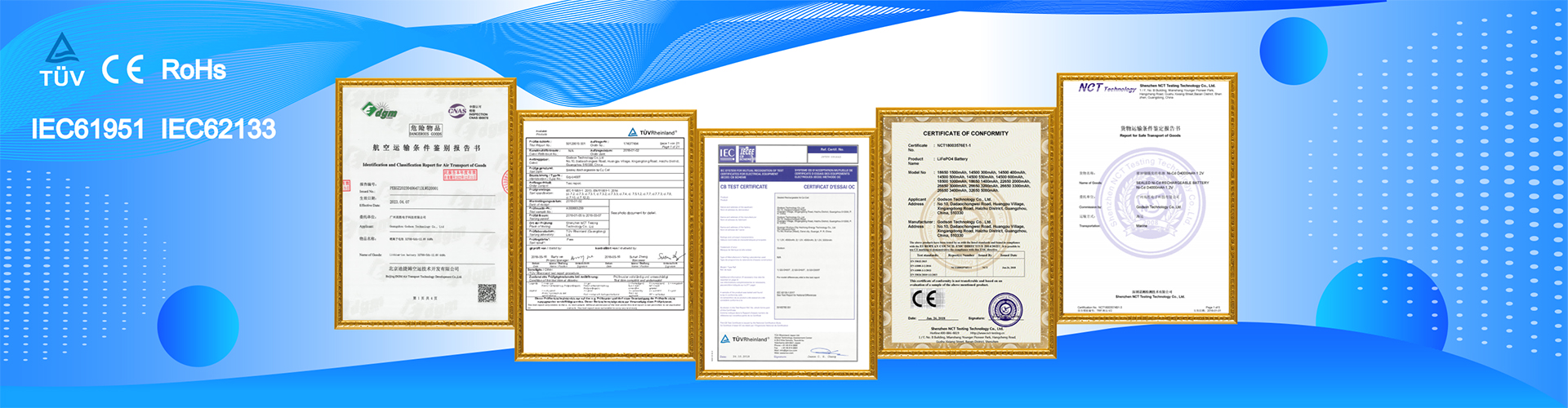


Emergency lighting systems play a critical role in protecting occupants during power failures, fires, and evacuation situations. The reliability of these systems depends heavily on the battery technology used to provide backup power. Among the available options, the Ni-Cd emergency lighting battery (Nickel-Cadmium battery) remains one of the most widely used solutions in commercial, industrial, and public infrastructure.
This article explains the key advantages of Ni-Cd batteries in emergency lighting systems, helping lighting manufacturers, facility managers, and procurement professionals make informed decisions.
Reliability is the most important requirement for emergency lighting. Ni-Cd batteries are known for their stable electrochemical performance and consistent output voltage, ensuring emergency lights activate immediately during power outages.
Key reliability benefits include:
Stable discharge voltage for consistent illumination
Reliable activation after long standby periods
Low risk of sudden failure compared to some newer chemistries
Proven performance over decades of real-world use
This reliability makes Ni-Cd emergency lighting batteries ideal for:
Exit signs
Emergency luminaires
Fire escape lighting
Industrial safety lighting
In safety-critical applications, proven reliability is often preferred over newer but less field-tested technologies.
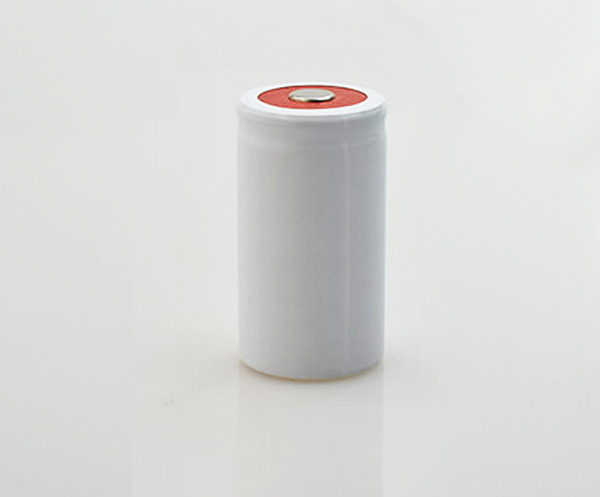
Ni-Cd batteries offer an exceptionally long operational lifespan, often lasting 3–5 years or more, depending on usage conditions and charging systems.
Why Ni-Cd batteries last longer:
High tolerance to repeated charge and discharge cycles
Resistance to deep discharge damage
Durable internal structure
Ability to recover from improper charging conditions
Typical performance characteristics:
500 charge/discharge cycles
Reliable operation in permanently connected standby mode
Lower total replacement frequency
For building owners and facility managers, this translates into lower maintenance costs and reduced downtime.
Emergency lighting systems are often installed in harsh environments, such as:
Industrial plants
Warehouses
Parking garages
Outdoor enclosures
Fire safety systems
Ni-Cd emergency lighting batteries perform reliably in a wide temperature range, typically:
Operating range: –20°C to +60°C
Better cold-temperature performance than many alternatives
Stable performance in high-heat environments
This makes them especially suitable for industrial and outdoor emergency lighting systems where temperature conditions fluctuate.
Emergency lighting batteries spend most of their life in standby mode, waiting for a power outage. Ni-Cd batteries are specifically well-suited for this type of application.
Standby advantages:
Low internal resistance
Reliable charge retention
Consistent readiness even after months without discharge
Strong recovery after extended idle periods
This ensures emergency lighting systems remain ready at all times, which is essential for compliance with building safety regulations.
Ni-Cd emergency lighting batteries support:
Fast recharge after discharge
High current output when emergency lighting activates
Stable voltage during discharge
This is important because emergency lighting systems must:
Reach full brightness immediately
Maintain illumination for required durations (typically 90–180 minutes)
Recharge quickly to remain compliant with safety codes
Fast recovery ensures the system is ready for repeated outages if necessary.
Ni-Cd batteries are more tolerant of charging irregularities and electrical stress compared to many other battery chemistries.
Advantages include:
Better tolerance to continuous trickle charging
Reduced risk of catastrophic failure
Lower sensitivity to improper charging systems
Ability to withstand deep discharge conditions
This durability makes Ni-Cd emergency lighting batteries ideal for systems that remain permanently connected to chargers.
Ni-Cd emergency lighting batteries are available in many configurations, making them suitable for different lighting designs.
Common configurations include:
2.4V, 3.6V, 4.8V, 6V, and higher voltage packs
Various capacities (600mAh to 7000mAh+)
Stick packs, side-by-side packs, and custom assemblies
Compatible connectors and wiring options
OEM manufacturers can easily integrate Ni-Cd battery packs into:
Emergency LED drivers
Exit signs
Emergency conversion kits
Commercial lighting fixtures
Customization allows lighting manufacturers to optimize system performance.
Ni-Cd emergency lighting batteries are widely used in systems designed to meet international safety regulations.
Common compliance standards include:
IEC emergency lighting standards
UL emergency lighting requirements
CE certification
RoHS compliance
Building fire safety regulations
Because Ni-Cd technology has been used for decades, it is well understood and accepted by regulatory authorities worldwide.
While initial cost varies depending on specifications, Ni-Cd batteries offer excellent value over their lifespan.
Cost advantages include:
Long replacement intervals
Low maintenance requirements
Reduced system failure risk
Widely available replacement options
For large facilities with hundreds or thousands of emergency lighting units, long battery life significantly reduces total operating costs.
Ni-Cd batteries are commonly used in:
Commercial buildings
Office buildings
Shopping centers
Hotels
Industrial facilities
Factories
Warehouses
Power plants
Public infrastructure
Airports
Hospitals
Schools
Subway and rail systems
Safety systems
Exit signage
Fire escape lighting
Emergency LED fixtures
Their reliability makes them one of the most trusted solutions globally.
Procurement professionals and lighting manufacturers continue choosing Ni-Cd emergency lighting batteries because they provide:
Proven safety performance
Long operational lifespan
Strong environmental tolerance
Flexible customization options
Global compliance acceptance
Reliable standby performance
These advantages make Ni-Cd batteries one of the most dependable solutions for emergency lighting systems.
The Ni-Cd emergency lighting battery remains a trusted and widely used technology due to its exceptional reliability, long lifespan, temperature resistance, and safety performance. For emergency lighting manufacturers, facility managers, and distributors, Ni-Cd batteries provide a cost-effective and proven solution that ensures lighting systems operate when they are needed most.
As safety regulations continue to require reliable backup power, Ni-Cd batteries will remain a key component in emergency lighting systems worldwide.


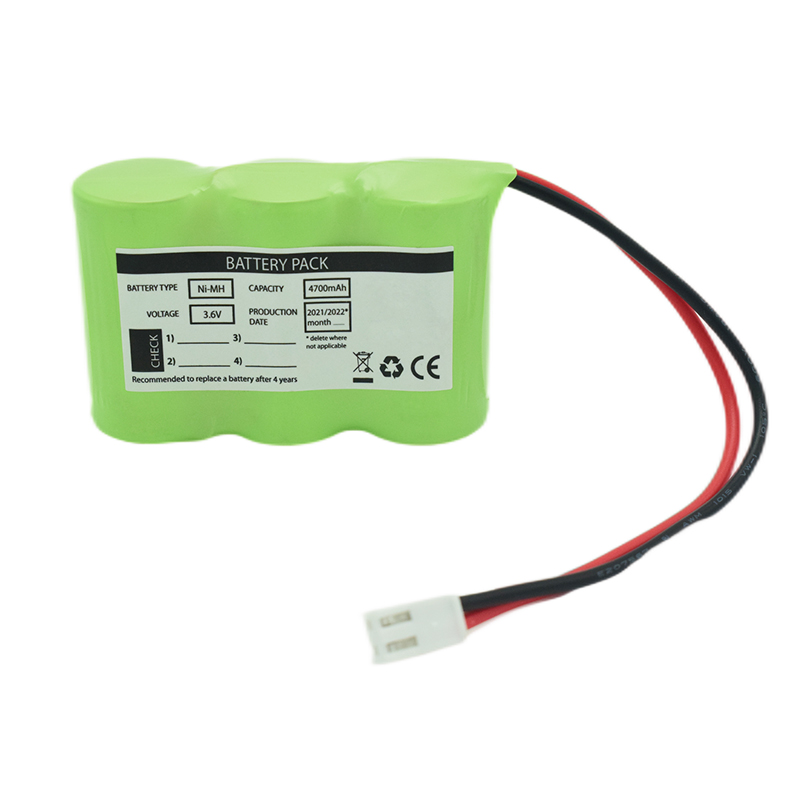 Ni-MH Battery C4700mAh 3.6V
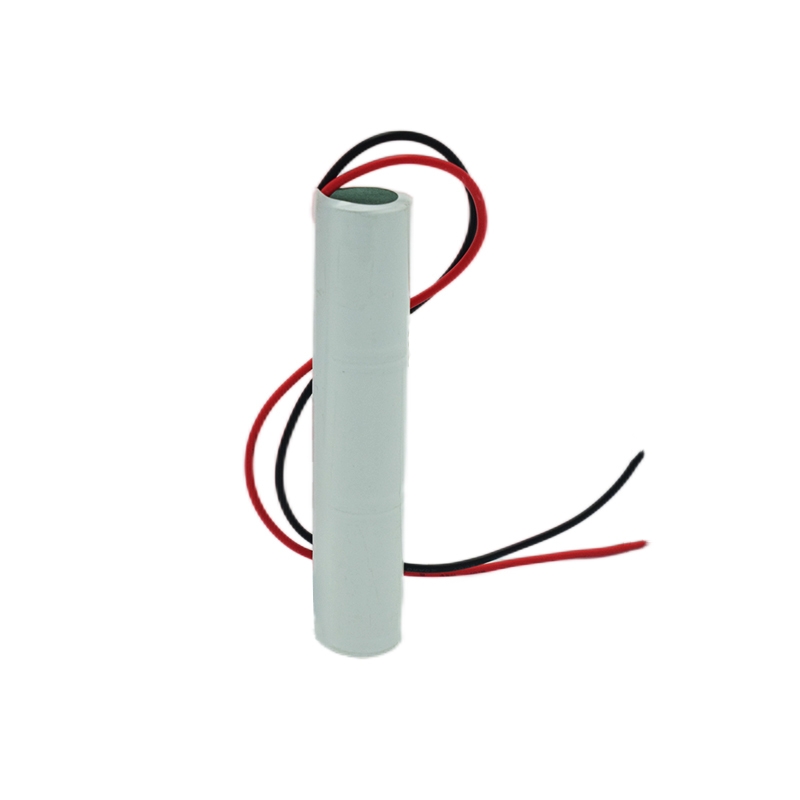 Nickel Cadmium Nicd Battery Pack SC1800mAh 3.6V
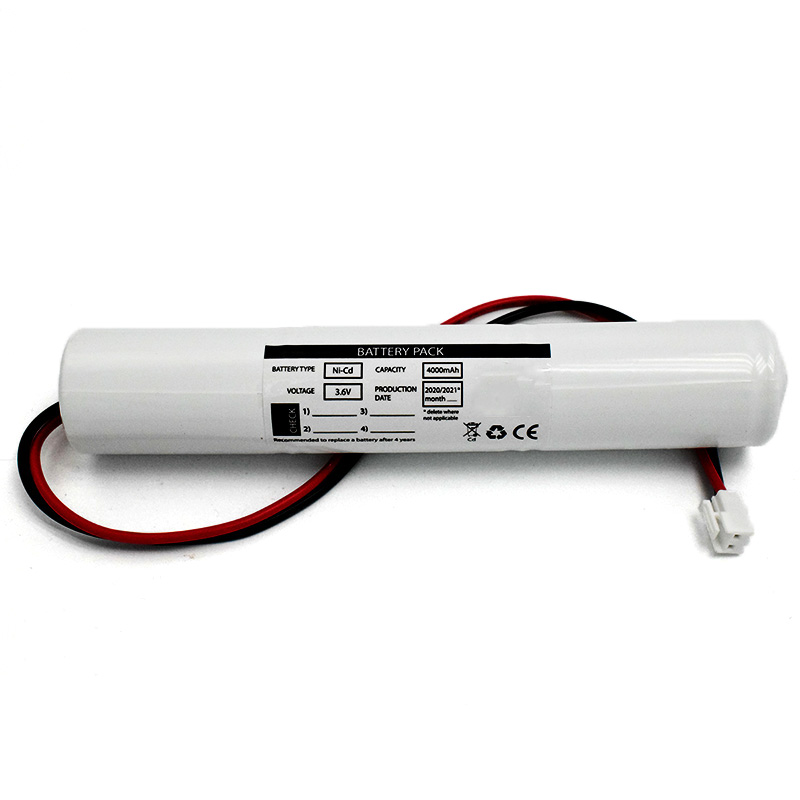 Ni-Cd Battery Pack D4000mAh 3.6V
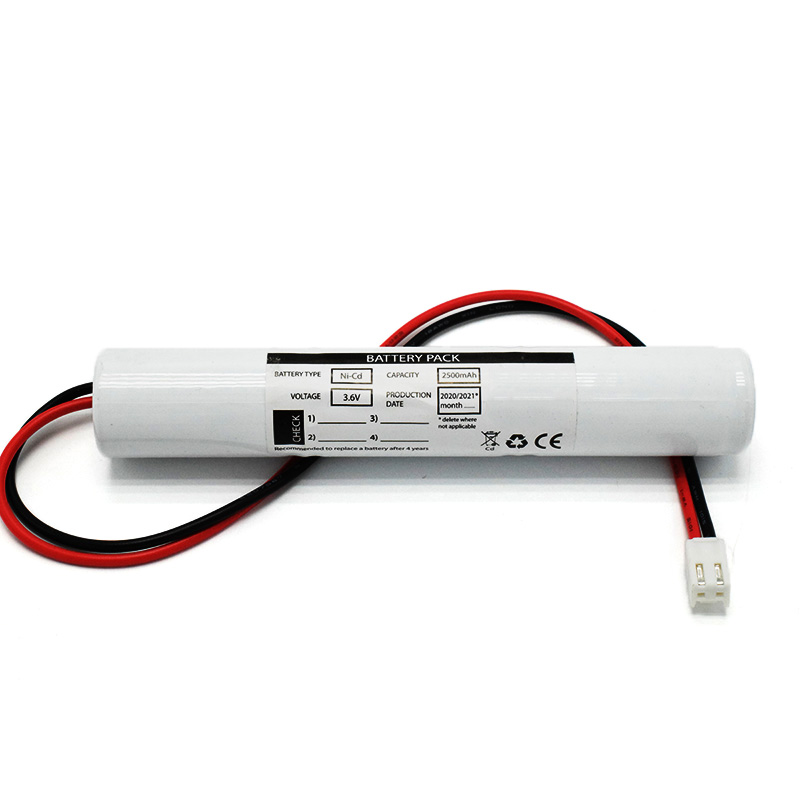 Ni-Cd Battery Pack C2500mAh 3.6V
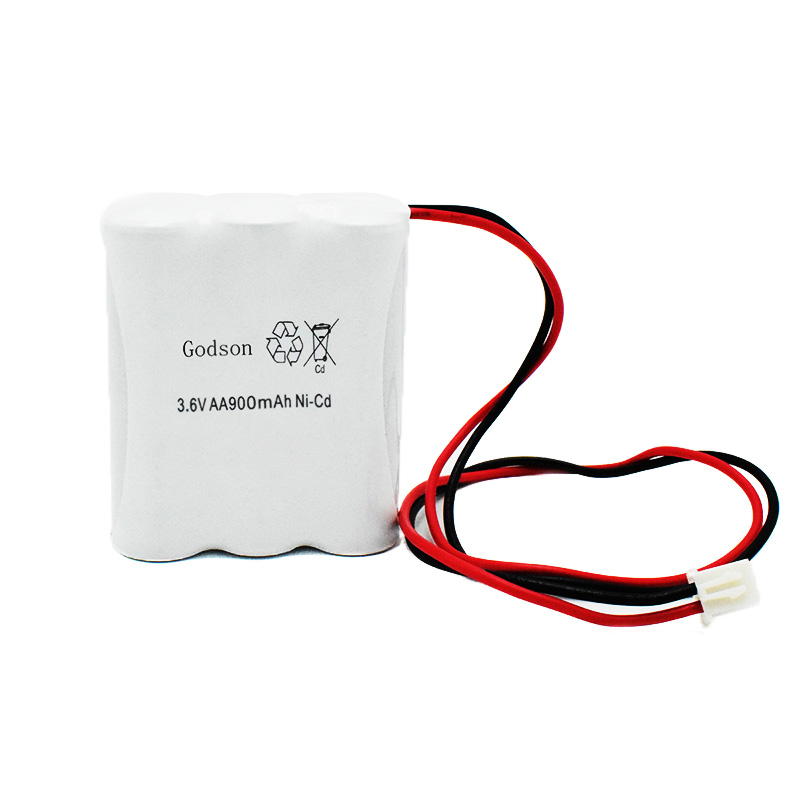 NICAD Battery Pack AA900mAh 3.6V
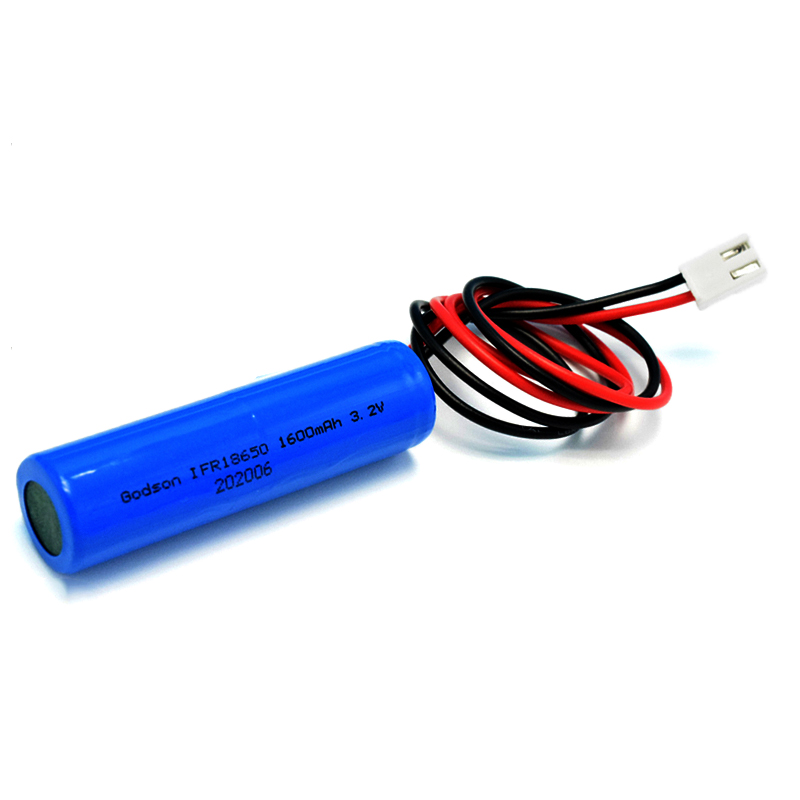 LiFePO4 IFR18650 1600mAh 3.2V
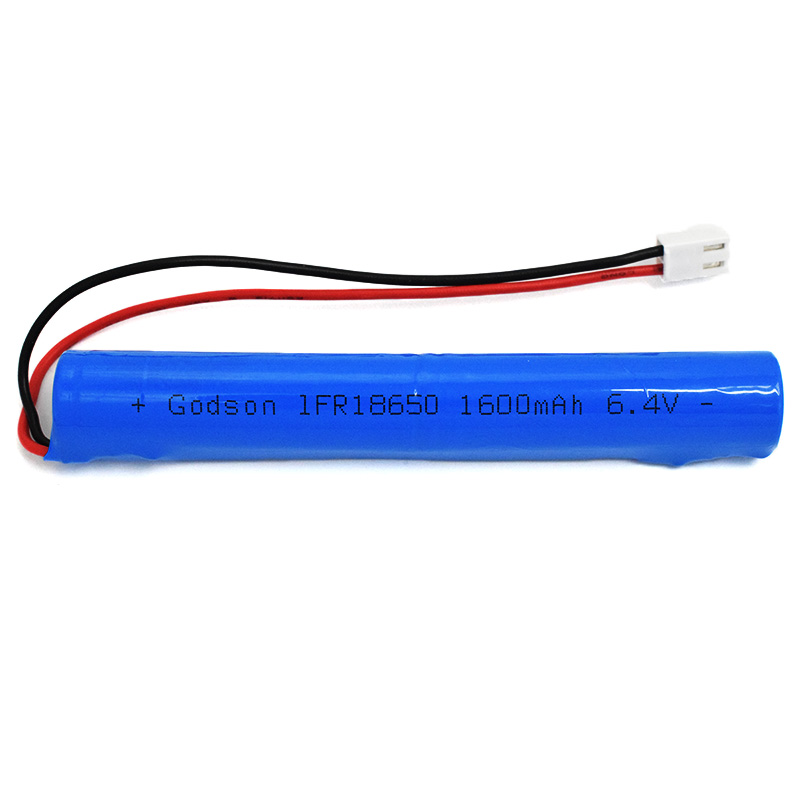 LiFePO4 IFR18650 1600mAh 6.4V
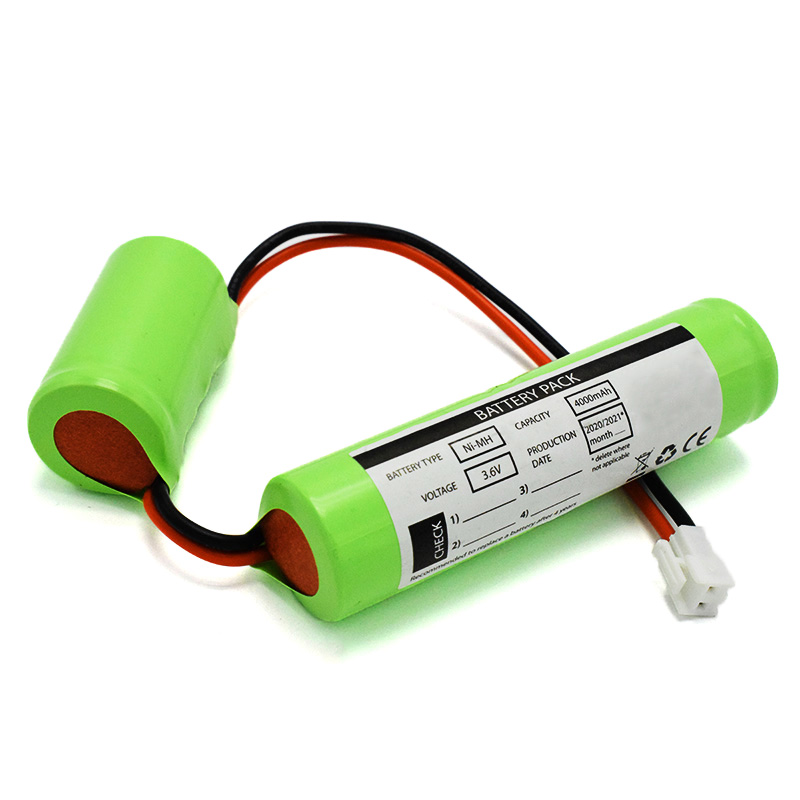 Ni-MH Battery C4000mAh 3.6V
 E-bike Battery 48V 10Ah JL-1
 E-bike battery 48V 10Ah Qing Tian