

Ni-MH emergency lighting batteries (Nickel-Metal Hydride) are widely used in LED emergency luminaires, exit signs, and backup lighting systems due to their high capacity, environmental friendliness, and compact size. However, like all rechargeable batteries, they can fail prematurely if exposed to improper charging, environmental stress, or poor system design.
Understanding the common failure causes of Ni-MH emergency lighting batteries helps lighting manufacturers, facility managers, and procurement professionals extend battery life, reduce maintenance costs, and ensure compliance with safety regulations.
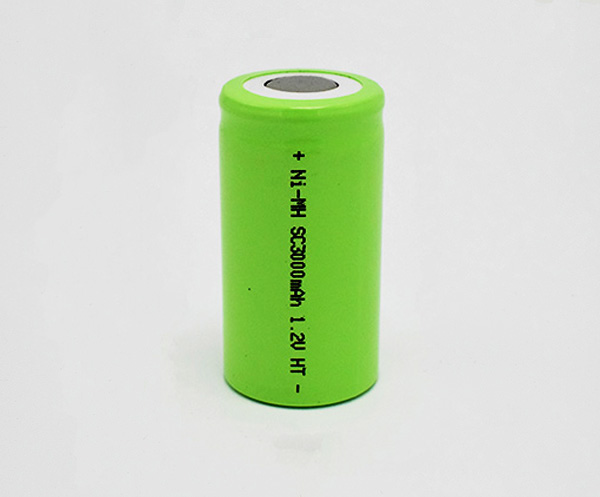
One of the most frequent causes of Ni-MH emergency lighting battery failure is continuous overcharging or incorrect charger design.
Why overcharging causes damage:
Generates excessive internal heat
Causes electrolyte degradation
Increases internal pressure
Accelerates capacity loss
Emergency lighting systems typically keep batteries connected to chargers 24/7. If the charging circuit does not properly regulate voltage and current, the battery may degrade faster.
Prevention:
Use emergency drivers designed specifically for Ni-MH batteries
Ensure proper trickle-charge voltage
Choose batteries with built-in thermal protection when possible
Heat significantly reduces the lifespan of Ni-MH emergency lighting batteries.
Common high-temperature environments:
Ceiling-mounted fixtures near HVAC systems
Industrial facilities
Enclosed luminaires without ventilation
Outdoor emergency lighting enclosures
Effects of heat:
Faster chemical aging
Reduced battery capacity
Increased self-discharge rate
Shortened service life
For every 10°C increase above recommended temperature, battery lifespan can drop significantly.
Prevention:
Install batteries away from heat sources
Ensure proper ventilation inside fixtures
Select high-temperature-rated battery packs
Ni-MH batteries can tolerate discharge, but deep discharge over extended periods can cause permanent damage.
This often occurs when:
Emergency lighting systems are stored without charging
Buildings remain without power for extended periods
Battery packs are disconnected and not maintained
Effects include:
Reduced capacity
Difficulty accepting recharge
Complete battery failure
Prevention:
Recharge batteries as soon as possible after discharge
Perform routine system checks
Avoid long-term storage in discharged condition
All rechargeable batteries gradually lose capacity over time.
Typical Ni-MH emergency lighting battery lifespan:
3 to 5 years under normal conditions
Shorter in high-temperature environments
Longer in controlled indoor environments
Signs of aging include:
Reduced backup lighting duration
Longer charging time
Failure to meet required emergency runtime
This is normal and expected as part of the battery lifecycle.
Low-quality batteries often fail earlier than expected.
Common issues with poor manufacturing:
Inconsistent cell capacity
Weak internal seals
Poor welding connections
Inferior materials
This can result in:
Premature capacity loss
Swelling or leakage
Sudden failure
Prevention:
Purchase from certified manufacturers
Verify compliance certifications (CE, UL, IEC, RoHS)
Request cycle life and performance data
Emergency lighting systems often perform routine testing to ensure compliance. However, excessive or improperly configured testing can shorten battery life.
Frequent deep discharges:
Increase wear on battery cells
Accelerate aging
Reduce overall lifespan
Recommended approach:
Follow local safety testing standards
Avoid unnecessary deep discharge testing
Use automatic test systems designed for Ni-MH batteries
Improper storage is a common cause of failure before installation.
Risk factors include:
High humidity
High temperatures
Long storage without charging
Exposure to direct sunlight
Ni-MH batteries naturally self-discharge over time. If stored too long without recharging, they may become unrecoverable.
Storage recommendations:
Store at 10°C–25°C
Recharge every 6–12 months
Keep in dry environments
Mechanical or electrical problems can also cause battery failure.
Examples include:
Loose connectors
Corroded terminals
Damaged wiring
Incorrect polarity installation
These issues can prevent proper charging or discharge.
Prevention:
Ensure secure connections
Inspect wiring during installation
Use compatible connectors
Using an emergency driver designed for a different battery chemistry (such as Ni-Cd or lithium) may cause improper charging.
This can lead to:
Overcharging
Undercharging
Reduced lifespan
Always match the battery chemistry with the correct charging system.
In industrial environments, vibration or impact can damage battery packs.
This may cause:
Internal cell damage
Broken weld connections
Reduced performance
Use properly secured battery packs in industrial applications.
Ni-MH batteries naturally self-discharge faster than some other chemistries. Aging and heat accelerate this process.
Symptoms include:
Battery appears charged but fails quickly during emergency
Reduced standby reliability
Modern low-self-discharge Ni-MH batteries reduce this risk.
Emergency lighting systems require periodic inspection to ensure readiness.
Without maintenance:
Batteries may fail unnoticed
Backup duration may fall below safety requirements
Routine inspection helps identify problems early.
Warning Signs of Ni-MH Emergency Lighting Battery Failure
Common symptoms include:
Emergency light duration shorter than required
Battery not charging fully
Swelling or deformation
Overheating during charging
Emergency light not activating
Immediate replacement is recommended when these signs appear.
Best practices include:
Use certified, high-quality battery packs
Avoid high-temperature installation locations
Ensure compatible charging systems
Perform regular inspections
Replace batteries every 3–5 years
Store batteries properly before installation
These steps significantly reduce failure risk.
The most common failure causes of Ni-MH emergency lighting batteries include overcharging, high temperatures, deep discharge, aging, poor battery quality, and improper installation. Most failures are preventable through proper system design, correct charging, and regular maintenance.
By selecting reliable Ni-MH battery suppliers and following proper installation and maintenance practices, emergency lighting systems can remain dependable and compliant for many years.


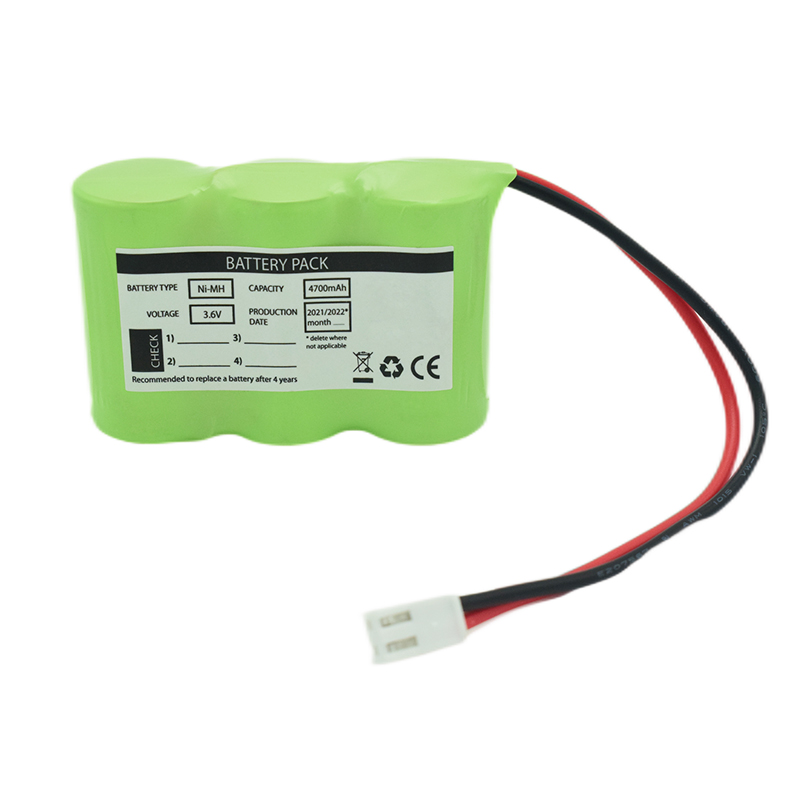 Ni-MH Battery C4700mAh 3.6V
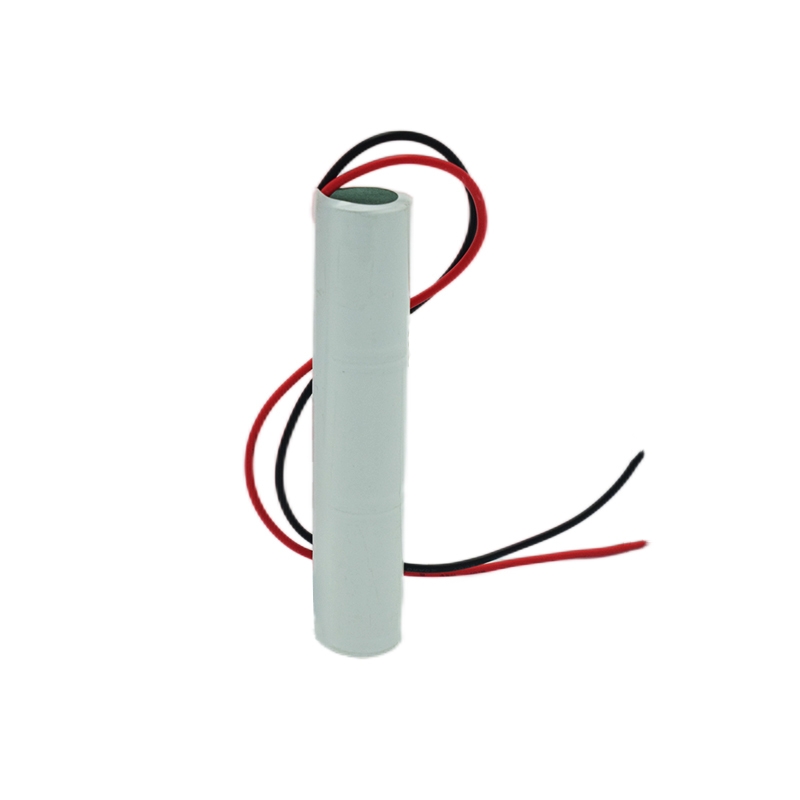 Nickel Cadmium Nicd Battery Pack SC1800mAh 3.6V
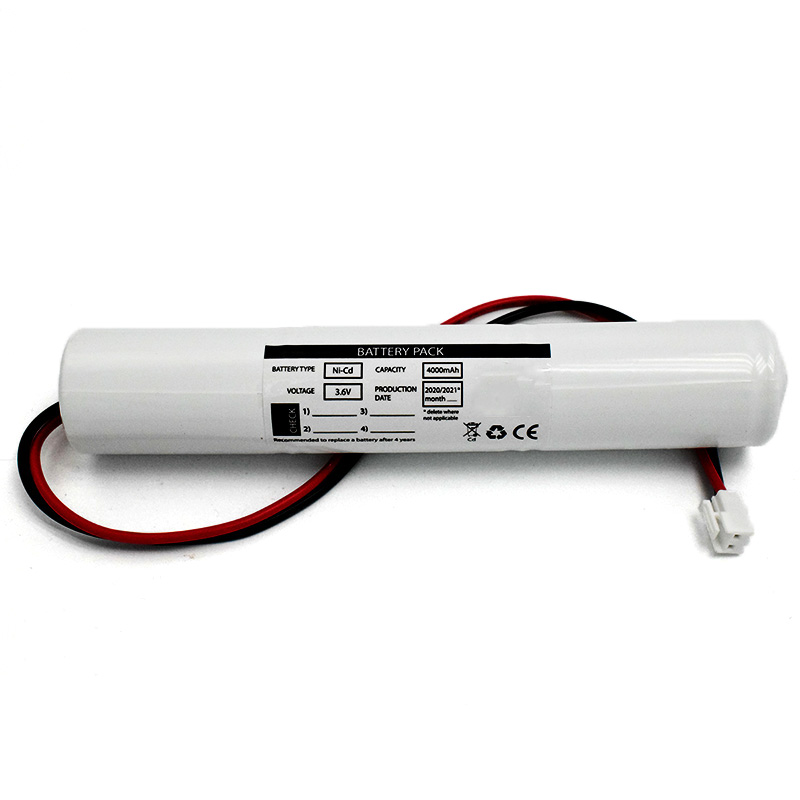 Ni-Cd Battery Pack D4000mAh 3.6V
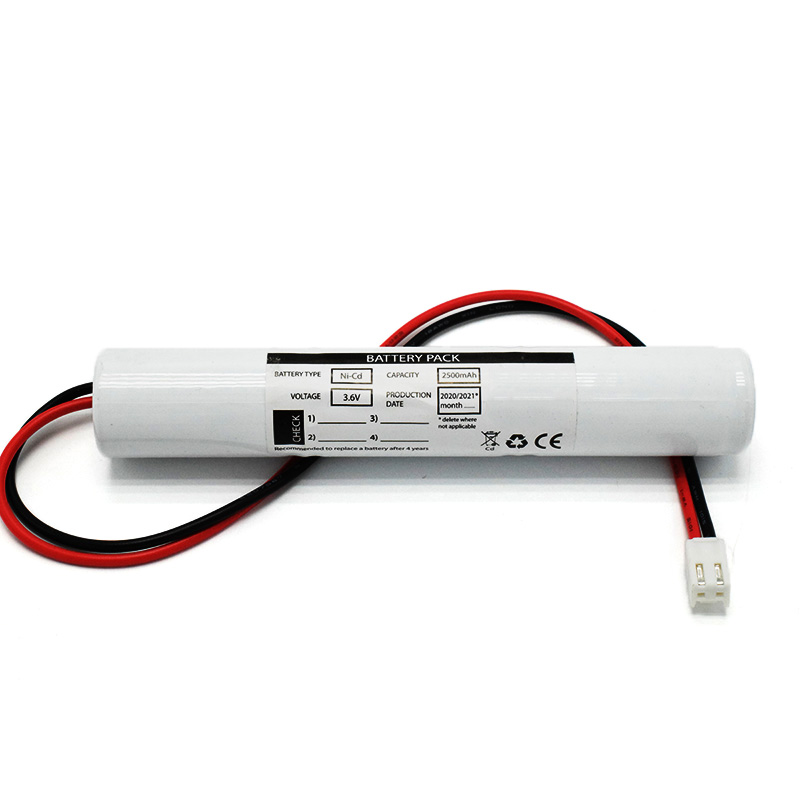 Ni-Cd Battery Pack C2500mAh 3.6V
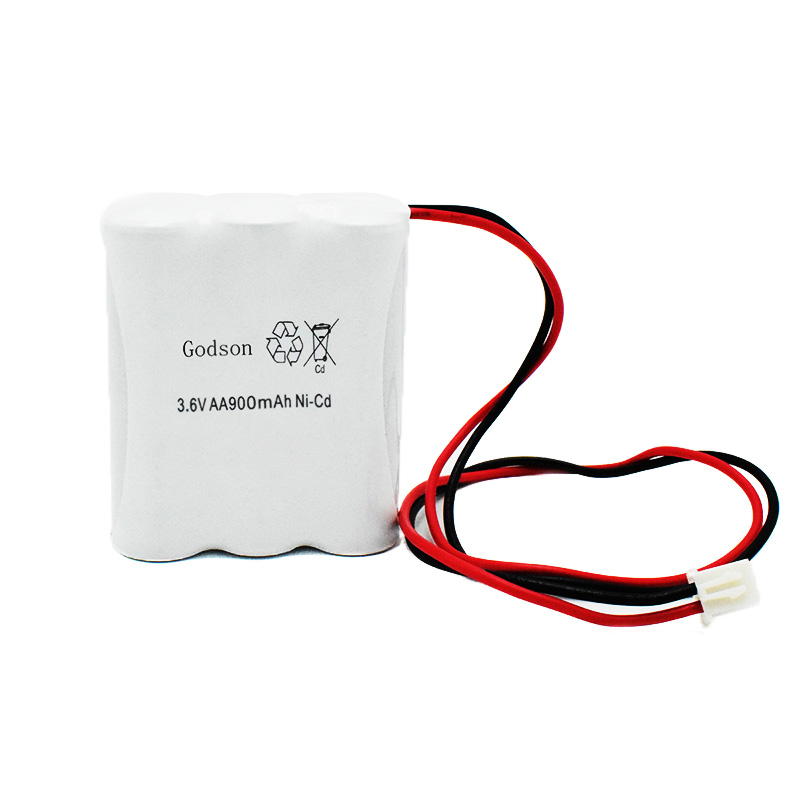 NICAD Battery Pack AA900mAh 3.6V
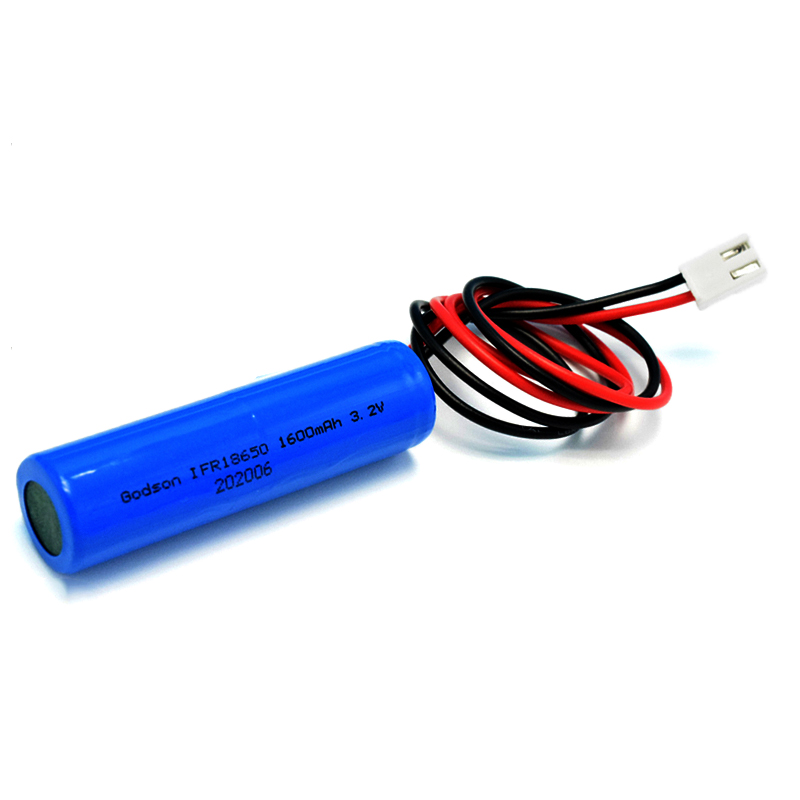 LiFePO4 IFR18650 1600mAh 3.2V
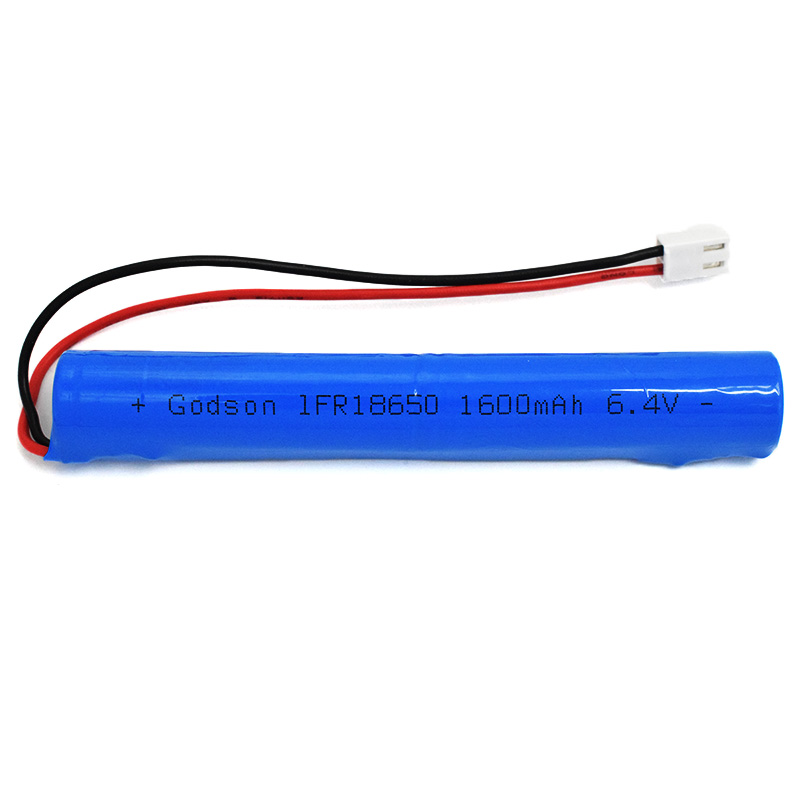 LiFePO4 IFR18650 1600mAh 6.4V
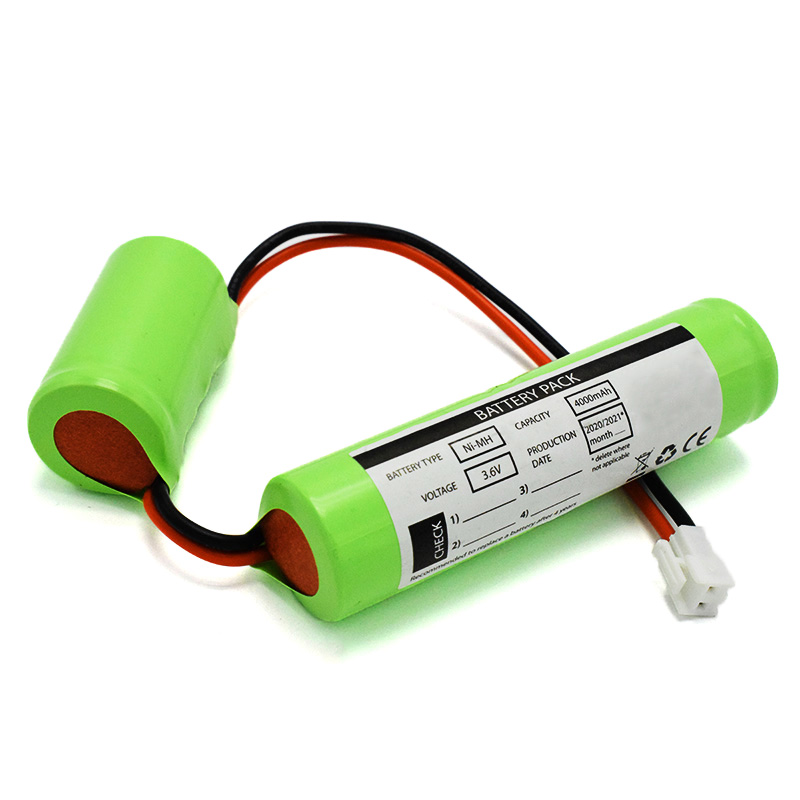 Ni-MH Battery C4000mAh 3.6V
 E-bike Battery 48V 10Ah JL-1
 E-bike battery 48V 10Ah Qing Tian