




Emergency lighting systems play a critical role in commercial buildings, industrial facilities, hospitals, airports, schools, and public infrastructure. While modern battery technologies continue to evolve, Nickel-Cadmium (Ni-Cd) batteries remain one of the most reliable power sources for emergency lighting applications. Beyond reliability and durability, Ni-Cd batteries also offer several environmental advantages when properly managed and recycled.
In this article, we explore the environmental benefits of using Ni-Cd batteries in emergency lighting systems, why they continue to be widely used worldwide, and how businesses can maximize sustainability through proper battery management.
Emergency lighting systems must function instantly during power outages, fires, and emergency evacuations. The battery technology used in these systems must provide:
Long service life
High reliability
Stable performance under extreme temperatures
Low maintenance
Fast recharge capability
Dependable backup power during emergencies
Ni-Cd batteries have proven capable of meeting these demanding requirements for decades, especially in commercial and industrial emergency lighting systems.
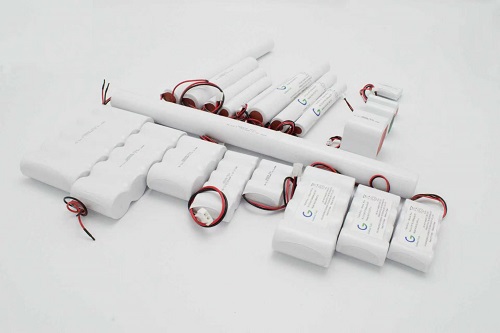
Ni-Cd batteries, or Nickel-Cadmium batteries, are rechargeable batteries that use nickel oxide hydroxide and metallic cadmium as electrodes. They are known for:
Excellent cycle life
Strong discharge performance
Resistance to deep discharge
Wide operating temperature range
Long operational lifespan
Because of these characteristics, Ni-Cd batteries are commonly used in:
Emergency lighting systems
Exit signs
Aviation equipment
Railway systems
Industrial backup power
Fire safety systems
1. Long Service Life Reduces Waste Generation
One of the biggest environmental advantages of Ni-Cd batteries is their exceptionally long lifespan.
Compared with many alternative battery chemistries, Ni-Cd batteries can often operate effectively for:
10 to 20 years in emergency lighting systems
Thousands of charge-discharge cycles
Long-term standby applications
Why This Matters Environmentally
A longer battery lifespan means:
Fewer battery replacements
Reduced manufacturing demand
Lower transportation emissions
Less battery waste entering recycling systems
For large commercial buildings with hundreds of emergency lighting units, reducing replacement frequency can significantly lower environmental impact over time.
2. High Durability Minimizes Resource Consumption
Ni-Cd batteries are extremely durable under harsh operating conditions.
They can withstand:
High temperatures
Cold environments
Deep discharge conditions
Irregular charging cycles
Long standby periods
This durability reduces premature battery failures, which helps conserve raw materials and energy associated with battery production.
Suitable for Demanding Environments
Ni-Cd emergency lighting batteries are widely used in:
Factories
Underground tunnels
Marine applications
Airports
Power plants
Oil and gas facilities
In these challenging environments, battery failure rates are lower compared with less rugged battery chemistries.
3. Efficient Recycling Programs Support Circular Economy
Ni-Cd batteries are among the most recycled battery types globally.
Many countries have established mature recycling systems specifically for nickel-cadmium batteries because:
Nickel materials can be recovered and reused
Cadmium can be safely processed in specialized recycling facilities
Valuable metals are returned to manufacturing supply chains
Closed-Loop Recycling Benefits
Recycling Ni-Cd batteries helps:
Reduce mining activities
Lower raw material extraction
Minimize landfill waste
Support sustainable manufacturing
When handled through certified recycling programs, the environmental footprint of Ni-Cd batteries can be significantly reduced.
4. Reduced Risk of Unexpected System Failure
Emergency lighting systems must operate when lives depend on them.
Ni-Cd batteries offer:
Stable voltage output
Reliable long-term standby performance
Excellent discharge consistency
Reliable batteries reduce the need for emergency maintenance, replacement logistics, and disposal of failed units.
Environmental Impact of Reliability
A dependable battery system means:
Less electronic waste
Lower maintenance transportation emissions
Reduced replacement manufacturing
Fewer discarded components
Operational reliability indirectly contributes to environmental sustainability.
5. Lower Total Lifecycle Environmental Impact
While some battery technologies may appear environmentally friendly initially, total lifecycle impact is what truly matters.
Ni-Cd batteries often outperform alternatives in:
Operational lifespan
Maintenance frequency
Replacement intervals
System reliability
Lifecycle Sustainability
A battery that lasts 15 years may ultimately generate less environmental impact than multiple shorter-life batteries requiring frequent replacement.
Factors contributing to lower lifecycle impact include:
Reduced packaging waste
Lower shipping frequency
Fewer production cycles
Lower maintenance resource consumption
Ni-Cd Batteries Perform Well in Extreme Temperatures
Temperature stability is another important environmental advantage.
Ni-Cd batteries maintain reliable operation in:
High heat environments
Cold storage facilities
Outdoor emergency lighting systems
Industrial facilities with fluctuating temperatures
Because they tolerate extreme conditions well, they require fewer replacements caused by environmental stress.
Ni-Cd vs Lead-Acid Batteries
Compared with traditional lead-acid batteries, Ni-Cd batteries often provide:
Longer lifespan
Better temperature resistance
Faster charging
Lower maintenance requirements
Improved deep discharge recovery
These benefits help reduce total material consumption over time.
Ni-Cd vs Lithium-Ion Batteries
Lithium-ion batteries are increasingly popular, but Ni-Cd batteries still offer advantages in emergency lighting applications:
Better tolerance for overcharging
Superior reliability in standby systems
Strong performance in critical safety infrastructure
Long operational stability
In many industrial safety applications, reliability and longevity remain higher priorities than compact size.
Responsible Recycling Is Essential
Although Ni-Cd batteries offer environmental benefits, proper recycling is extremely important because cadmium is a regulated material.
Best Practices Include:
Using certified recycling companies
Following local battery disposal regulations
Avoiding landfill disposal
Implementing battery collection programs
When responsibly recycled, Ni-Cd batteries can remain part of a sustainable circular economy.
Many industries continue choosing Ni-Cd technology because of its long-term environmental and operational advantages.
Commercial Buildings
Office towers
Shopping centers
Hotels
Hospitals
Industrial Facilities
Manufacturing plants
Warehouses
Mining operations
Chemical processing plants
Public Infrastructure
Airports
Railway stations
Tunnels
Government buildings
These sectors value both sustainability and emergency reliability.
Organizations can further reduce environmental impact by:
Choosing High-Quality Batteries
Premium Ni-Cd batteries generally provide:
Longer operational life
Better charging efficiency
Lower failure rates
Performing Regular Maintenance
Routine inspections help maximize battery lifespan and reduce unnecessary replacements.
Implementing Smart Charging Systems
Advanced charging systems improve:
Energy efficiency
Battery health
Operational lifespan
Using Certified Recycling Partners
Professional recycling ensures environmentally safe material recovery.
Despite emerging battery technologies, Ni-Cd batteries continue to play an important role in emergency lighting systems worldwide.
Their combination of:
Long lifespan
Operational reliability
Extreme temperature tolerance
Mature recycling infrastructure
makes them highly suitable for critical safety applications.
Manufacturers are also improving recycling efficiency and environmental management practices to further enhance sustainability.
Ni-Cd batteries remain a trusted solution for emergency lighting systems because of their exceptional durability, long service life, and dependable performance. From an environmental perspective, their longevity helps reduce waste generation, lower manufacturing demand, and support sustainable recycling programs.
When properly maintained and responsibly recycled, Ni-Cd batteries can offer a lower overall environmental impact across their operational lifecycle compared with many alternative battery technologies.
For businesses seeking reliable emergency lighting backup systems with long-term sustainability benefits, Ni-Cd batteries continue to be a practical and environmentally responsible choice.


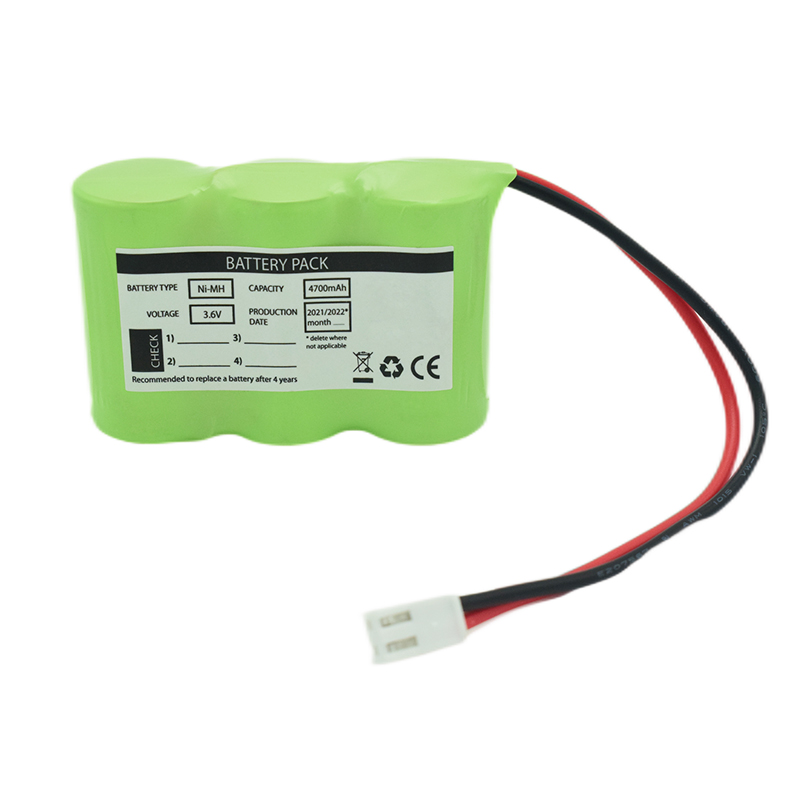 Ni-MH Battery C4700mAh 3.6V
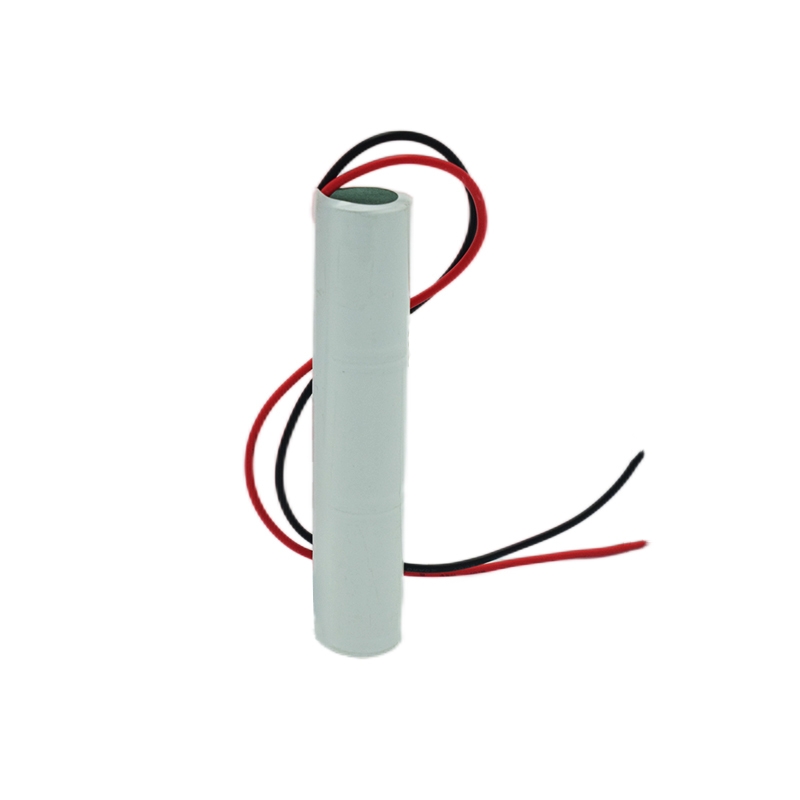 Nickel Cadmium Nicd Battery Pack SC1800mAh 3.6V
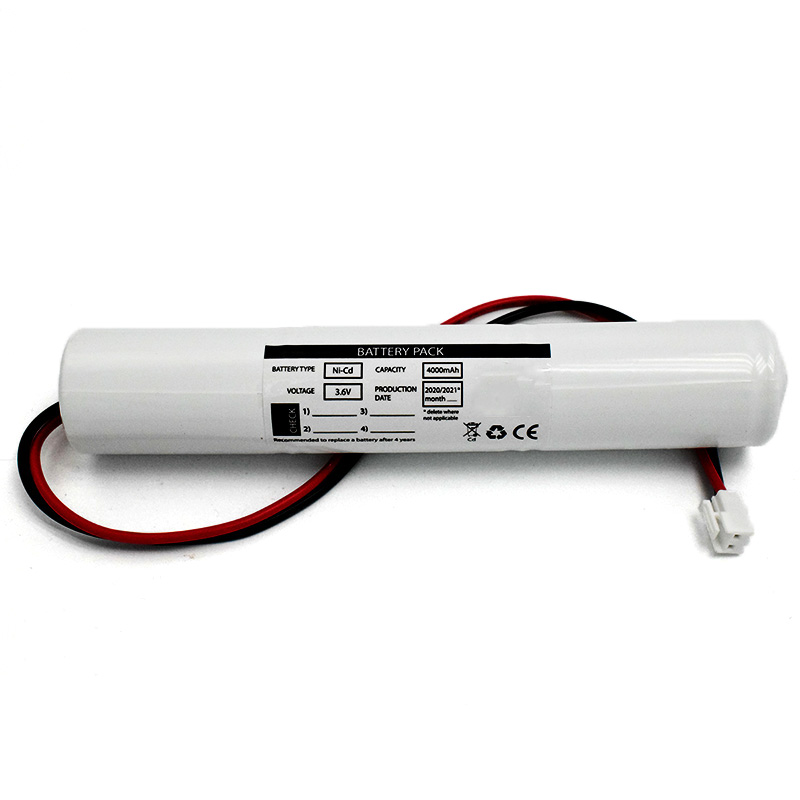 Ni-Cd Battery Pack D4000mAh 3.6V
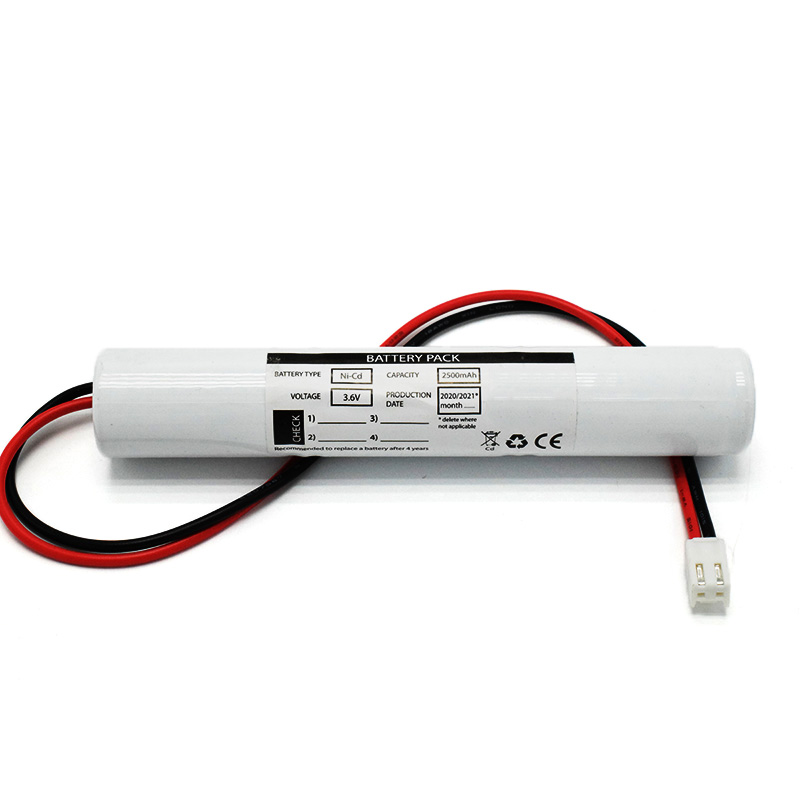 Ni-Cd Battery Pack C2500mAh 3.6V
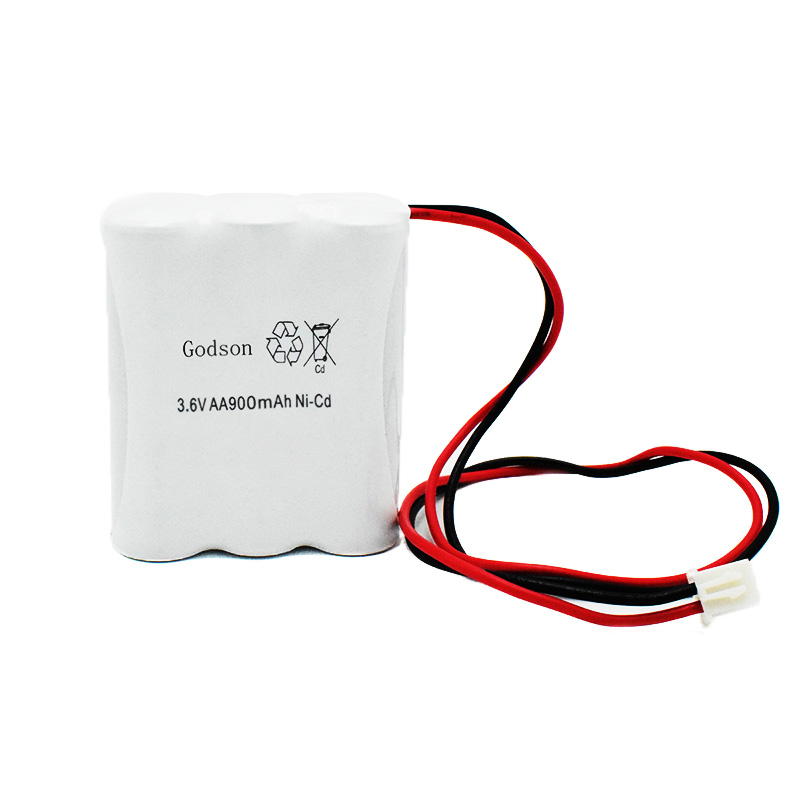 NICAD Battery Pack AA900mAh 3.6V
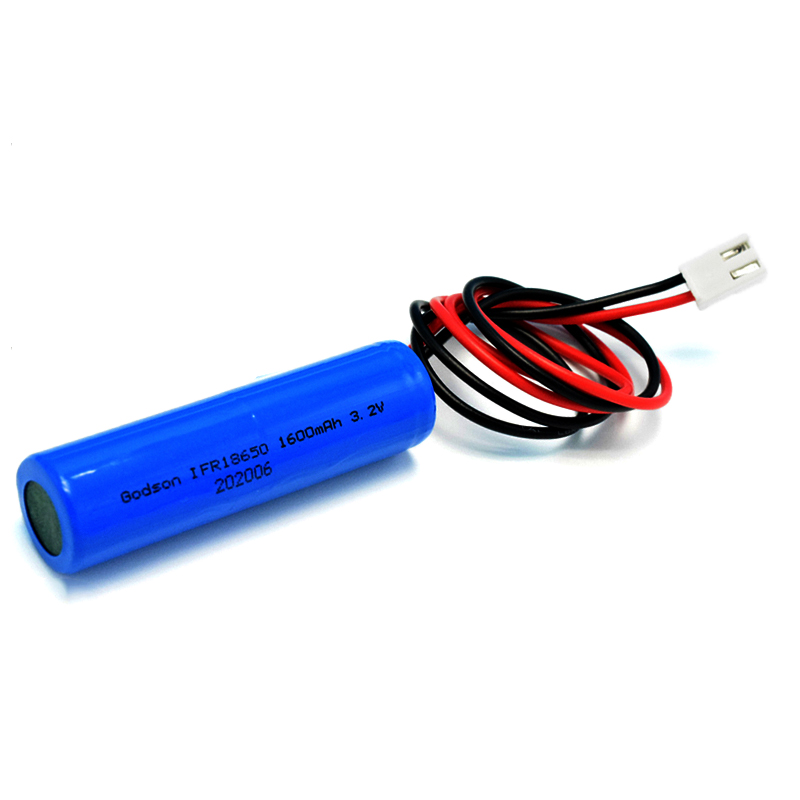 LiFePO4 IFR18650 1600mAh 3.2V
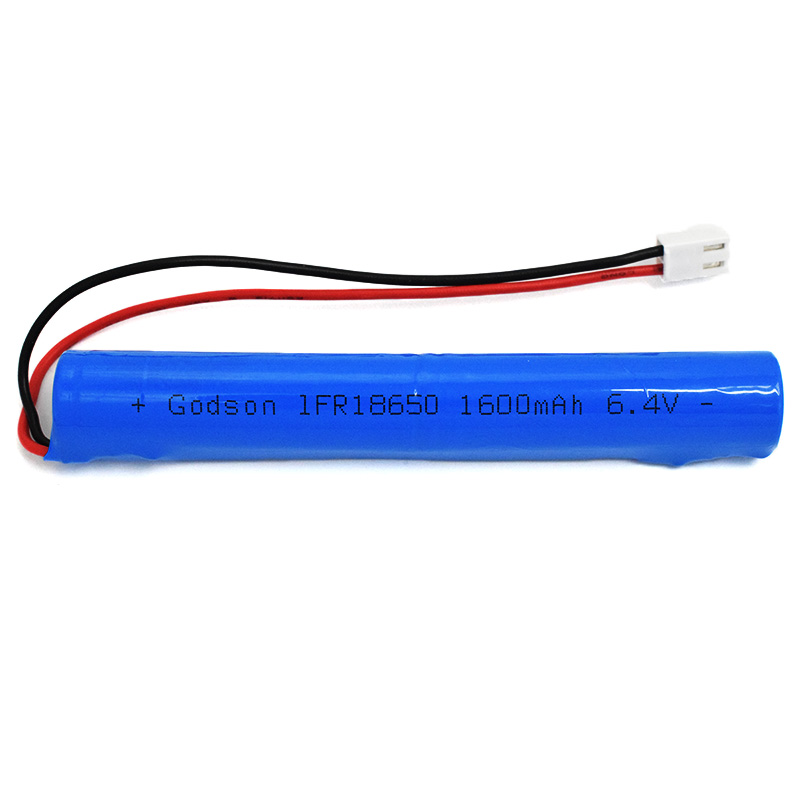 LiFePO4 IFR18650 1600mAh 6.4V
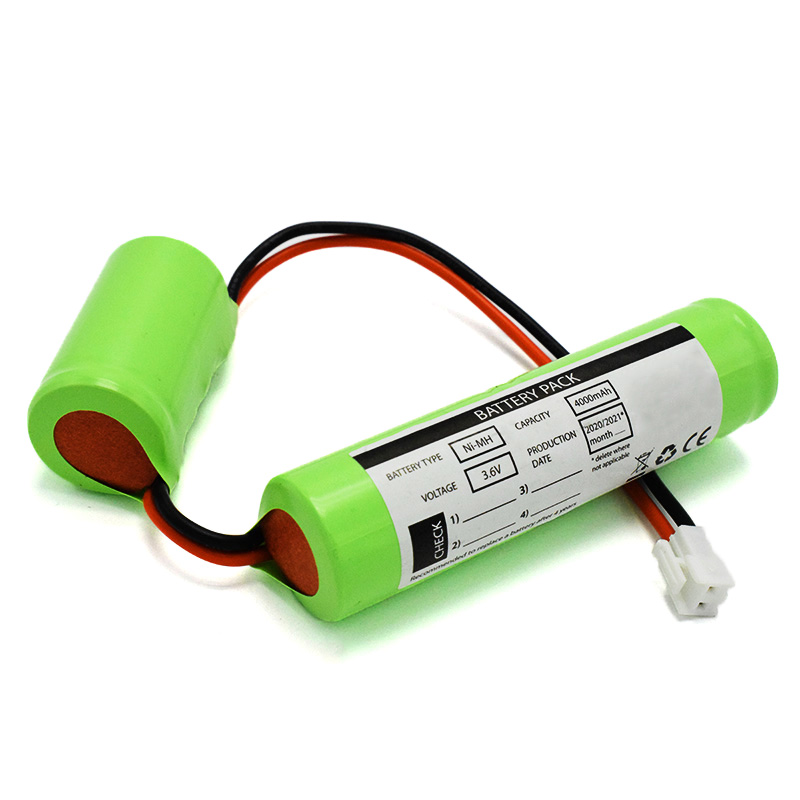 Ni-MH Battery C4000mAh 3.6V
 E-bike Battery 48V 10Ah JL-1
 E-bike battery 48V 10Ah Qing Tian