




Emergency lighting systems are critical safety components in commercial buildings, hospitals, schools, industrial facilities, airports, and public infrastructure. At the heart of these systems, Nickel-Cadmium (Ni-Cd) batteries remain one of the most trusted energy storage solutions due to their durability, reliability, and ability to perform under demanding conditions.
However, temperature is one of the most significant factors that influence the overall performance, service life, and reliability of an Emergency Lighting Ni-Cd Battery.
Understanding how temperature impacts battery operation can help facility managers, OEM manufacturers, electrical contractors, and maintenance professionals maximize system efficiency while ensuring compliance with safety regulations.
In this guide, we will explore the relationship between temperature and Emergency Lighting Ni-Cd battery performance and provide practical recommendations for optimal operation.
Ni-Cd batteries have been a preferred choice for emergency lighting applications for decades because they offer several advantages:
Long operational lifespan
Excellent reliability
Strong resistance to deep discharge
Wide operating temperature range
High tolerance to overcharging
Low maintenance requirements
Fast recovery after power outages
Unlike some battery chemistries that are highly sensitive to environmental conditions, Ni-Cd batteries can continue operating under challenging temperatures. However, extreme temperatures still have measurable effects on performance.
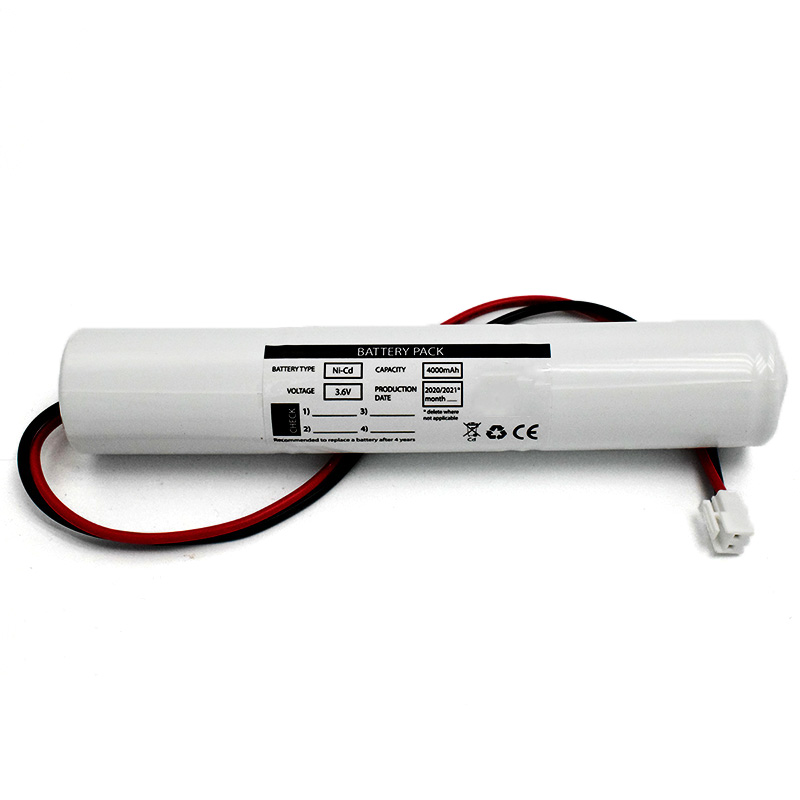
Most emergency lighting Ni-Cd batteries are designed to operate efficiently within a temperature range of:
20°C to 25°C (68°F to 77°F)
This range provides:
Maximum battery capacity
Stable charging efficiency
Longer service life
Reliable emergency backup duration
Manufacturers typically use 20°C as the reference temperature when rating battery capacity.
Any deviation from this temperature can affect battery behavior.
1. Reduced Available Capacity
As temperatures decrease, chemical reactions inside the battery slow down.
At lower temperatures:
Internal resistance increases
Voltage drops faster
Available energy decreases
Backup runtime shortens
For example:
At 0°C, a Ni-Cd battery may only deliver 75-85% of its rated capacity.
At -20°C, available capacity may drop to 50-70%.
This reduction can cause emergency lighting systems to fail to meet required illumination durations.
2. Slower Charging Efficiency
Cold temperatures reduce the battery's ability to accept charge efficiently.
Potential issues include:
Extended charging times
Incomplete charging cycles
Lower energy storage
Repeated operation under cold conditions can compromise emergency preparedness.
3. Increased Internal Resistance
Low temperatures increase battery resistance, which may result in:
Voltage instability
Reduced power output
Poor startup performance
Large emergency lighting installations may experience inconsistent performance during power outages.
4. Delayed Chemical Reactions
The electrochemical process inside Ni-Cd batteries becomes sluggish in colder environments, causing:
Reduced discharge efficiency
Lower output current
Decreased emergency operating duration
This is particularly important for outdoor installations.
While high temperatures may temporarily improve capacity, they significantly accelerate battery aging.
1. Shortened Battery Lifespan
Elevated temperatures accelerate internal chemical degradation.
Industry estimates suggest:
Every 10°C increase above 25°C can reduce battery lifespan by approximately 20% to 50%.
Excessive heat may lead to:
Electrode deterioration
Electrolyte degradation
Separator damage
A battery expected to last 10 years may only last 5 to 7 years in consistently hot environments.
2. Increased Self-Discharge Rate
Ni-Cd batteries naturally self-discharge over time.
Higher temperatures accelerate this process.
Consequences include:
Reduced stored energy
Lower emergency readiness
More frequent charging cycles
If batteries remain unused for extended periods, performance can decline significantly.
3. Overcharging Risks
Heat can interfere with charging control systems.
Potential risks include:
Thermal stress
Excessive gas generation
Water loss
Internal pressure buildup
Although Ni-Cd batteries are relatively tolerant to overcharging, prolonged exposure can still damage battery components.
4. Accelerated Corrosion
High temperatures speed up corrosion inside battery cells.
This can result in:
Reduced conductivity
Lower charging efficiency
Premature battery failure
Regular inspection becomes increasingly important in warm environments.
Performance Comparison at Different Temperatures
Below 0°C
Effects:
Reduced capacity
Slower charging
Increased resistance
Shorter backup duration
Recommended use:
Install insulation or temperature control systems.
20°C to 25°C
Effects:
Optimal performance
Maximum capacity
Longest lifespan
Recommended use:
Ideal operating environment.
30°C to 40°C
Effects:
Slightly improved immediate capacity
Faster aging process
Recommended use:
Increase ventilation and monitoring.
Above 40°C
Effects:
Significant lifespan reduction
Increased self-discharge
Higher risk of battery failure
Recommended use:
Avoid prolonged exposure and implement cooling measures.
Commercial Buildings
Common issues:
Equipment rooms without ventilation
Ceiling-mounted emergency fixtures exposed to heat
Solutions:
Improve airflow
Perform regular battery inspections
Industrial Facilities
Common issues:
High ambient temperatures
Machinery-generated heat
Solutions:
Use heat-resistant battery enclosures
Install temperature monitoring systems
Outdoor Emergency Lighting
Common issues:
Extreme temperature fluctuations
Direct sunlight exposure
Solutions:
Use weatherproof housings
Add thermal insulation
Parking Garages and Tunnels
Common issues:
High humidity
Seasonal temperature changes
Solutions:
Schedule more frequent maintenance checks
Best Practices for Maximizing Emergency Lighting Ni-Cd Battery Performance
Install Batteries in Temperature-Controlled Environments
Whenever possible:
Maintain ambient temperatures between 20°C and 25°C
Avoid direct heat sources
Ensure proper ventilation
Perform Routine Battery Testing
Regular inspections should include:
Capacity testing
Voltage measurement
Backup duration verification
Visual inspection
Routine testing helps identify temperature-related degradation early.
Monitor Charging Systems
Ensure chargers provide:
Proper float charging
Temperature compensation
Overcharge protection
Advanced charging systems improve battery longevity.
Use High-Quality Battery Components
Choose manufacturers that offer:
Certified Emergency Lighting Ni-Cd Batteries
High-temperature resistant designs
International safety certifications
Stable performance under varying environments
Quality batteries provide more reliable emergency protection.
Replace Aging Batteries Proactively
Do not wait for complete battery failure.
Signs of replacement include:
Reduced emergency runtime
Longer charging times
Excessive heat generation
Physical deformation
Proactive replacement minimizes safety risks.
Despite emerging battery technologies, Ni-Cd batteries continue to dominate many emergency lighting applications because they offer:
Exceptional Reliability
Ni-Cd batteries can withstand harsh conditions and frequent discharge cycles.
Wide Temperature Tolerance
They perform better than many alternatives in extreme environments.
Long Service Life
Properly maintained systems can operate reliably for many years.
Proven Safety Record
Ni-Cd technology has decades of successful deployment worldwide.
These advantages make them ideal for mission-critical emergency systems.
Temperature has a direct impact on Emergency Lighting Ni-Cd Battery performance, efficiency, and lifespan. Low temperatures reduce capacity and charging efficiency, while high temperatures accelerate aging and shorten service life.
Maintaining batteries within the optimal temperature range of 20°C to 25°C can significantly improve reliability and reduce long-term operating costs.
For building owners, facility managers, and emergency lighting manufacturers, proper temperature management is an essential part of ensuring emergency systems remain operational when they are needed most.
Investing in high-quality Emergency Lighting Ni-Cd Batteries, implementing routine maintenance, and controlling environmental conditions will help maximize system safety, compliance, and long-term performance.


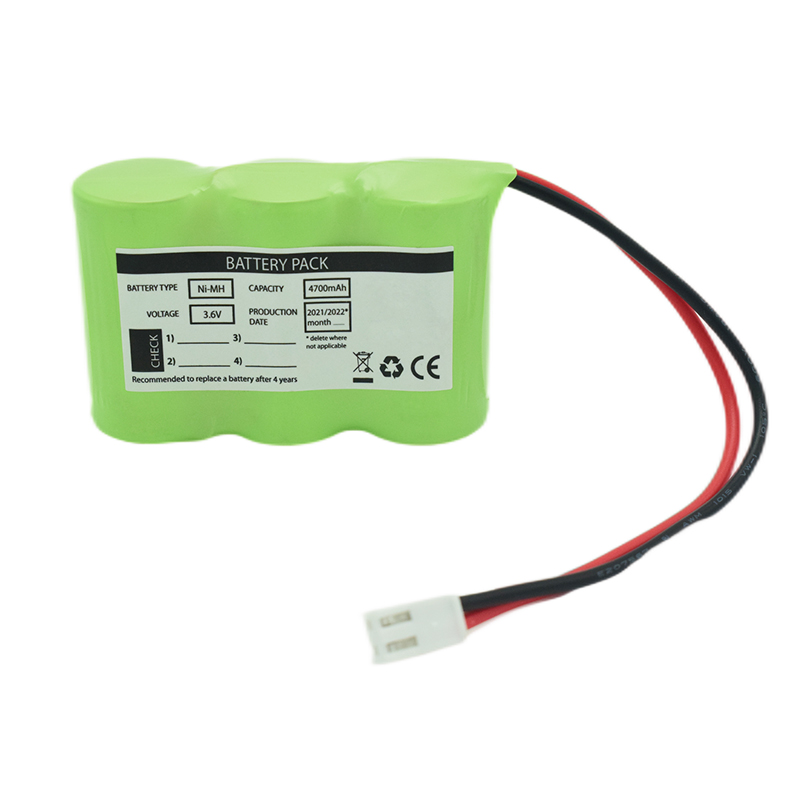 Ni-MH Battery C4700mAh 3.6V
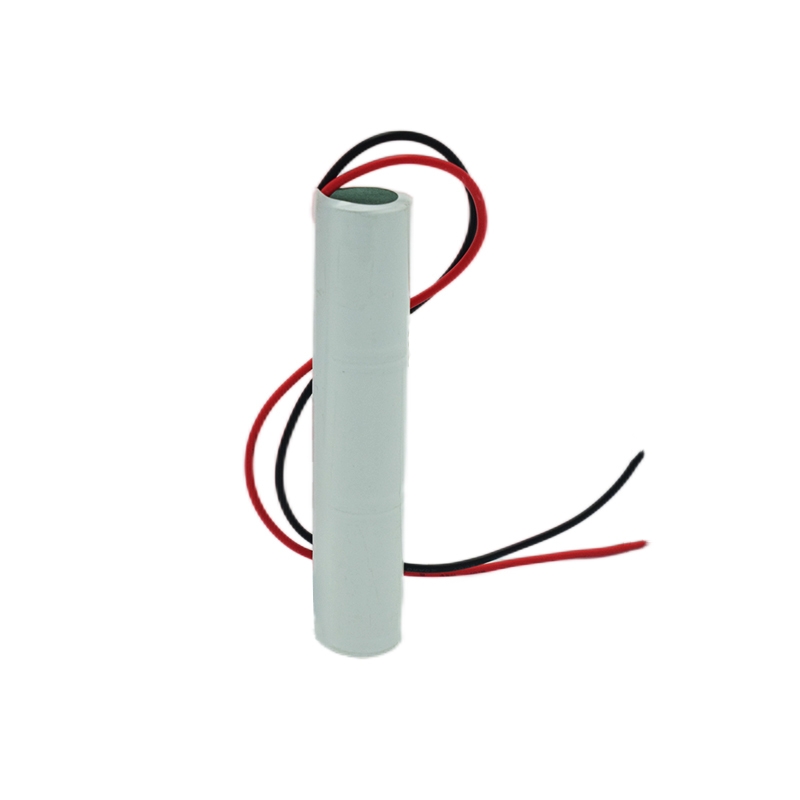 Nickel Cadmium Nicd Battery Pack SC1800mAh 3.6V
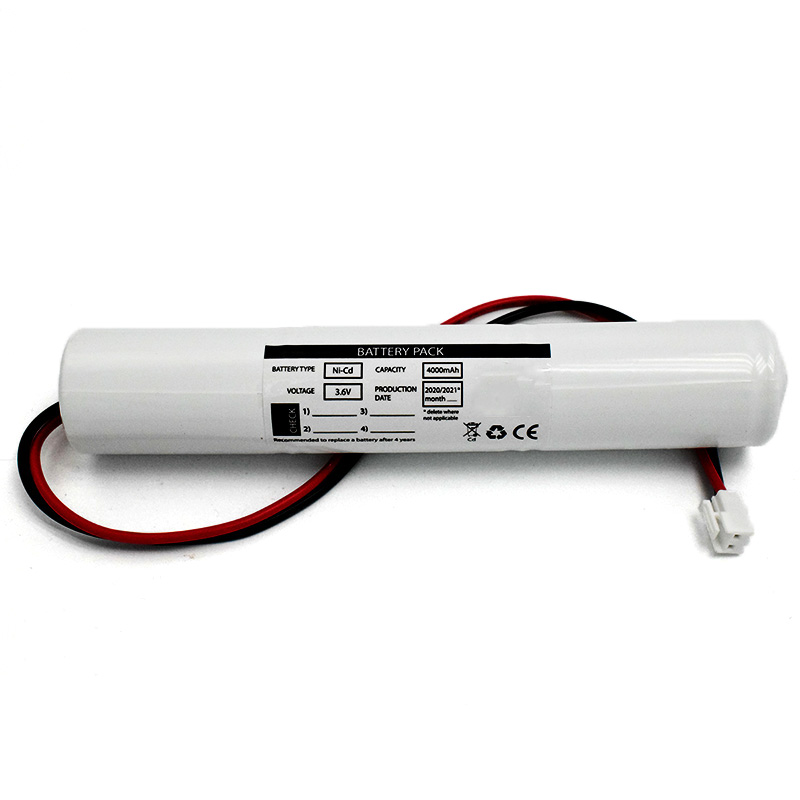 Ni-Cd Battery Pack D4000mAh 3.6V
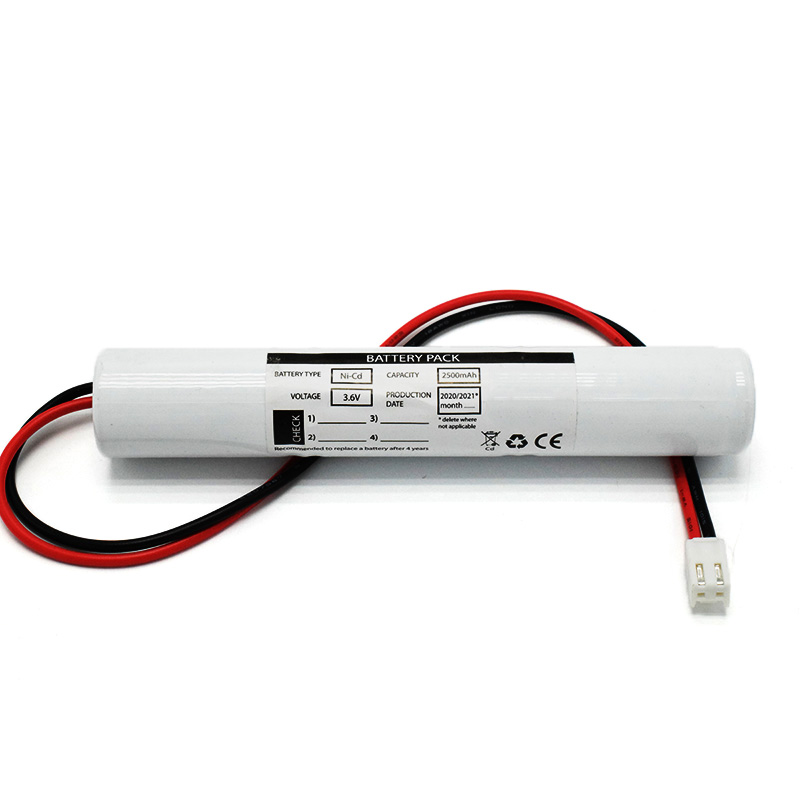 Ni-Cd Battery Pack C2500mAh 3.6V
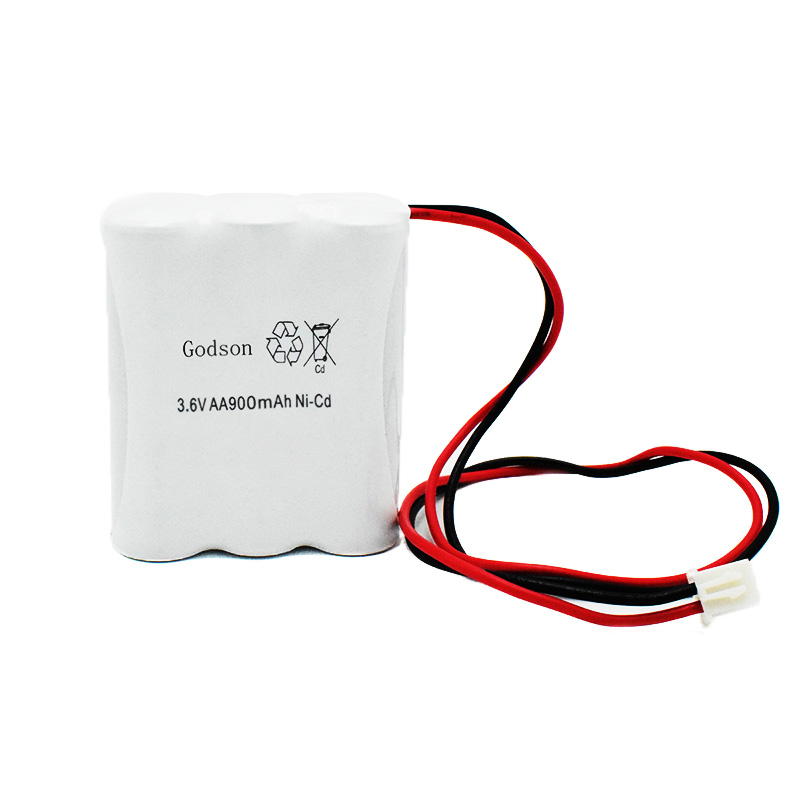 NICAD Battery Pack AA900mAh 3.6V
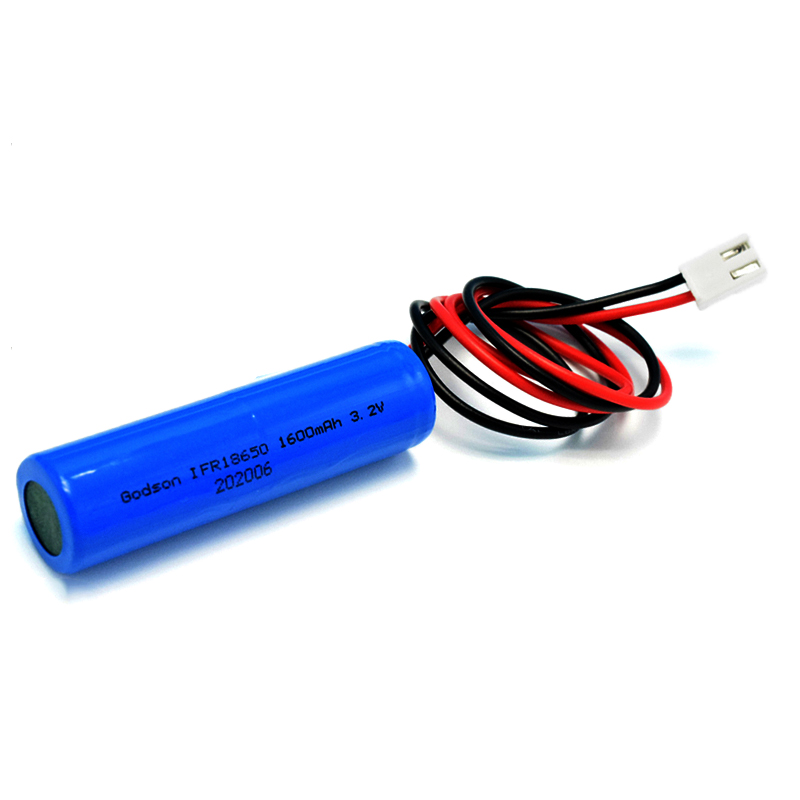 LiFePO4 IFR18650 1600mAh 3.2V
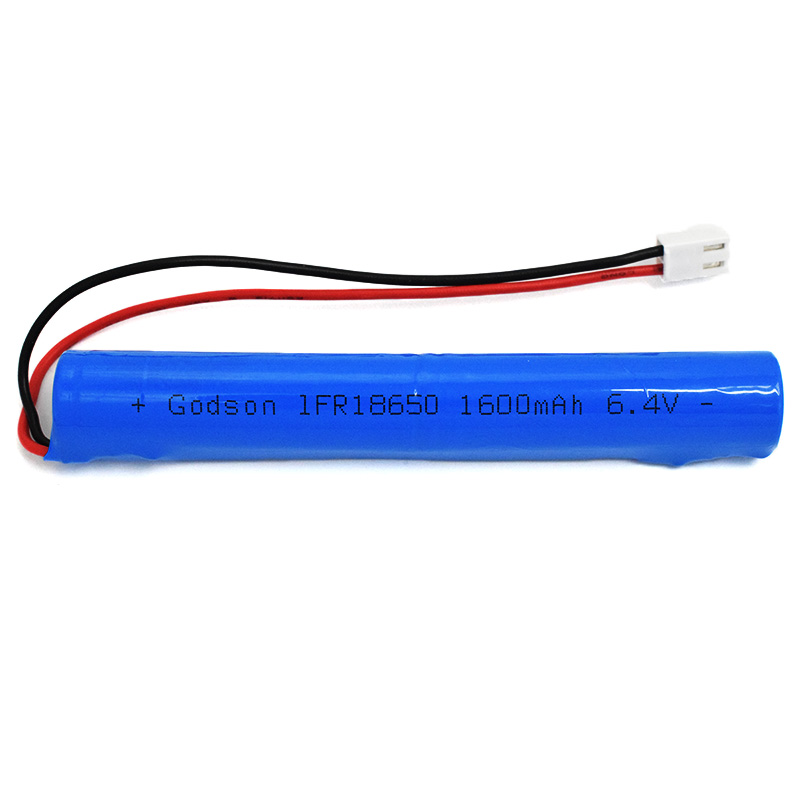 LiFePO4 IFR18650 1600mAh 6.4V
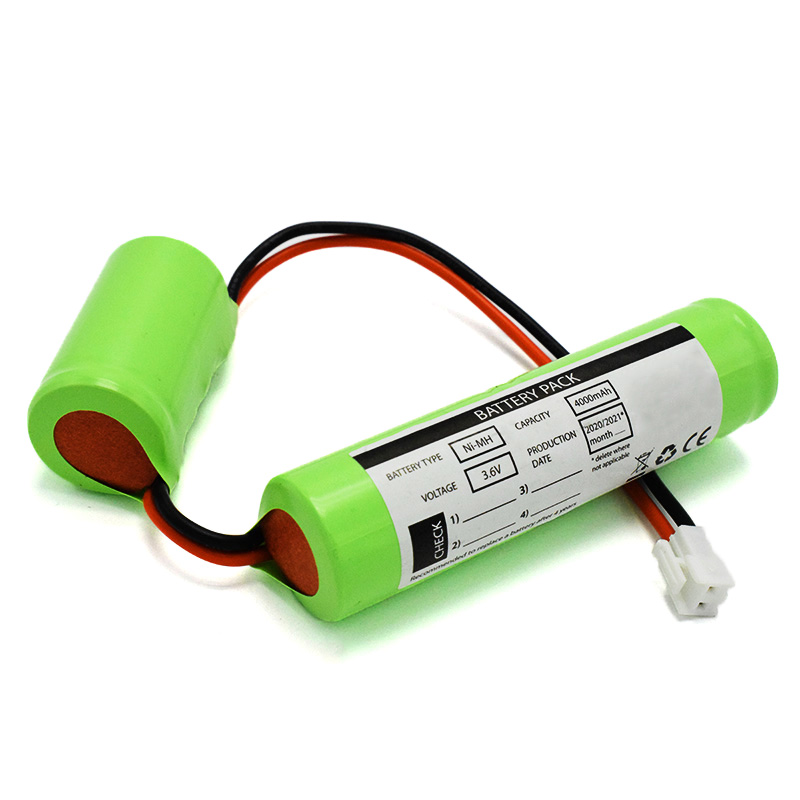 Ni-MH Battery C4000mAh 3.6V
 E-bike Battery 48V 10Ah JL-1
 E-bike battery 48V 10Ah Qing Tian