
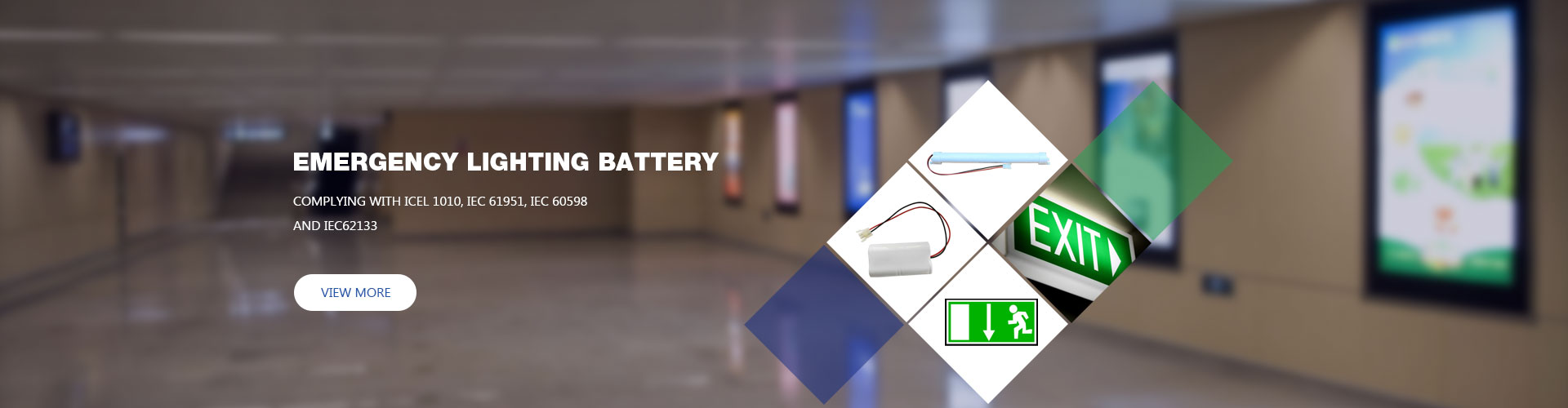



Emergency lighting systems are essential life-safety installations designed to provide illumination during power failures, allowing occupants to evacuate buildings safely. The reliability of these systems depends heavily on the performance of their batteries, and Nickel-Cadmium (Ni-Cd) batteries remain one of the most widely used power sources due to their durability and long service life.
However, even high-quality batteries require regular testing to ensure they will function properly during an emergency. Without routine inspections, battery degradation may go unnoticed until a critical power outage occurs.
This guide explains how often Emergency Lighting Ni-Cd batteries should be tested, why testing is important, and best practices for maintaining long-term system reliability.
Emergency lighting systems often remain inactive for long periods until a power failure occurs. Since they are rarely used under normal conditions, battery issues can develop unnoticed.
Regular testing helps identify:
Reduced battery capacity
Charging system failures
Wiring defects
Premature battery aging
Corrosion or physical damage
Shortened backup duration
Routine maintenance ensures emergency lighting systems meet safety regulations and remain operational when needed.
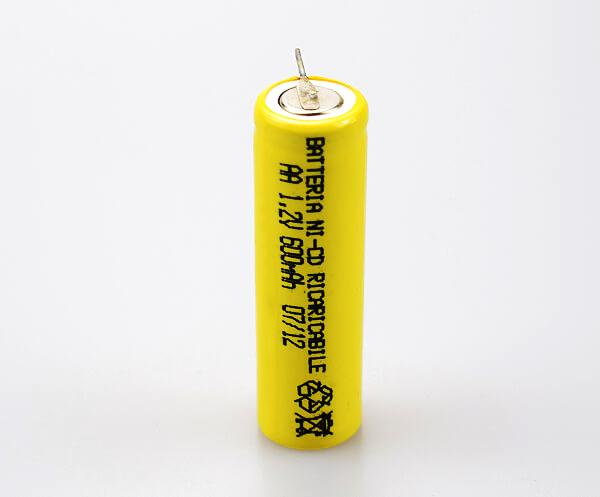
While local regulations may vary by country, most international standards recommend the following testing intervals.
Monthly Functional Test
Frequency: Once every month
Test duration: 30 seconds to 5 minutes (depending on local requirements)
Purpose
Monthly tests verify that:
The emergency lighting system activates during power loss
Batteries can supply power immediately
Lamps illuminate correctly
Indicators and charging systems function properly
During the test, check for:
All fixtures operating normally
Brightness consistency
Fault indicators
Unusual noises or overheating
Monthly tests are quick inspections and do not fully evaluate battery capacity.
Annual Full-Duration Test
Frequency: Once every 12 months
Test duration: Full rated emergency operating time
Typical durations include:
1 hour
2 hours
3 hours
Depending on local building codes and system specifications.
Purpose
Annual testing verifies that the battery can sustain emergency lighting for its entire rated duration.
This test evaluates:
Actual battery capacity
Discharge performance
Overall battery health
If lights dim or fail before the required duration, battery replacement may be necessary.
Daily or Weekly Visual Inspections (Recommended)
Although not always mandatory, many facilities perform quick visual inspections.
Check for:
Charger indicator status
Physical damage
Corrosion
Loose connections
Excessive heat
Water ingress
These inspections can detect problems before scheduled testing.
Testing requirements may vary depending on your region.
Common standards include:
EN 50172 (Europe)
Recommends:
Monthly functional testing
Annual full-duration testing
BS 5266 (United Kingdom)
Requires:
Monthly activation tests
Annual discharge tests
NFPA 101 (United States)
Recommends regular inspection, testing, and documentation.
ISO-Based Building Safety Practices
Generally follow:
Monthly operational checks
Annual performance verification
Always comply with local regulations and building authority requirements.
Neglecting maintenance can create serious risks.
Potential consequences include:
Battery Capacity Loss
Ni-Cd batteries naturally lose performance over time.
Without testing, reduced capacity may remain undetected.
System Failure During Emergencies
A battery that appears functional may fail under actual emergency conditions.
This can leave evacuation routes in darkness.
Regulatory Non-Compliance
Many jurisdictions require documented testing.
Failure to comply may result in:
Failed inspections
Fines
Legal liabilities
Insurance complications
Increased Replacement Costs
Minor issues can escalate into expensive system failures if left unresolved.
Preventive maintenance significantly reduces long-term costs.
Under proper operating conditions, Ni-Cd batteries generally last:
4 to 10 years
Battery lifespan depends on several factors:
Ambient temperature
Charge management
Testing frequency
Discharge cycles
Installation environment
Product quality
Consistent maintenance can extend service life considerably.
Testing may reveal indicators of battery deterioration.
Watch for these warning signs:
Reduced Backup Duration
The system cannot maintain illumination for the required period.
Longer Charging Time
Batteries take significantly longer to recharge.
Frequent System Fault Indicators
Control panels repeatedly display warnings.
Physical Damage
Inspect for:
Cracks
Corrosion
Leakage
Swelling
Excessive Heat
Abnormal temperatures may indicate internal failure.
When these symptoms appear, replacement should be scheduled promptly.
Maintain a Testing Log
Record every inspection, including:
Test date
Test duration
Battery condition
Technician observations
Corrective actions
Documentation supports regulatory compliance.
Avoid Excessive Deep Discharge
Over-testing can unnecessarily stress batteries.
Follow manufacturer-recommended schedules.
Control Ambient Temperature
Ideal operating conditions:
20°C to 25°C (68°F to 77°F)
Avoid prolonged exposure to:
High heat
Freezing temperatures
Humidity
Stable environments extend battery life.
Use Automatic Testing Systems
Many modern emergency lighting systems include self-testing functions.
Benefits include:
Reduced labor costs
Accurate reporting
Early fault detection
Improved reliability
However, periodic manual inspections are still recommended.
Purchase High-Quality Certified Batteries
Choose batteries that offer:
Stable performance
Long service life
International certifications
Reliable charging characteristics
High-quality batteries reduce maintenance frequency and improve safety.
During routine maintenance, verify the following:
Charging indicator operating normally
No visible corrosion
No physical damage
Secure electrical connections
Proper battery temperature
Emergency lights activate correctly
Lights remain illuminated for the required duration
Test records updated
Emergency Lighting Ni-Cd batteries should typically be tested monthly with a short functional test and annually with a full-duration discharge test.
Regular testing is essential for ensuring safety, maintaining compliance, and extending battery lifespan.
A proactive maintenance program helps building owners, facility managers, and contractors identify potential problems before emergencies occur, ensuring that emergency lighting systems provide reliable illumination when it matters most.
By combining scheduled testing, proper environmental management, and high-quality batteries, organizations can significantly improve the long-term performance and dependability of their emergency lighting systems.


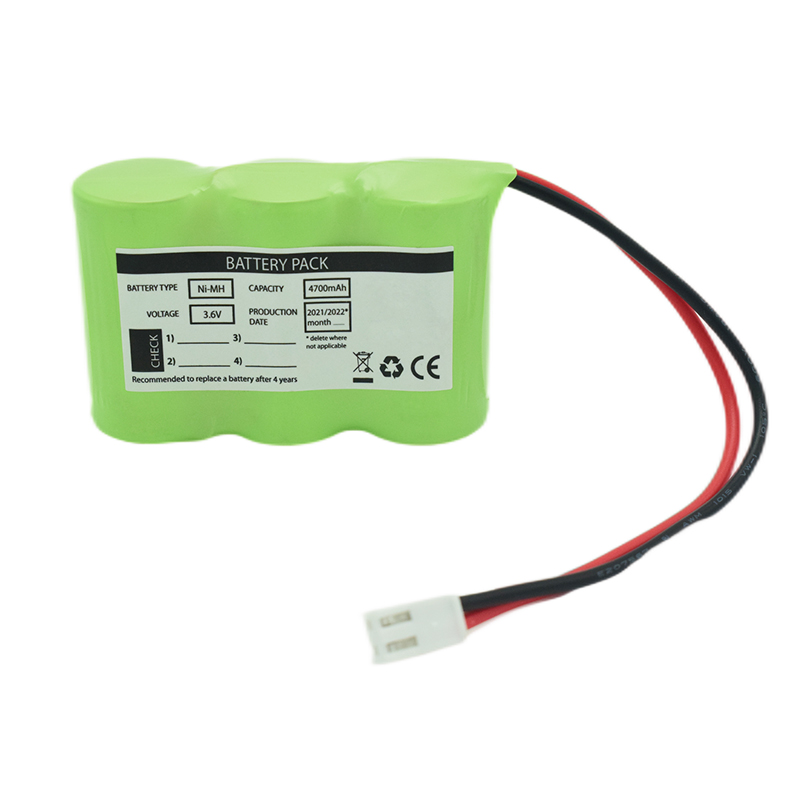 Ni-MH Battery C4700mAh 3.6V
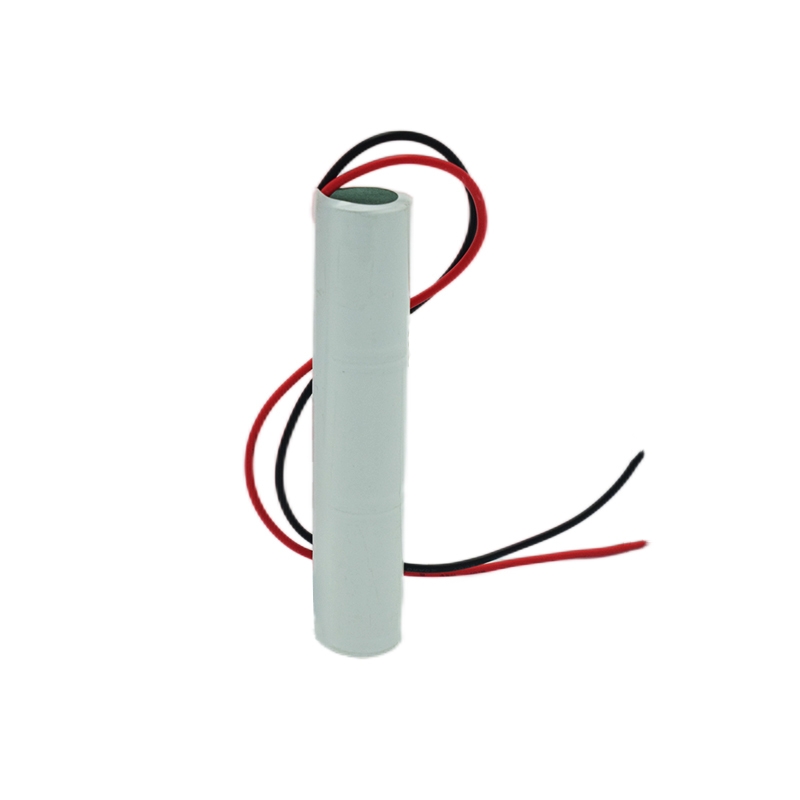 Nickel Cadmium Nicd Battery Pack SC1800mAh 3.6V
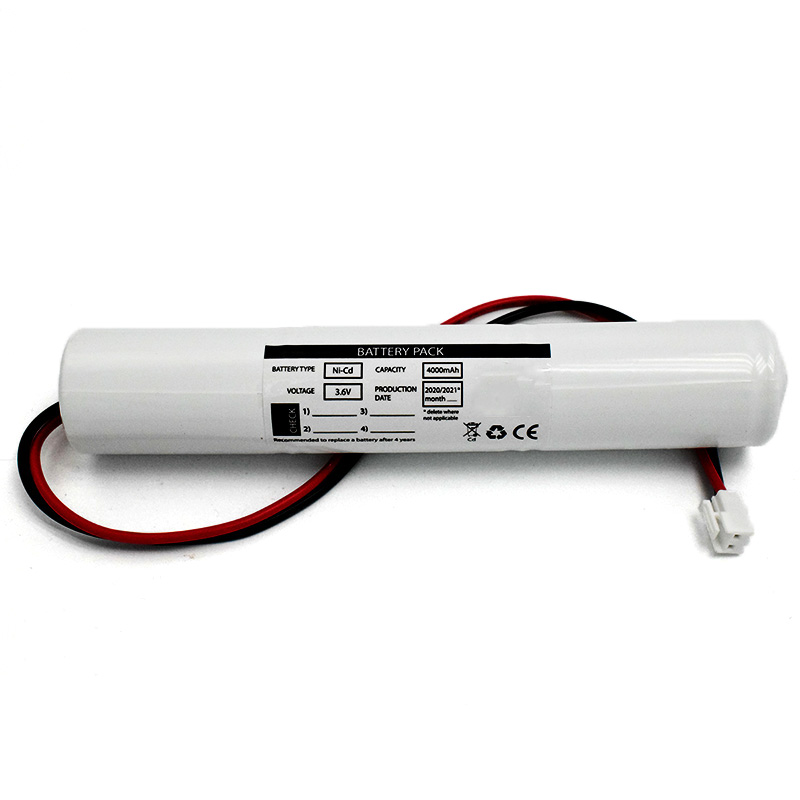 Ni-Cd Battery Pack D4000mAh 3.6V
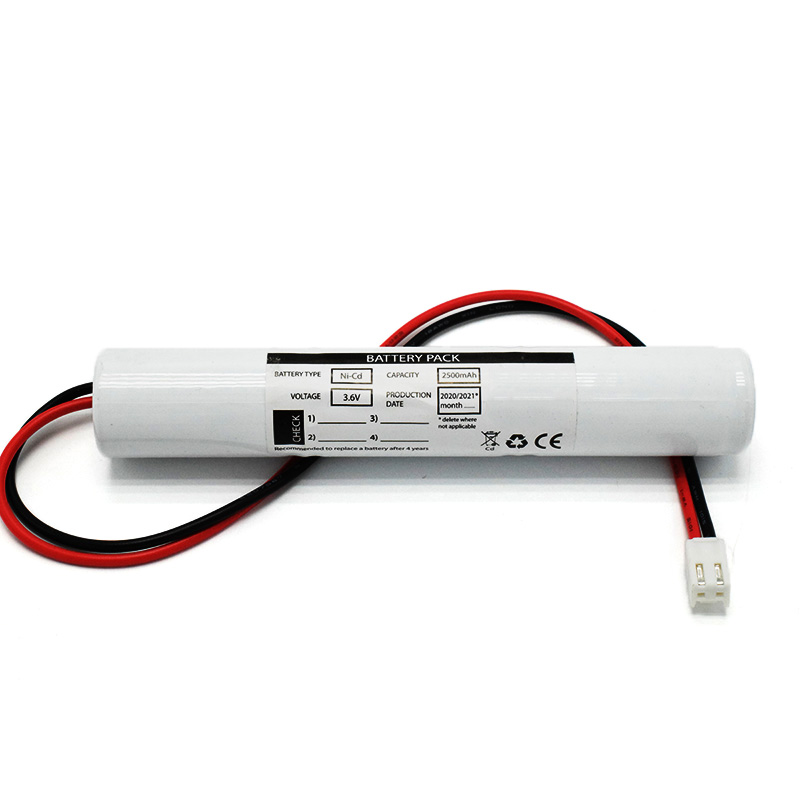 Ni-Cd Battery Pack C2500mAh 3.6V
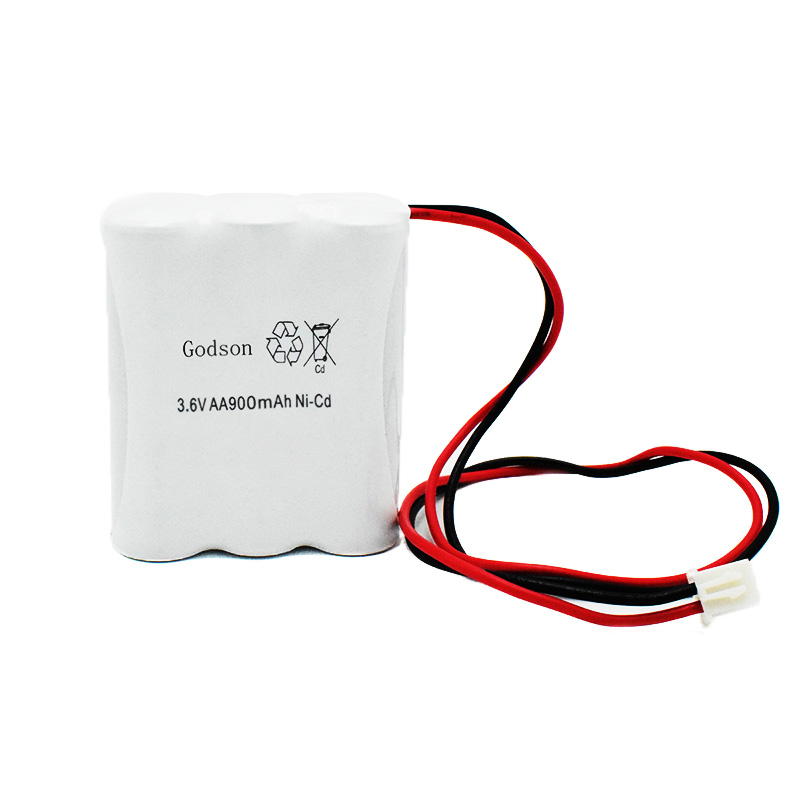 NICAD Battery Pack AA900mAh 3.6V
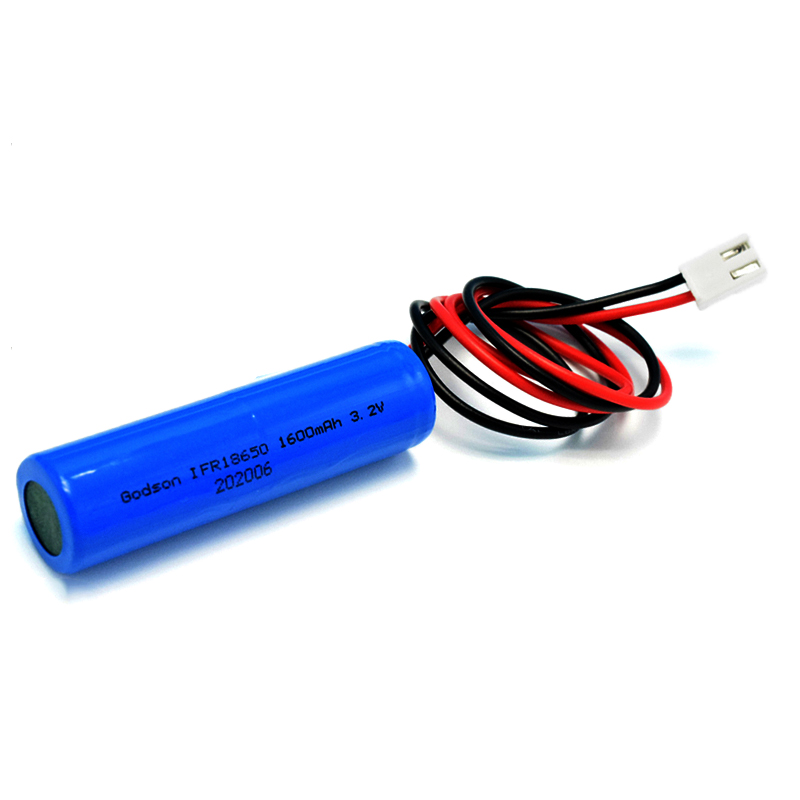 LiFePO4 IFR18650 1600mAh 3.2V
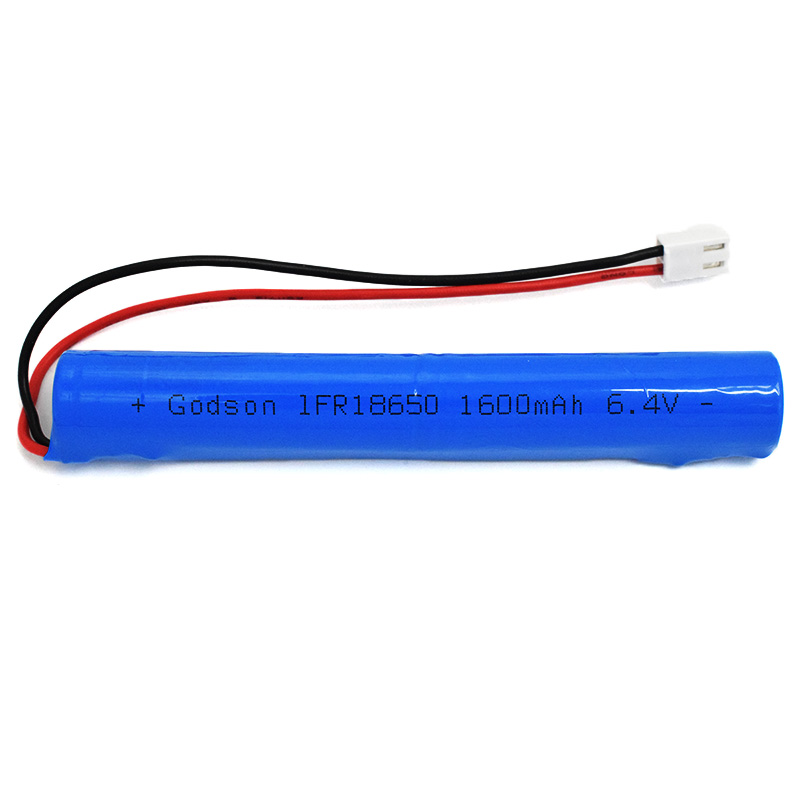 LiFePO4 IFR18650 1600mAh 6.4V
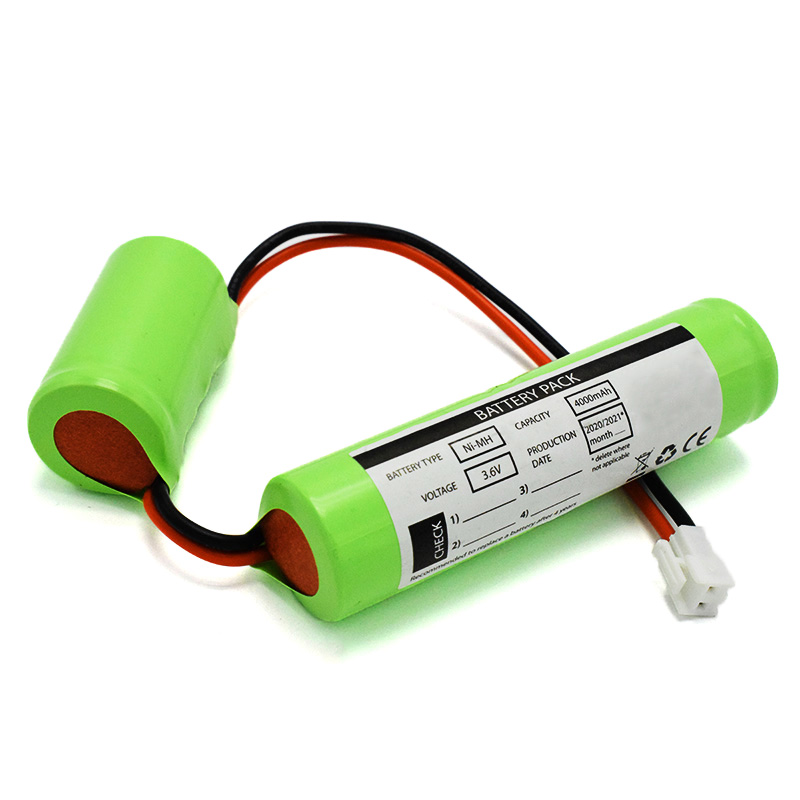 Ni-MH Battery C4000mAh 3.6V
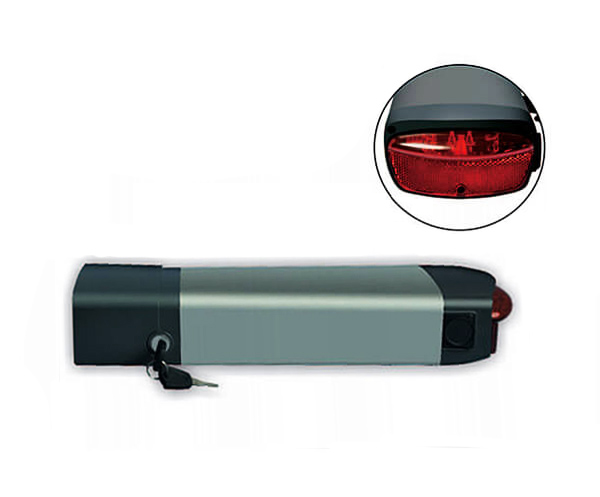 E-bike Battery 48V 10Ah JL-1
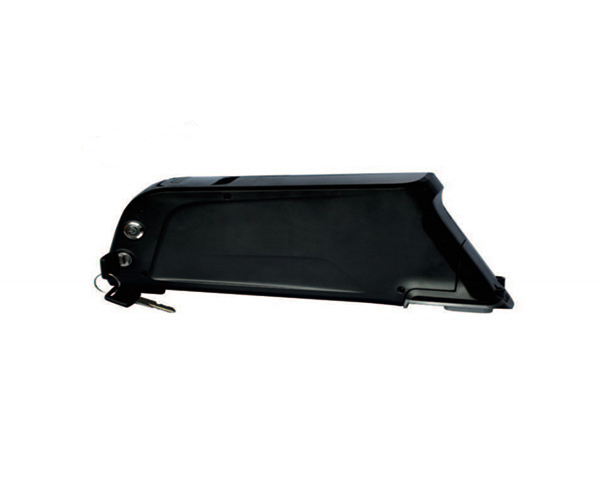 E-bike battery 48V 10Ah Qing Tian