




Emergency lighting systems are critical safety installations in commercial buildings, hospitals, schools, industrial facilities, hotels, airports, and public infrastructure. Many of these systems rely on Nickel-Metal Hydride (Ni-MH) batteries because of their high energy density, environmentally friendly composition, and reliable backup performance.
Like all rechargeable batteries, Emergency Lighting Ni-MH Batteries eventually reach the end of their service life and must be replaced. Improper disposal can create environmental hazards, safety risks, and potential regulatory violations.
This guide explains how to safely dispose of worn-out Emergency Lighting Ni-MH batteries, why proper recycling matters, and the best practices organizations should follow.
Although Ni-MH batteries are considered more environmentally friendly than older battery technologies, they still contain valuable metals and chemical components that should not enter landfills.
Improper disposal may lead to:
Environmental contamination
Resource waste
Fire hazards
Regulatory penalties
Workplace safety risks
Responsible recycling helps recover valuable materials while reducing environmental impact.
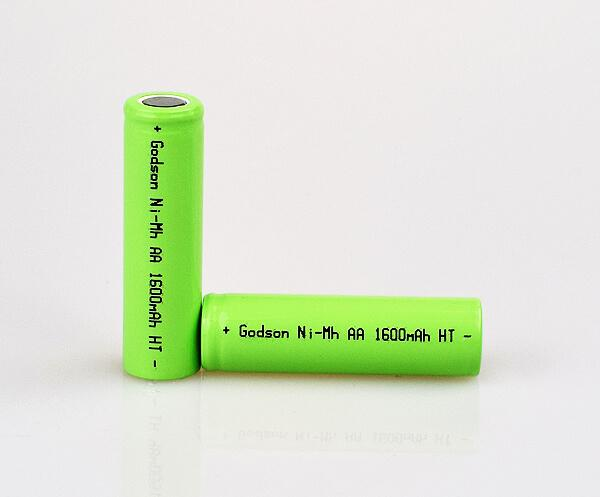
Ni-MH batteries typically contain:
Nickel
Rare earth metals
Hydrogen-absorbing alloys
Steel components
Plastic casing
Electrolyte materials
Many of these materials can be recycled and reused in manufacturing processes.
Unlike Ni-Cd batteries, Ni-MH batteries do not contain toxic cadmium, but they still require specialized handling and should never be treated as ordinary household waste.
Step 1: Identify Batteries That Need Replacement
Before disposal, confirm that the battery has reached the end of its service life.
Common signs include:
Reduced Backup Runtime
Emergency lights no longer operate for their required duration.
Frequent Charging Problems
The battery fails to hold a full charge.
Physical Damage
Look for:
Cracks
Corrosion
Leakage
Deformation
Age-Related Degradation
Most Emergency Lighting Ni-MH batteries have a lifespan of:
4 to 8 years, depending on usage conditions and maintenance practices.
Once replacement is necessary, begin proper disposal procedures immediately.
Step 2: Never Dispose of Ni-MH Batteries in General Trash
Do not place batteries in:
Household garbage bins
Office waste containers
Construction debris
General landfill waste
Improper disposal can violate environmental regulations in many countries.
Step 3: Disconnect and Remove Batteries Safely
Before handling batteries:
Turn Off Power
Disconnect the emergency lighting system from its power source.
Follow Manufacturer Instructions
Use appropriate procedures to avoid damaging the battery or electrical components.
Wear Protective Equipment
Recommended PPE includes:
Safety gloves
Protective eyewear
Avoid Short Circuits
Never allow battery terminals to touch metal objects.
Step 4: Protect Battery Terminals
After removal, cover exposed terminals with non-conductive tape.
Suitable options include:
Electrical tape
Insulating tape
This simple step helps prevent:
Short circuits
Sparks
Fire risks during storage and transportation
Step 5: Store Batteries Properly Before Recycling
If immediate recycling is unavailable, temporarily store batteries in a safe location.
Storage recommendations:
Choose a Cool, Dry Area
Avoid environments with:
High temperatures
Direct sunlight
Excessive humidity
Use Non-Conductive Containers
Suitable containers include:
Plastic bins
Original packaging
Battery recycling containers
Separate Damaged Batteries
Leaking or swollen batteries should be isolated and handled with extra care.
Step 6: Send Batteries to Authorized Recycling Facilities
The safest disposal method is professional recycling.
Acceptable recycling options include:
Certified Battery Recycling Centers
Many municipalities provide dedicated battery recycling programs.
Electronic Waste Collection Programs
E-waste facilities often accept rechargeable batteries.
Authorized Hazardous Waste Facilities
Commercial buildings and industrial facilities may use licensed waste management providers.
Manufacturer Take-Back Programs
Some battery manufacturers offer recycling services.
Always verify local regulations before disposal.
Organizations operating emergency lighting systems should establish battery management procedures.
These may include:
Inventory tracking
Scheduled battery replacement
Safe storage procedures
Recycling partnerships
Maintenance records
Industries that commonly implement these programs include:
Hospitals
Hotels
Shopping centers
Warehouses
Factories
Educational institutions
Office buildings
Proper documentation also supports regulatory compliance.
Battery recycling offers numerous sustainability advantages.
Recover Valuable Materials
Recyclers can extract:
Nickel
Steel
Rare earth elements
These materials can be reused in new products.
Reduce Landfill Waste
Proper recycling keeps batteries out of landfills and waste incineration systems.
Lower Carbon Footprint
Reusing raw materials reduces mining activities and conserves natural resources.
Support Circular Economy Initiatives
Many companies now prioritize sustainable manufacturing and waste reduction programs.
Battery recycling contributes directly to these goals.
Avoid these unsafe disposal practices.
Throwing Batteries into Regular Trash
This is unsafe and often illegal.
Incinerating Batteries
High temperatures may cause rupture or release harmful substances.
Crushing or Disassembling Batteries
Never open battery cells.
Mixing Damaged Batteries with Intact Batteries
Store them separately.
Storing Batteries Near Flammable Materials
Keep batteries away from combustible items.
Proper maintenance can delay replacement and reduce environmental impact.
Control Operating Temperature
Maintain temperatures between:
20°C and 25°C (68°F to 77°F)
Avoid prolonged exposure to extreme heat.
Conduct Regular Testing
Perform:
Monthly functional tests
Annual full-duration tests
Routine inspections help identify problems early.
Use Compatible Chargers
Incorrect charging systems can shorten battery lifespan.
Always use manufacturer-approved chargers.
Purchase High-Quality Batteries
Choose suppliers that provide:
International certifications
Stable performance
Long cycle life
Reliable safety features
Higher-quality batteries often generate less waste over time.
Before recycling, verify the following:
Power disconnected
Battery safely removed
Terminals covered with insulating tape
Battery stored in a cool, dry place
Damaged batteries isolated
Batteries delivered to an authorized recycling facility
Disposal records maintained (for commercial facilities)
Emergency Lighting Ni-MH batteries should never be disposed of in regular waste streams. Instead, they should be safely removed, stored, and sent to authorized recycling facilities to protect both people and the environment.
Proper disposal not only ensures regulatory compliance but also supports sustainability by recovering valuable materials and reducing landfill waste.
For facility managers, electrical contractors, and OEM manufacturers, implementing a responsible battery recycling program is an essential part of maintaining safe, efficient, and environmentally responsible emergency lighting systems.


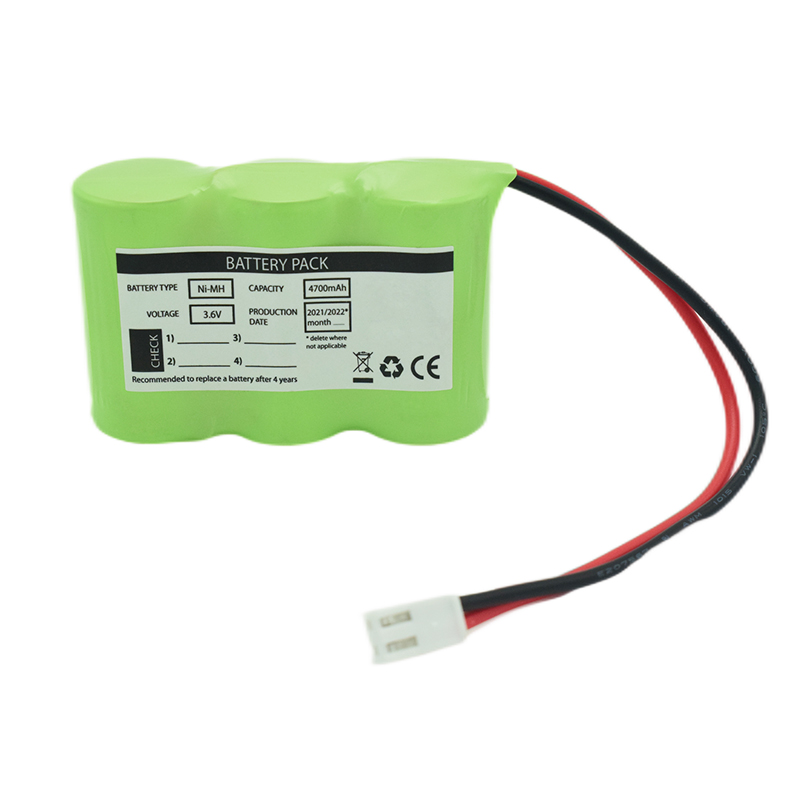 Ni-MH Battery C4700mAh 3.6V
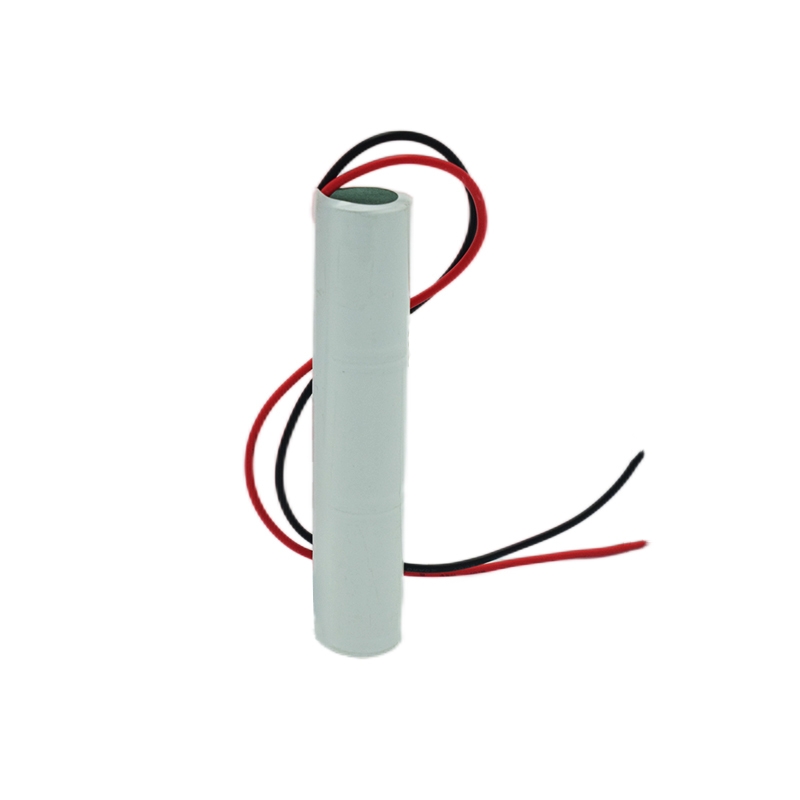 Nickel Cadmium Nicd Battery Pack SC1800mAh 3.6V
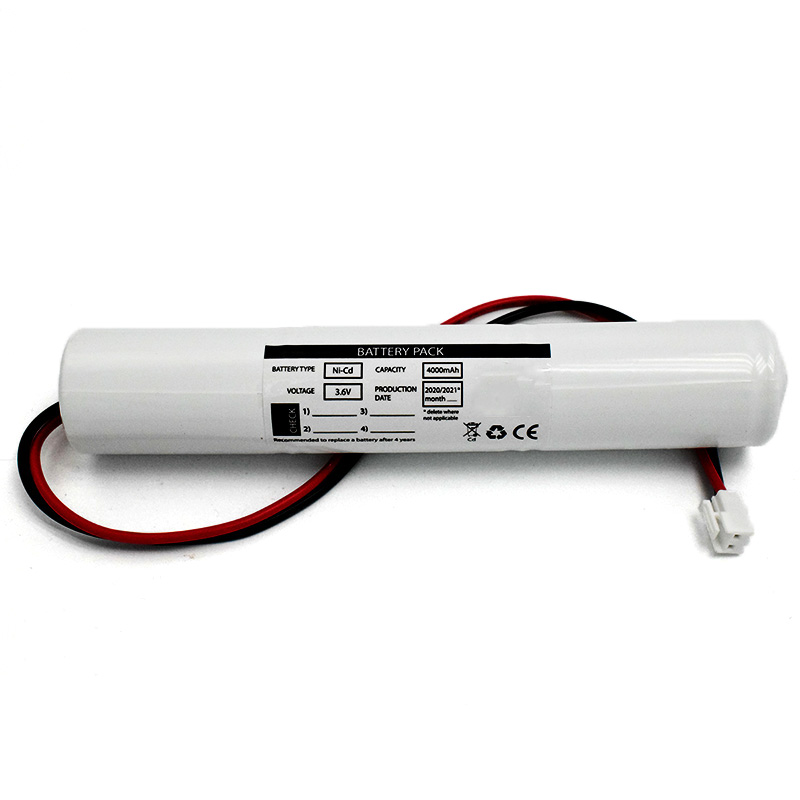 Ni-Cd Battery Pack D4000mAh 3.6V
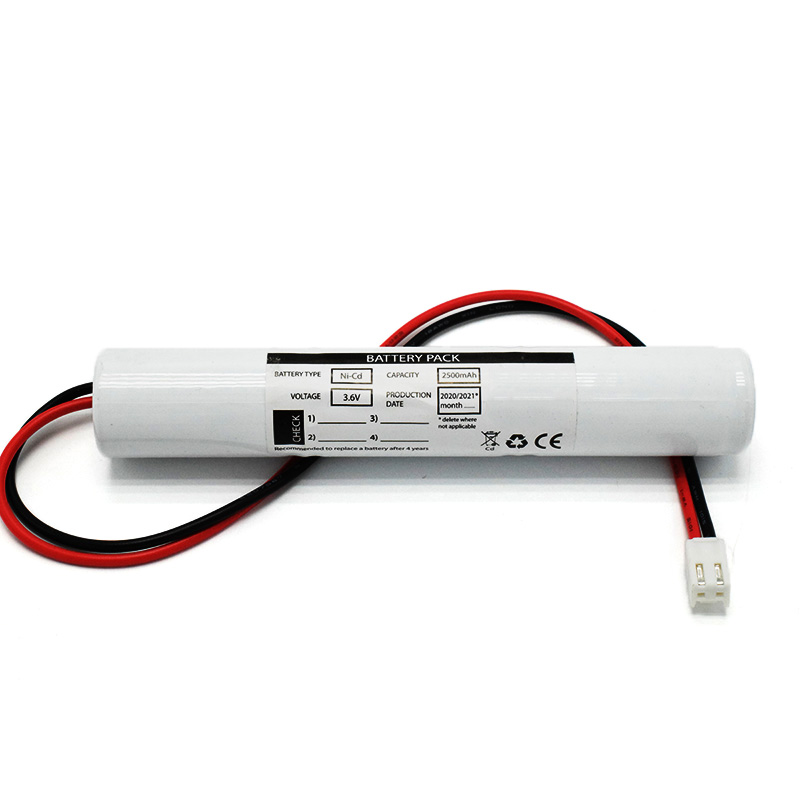 Ni-Cd Battery Pack C2500mAh 3.6V
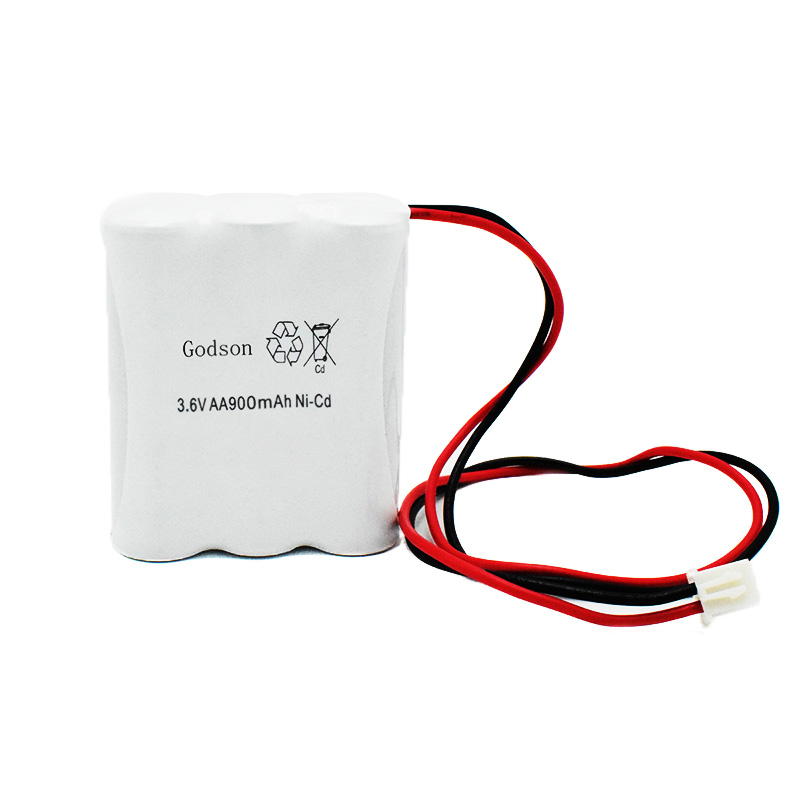 NICAD Battery Pack AA900mAh 3.6V
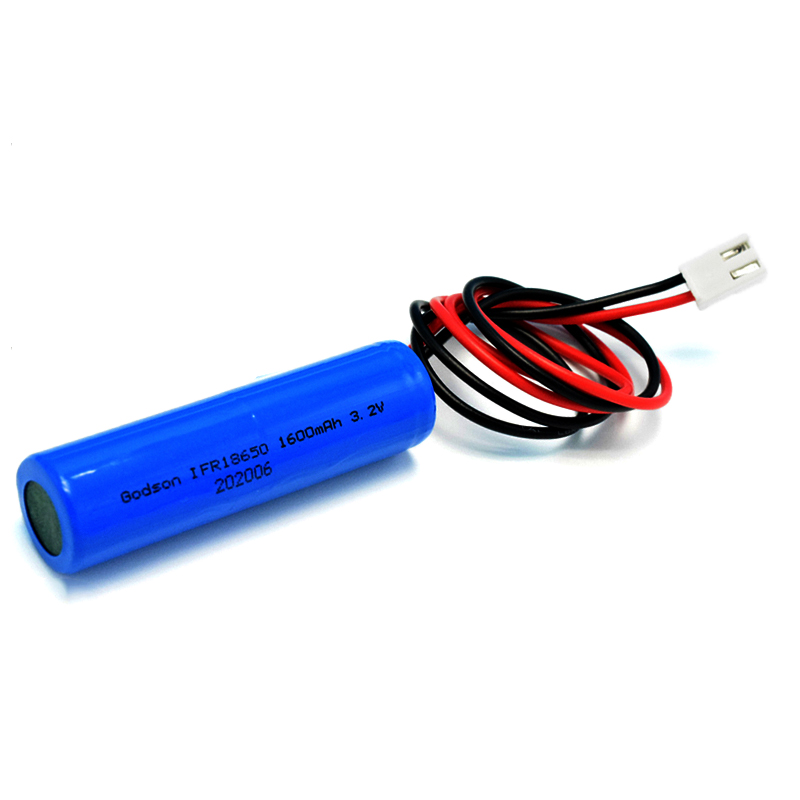 LiFePO4 IFR18650 1600mAh 3.2V
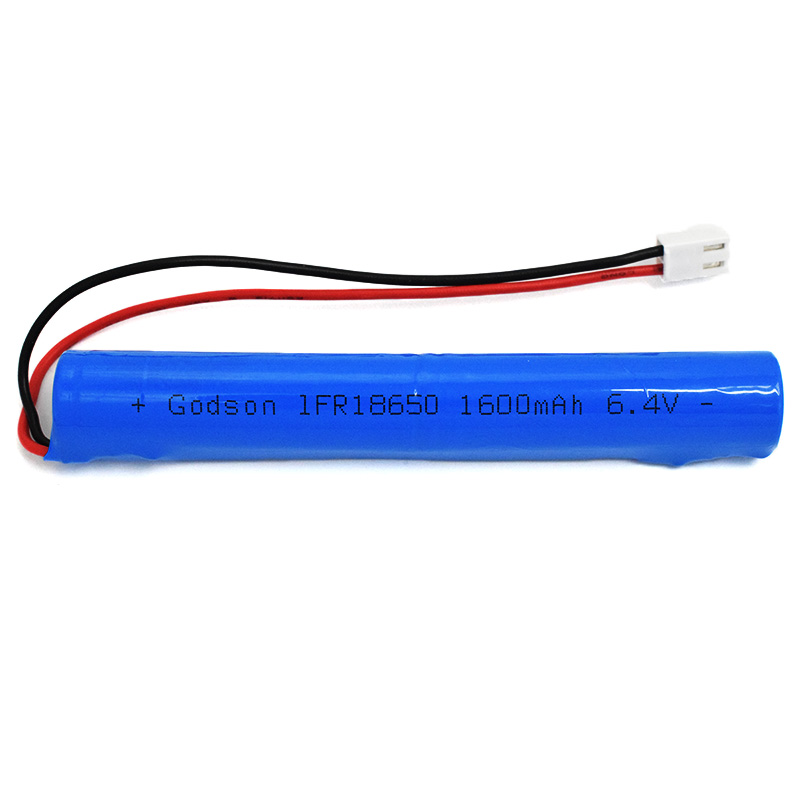 LiFePO4 IFR18650 1600mAh 6.4V
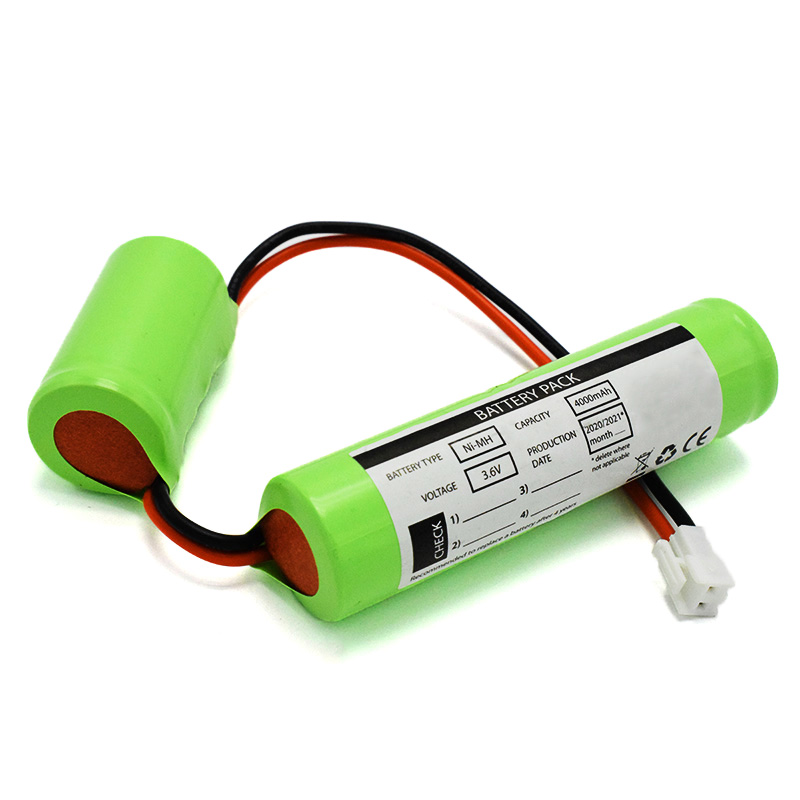 Ni-MH Battery C4000mAh 3.6V
 E-bike Battery 48V 10Ah JL-1
 E-bike battery 48V 10Ah Qing Tian