




Emergency lighting systems are essential safety equipment in commercial buildings, hospitals, industrial facilities, and public infrastructure. Many of these systems rely on Nickel-Metal Hydride (Ni-MH) batteries due to their stable performance, long cycle life, and relatively eco-friendly chemistry compared to older battery technologies.
As global sustainability standards become stricter, the focus is shifting beyond performance to include the full lifecycle of Emergency Lighting Ni-MH batteries, especially how they are recycled and reused.
This article explains how Ni-MH batteries are recycled, what makes them sustainable, and how businesses can build more environmentally responsible emergency lighting systems.
Emergency lighting systems operate continuously in standby mode and often require large-scale battery deployment across entire buildings.
Without proper recycling and sustainability planning, this can lead to:
Increased electronic waste (e-waste)
Loss of valuable raw materials
Higher environmental footprint from mining
Regulatory non-compliance risks
Poor alignment with green building certifications
Sustainable battery management helps reduce these impacts while improving long-term operational efficiency.
Compared with older chemistries such as Nickel-Cadmium (Ni-Cd), Ni-MH batteries offer several environmental advantages:
1. No Toxic Cadmium
Ni-MH batteries do not contain cadmium, a highly toxic heavy metal found in Ni-Cd batteries. This significantly reduces environmental and health risks.
2. Higher Recyclability
Ni-MH batteries contain materials that are highly recoverable:
Nickel
Cobalt (in some variants)
Rare earth elements
Steel casing components
These materials can be reused in new battery production or industrial applications.
3. Longer Service Life
In emergency lighting applications, Ni-MH batteries typically last:
4–8 years depending on usage and temperature conditions
A longer lifespan means fewer replacements and less waste generation.
4. Improved Energy Efficiency
Ni-MH batteries generally offer better energy density than older nickel-based technologies, reducing the number of batteries needed in large installations.
Battery recycling is a structured industrial process designed to safely recover materials and prevent environmental contamination.
Step 1: Collection and Sorting
Used batteries are collected from:
Commercial buildings
Maintenance contractors
E-waste centers
Manufacturer take-back programs
They are then sorted based on condition and chemistry type.
Step 2: Discharge and Safety Preparation
Before processing:
Batteries are fully discharged
Terminals are insulated
Damaged units are separated
This step prevents short circuits and thermal risks.
Step 3: Mechanical Processing
Batteries are shredded in a controlled environment to break them down into smaller components.
Step 4: Material Separation
Advanced separation techniques are used to extract:
Ferrous metals (steel casing)
Nickel-rich compounds
Rare earth elements
Plastic materials
Step 5: Metallurgical Recovery
Recovered metals undergo refining processes such as:
Hydrometallurgy (chemical extraction)
Pyrometallurgy (high-temperature processing)
These methods produce reusable raw materials for new manufacturing.
Step 6: Reuse in New Products
Recovered materials are reused in:
New battery production
Stainless steel manufacturing
Electronics industry components
Industrial alloys
This closes the material loop in a circular economy system.
1. Reduction of Mining Demand
Recycling reduces the need for:
Nickel mining
Rare earth extraction
Energy-intensive raw material processing
This helps preserve natural ecosystems.
2. Lower Carbon Emissions
Producing metals from recycled materials requires significantly less energy than extracting them from ore.
This leads to:
Reduced greenhouse gas emissions
Lower industrial energy consumption
3. Waste Reduction
Proper recycling prevents batteries from entering:
Landfills
Incineration systems
Improper disposal channels
4. Support for Circular Economy
Recycling transforms used batteries into raw materials for new production cycles, supporting long-term sustainability goals.
Sustainability is not only about recycling—it also starts at the design stage.
1. Long-Life Battery Selection
Choosing high-quality Ni-MH batteries reduces replacement frequency and waste output.
2. Energy-Efficient Charging Systems
Modern emergency lighting systems use:
Smart charging circuits
Temperature compensation
Overcharge protection
These features extend battery life.
3. Modular Battery Design
Modular systems allow:
Easy battery replacement
Reduced electronic waste
Lower maintenance costs
4. Smart Monitoring Systems
Some advanced emergency lighting systems include:
Battery health diagnostics
Charge cycle tracking
Predictive maintenance alerts
This helps prevent premature disposal.
Several international frameworks encourage responsible battery recycling:
EU Battery Directive
WEEE Directive (Waste Electrical and Electronic Equipment)
ISO 14001 Environmental Management Systems
National e-waste regulations in many countries
These regulations promote:
Producer responsibility
Recycling accountability
Reduced environmental impact
1. Establish a Recycling Program
Organizations should work with certified recyclers for:
Scheduled battery collection
Safe transportation
Proper documentation
2. Maintain Battery Inventory Records
Track:
Installation dates
Replacement cycles
Disposal records
This improves compliance and planning.
3. Use Certified Recycling Partners
Always choose licensed facilities that comply with environmental regulations.
4. Train Maintenance Teams
Technicians should understand:
Safe handling procedures
Storage requirements
Recycling workflows
5. Extend Battery Lifespan Through Proper Maintenance
Key practices include:
Operating within 20°C–25°C temperature range
Regular testing (monthly and annual)
Proper charging control
1. Improved Recycling Efficiency
New technologies are increasing material recovery rates and reducing processing waste.
2. Green Battery Manufacturing
Manufacturers are focusing on:
Lower-carbon production methods
Recycled raw material integration
Reduced hazardous substances
3. Integration with Smart Buildings
Emergency lighting systems are increasingly connected to building management systems (BMS), improving efficiency and reducing unnecessary battery stress.
The recycling and sustainability of Emergency Lighting Ni-MH batteries plays a critical role in modern building safety systems and environmental responsibility.
Ni-MH batteries already offer a cleaner alternative to older chemistries, but their true sustainability value comes from proper collection, recycling, and integration into a circular economy.
By implementing responsible battery management, businesses can:
Reduce environmental impact
Lower operational waste
Improve regulatory compliance
Support green building initiatives
Sustainable emergency lighting is not just about safety during power failures—it is also about building a safer and cleaner future for the environment.


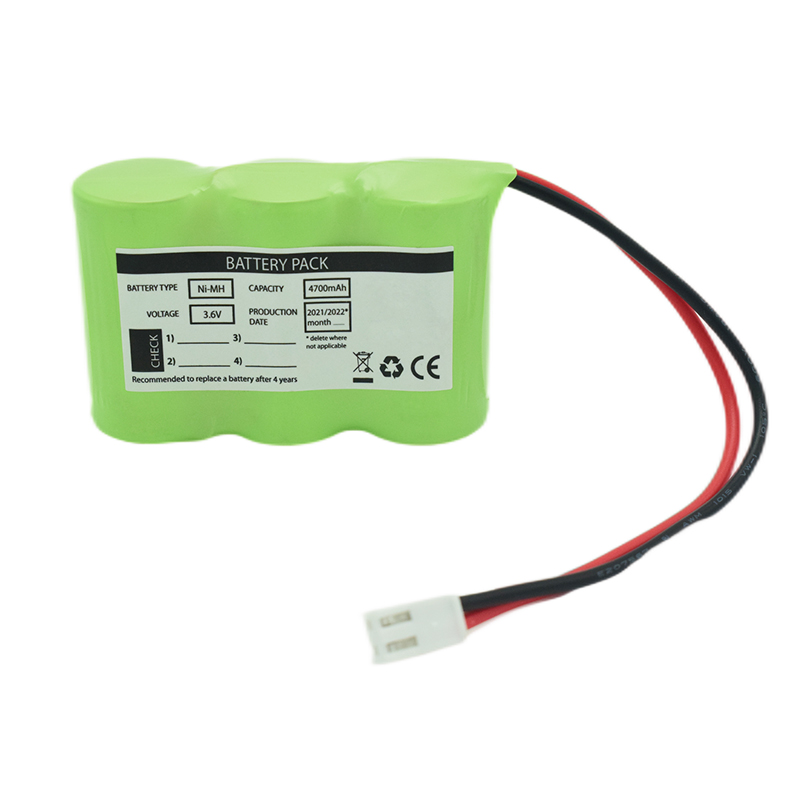 Ni-MH Battery C4700mAh 3.6V
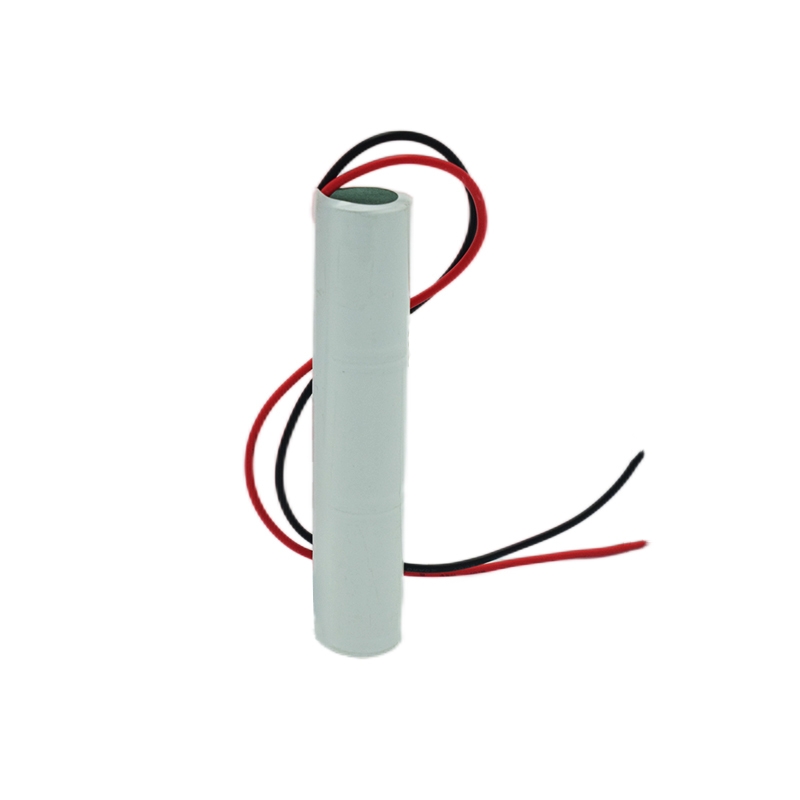 Nickel Cadmium Nicd Battery Pack SC1800mAh 3.6V
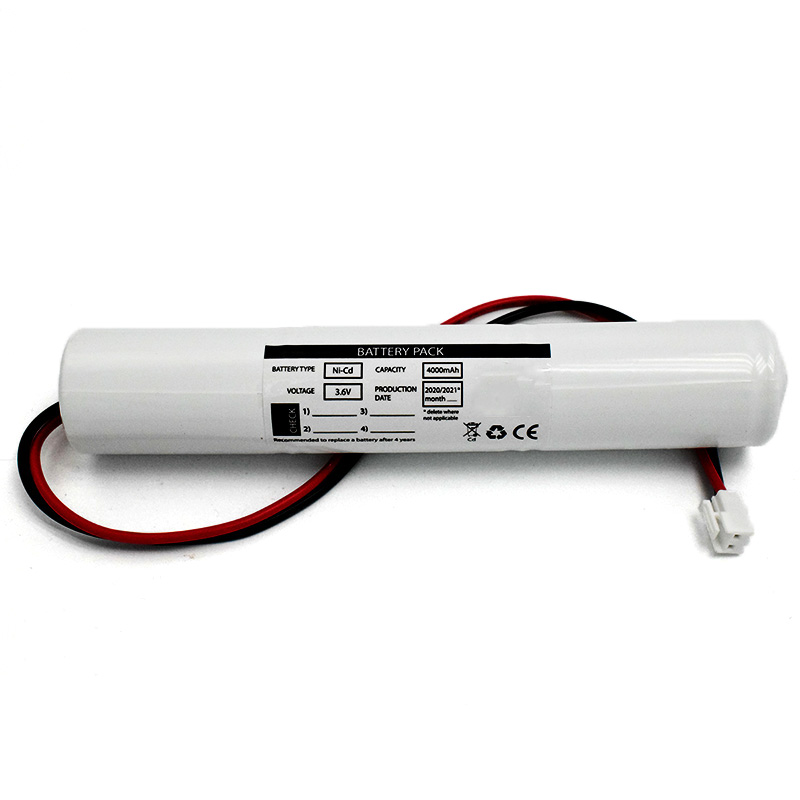 Ni-Cd Battery Pack D4000mAh 3.6V
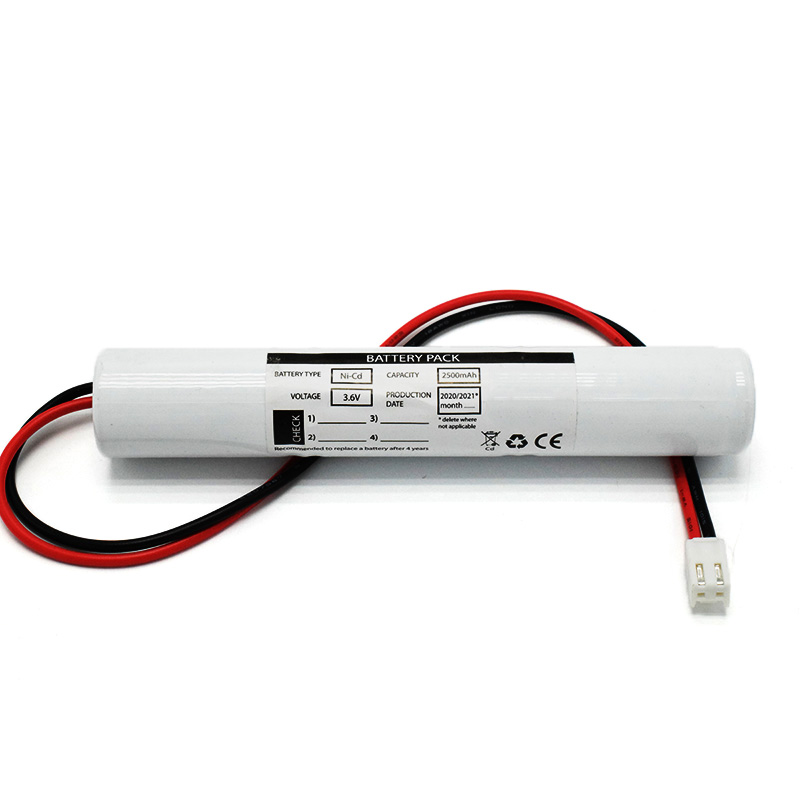 Ni-Cd Battery Pack C2500mAh 3.6V
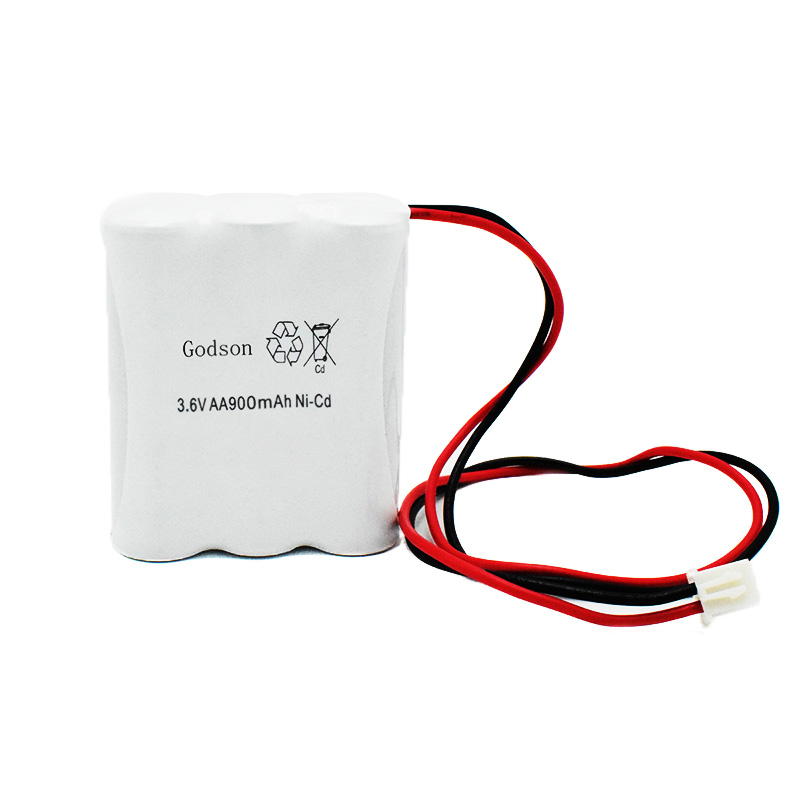 NICAD Battery Pack AA900mAh 3.6V
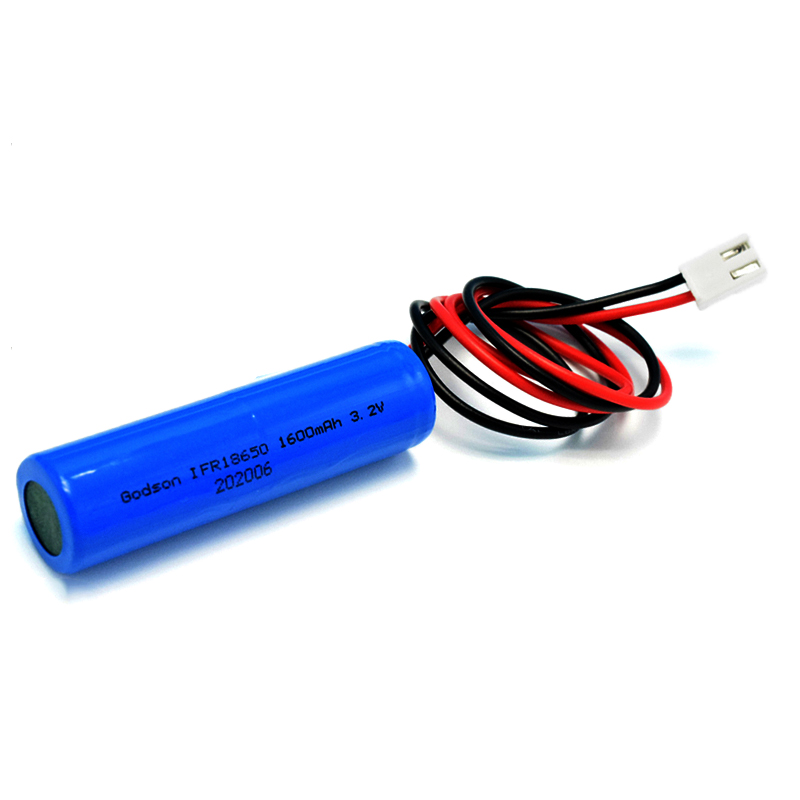 LiFePO4 IFR18650 1600mAh 3.2V
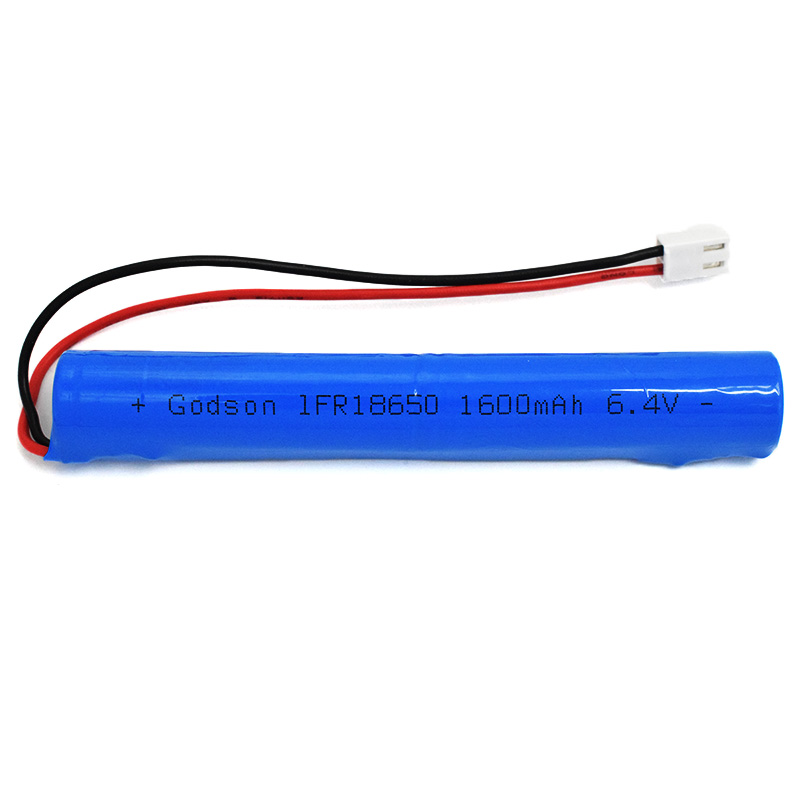 LiFePO4 IFR18650 1600mAh 6.4V
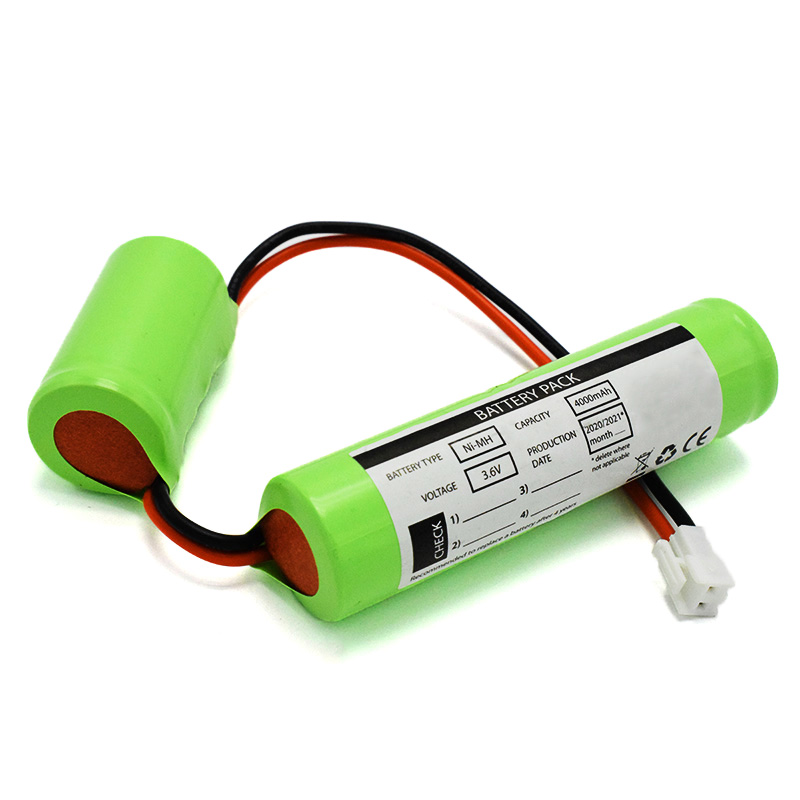 Ni-MH Battery C4000mAh 3.6V
 E-bike Battery 48V 10Ah JL-1
 E-bike battery 48V 10Ah Qing Tian