



Emergency lighting systems are evolving rapidly as building safety standards become more demanding. Among modern battery technologies, Lithium Iron Phosphate (LiFePO4) batteries are increasingly used in emergency lighting due to their long cycle life, high thermal stability, and excellent safety performance.
However, even though LiFePO4 batteries are more advanced than traditional Ni-Cd or Ni-MH solutions, their performance still depends heavily on how they are installed, charged, and maintained.
This guide explains practical, field-proven methods to maximize the performance and lifespan of Emergency Lighting LiFePO4 batteries in commercial and industrial applications.
Before optimizing performance, it helps to understand why LiFePO4 is widely adopted:
Long cycle life (2000–5000+ cycles)
High thermal stability and safety
Stable voltage output during discharge
Low self-discharge rate
Maintenance-free operation
Environmentally friendly chemistry (no heavy metals like cadmium or lead)
These characteristics make LiFePO4 batteries especially suitable for always-on standby systems such as emergency lighting.
1. Maintain Proper Charging Conditions
Charging control is one of the most important factors affecting battery performance.
Use a Dedicated LiFePO4 Charger
Emergency lighting systems should use chargers specifically designed for LiFePO4 chemistry, with:
Constant current / constant voltage (CC/CV) control
Accurate cutoff voltage (~3.6–3.65V per cell)
No float overcharge mode (or very low float voltage)
Incorrect charging profiles can reduce capacity and shorten lifespan.
Avoid Overcharging
Unlike Ni-based batteries, LiFePO4 is sensitive to prolonged overvoltage exposure.
Overcharging may lead to:
Capacity degradation
Internal stress buildup
Reduced cycle life
A proper Battery Management System (BMS) is essential.
Ensure Balanced Charging
In multi-cell packs, cell imbalance can reduce usable capacity.
A good BMS should provide:
Cell balancing
Overvoltage protection
Undervoltage cutoff
Temperature monitoring
2. Control Operating Temperature
Temperature has a direct impact on LiFePO4 performance.
Ideal Temperature Range
Best operating range: 20°C to 35°C (68°F to 95°F)
High Temperature Risks
Above 45°C:
Accelerated aging
Reduced cycle life
Increased internal resistance over time
Low Temperature Risks
Below 0°C:
Reduced discharge capacity
Limited charging ability (risk of lithium plating if charged improperly)
Best Practice
Install batteries away from heat sources (drivers, transformers, lighting ballasts)
Ensure ventilation in enclosed fixtures
Avoid direct sunlight exposure in outdoor systems
3. Optimize Depth of Discharge (DoD)
LiFePO4 batteries perform best when not constantly fully discharged.
Recommended Usage Strategy
Keep DoD between 20%–80% for long lifespan
Avoid deep discharges unless necessary for emergency cycles
Although LiFePO4 can handle deep discharge, limiting it improves longevity.
4. Reduce Idle Time at Full Charge
Keeping LiFePO4 batteries at 100% charge for long periods can slightly reduce lifespan.
Best Practice
For emergency lighting systems:
Maintain controlled float or standby charge
Avoid continuous high-voltage maintenance charging
Use smart charging systems that reduce stress when fully charged
5. Perform Regular System Testing
Even though LiFePO4 batteries are low maintenance, testing remains essential.
Recommended Testing Schedule
Monthly functional test (30 seconds–5 minutes)
Annual full-duration discharge test
Testing ensures:
Battery readiness
Actual runtime verification
Early fault detection
6. Use High-Quality Battery Management Systems (BMS)
The BMS is the “brain” of a LiFePO4 battery system.
A good BMS should include:
Overcharge protection
Over-discharge protection
Short circuit protection
Temperature monitoring
Cell balancing
A weak BMS is one of the most common reasons for poor battery performance in emergency lighting systems.
7. Select High-Quality Cells and Certified Products
Not all LiFePO4 batteries are equal.
High-performance emergency lighting batteries should have:
Grade A lithium cells
Stable internal chemistry
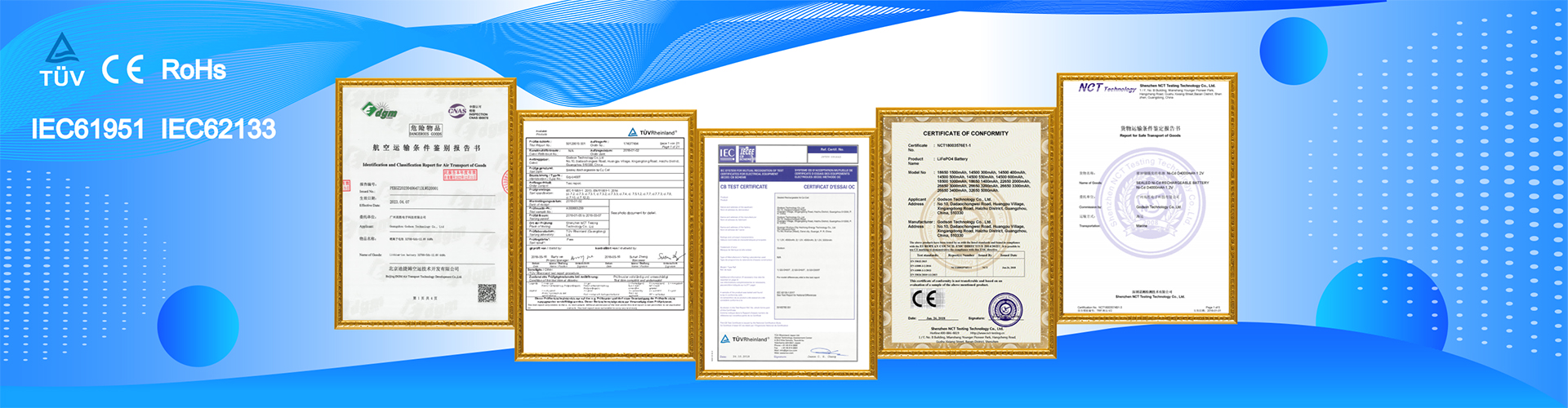
UL / CE / IEC certifications
Verified cycle life ratings
Low internal resistance design
Poor-quality cells degrade faster and reduce system reliability.
8. Proper Installation Practices
Installation quality has a major impact on long-term performance.
Key Guidelines:
Ensure correct polarity connection
Use appropriate gauge wiring
Avoid loose terminals or high-resistance joints
Secure batteries to avoid vibration damage
Keep wiring away from heat sources
Good installation reduces energy loss and prevents premature failure.
9. Avoid High Self-Discharge Conditions
Although LiFePO4 has low self-discharge, system-level leakage can still occur.
Preventive Measures:
Turn off unnecessary standby loads
Use low-leakage electronic drivers
Regularly inspect circuit insulation
10. Store Batteries Correctly (If Not in Use)
If LiFePO4 batteries are stored before installation:
Storage Conditions:
Charge level: 40%–60%
Temperature: 15°C–25°C
Dry environment
Recharge every 3–6 months
Improper storage can reduce long-term capacity.
Avoid these frequent issues:
Using Ni-Cd/Ni-MH chargers for LiFePO4
Exposing batteries to high heat inside sealed luminaires
Ignoring BMS warnings
Frequent deep discharges
Poor-quality replacement cells
Skipping annual testing
Performance Optimization Checklist
Correct LiFePO4 charger used
Temperature kept within safe range
BMS functioning properly
Monthly and annual testing completed
No deep discharge cycles repeatedly
Proper installation and wiring
High-quality certified battery selected
To maximize the performance of an Emergency Lighting LiFePO4 battery, the key factors are charging control, temperature management, intelligent battery protection, and proper system maintenance.
While LiFePO4 technology already offers excellent safety and long service life, real-world performance depends on how well the system is designed and maintained.
By following best practices—especially in charging strategy, thermal control, and regular testing—building operators and manufacturers can significantly extend battery lifespan, reduce maintenance costs, and ensure reliable emergency illumination when it matters most.


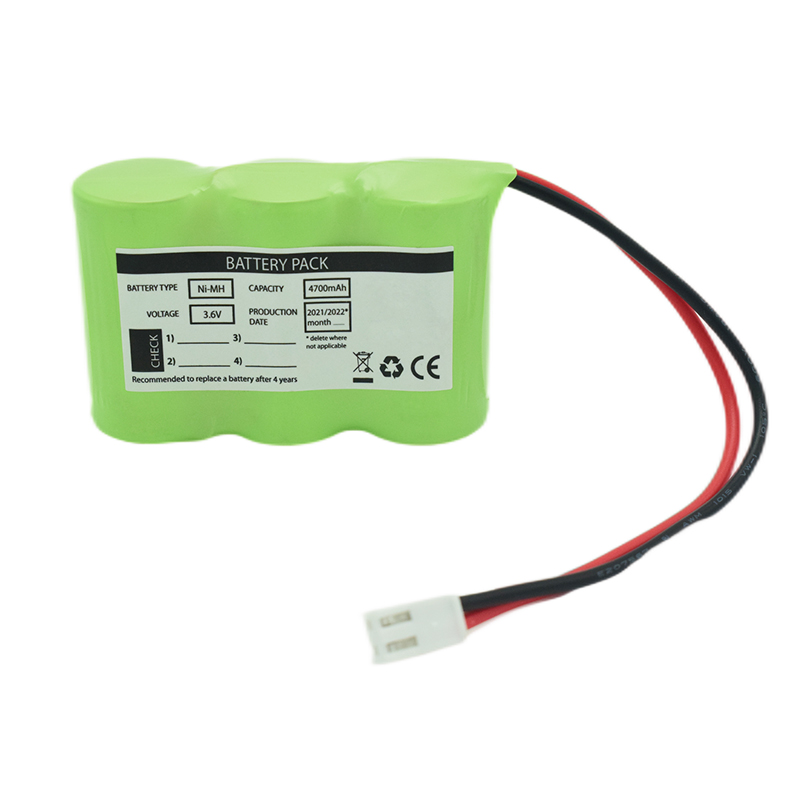 Ni-MH Battery C4700mAh 3.6V
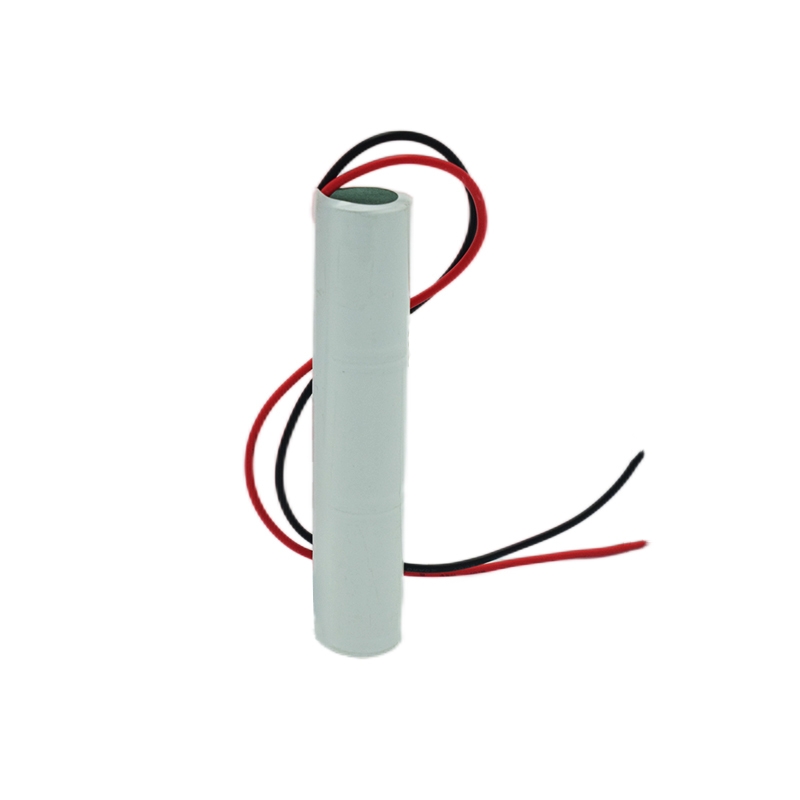 Nickel Cadmium Nicd Battery Pack SC1800mAh 3.6V
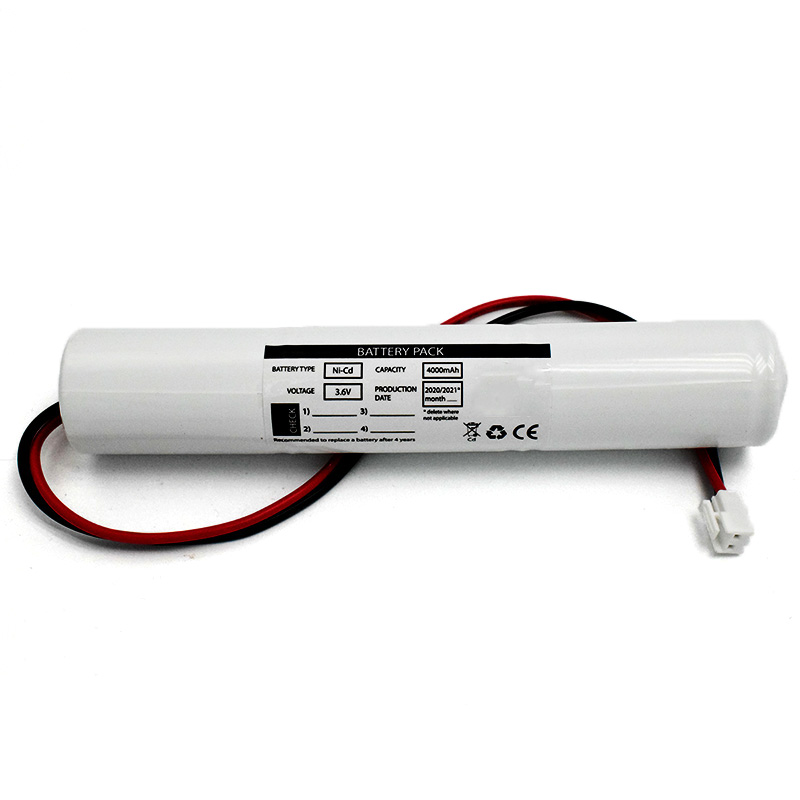 Ni-Cd Battery Pack D4000mAh 3.6V
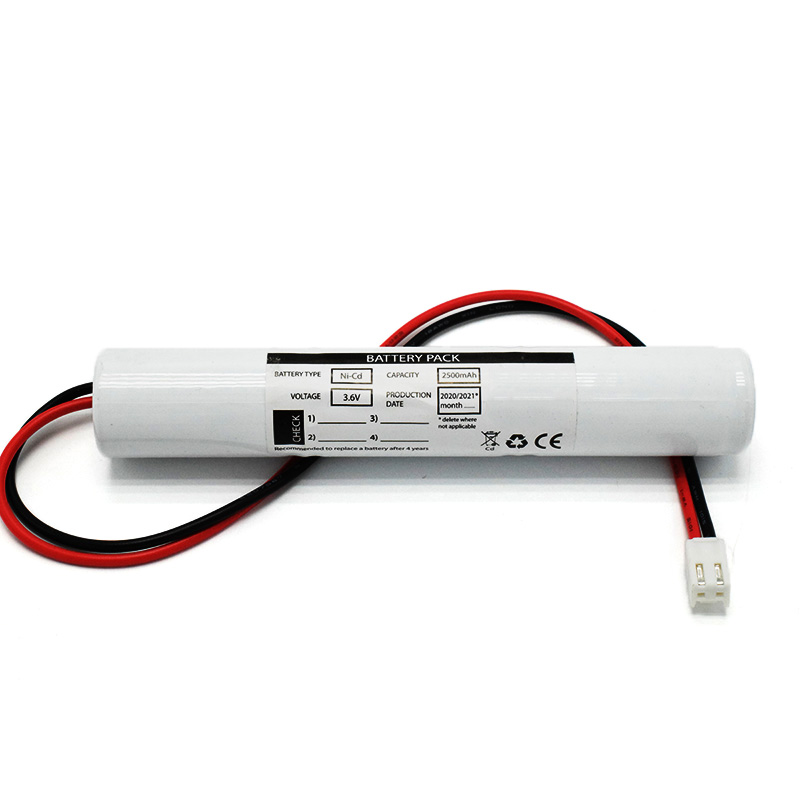 Ni-Cd Battery Pack C2500mAh 3.6V
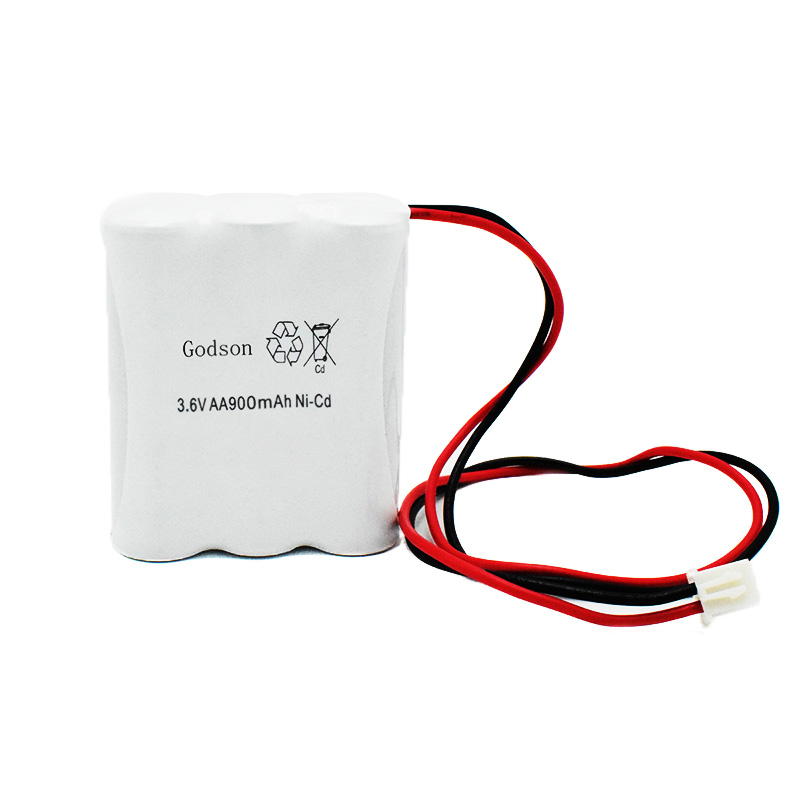 NICAD Battery Pack AA900mAh 3.6V
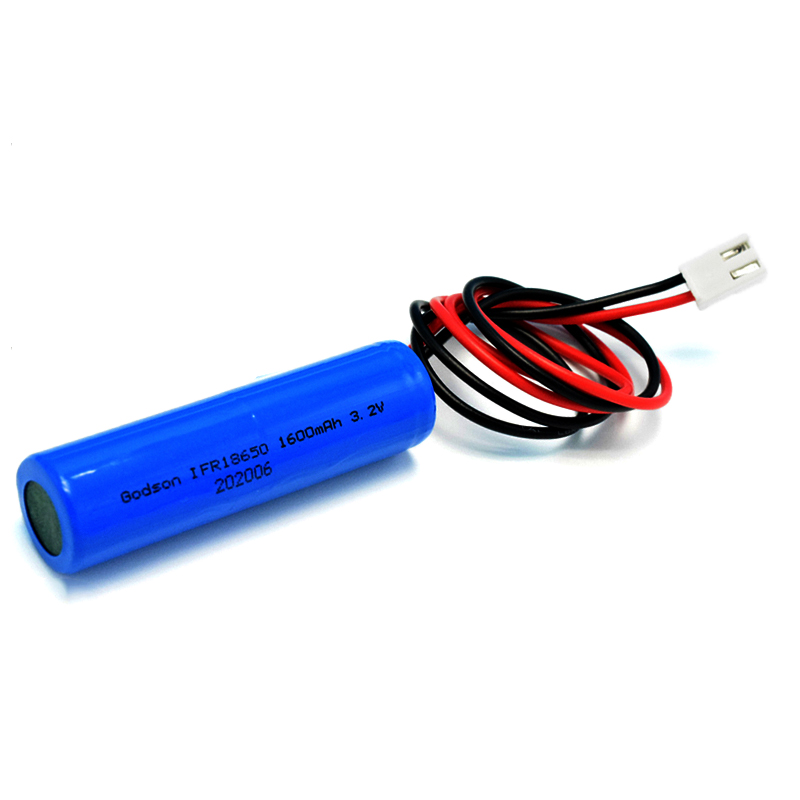 LiFePO4 IFR18650 1600mAh 3.2V
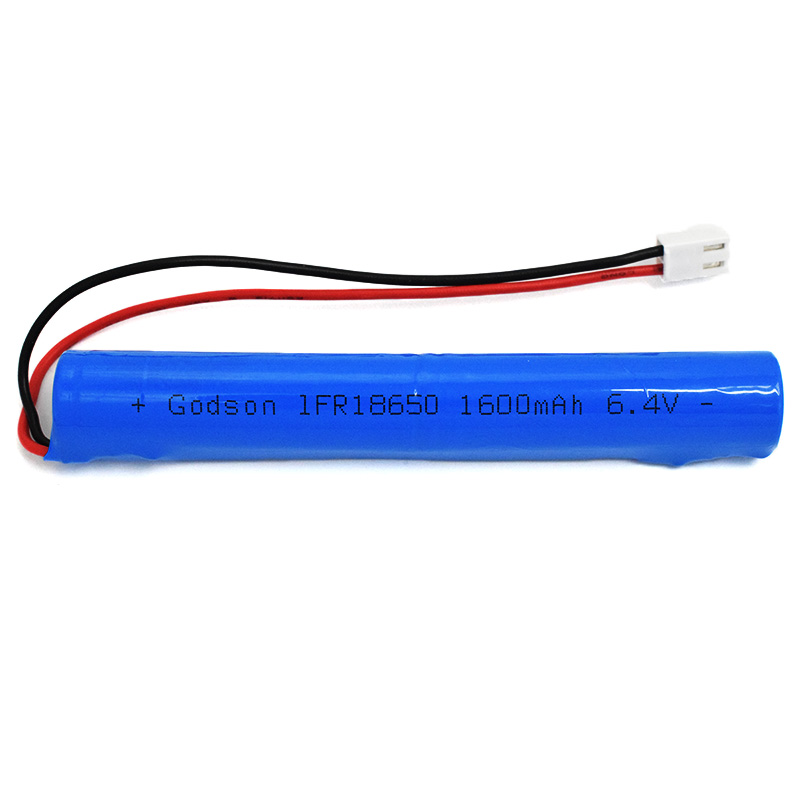 LiFePO4 IFR18650 1600mAh 6.4V
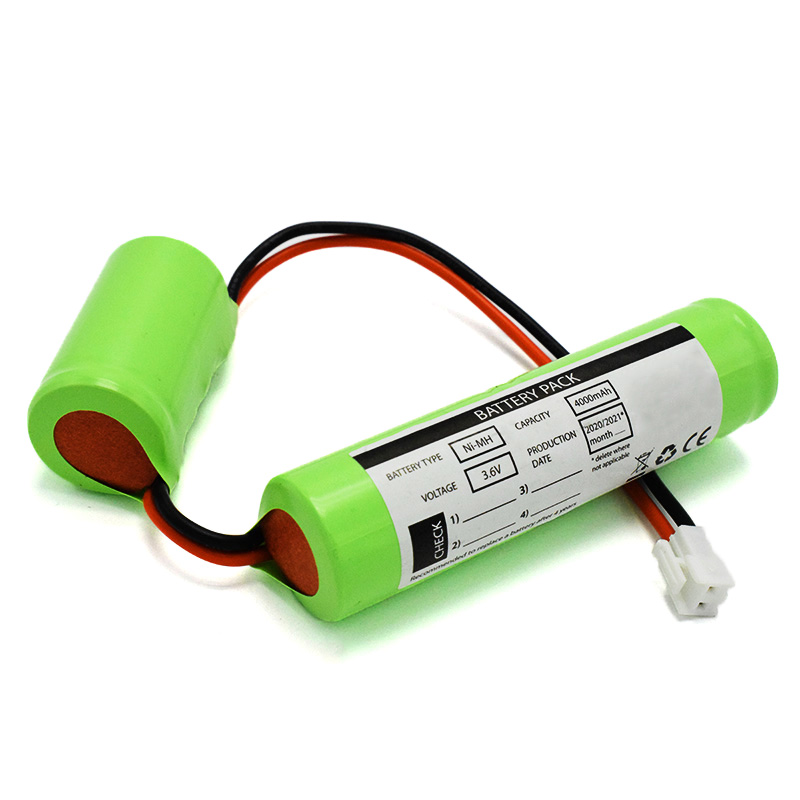 Ni-MH Battery C4000mAh 3.6V
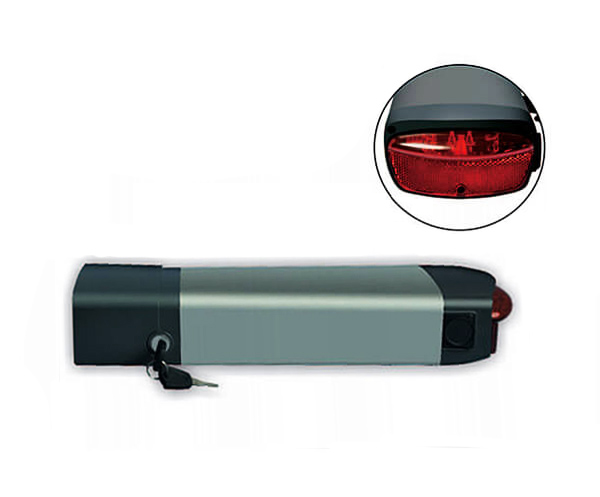 E-bike Battery 48V 10Ah JL-1
 E-bike battery 48V 10Ah Qing Tian