





Emergency lighting systems increasingly rely on LiFePO4 (Lithium Iron Phosphate) batteries because of their long cycle life, stable chemistry, and strong safety profile. However, even though LiFePO4 is one of the safest lithium chemistries, overcharging remains one of the most critical risks that can reduce performance and shorten battery lifespan.
Preventing overcharging is essential for ensuring reliable emergency lighting operation in commercial buildings, industrial facilities, hospitals, and public infrastructure.
This guide explains the causes of overcharging, its effects, and practical methods to prevent it in Emergency Lighting LiFePO4 battery systems.
Although LiFePO4 batteries are more stable than other lithium chemistries, repeated or prolonged overcharging can still cause long-term damage.
Main risks include:
Accelerated capacity loss
Increased internal resistance
Reduced cycle life
Thermal stress in cells
Swelling or structural degradation (in extreme cases)
Reduced emergency backup runtime
In emergency lighting systems, these issues can directly impact life-safety reliability, making prevention critical.
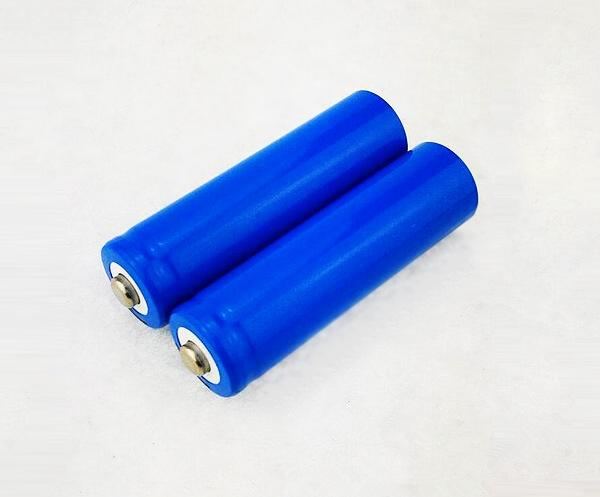
1. Use a Proper LiFePO4-Compatible Charger
The most important step in preventing overcharging is using the correct charger.
Correct charging profile (CC/CV)
A proper LiFePO4 charger should include:
Constant Current (CC) charging phase
Constant Voltage (CV) phase
Precise cutoff voltage: 3.55V–3.65V per cell
No excessive float charging (or very low float voltage if required)
What to avoid:
Lead-acid chargers
Ni-Cd/Ni-MH chargers
Generic “universal” chargers without lithium profiles
Incorrect chargers are one of the most common causes of overcharge damage in emergency lighting systems.
2. Install a Reliable Battery Management System (BMS)
A high-quality BMS is the primary defense against overcharging.
Key BMS protections:
Overvoltage protection (cell-level control)
Charge cutoff control
Cell balancing function
Temperature monitoring
Overcurrent protection
Why BMS matters:
Even if the charger fails or drifts in voltage, the BMS will:
Disconnect charging
Prevent unsafe voltage levels
Balance individual cells to avoid imbalance-related overcharge
Without a BMS, LiFePO4 batteries are significantly more vulnerable.
3. Avoid Continuous Float Charging
Unlike Ni-Cd or lead-acid batteries, LiFePO4 batteries do not require constant float charging.
Best practice:
Use standby charging only when needed
Keep float voltage minimal or disabled if system allows
Allow slight natural resting voltage instead of constant top-up
Risk of float overcharging:
Long-term stress on cells
Gradual capacity fade
Increased internal resistance
Emergency lighting systems should be designed for smart intermittent charging, not constant high-voltage maintenance.
4. Control Charging Voltage Accurately
Voltage accuracy is critical for preventing overcharge conditions.
Recommended limits:
Per cell: 3.55V–3.65V max
Pack level depends on series configuration
Important considerations:
Use precision voltage regulators
Regularly calibrate charging circuits
Avoid voltage drift in aging power supplies
Even small deviations over time can significantly reduce battery lifespan.
5. Ensure Proper Temperature Compensation (or Disable It)
LiFePO4 batteries do not require aggressive temperature compensation like lead-acid batteries.
Best practice:
Avoid traditional lead-acid-style temperature compensation
Use fixed voltage charging within safe range
Monitor temperature separately via BMS
Why this matters:
Incorrect temperature compensation can:
Push voltage too high in warm conditions
Lead to unintentional overcharging
6. Prevent Charger Malfunction and Power Supply Drift
Power supply instability is a hidden cause of overcharging.
Preventive measures:
Use high-quality LED emergency drivers or chargers
Implement surge protection devices
Regularly inspect power supply output stability
Replace aging chargers proactively
In commercial installations, aging power supplies often become voltage-unstable over time.
7. Use Smart Emergency Lighting Control Systems
Modern emergency lighting systems often include intelligent charging control.
Features that help prevent overcharging:
Automatic charge termination
Real-time battery monitoring
Fault alarm systems
Self-test functions
Energy-efficient standby modes
Smart systems reduce human error and improve long-term battery health.
8. Conduct Regular Maintenance and Testing
Even well-designed systems can drift over time.
Recommended schedule:
Monthly functional test
Annual full discharge test
Periodic voltage inspection
What to check:
Charging voltage stability
Battery temperature during charging
Abnormal swelling or heat
Charger output consistency
Early detection prevents long-term overcharging damage.
9. Avoid Mixing Incompatible Cells or Battery Packs
Using mismatched cells increases imbalance risk, which can lead to overcharging in weaker cells.
Avoid:
Mixing old and new batteries
Using different capacity cells in one pack
Combining different manufacturers
Result of mismatch:
Uneven cell voltage
One cell overcharged while others are undercharged
Reduced overall system reliability
10. Store Batteries Correctly When Not in Use
Improper storage can indirectly lead to overcharging once reinstalled.
Storage best practices:
Store at 40%–60% charge
Keep at 15°C–25°C
Recharge every 3–6 months
Avoid long-term full-charge storage
Watch for early warning indicators:
Slight battery swelling
Higher-than-normal operating temperature
Reduced backup runtime
Voltage instability
Frequent BMS cutoff events
Faster-than-normal aging
Early detection helps prevent permanent damage.
Use LiFePO4-specific charger
Install high-quality BMS
Avoid continuous float charging
Maintain correct voltage range
Prevent power supply drift
Ensure proper system design
Perform regular maintenance
Avoid cell mismatch
Preventing overcharging in Emergency Lighting LiFePO4 batteries depends on a combination of correct charging design, reliable BMS protection, stable voltage control, and proper maintenance practices.
Although LiFePO4 is inherently safer than other lithium chemistries, overcharging can still significantly reduce performance and compromise emergency system reliability.
By implementing proper electrical design and routine monitoring, facility managers and manufacturers can ensure long-term battery stability, maximize service life, and maintain dependable emergency lighting performance when it is needed most.


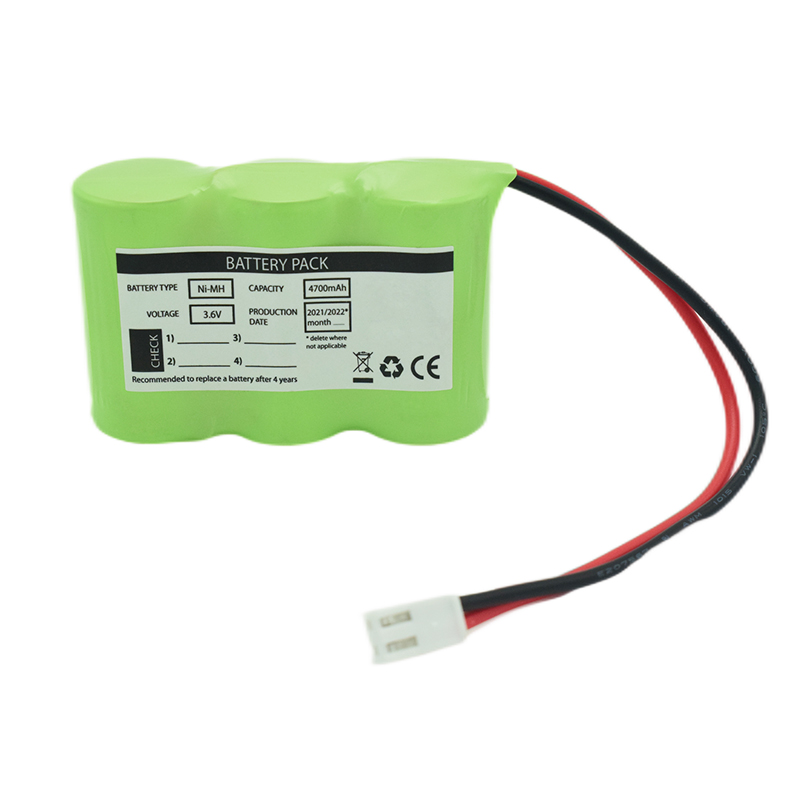 Ni-MH Battery C4700mAh 3.6V
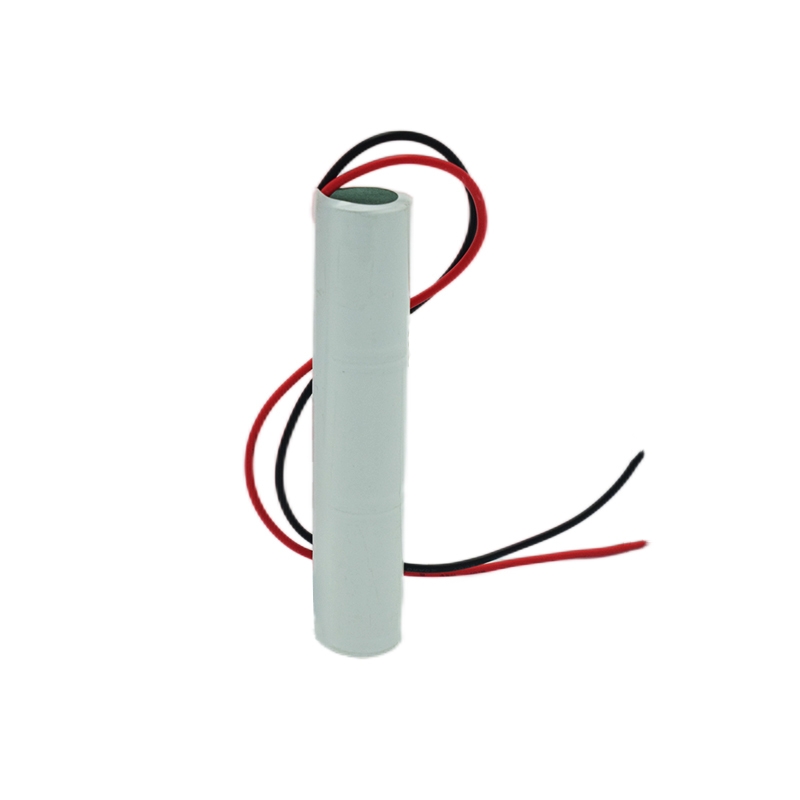 Nickel Cadmium Nicd Battery Pack SC1800mAh 3.6V
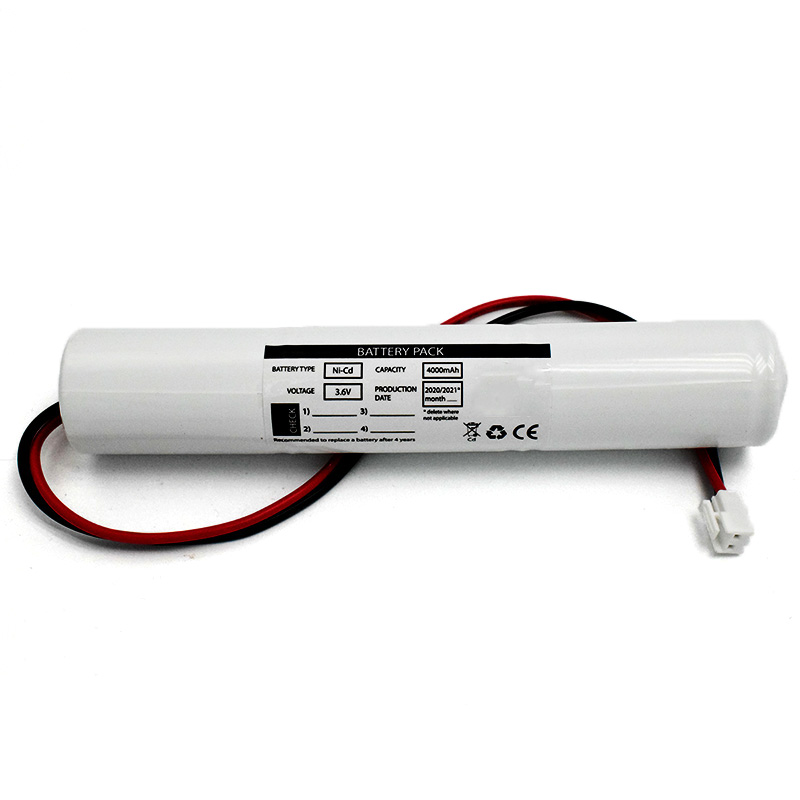 Ni-Cd Battery Pack D4000mAh 3.6V
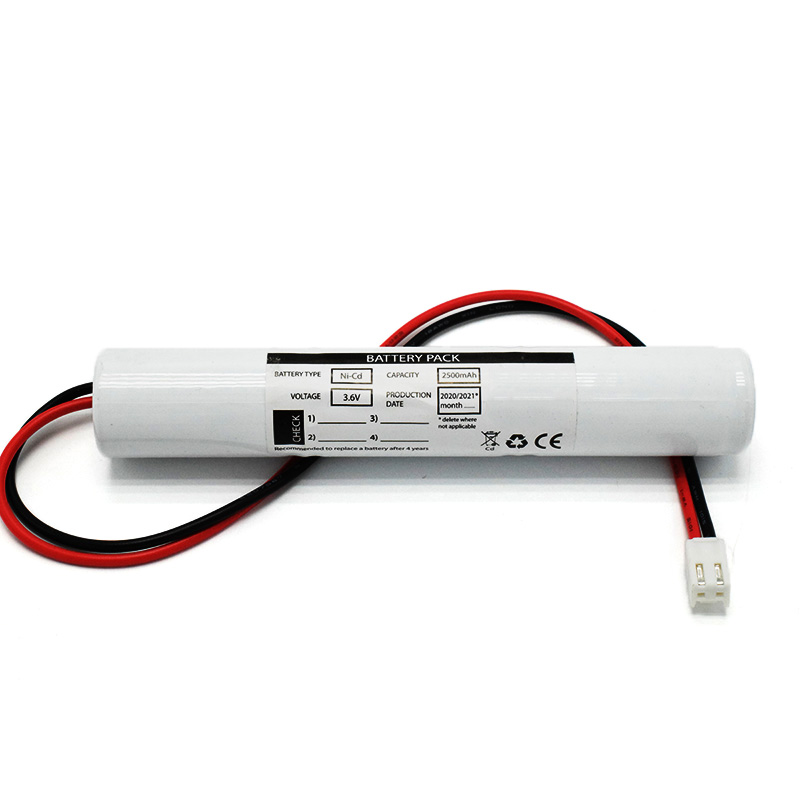 Ni-Cd Battery Pack C2500mAh 3.6V
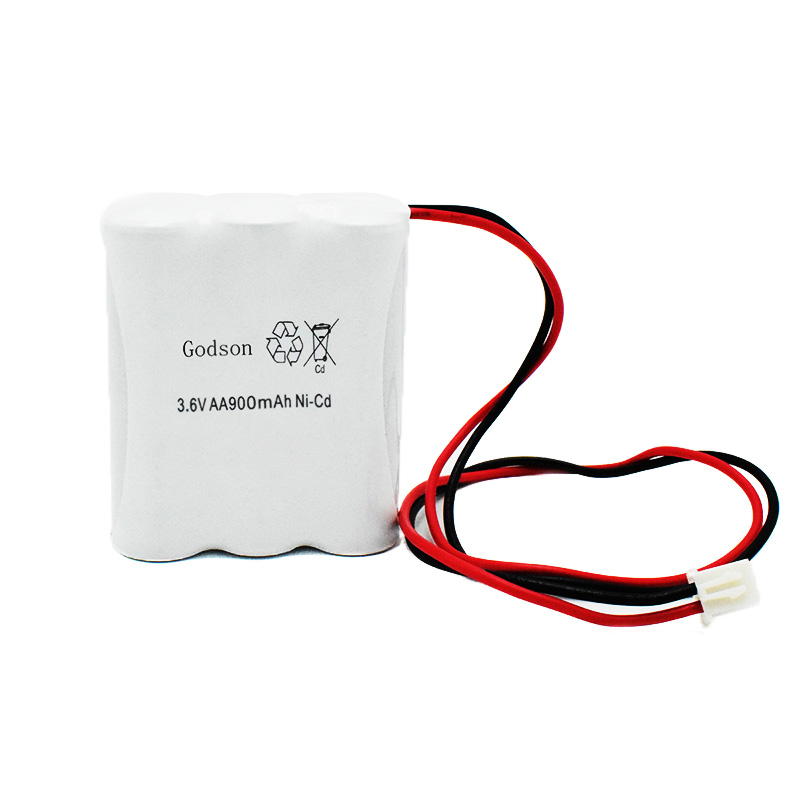 NICAD Battery Pack AA900mAh 3.6V
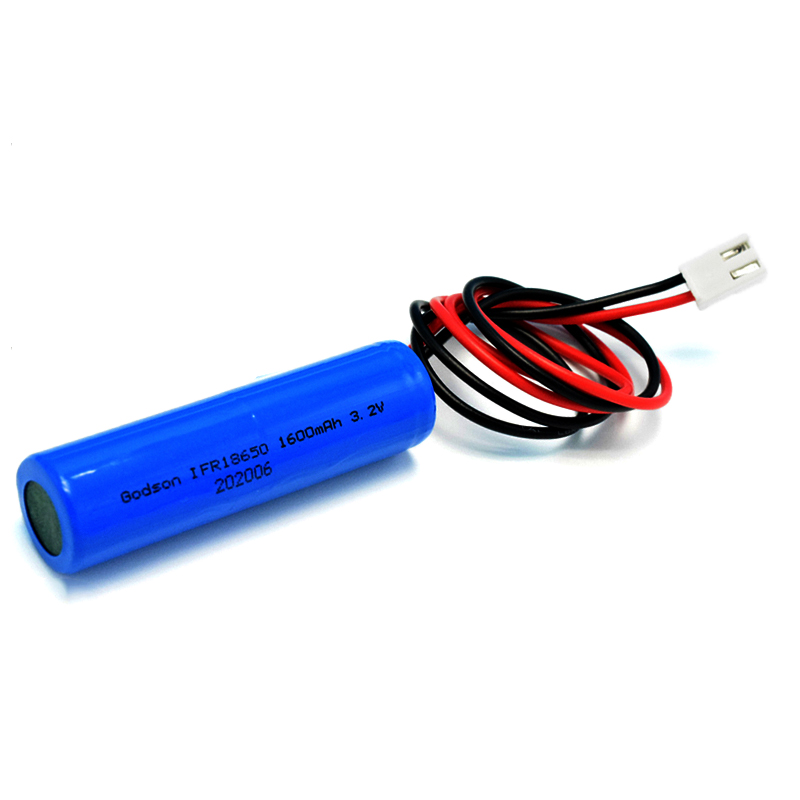 LiFePO4 IFR18650 1600mAh 3.2V
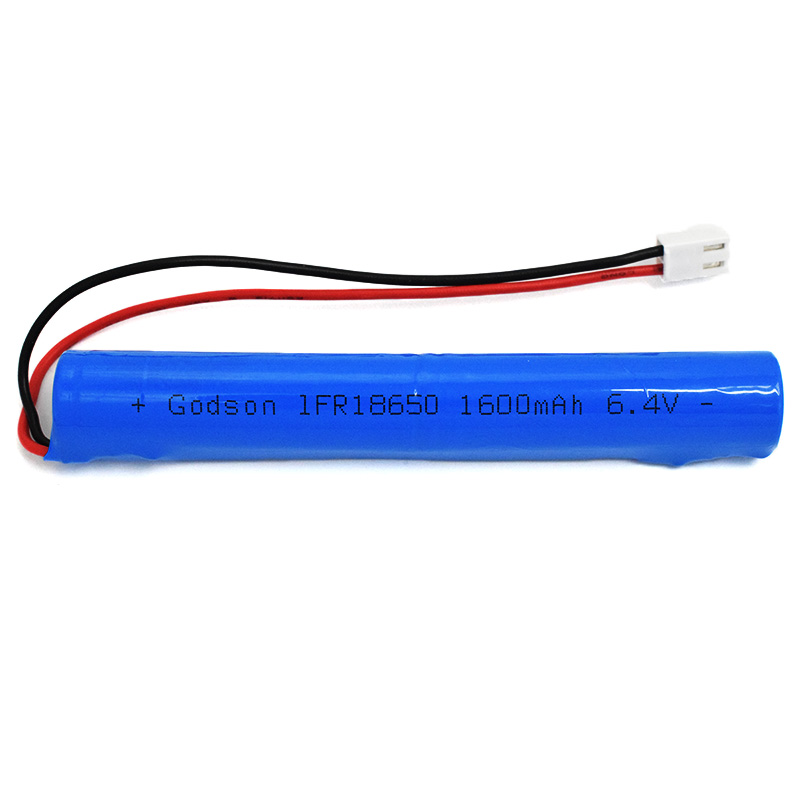 LiFePO4 IFR18650 1600mAh 6.4V
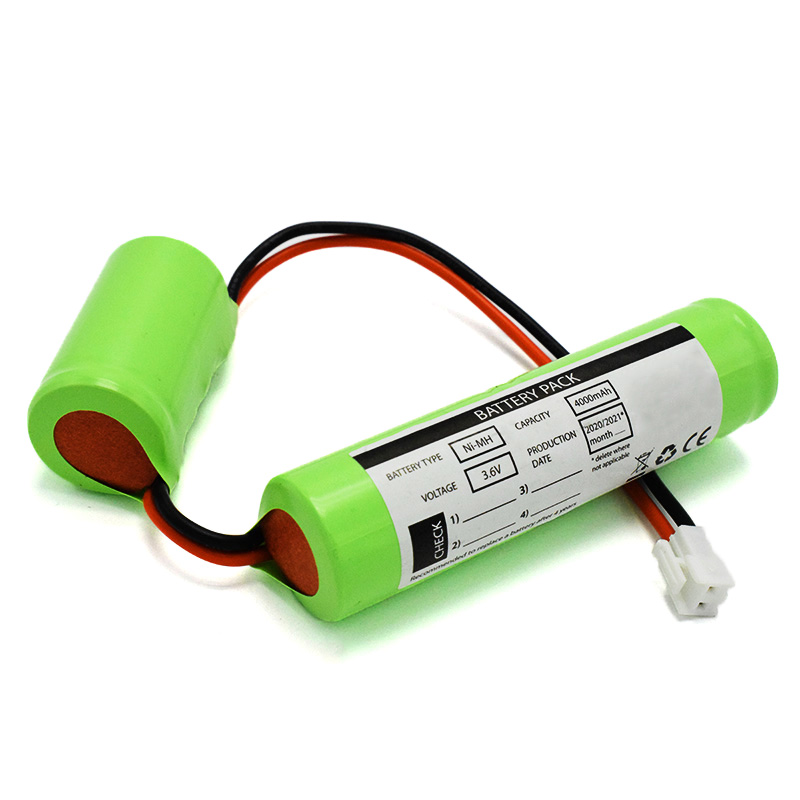 Ni-MH Battery C4000mAh 3.6V
 E-bike Battery 48V 10Ah JL-1
 E-bike battery 48V 10Ah Qing Tian