
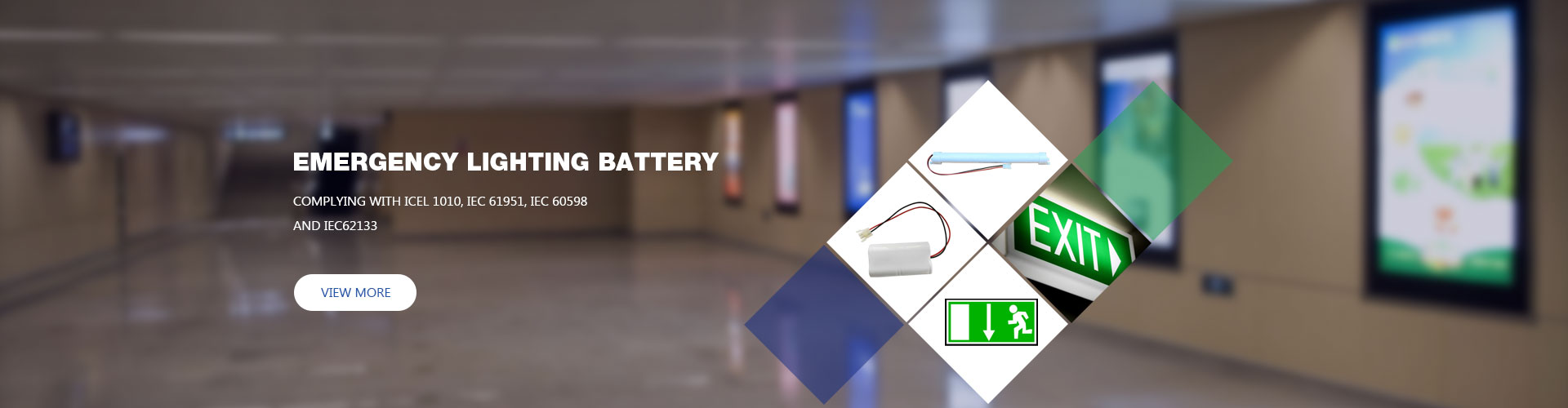


Emergency lighting systems are critical safety components in commercial buildings, industrial facilities, hospitals, schools, hotels, and public infrastructure. During power failures, fires, or emergency evacuations, these systems provide essential illumination that helps occupants exit safely.
One of the most important parts of any emergency lighting system is the backup battery. Ni-MH (Nickel-Metal Hydride) batteries are widely used in modern emergency lighting because of their compact size, reliable performance, and environmentally friendly characteristics. However, proper maintenance is essential to ensure long-term reliability and maximum battery lifespan.
In this guide, we will explore the best practices for emergency lighting maintenance using Ni-MH batteries, helping facility managers, contractors, maintenance teams, and procurement professionals improve safety, reduce failures, and lower operational costs.
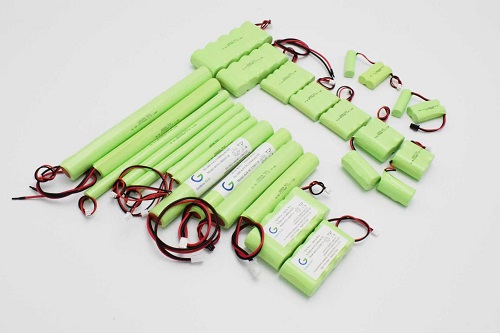
Ni-MH batteries have become increasingly popular in emergency lighting systems because they offer several advantages:
High energy density
Compact battery size
Reliable standby performance
Environmentally friendlier than Ni-Cd batteries
Good recharge efficiency
Stable discharge characteristics
Lower maintenance requirements
They are commonly used in:
LED emergency lights
Exit signs
Commercial emergency lighting systems
Fire safety backup lighting
Residential emergency lighting units
Despite their durability, regular maintenance is still necessary to maintain system performance and comply with safety regulations.
Emergency lighting systems may remain unused for long periods, but they must function instantly during emergencies.
Poor maintenance can lead to:
Battery failure
Reduced backup runtime
Inadequate illumination
Regulatory non-compliance
Increased replacement costs
Safety risks during evacuations
Routine inspection and battery maintenance help ensure dependable operation when emergency situations occur.
1. Perform Regular Functional Testing
Routine testing is one of the most important maintenance practices.
Monthly Functional Tests
Most safety standards recommend monthly testing to verify that:
Emergency lights activate properly
Batteries discharge correctly
Charging systems function normally
A typical monthly test involves:
Simulating power failure
Checking illumination performance
Verifying charging indicator status
Short functional tests help identify early battery problems before complete failure occurs.
2. Conduct Full Duration Testing Annually
In addition to monthly checks, a full discharge test should be performed annually.
Purpose of Annual Testing
This test confirms that the Ni-MH battery can support the emergency light for the required duration, commonly:
90 minutes
120 minutes
180 minutes
During the test:
Main power is disconnected
Emergency lighting operates on battery power
Runtime is measured and recorded
If runtime falls below required standards, battery replacement may be necessary.
3. Monitor Battery Charging Performance
Improper charging is a common cause of reduced battery lifespan.
Check for:
Stable charging voltage
Proper charging current
Charging indicator operation
Overheating during charging
Overcharging or undercharging can damage Ni-MH batteries and reduce capacity over time.
Smart Charging Systems
Modern emergency lighting systems often use intelligent chargers that help:
Prevent overcharging
Improve battery lifespan
Maintain optimal charge levels
Reduce energy consumption
Upgrading to smart charging systems can significantly improve maintenance efficiency.
4. Maintain Proper Environmental Conditions
Temperature greatly affects Ni-MH battery performance.
Ideal Operating Temperature
Most Ni-MH emergency lighting batteries perform best between:
10°C to 30°C (50°F to 86°F)
High Temperatures Can Cause:
Faster capacity loss
Reduced battery lifespan
Increased self-discharge
Internal cell damage
Cold Temperatures Can Cause:
Reduced runtime
Temporary performance loss
Slower charging efficiency
Emergency lighting systems installed in extreme environments should be inspected more frequently.
5. Inspect for Physical Damage
Routine visual inspections help identify potential safety issues early.
Check for:
Battery swelling
Corrosion
Leakage
Loose wiring
Damaged connectors
Burn marks
Cracked battery casing
Physical damage can affect system reliability and create electrical safety risks.
Any damaged battery pack should be replaced immediately.
6. Keep Battery Contacts Clean
Dirty or corroded terminals may reduce electrical conductivity.
Maintenance Tips
Clean terminals periodically
Remove dust buildup
Check for oxidation
Ensure secure electrical connections
Good electrical contact helps maintain efficient charging and stable emergency operation.
7. Replace Aging Batteries Before Failure
Ni-MH batteries naturally lose capacity over time.
Even with proper maintenance, emergency lighting batteries eventually require replacement.
Typical Ni-MH Battery Lifespan
Depending on usage and environmental conditions:
3 to 5 years average service life
Longer in stable environments with proper charging
Do not wait for complete battery failure before replacement.
Proactive replacement helps avoid unexpected emergency lighting outages.
8. Use Manufacturer-Approved Replacement Batteries
Using incompatible batteries can create serious problems.
Incorrect Batteries May Cause:
Reduced runtime
Charging issues
Overheating
System malfunction
Safety hazards
Always match:
Voltage
Capacity
Connector type
Battery chemistry
with the original emergency lighting specifications.
9. Maintain Accurate Maintenance Records
Documentation is important for both safety compliance and maintenance planning.
Maintenance Logs Should Include:
Inspection dates
Test results
Battery replacement dates
Runtime measurements
Technician notes
Identified issues
Proper records help:
Track battery aging
Schedule preventive maintenance
Meet fire safety regulations
Improve facility management efficiency
10. Avoid Deep Discharge During Storage
If emergency lighting batteries are stored before installation, improper storage can reduce battery performance.
Storage Best Practices
Store in cool, dry environments
Avoid complete discharge
Recharge periodically during long-term storage
Follow manufacturer storage recommendations
Ni-MH batteries naturally self-discharge over time, so long-term storage requires monitoring.
Recognizing early warning signs helps prevent system failure.
Common Signs Include:
Shorter backup runtime
Slow charging
Failure during testing
Dim emergency lighting
Battery overheating
Physical swelling or leakage
Frequent system alarms
Replacing weak batteries early improves overall emergency system reliability.
Improved Safety Compliance
Regular maintenance helps meet building safety and fire protection regulations.
Longer Battery Lifespan
Proper charging and environmental management help maximize battery service life.
Reduced Maintenance Costs
Preventive maintenance lowers emergency repair expenses and reduces unexpected failures.
Reliable Emergency Performance
Well-maintained batteries ensure lighting operates correctly during critical situations.
Lower Total Ownership Cost
Fewer battery failures and replacements help reduce long-term operational expenses.
Ni-MH emergency lighting systems are commonly used in:
Commercial office buildings
Hospitals
Airports
Hotels
Educational institutions
Shopping malls
Industrial plants
Residential complexes
These environments require dependable emergency backup lighting to protect occupants and maintain regulatory compliance.
Modern emergency lighting systems are becoming more intelligent and automated.
Emerging Technologies Include:
Self-testing emergency lights
Remote battery monitoring
Smart charging systems
Predictive maintenance software
Energy-efficient LED integration
These technologies help simplify maintenance while improving battery reliability and operational efficiency.
Proper maintenance of Ni-MH batteries is essential for ensuring emergency lighting systems operate reliably during power outages and emergency situations. Regular testing, correct charging practices, environmental control, proactive battery replacement, and proper documentation all contribute to improved safety and longer battery lifespan.
By following these best practices for emergency lighting maintenance using Ni-MH batteries, facility managers and building operators can reduce failures, improve compliance, lower costs, and ensure dependable emergency illumination when it matters most.
As emergency lighting technology continues to evolve, well-maintained Ni-MH battery systems remain a reliable and efficient solution for commercial, industrial, and public safety applications.


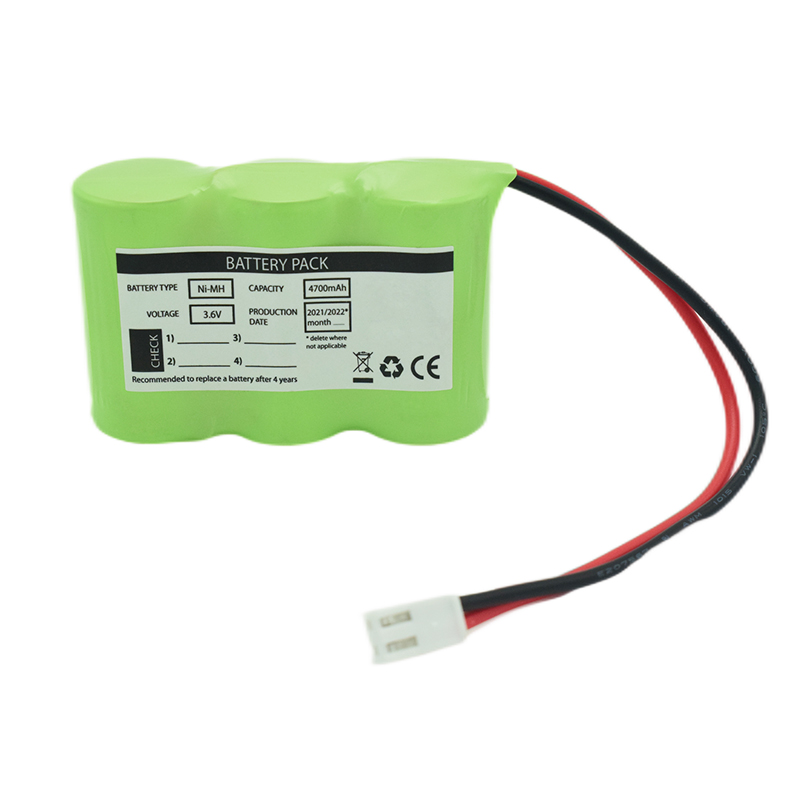 Ni-MH Battery C4700mAh 3.6V
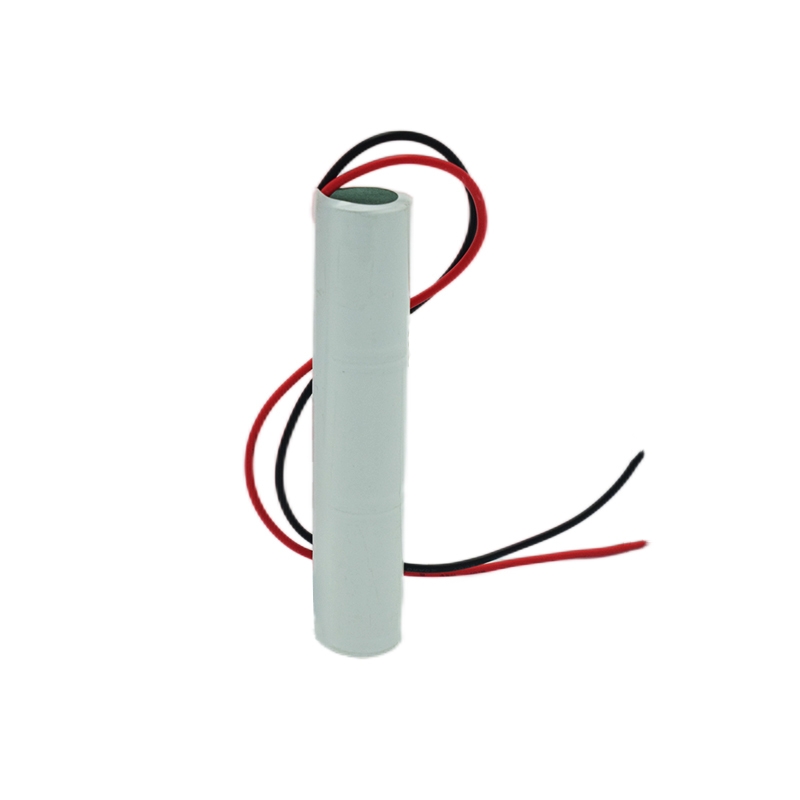 Nickel Cadmium Nicd Battery Pack SC1800mAh 3.6V
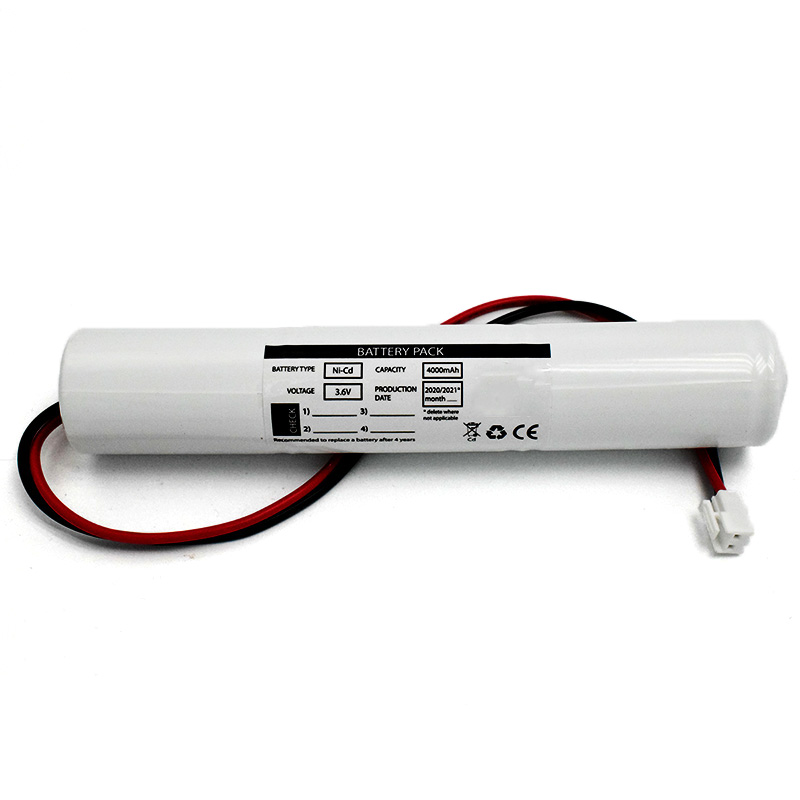 Ni-Cd Battery Pack D4000mAh 3.6V
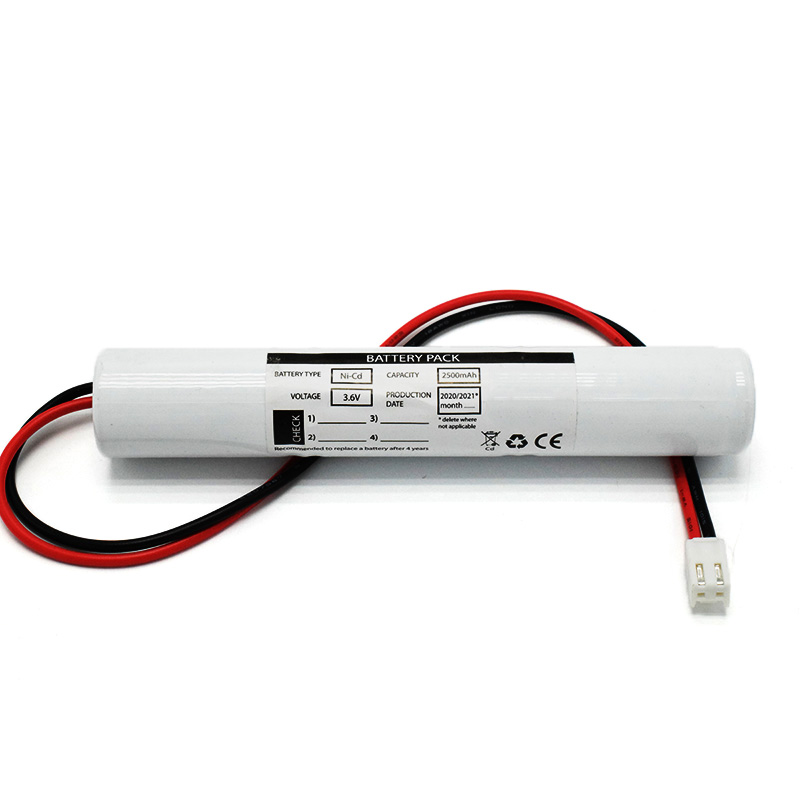 Ni-Cd Battery Pack C2500mAh 3.6V
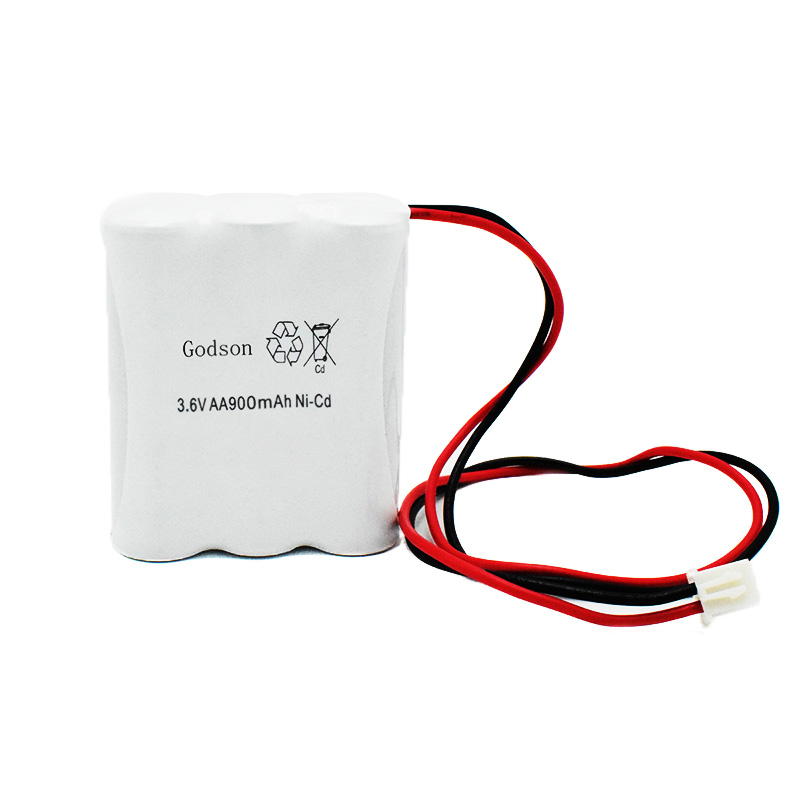 NICAD Battery Pack AA900mAh 3.6V
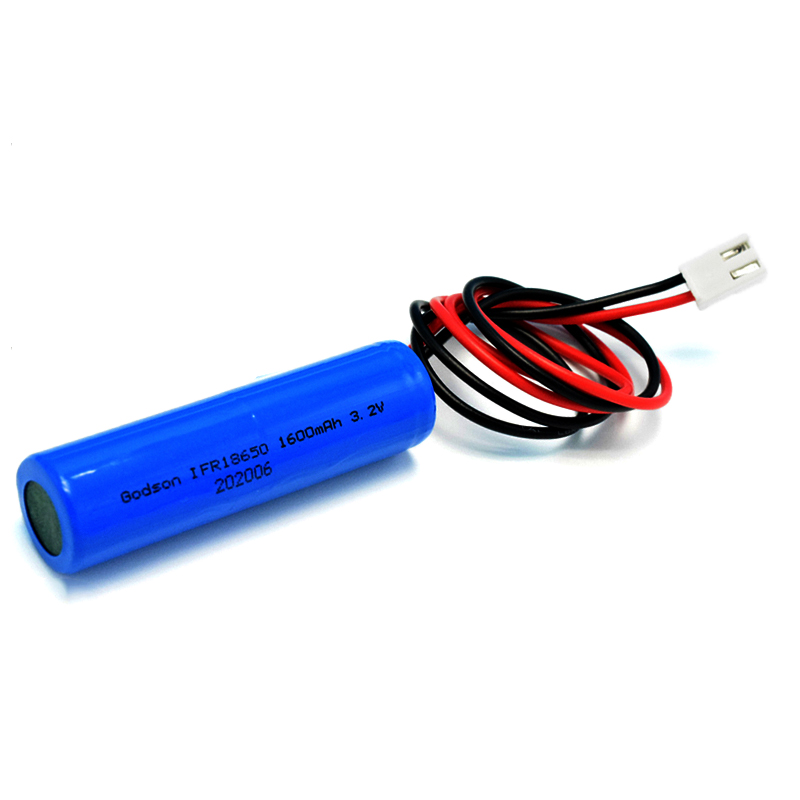 LiFePO4 IFR18650 1600mAh 3.2V
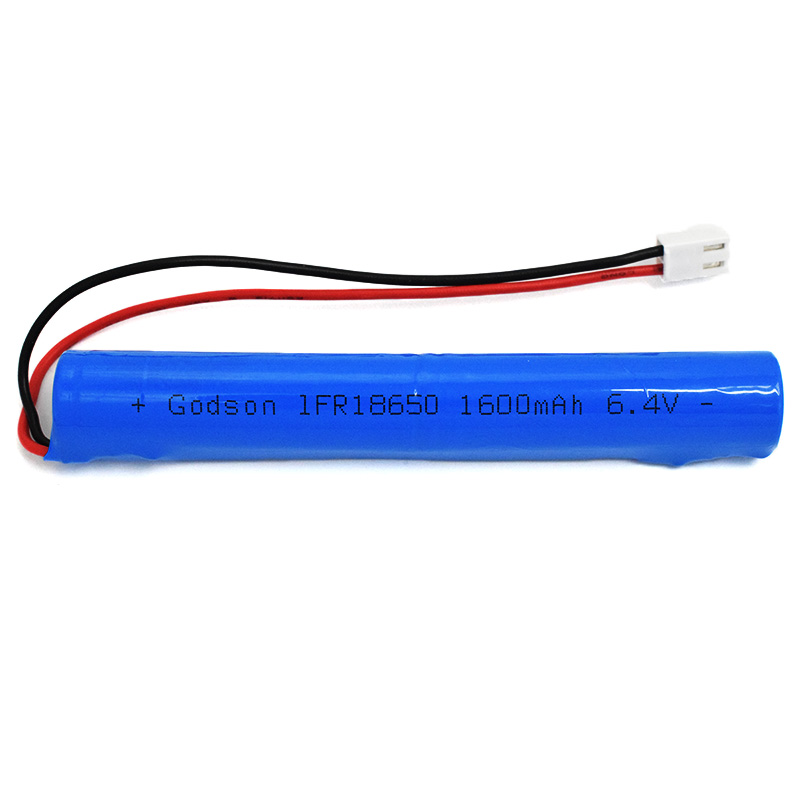 LiFePO4 IFR18650 1600mAh 6.4V
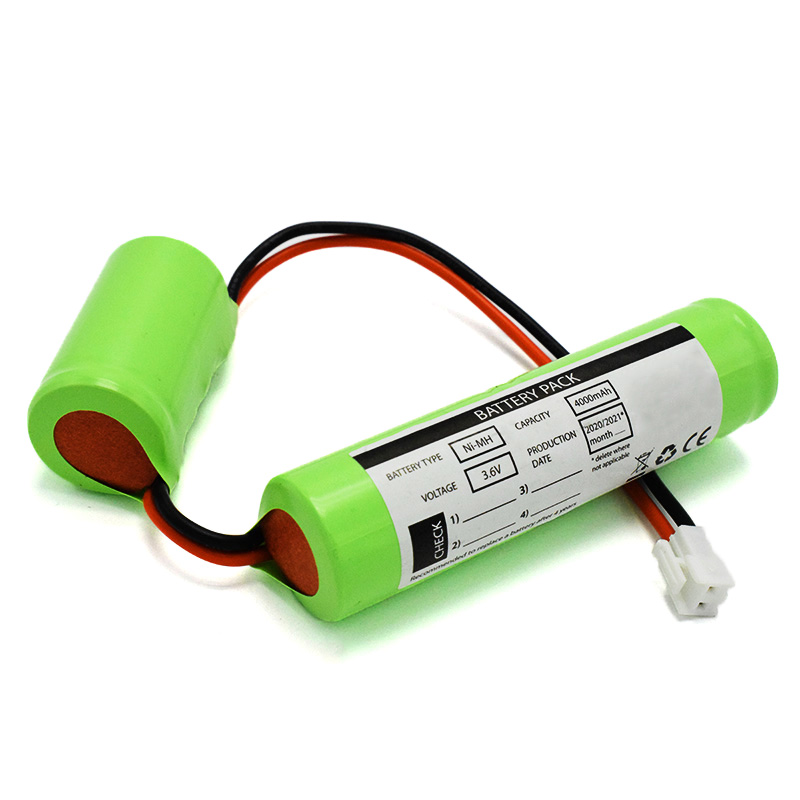 Ni-MH Battery C4000mAh 3.6V
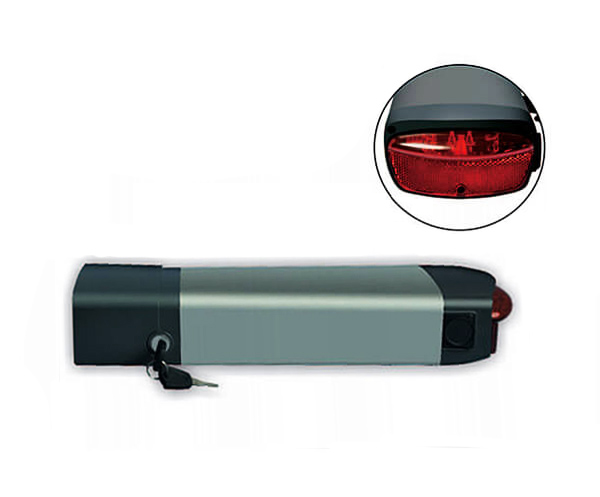 E-bike Battery 48V 10Ah JL-1
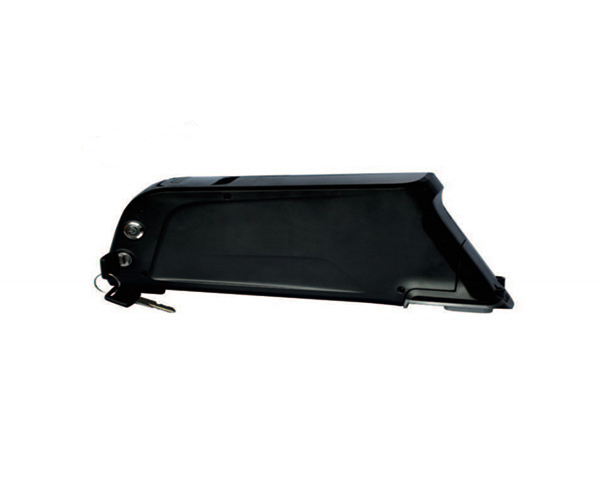 E-bike battery 48V 10Ah Qing Tian