

Nickel-Metal Hydride (Ni-MH) batteries are widely used in emergency lighting systems due to their good energy density, environmental advantages over Ni-Cd, and relatively stable performance in standby applications. However, like all rechargeable batteries, their efficiency and lifespan depend heavily on how they are selected, charged, and maintained.
For building owners, facility managers, and OEMs, optimizing Ni-MH battery performance is not just about battery life—it directly affects safety compliance, system reliability, and long-term maintenance costs.
Below are practical, industry-proven strategies to maximize the performance of Ni-MH batteries in emergency lighting systems.
Performance starts with proper selection. Ni-MH batteries are not all the same, and choosing the right specification is essential.
Key parameters to evaluate:
Capacity (mAh rating) aligned with required emergency duration
Discharge rate capability
Temperature tolerance range
Cell quality (industrial-grade preferred over consumer-grade)
Why this matters:
Undersized or low-quality batteries often suffer from:
Reduced backup time
Faster capacity degradation
Increased risk of premature failure
For emergency lighting, always prioritize industrial-grade Ni-MH cells designed for standby/float charging use.
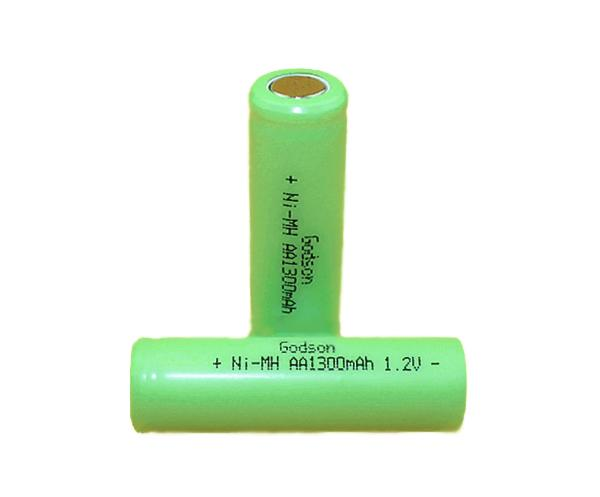
Charging behavior has a major impact on Ni-MH battery lifespan. Poor charging control is one of the most common causes of performance decline.
Best practices include:
Use smart charging circuits with ΔV (negative delta voltage) detection
Avoid continuous overcharging (trickle charge must be controlled)
Implement temperature-based charging compensation
Ensure proper charge termination logic
Environmental and performance benefit:
A well-designed charging system prevents:
Overheating
Gas pressure buildup
Electrolyte degradation
This significantly extends cycle life and maintains stable emergency readiness.
Although Ni-MH batteries are more tolerant than some chemistries, repeated deep discharge still reduces lifespan.
In emergency lighting systems:
Avoid letting batteries drop to zero frequently
Ensure periodic recharge cycles in standby mode
Use low-voltage cutoff protection
Key insight:
Deep discharge increases internal resistance and reduces usable capacity over time, which directly shortens backup duration in real emergencies.
Temperature is one of the most critical factors affecting Ni-MH performance.
Recommended operating range:
Ideal: 10°C to 30°C
Acceptable: 0°C to 40°C (depending on cell design)
What to avoid:
Continuous exposure above 45°C
Installation near heat sources (drivers, transformers, lighting ballasts)
Poor ventilation enclosures
Impact:
High temperatures accelerate:
Capacity fade
Internal pressure buildup
Electrolyte breakdown
Maintaining stable temperature conditions significantly improves long-term reliability.
Emergency lighting systems require periodic testing for safety compliance, but testing also benefits battery health when done correctly.
Recommended maintenance practices:
Monthly functional testing (short duration discharge)
Annual full discharge/recharge calibration (if applicable)
Monitor battery voltage and internal resistance trends
Why it matters:
Controlled cycling helps:
Prevent memory-like effects (less severe in Ni-MH but still relevant in some conditions)
Maintain accurate capacity estimation
Identify early-stage degradation
Ni-MH batteries can lose performance if left unused or uncycled for long periods.
To prevent this:
Keep batteries in a partially charged state during storage
Perform periodic maintenance charging every 3–6 months
Avoid storing fully discharged batteries
Performance impact:
Proper storage management reduces:
Self-discharge-related capacity loss
Crystal formation inside electrodes
Long-term irreversible degradation
In emergency lighting, batteries are often used in series or packs. Mismatched cells can significantly reduce performance.
Best practices:
Use matched capacity and internal resistance cells
Avoid mixing old and new batteries
Replace full packs instead of single weak cells
Why this is critical:
Weak cells in a pack can:
Limit overall discharge capacity
Overheat under load
Cause uneven charging behavior
Proper matching ensures stable and predictable performance.
Internal resistance increases naturally over time, but poor usage conditions accelerate it.
To slow this process:
Avoid high continuous discharge currents beyond design limits
Prevent frequent rapid charge/discharge cycles without rest
Maintain stable temperature and charging control
Lower internal resistance means:
Higher efficiency
Better emergency discharge performance
Reduced heat generation
Even the best Ni-MH cells will underperform if paired with poor electronic control systems.
Ensure:
Reliable emergency lighting driver circuits
Accurate voltage monitoring
Thermal protection integration
Stable current regulation
A well-designed system can extend battery life by 20–40% in real-world applications.
Waiting until complete failure reduces system reliability and may violate safety standards.
Signs replacement is needed:
Reduced backup duration
Increased charging time
Noticeable heat during charging
Frequent failure during testing
Best practice:
Replace batteries proactively based on:
Cycle count
Performance degradation trend
Manufacturer recommended lifespan
Maximizing the performance of Ni-MH batteries in emergency lighting is not dependent on a single factor—it is the result of proper selection, intelligent charging design, thermal management, and disciplined maintenance practices.
Key takeaways:
Use high-quality, application-specific cells
Control charging and avoid overcharge conditions
Maintain stable temperature environments
Perform regular testing and maintenance
Replace batteries proactively before performance drops significantly
When properly managed, Ni-MH batteries provide a reliable, stable, and environmentally responsible solution for emergency lighting systems across commercial, industrial, and public infrastructure applications.


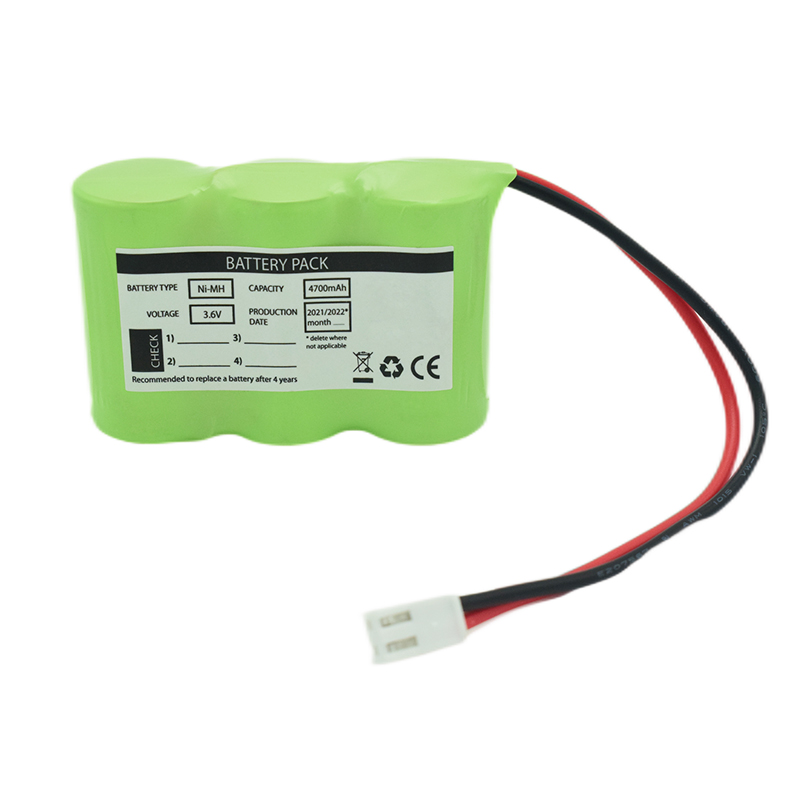 Ni-MH Battery C4700mAh 3.6V
 Nickel Cadmium Nicd Battery Pack SC1800mAh 3.6V
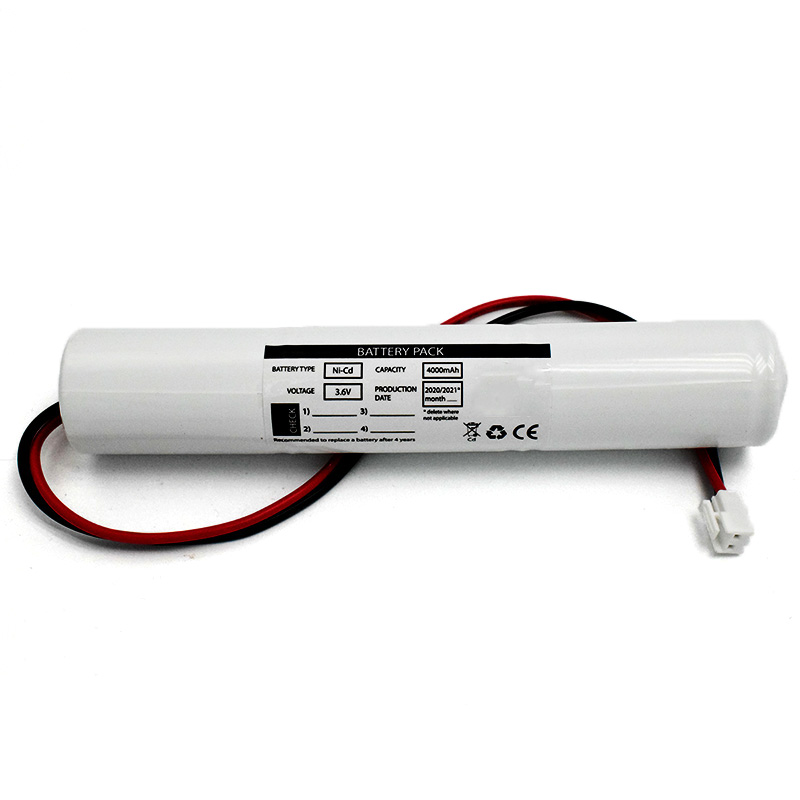 Ni-Cd Battery Pack D4000mAh 3.6V
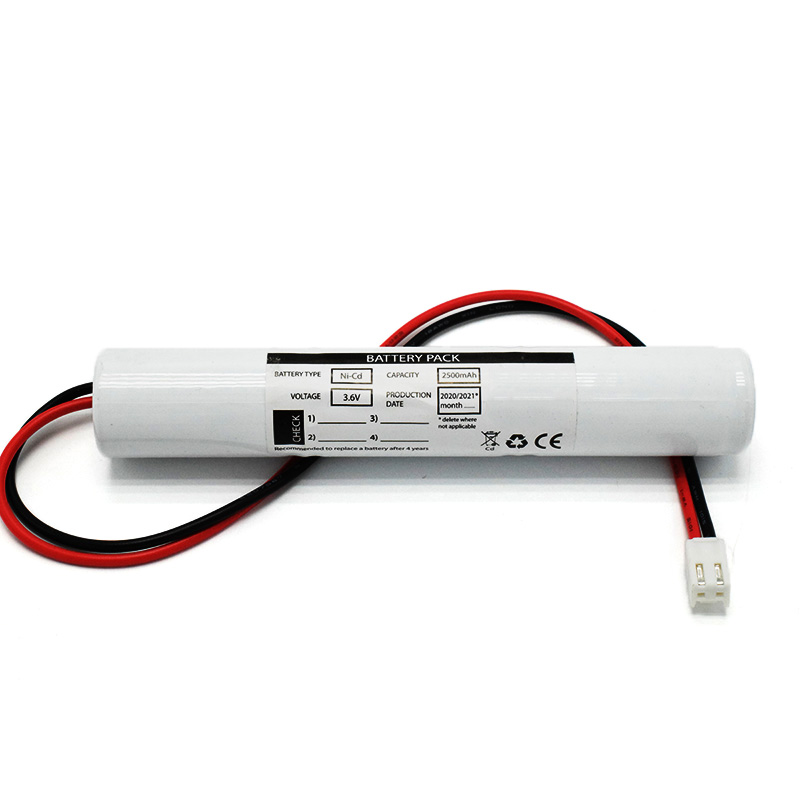 Ni-Cd Battery Pack C2500mAh 3.6V
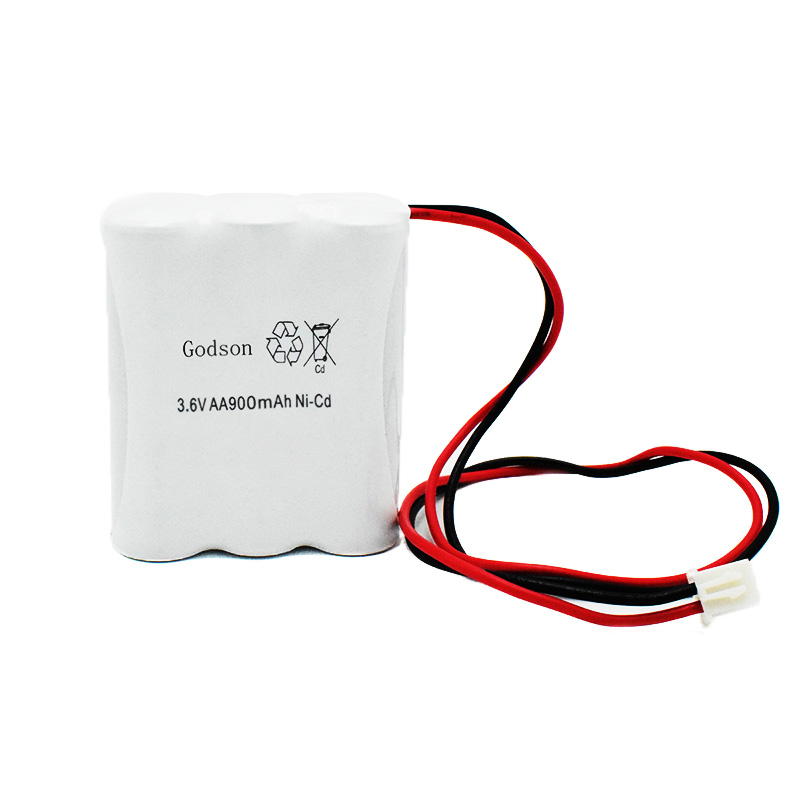 NICAD Battery Pack AA900mAh 3.6V
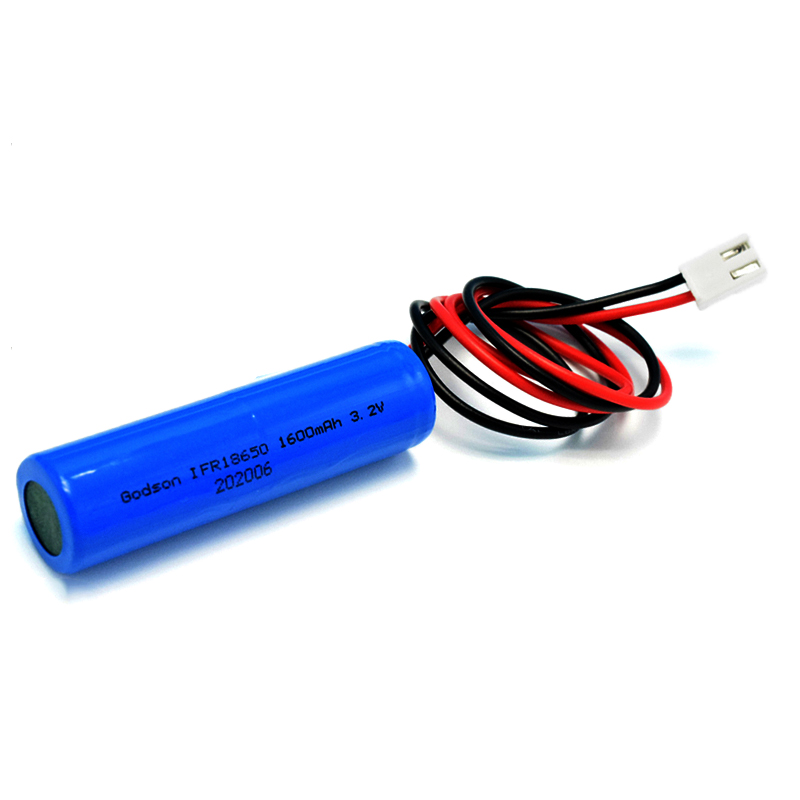 LiFePO4 IFR18650 1600mAh 3.2V
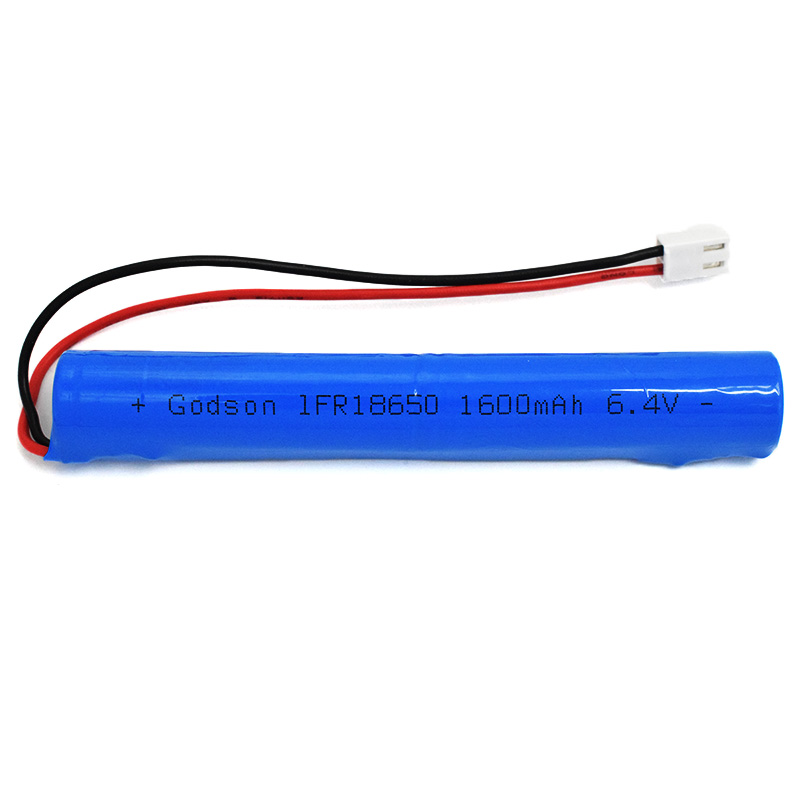 LiFePO4 IFR18650 1600mAh 6.4V
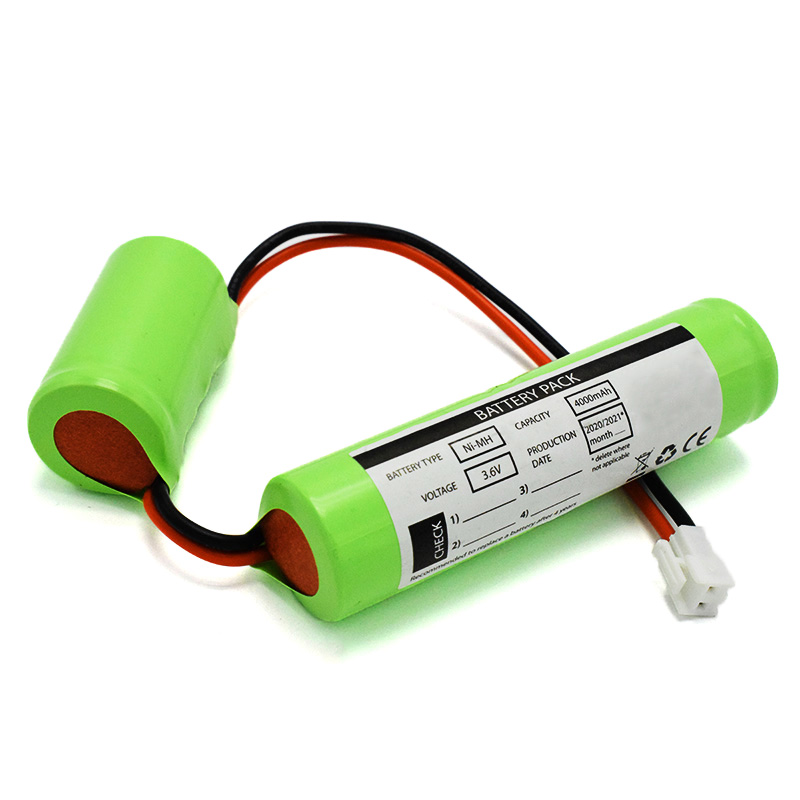 Ni-MH Battery C4000mAh 3.6V
 E-bike Battery 48V 10Ah JL-1
 E-bike battery 48V 10Ah Qing Tian