




Emergency lighting systems are a critical part of building safety infrastructure, ensuring visibility and evacuation guidance during power failures. Among various rechargeable battery technologies used in these systems, Nickel-Cadmium (Ni-Cd) batteries remain widely adopted in industrial, commercial, and public safety applications.
While newer chemistries like lithium-ion are gaining attention, Ni-Cd batteries still hold a strong position—especially in harsh environments and mission-critical emergency lighting systems. Beyond performance, they also offer several environmental advantages that are often overlooked in modern discussions.
This article explores the environmental benefits of Ni-Cd batteries in emergency lighting from a lifecycle, safety, and sustainability perspective.
One of the most important environmental advantages of Ni-Cd batteries is their long operational lifespan.
In emergency lighting systems, battery replacement frequency directly impacts waste generation and resource consumption. Ni-Cd batteries typically:
Last 5–10 years in standby applications
Support hundreds to thousands of charge/discharge cycles
Maintain stable performance over time
Why this matters environmentally:
A longer lifespan means:
Fewer battery replacements
Reduced manufacturing demand
Lower transportation emissions
Less industrial waste entering the environment
In large-scale installations such as hospitals, airports, and commercial buildings, this reduction becomes significant over time.
Emergency lighting systems must operate reliably in environments where temperature fluctuations, humidity, and long idle periods are common.
Ni-Cd batteries are known for:
Strong performance in high and low temperatures
Resistance to deep discharge damage
Stable chemistry under long standby conditions
Environmental impact:
Batteries that fail prematurely contribute to unnecessary disposal and replacement cycles. Ni-Cd batteries reduce this risk by maintaining functionality in demanding conditions, which helps:
Extend maintenance intervals
Minimize premature waste generation
Reduce emergency system downtime and replacement urgency
This durability makes them especially suitable for industrial facilities and infrastructure projects where reliability is critical.
Ni-Cd batteries are fully rechargeable, and their chemistry is highly tolerant of repeated cycling.
In emergency lighting applications, this supports a more circular energy model:
Stored energy is reused repeatedly
Reduced dependency on disposable battery systems
Lower raw material consumption over time
Unlike single-use batteries, rechargeable systems significantly reduce:
Mining demand for raw materials
Manufacturing emissions per cycle of use
Packaging and logistics waste
Even though Ni-Cd contains heavy metals, its long reuse cycle helps offset environmental costs when managed properly.
Energy efficiency is an often-overlooked environmental factor.
Ni-Cd batteries offer:
Consistent discharge voltage
Reliable performance under partial charge
Low failure rate in standby applications
Environmental relevance:
When batteries degrade unpredictably, systems may:
Consume more energy for charging
Require redundant charging cycles
Experience inefficiencies in emergency readiness testing
Stable Ni-Cd performance ensures predictable charging behavior, reducing unnecessary energy consumption across the system lifecycle.
Although Ni-Cd batteries contain cadmium—a toxic heavy metal—they also benefit from a highly developed recycling system in many regions.
Cadmium and nickel can be:
Extracted and reused in new batteries
Recovered for industrial metal production
Diverted from landfill through regulated recycling channels
Environmental advantage:
Unlike newer chemistries with still-developing recycling ecosystems, Ni-Cd batteries have:
Mature recycling technology
Established collection systems
Strict regulatory frameworks (especially in Europe and industrial markets)
When properly handled, this significantly reduces environmental contamination risks.
Each battery replacement cycle involves:
Raw material extraction
Manufacturing energy consumption
Global transportation
Packaging and logistics
Because Ni-Cd batteries have a long lifecycle and high durability, they indirectly reduce the carbon footprint associated with emergency lighting maintenance.
In large facilities, reducing replacement frequency leads to:
Lower cumulative CO₂ emissions
Fewer service logistics operations
Reduced supply chain energy usage
This is especially important in high-density infrastructure environments such as metro stations, shopping malls, and industrial complexes.
At first glance, reliability may seem unrelated to environmental impact—but it plays a role.
Unreliable batteries in emergency lighting can lead to:
Frequent testing failures
Early system replacement
Increased material waste
Emergency retrofitting projects (which are resource-intensive)
Ni-Cd batteries’ stability helps ensure:
Fewer system-wide replacements
Longer infrastructure lifecycle
Reduced emergency repair interventions
This indirectly lowers material consumption and environmental burden over time.
It is important to recognize that Ni-Cd batteries contain cadmium, a regulated substance due to its toxicity.
Therefore, environmental benefits depend heavily on:
Proper recycling programs
Compliance with hazardous waste regulations
Controlled industrial disposal processes
Without responsible management, environmental risks can outweigh benefits. However, in professional emergency lighting systems, these processes are typically well-controlled.
Ni-Cd batteries continue to play a significant role in emergency lighting systems not only because of their reliability but also due to their long-term environmental advantages when properly managed.
Key environmental benefits include:
Long service life reducing waste
High durability minimizing premature disposal
Rechargeability supporting resource efficiency
Mature recycling infrastructure
Lower lifecycle carbon emissions
Stable performance reducing system inefficiency
While not the newest battery technology, Ni-Cd remains a practical and environmentally manageable solution for critical emergency lighting applications—especially in demanding industrial and commercial environments where reliability and lifecycle efficiency matter most.


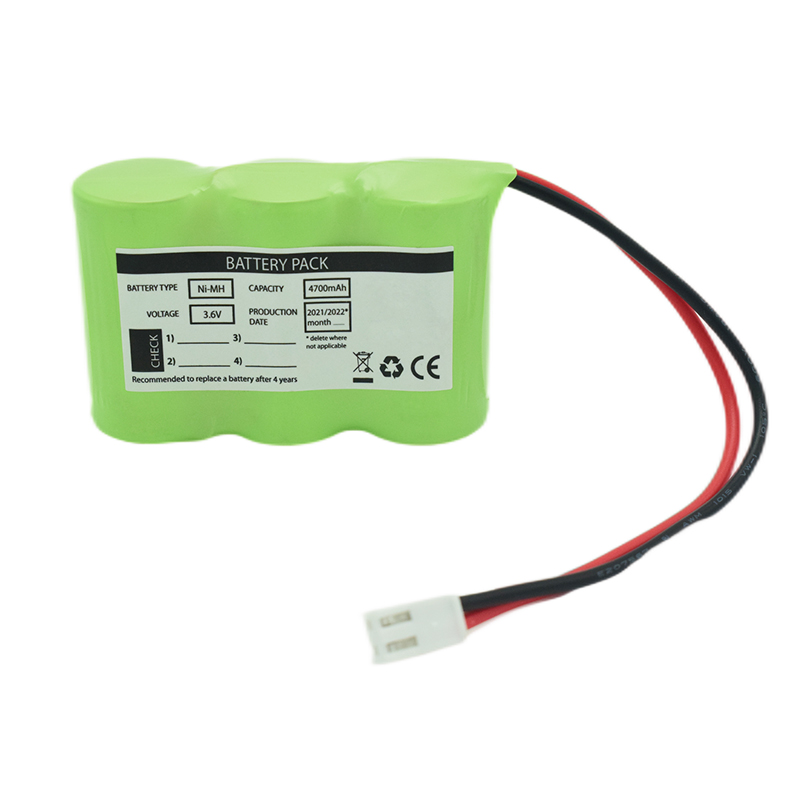 Ni-MH Battery C4700mAh 3.6V
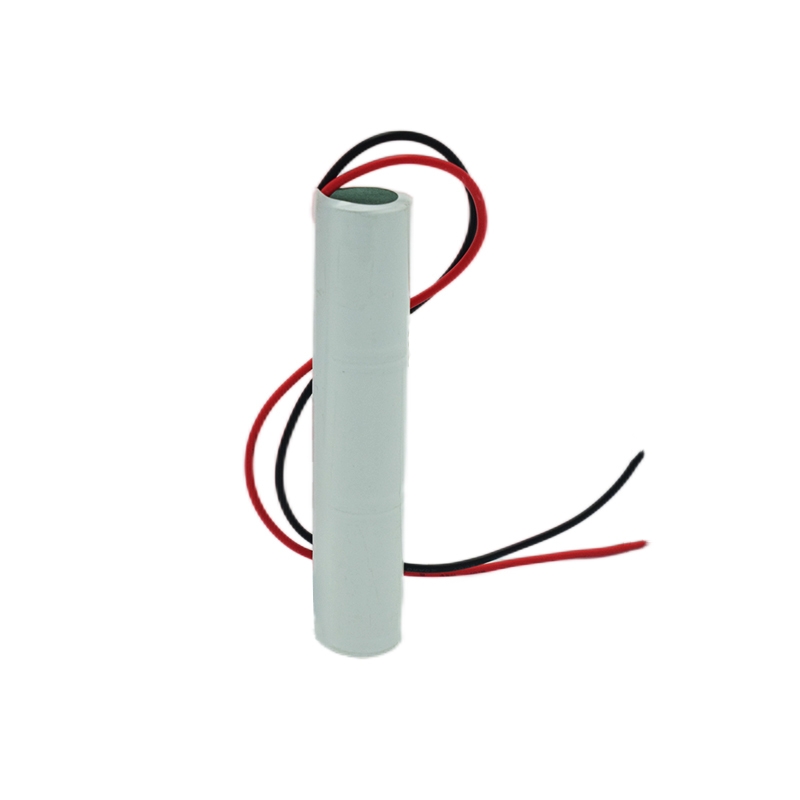 Nickel Cadmium Nicd Battery Pack SC1800mAh 3.6V
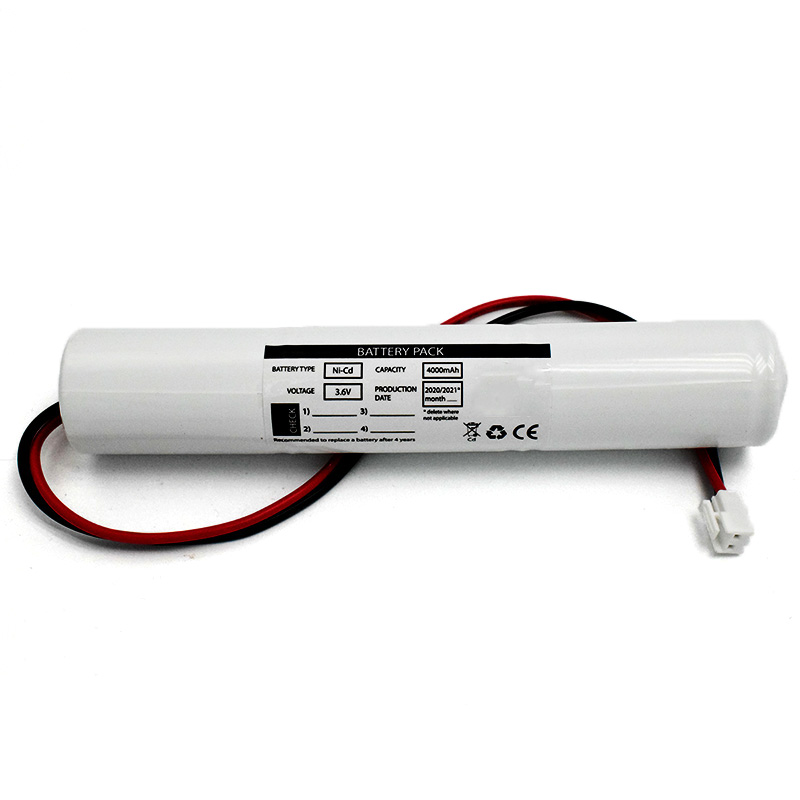 Ni-Cd Battery Pack D4000mAh 3.6V
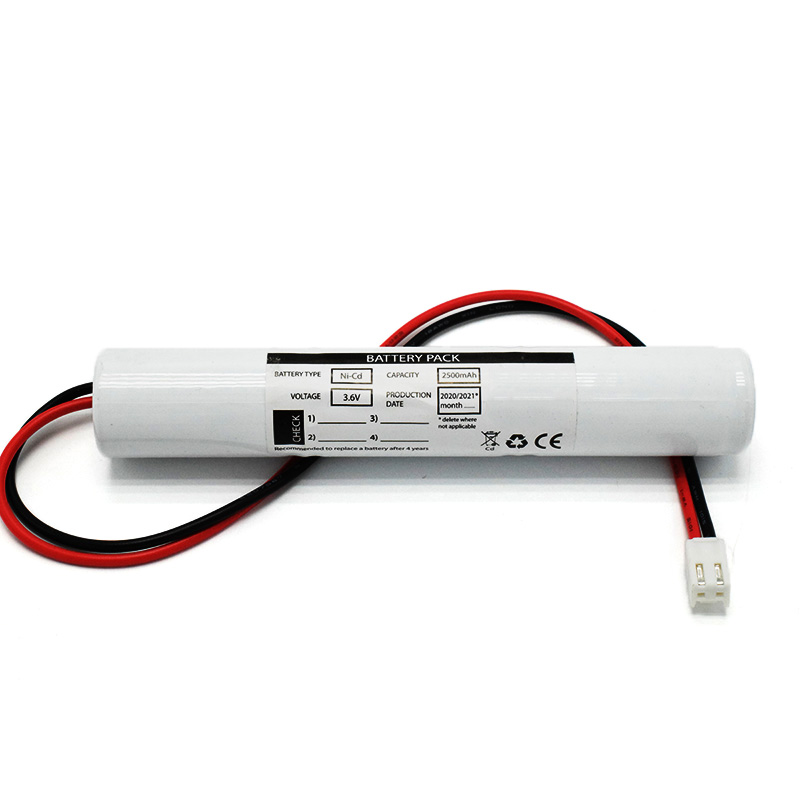 Ni-Cd Battery Pack C2500mAh 3.6V
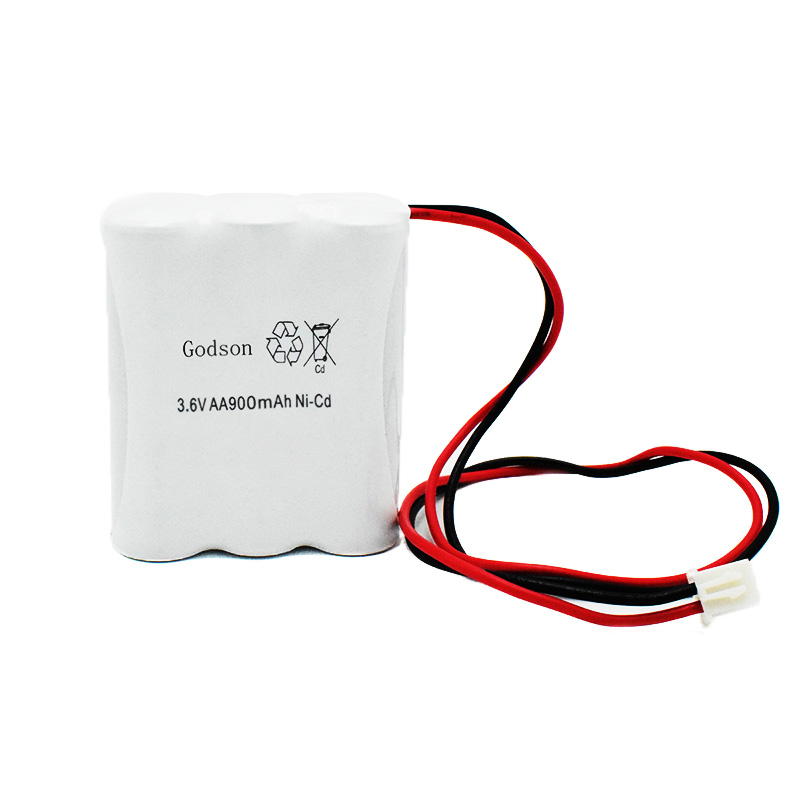 NICAD Battery Pack AA900mAh 3.6V
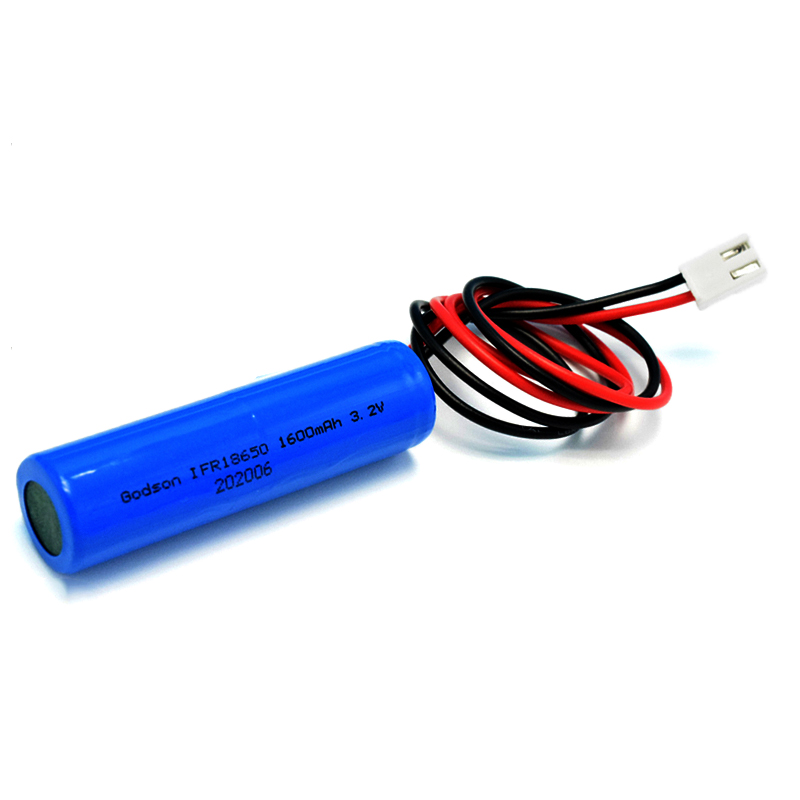 LiFePO4 IFR18650 1600mAh 3.2V
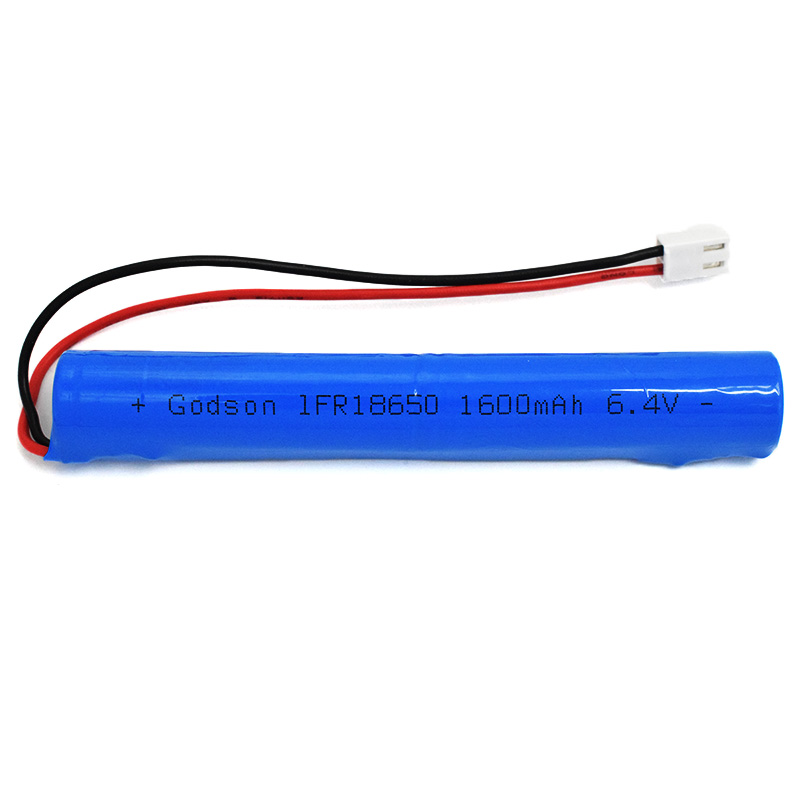 LiFePO4 IFR18650 1600mAh 6.4V
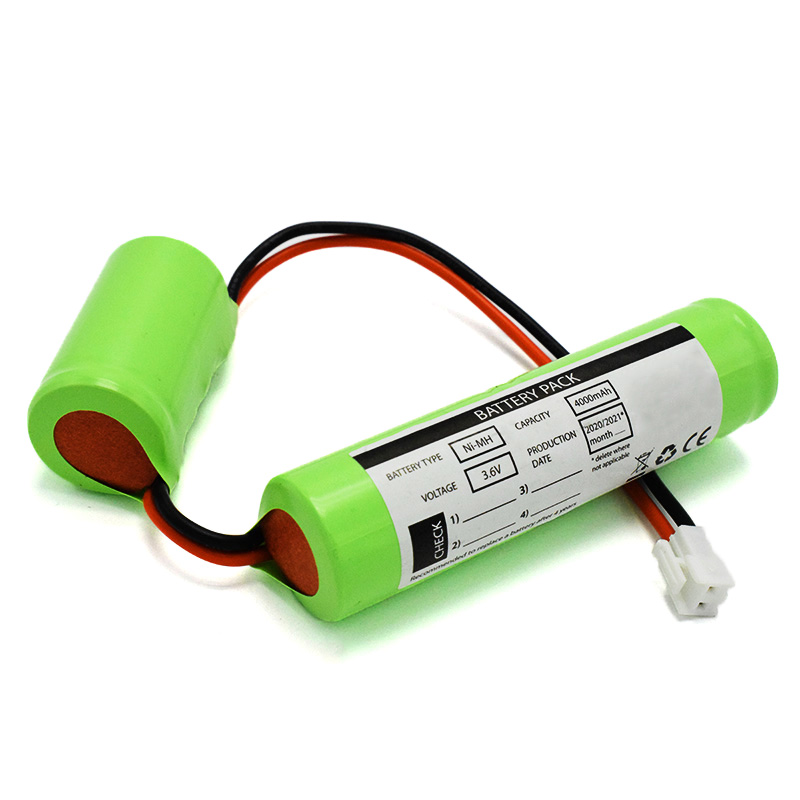 Ni-MH Battery C4000mAh 3.6V
 E-bike Battery 48V 10Ah JL-1
 E-bike battery 48V 10Ah Qing Tian