
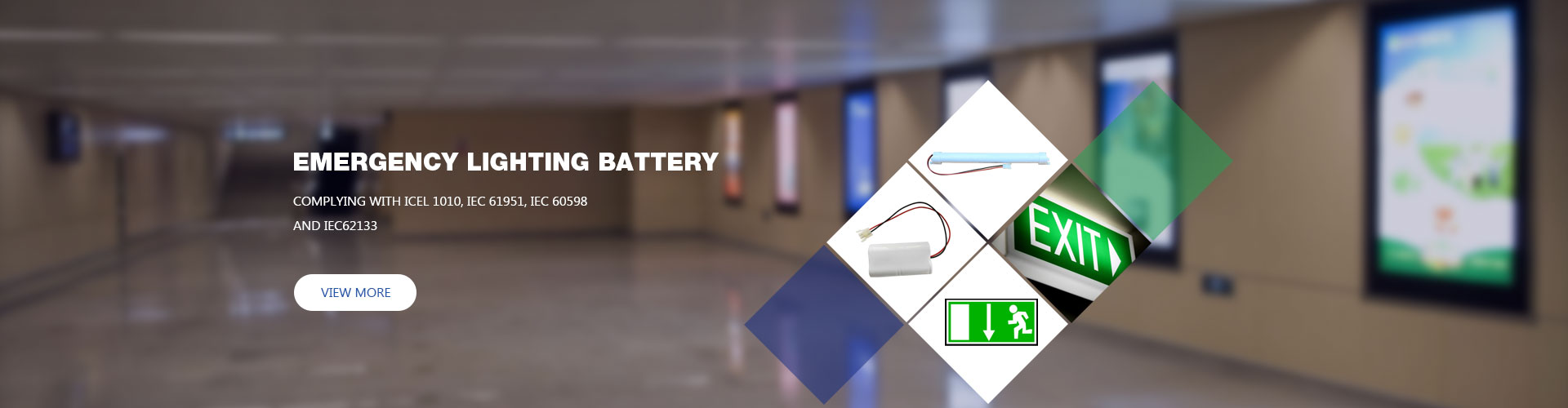
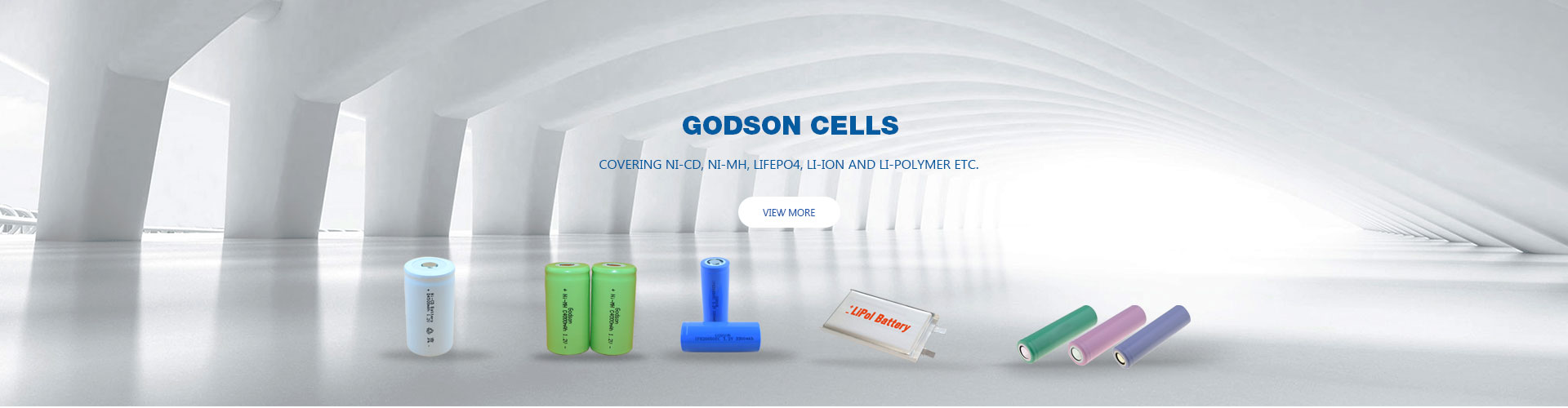

Emergency lighting is a critical component of building safety, providing visibility and guidance during power outages, fire incidents, or other emergencies. While Ni-Cd batteries have long dominated this field, Ni-MH (Nickel-Metal Hydride) batteries are increasingly becoming a preferred choice due to their higher energy density, environmental benefits, and stable performance. Understanding where and how Ni-MH batteries are ideally applied can help facility managers, safety engineers, and building owners make informed decisions for emergency lighting systems.
Ni-MH batteries are rechargeable batteries that offer several advantages for emergency lighting applications:
Higher energy density than Ni-Cd batteries, allowing longer runtime for the same size.
Environmentally friendly composition, with less toxic materials than cadmium-based batteries.
Lower memory effect, meaning capacity loss due to partial discharge is minimal.
Stable voltage output, ensuring consistent illumination during emergencies.
Lightweight design, which simplifies installation in compact emergency lighting fixtures.
These features make Ni-MH batteries well-suited for both modern and retrofit emergency lighting systems.
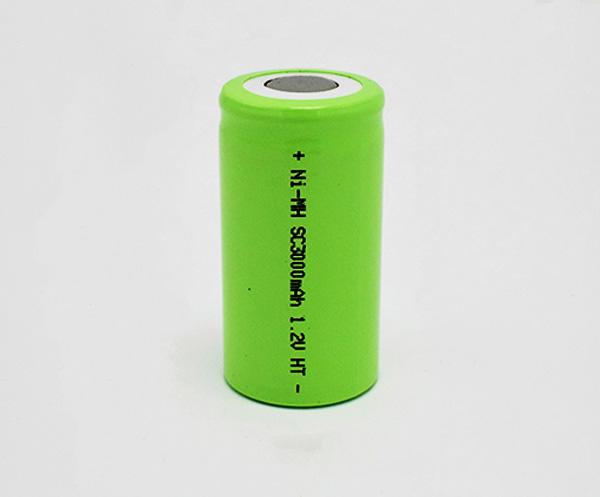
1. Commercial Office Buildings
Modern office buildings require emergency lighting that is reliable, compact, and energy-efficient. Ni-MH batteries are ideal for powering corridor lights, stairwell lighting, and exit signs. Their high energy density allows smaller battery packs to deliver the same runtime, which helps maintain sleek fixture designs without compromising safety.
2. Educational Institutions
Schools, colleges, and universities need emergency lighting systems to protect students, staff, and visitors. Ni-MH batteries are especially suitable for classrooms, hallways, and auditoriums, providing enough power for extended periods during power outages or fire drills. Their low maintenance requirements make them perfect for campuses with multiple buildings.
3. Healthcare Facilities
Hospitals and clinics demand the highest standards of reliability. Emergency lighting powered by Ni-MH batteries ensures that operating rooms, patient wards, and critical care areas remain illuminated during blackouts. Ni-MH batteries’ stable voltage output ensures sensitive medical equipment and emergency lighting systems work seamlessly together.
4. Hotels and Hospitality Venues
Hotels, resorts, and conference centers require emergency lighting for guest rooms, corridors, lobbies, and emergency exits. Ni-MH batteries’ lightweight and compact design allows easy integration into decorative fixtures while meeting safety standards. The longer life cycle also reduces maintenance costs for large properties.
5. Industrial and Manufacturing Facilities
Factories, warehouses, and production plants often face challenging environments such as high humidity, vibration, and temperature variations. Ni-MH batteries are capable of handling these conditions while powering emergency exit lights, aisle illumination, and evacuation indicators. Their environmentally friendly composition also aligns with industrial sustainability initiatives.
6. Retail Spaces and Shopping Centers
Retail environments, including malls, supermarkets, and boutiques, rely heavily on continuous illumination for safe evacuation. Ni-MH batteries are ideal for powering exit signs, pathway lighting, and emergency lights in high-traffic areas. Their high energy density ensures that lights remain operational during unexpected outages, protecting both staff and customers.
7. Public Buildings and Transportation Hubs
Airports, train stations, and government buildings require robust and reliable emergency lighting. Ni-MH batteries are suitable for large-scale emergency systems that must remain operational for extended periods during power disruptions. Their lightweight design simplifies installation in large lighting networks and reduces maintenance efforts.
Eco-friendly: Ni-MH batteries are free from toxic cadmium, making disposal and recycling safer.
Longer Runtime: They provide more energy for the same battery size, making them ideal for high-demand applications.
Low Maintenance: Require minimal monitoring and support automatic charging systems in modern emergency lighting setups.
Safe Operation: Stable voltage output ensures emergency lights remain functional without flickering or dimming.
Compatibility: Works seamlessly with LED emergency fixtures, reducing energy consumption while maintaining brightness.
To maximize the effectiveness of Ni-MH batteries in emergency lighting:
Ensure compatibility with existing charging units or fixtures.
Follow manufacturer recommendations for testing intervals and replacement cycles.
Monitor battery temperature to prevent capacity loss in extreme conditions.
Integrate automated self-testing features for large installations to simplify maintenance.
Ni-MH batteries are ideal for a wide range of emergency lighting applications, from office buildings and educational institutions to hospitals, hotels, industrial facilities, and public spaces. Their combination of high energy density, environmental friendliness, low maintenance, and reliable performance makes them a smart choice for modern emergency lighting systems. By selecting Ni-MH batteries, facility managers can ensure occupant safety, comply with building codes, and reduce operational costs, all while supporting sustainable building practices.


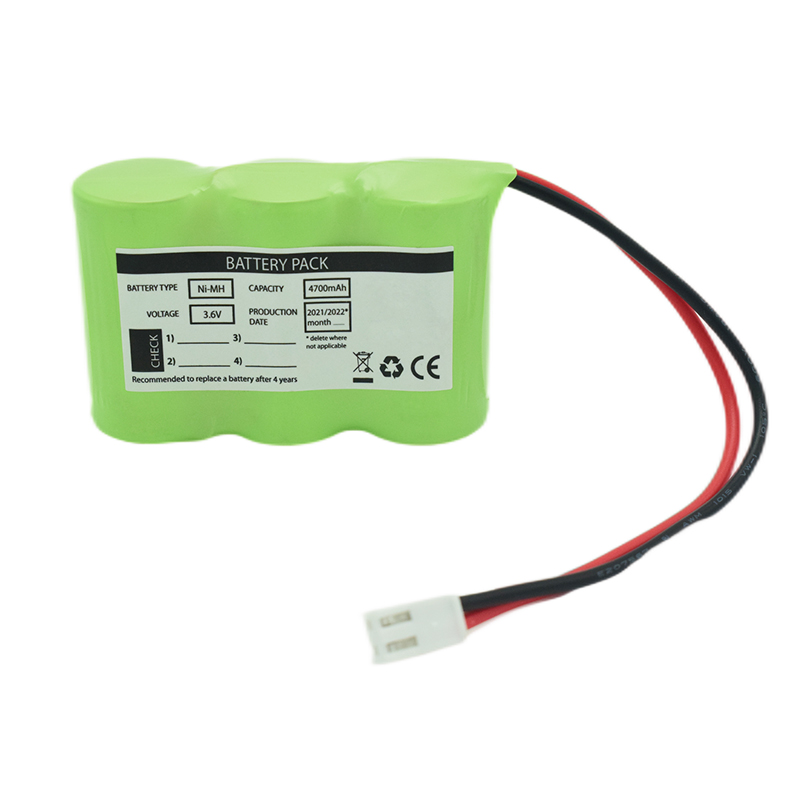 Ni-MH Battery C4700mAh 3.6V
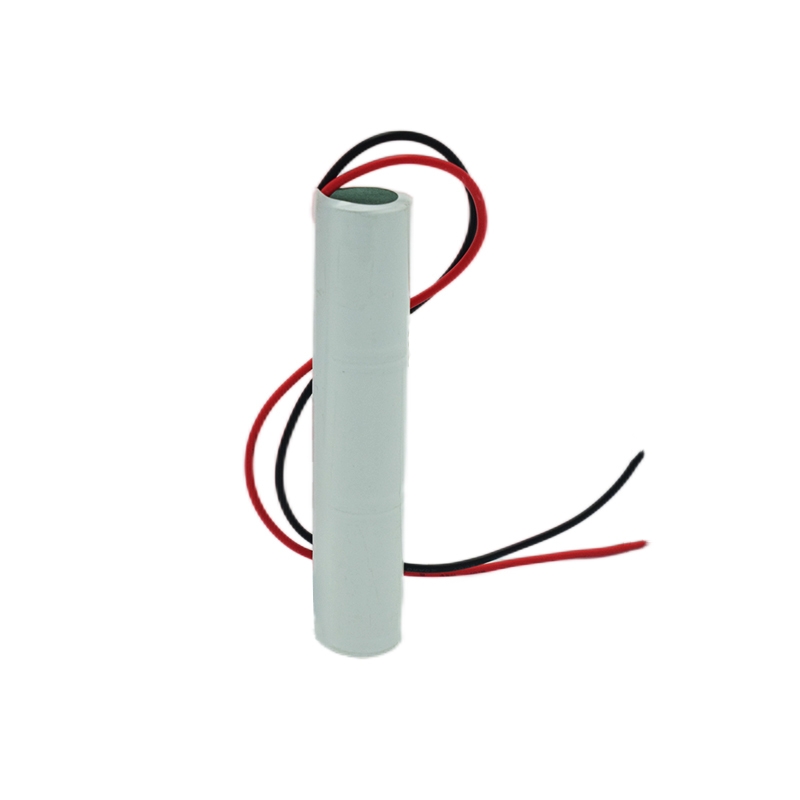 Nickel Cadmium Nicd Battery Pack SC1800mAh 3.6V
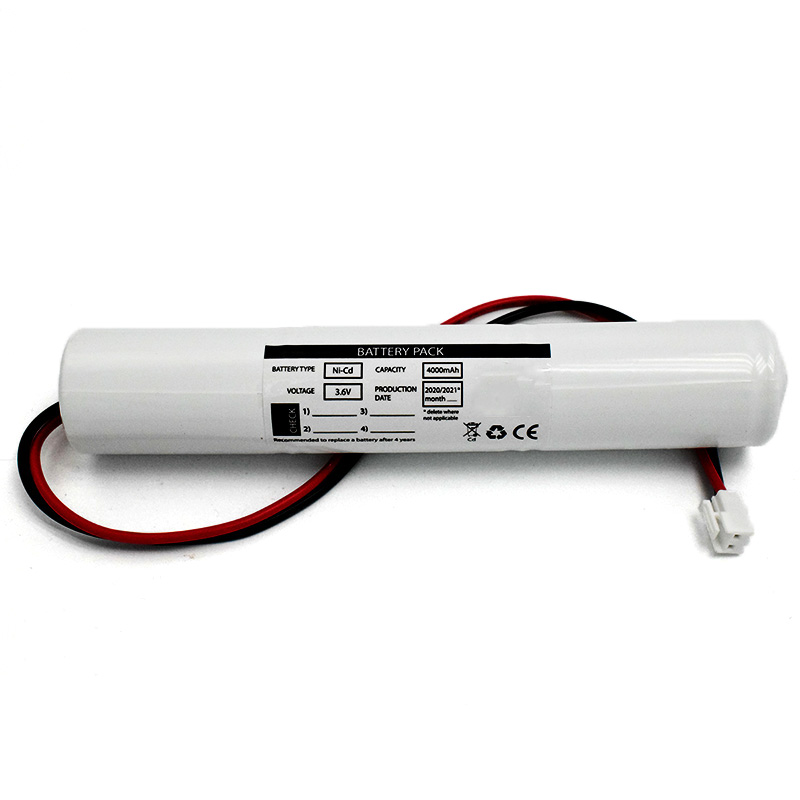 Ni-Cd Battery Pack D4000mAh 3.6V
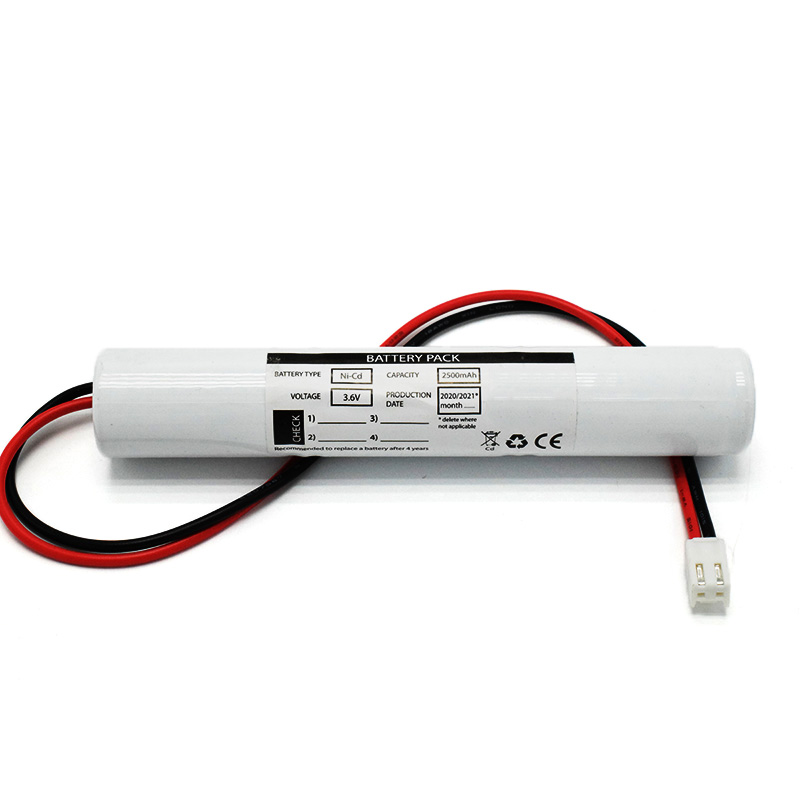 Ni-Cd Battery Pack C2500mAh 3.6V
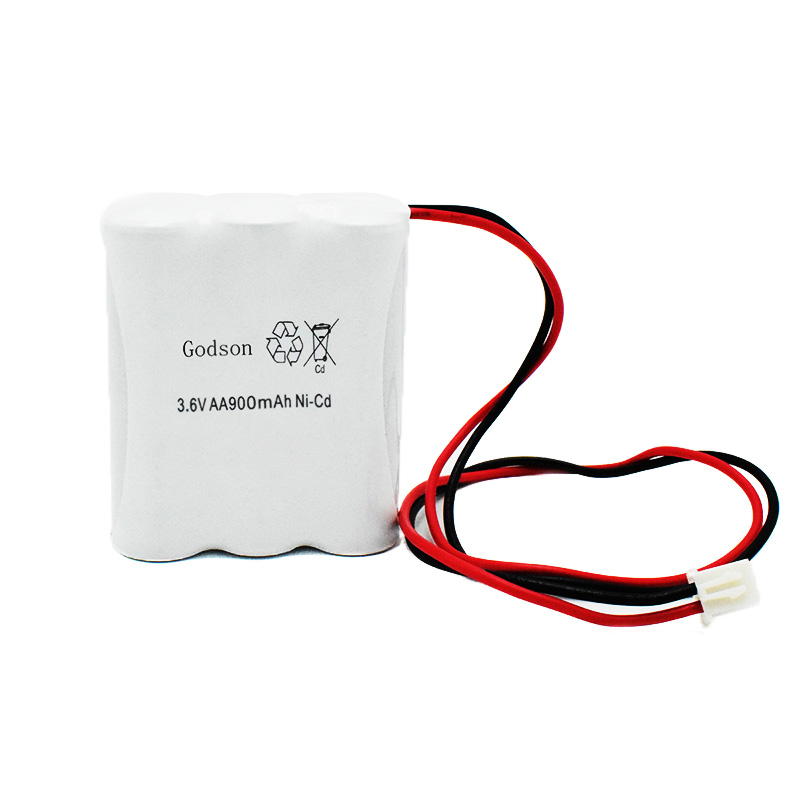 NICAD Battery Pack AA900mAh 3.6V
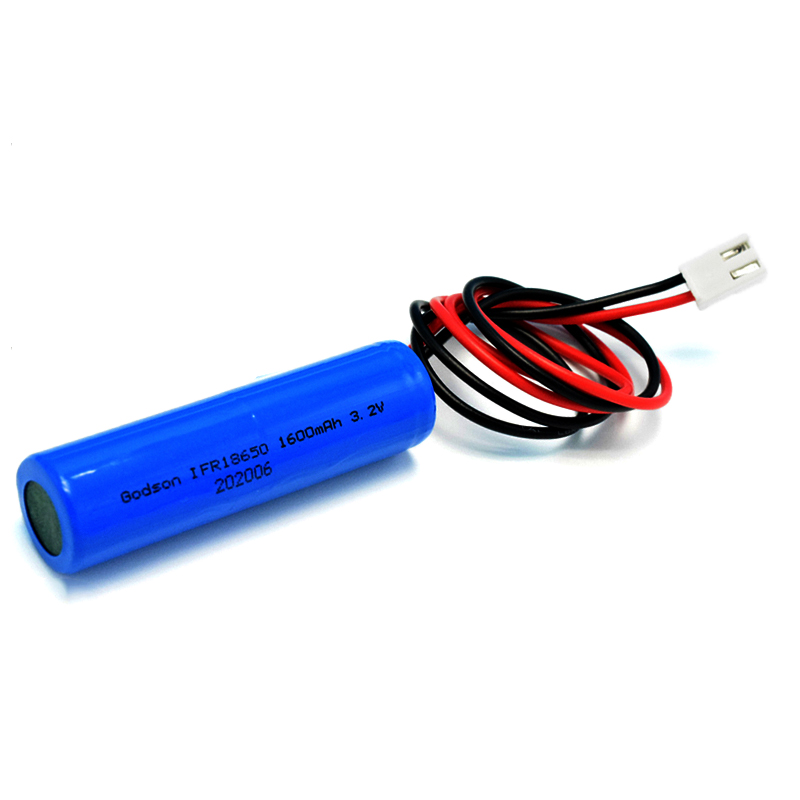 LiFePO4 IFR18650 1600mAh 3.2V
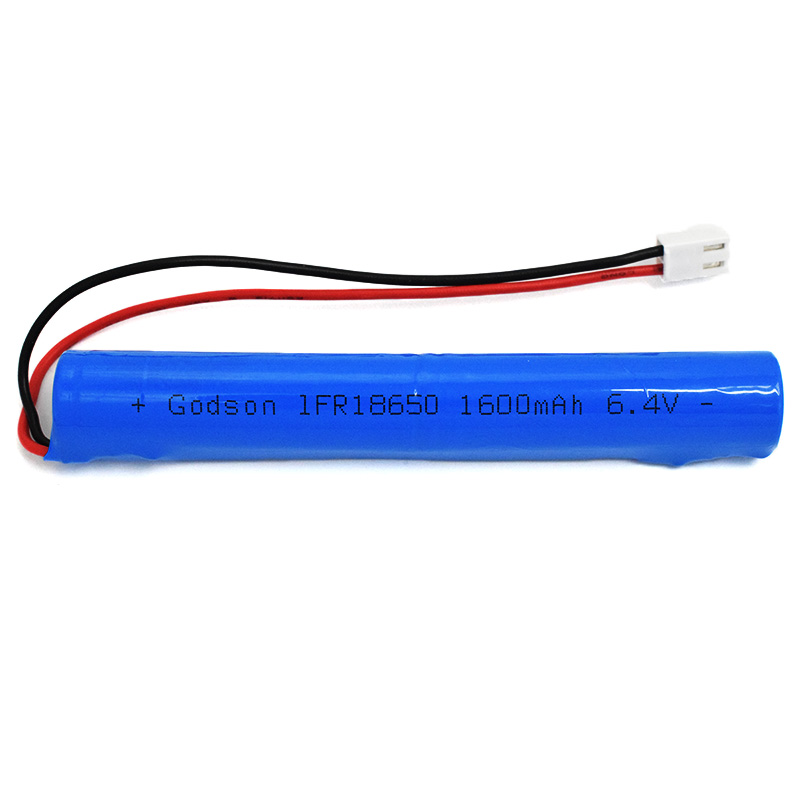 LiFePO4 IFR18650 1600mAh 6.4V
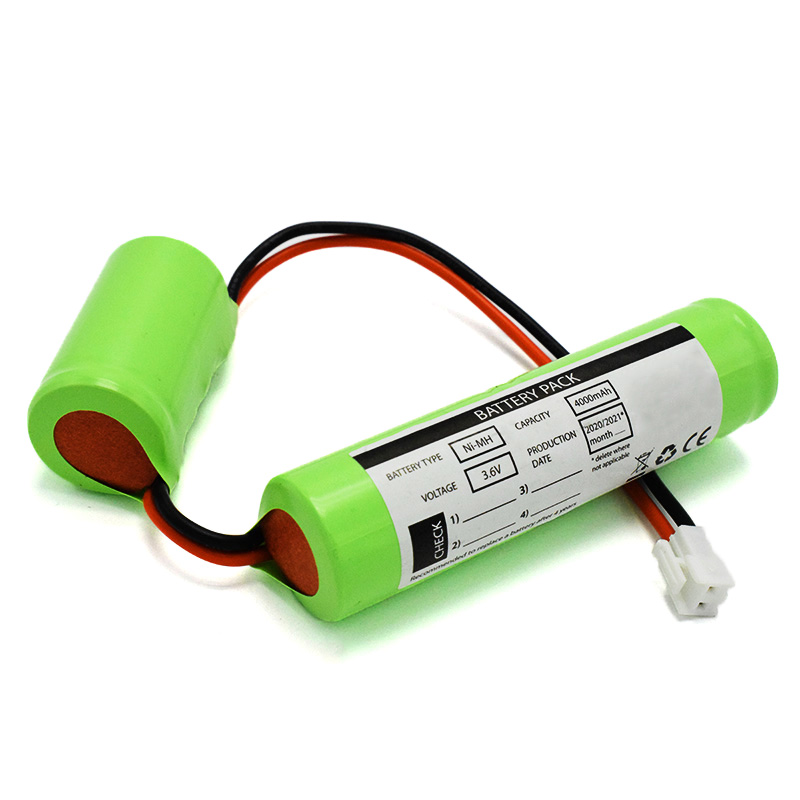 Ni-MH Battery C4000mAh 3.6V
 E-bike Battery 48V 10Ah JL-1
 E-bike battery 48V 10Ah Qing Tian