
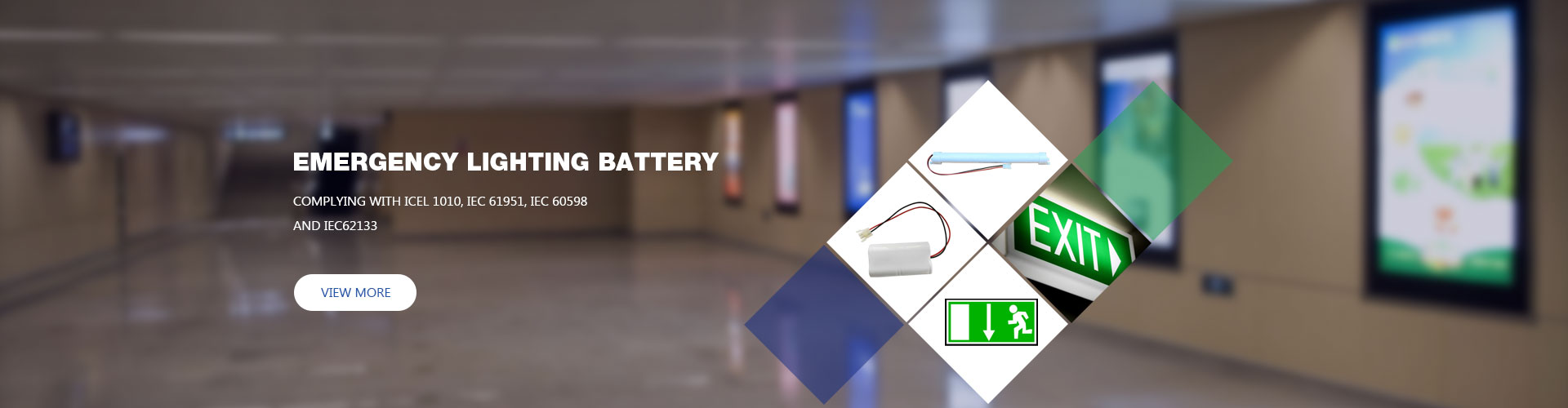


When it comes to building safety, structural design, fire alarms, and evacuation plans are all critical—but one often overlooked yet vital component is the emergency lighting system. During a power outage or emergency situation, emergency lights guide occupants to safety, prevent panic, and ensure compliance with fire safety codes. At the heart of these systems lies the Ni-Cd (Nickel-Cadmium) battery, a durable and reliable energy source that has been a cornerstone of emergency lighting for decades.
Ni-Cd batteries are rechargeable batteries that provide stable power output even under demanding conditions. They have been widely adopted in emergency lighting systems because of their long lifespan, robustness, and reliability. Unlike standard batteries that may degrade quickly or fail during frequent use, Ni-Cd batteries can sustain repeated charge and discharge cycles while maintaining consistent performance.
These batteries are designed to operate in extreme environments, tolerate high and low temperatures, and endure occasional overcharging or deep discharging without significant capacity loss. Such characteristics make them indispensable for critical safety applications in commercial buildings, hospitals, industrial facilities, and public spaces.
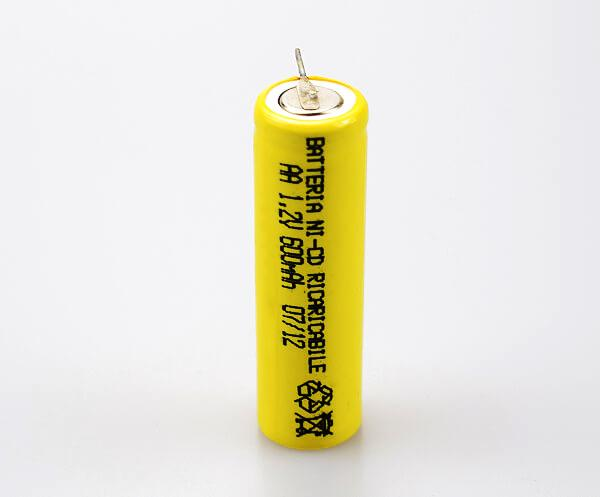
Reliability During Power Outages: The primary role of emergency lighting is to function when main power fails. Ni-Cd batteries are known for their ability to deliver instant power to emergency lights, exit signs, and corridors even during unexpected outages.
Long Service Life: A typical Ni-Cd battery can last up to 5 years with proper maintenance, outlasting many alternative chemistries. This longevity reduces replacement frequency and operational costs.
Resistance to Harsh Conditions: Ni-Cd batteries can perform reliably in temperatures ranging from -20°C to 50°C, which is crucial for buildings exposed to harsh climates or fluctuating indoor conditions.
Low Maintenance Requirements: Ni-Cd batteries require minimal attention compared to other chemistries. With routine testing and basic care, they can operate efficiently for years.
Compatibility with Existing Systems: Many emergency lighting systems are integrated with building management systems, fire alarms, or automated test features. Ni-Cd batteries provide stable voltage and current necessary for these integrations.
1. Ensuring Safe Evacuation
During emergencies such as fires, earthquakes, floods, or power failures, emergency lighting is crucial for safe evacuation. Darkness can cause panic and disorientation, significantly increasing the risk of injury. Ni-Cd batteries power emergency lights along stairwells, hallways, exit routes, and public areas, ensuring occupants can navigate safely.
In high-rise buildings, hospitals, schools, and industrial facilities, even a few minutes of functional lighting can mean the difference between a safe evacuation and chaos. The consistent performance of Ni-Cd batteries ensures that lighting remains uninterrupted until everyone reaches safety.
2. Supporting Fire Safety Compliance
Most countries have strict building safety codes that require emergency lighting to remain functional during power outages. In the United States, NFPA 101 Life Safety Code mandates that emergency lights operate for a minimum duration, usually 90 minutes, during outages. Europe and other regions have similar standards. By integrating Ni-Cd batteries into emergency lighting systems, building owners can comply with these codes and reduce liability risks.
Failure to maintain operational emergency lighting can result in fines, increased insurance premiums, and severe legal consequences in the event of an accident. Ni-Cd batteries, with their reliability and longevity, are a cost-effective way to meet these regulatory requirements.
3. Preventing System Failures
Emergency lighting systems are often subjected to harsh conditions, including extreme temperatures, humidity, and electrical surges. Ni-Cd batteries are naturally resistant to such challenges. Their ability to handle overcharging, deep discharge, and high temperatures minimizes the risk of sudden failure. This is particularly important in critical facilities like hospitals or industrial plants where system failure could endanger lives.
4. Enabling Sustainable and Cost-Effective Operations
While newer battery technologies like lithium-ion or NiMH have gained popularity, Ni-Cd batteries remain favored in safety-critical applications due to their robustness. They require fewer replacements, which reduces operational disruptions and waste. The extended lifecycle of Ni-Cd batteries not only lowers costs but also aligns with sustainability initiatives by minimizing battery disposal and environmental impact.
5. Compatibility with Modern Building Systems
Modern emergency lighting systems often integrate with fire alarms, security systems, and building automation platforms. Ni-Cd batteries provide stable and predictable energy output, ensuring that these integrations function reliably. Additionally, some advanced systems include automatic battery testing and reporting, where Ni-Cd batteries' predictable behavior allows for accurate performance monitoring.
Even the most reliable Ni-Cd batteries require periodic maintenance to ensure they function optimally. Neglecting maintenance can lead to reduced capacity, system failures, and non-compliance with safety regulations. Key best practices include:
Monthly Functional Tests: Check that all emergency lights and exit signs operate correctly. This helps identify failing batteries before a real emergency occurs.
Load Testing: Test the batteries under full load conditions to ensure they can power the lights for the required duration, typically 90 minutes or more.
Temperature Control: Ensure batteries are stored and operated within recommended temperature ranges to prevent capacity degradation.
Replacement Schedule: Replace batteries according to manufacturer recommendations, generally every 4–5 years. Even high-quality Ni-Cd batteries degrade over time and may fail if not replaced on schedule.
Connection Inspections: Keep battery terminals clean and corrosion-free to maintain optimal energy transfer and prevent failure.
Adopting a structured battery maintenance program is crucial for building safety and regulatory compliance. Many modern emergency lighting systems offer automated self-testing features to simplify this process and reduce manual labor.
Ni-Cd batteries are used across a wide range of building types, each with unique safety requirements:
Hospitals and healthcare facilities: Reliable emergency lighting is critical for patient safety, particularly in surgical and intensive care areas.
High-rise office buildings: Stairwells, corridors, and exit routes rely on Ni-Cd-powered emergency lights to guide occupants during outages.
Educational institutions: Schools and universities need functional exit lighting for safe evacuation during drills or unexpected emergencies.
Industrial facilities: Factories and warehouses often operate in harsh environments, making the robustness of Ni-Cd batteries essential for safety compliance.
Hotels and public spaces: Emergency lights powered by Ni-Cd batteries ensure guests and staff can evacuate safely while maintaining legal compliance.
While Ni-Cd batteries remain a trusted choice, emerging technologies like lithium-ion are making inroads due to lighter weight, higher energy density, and reduced environmental concerns. However, Ni-Cd continues to dominate in high-reliability, mission-critical applications because of its proven performance under extreme conditions.
For facility managers and safety engineers, the key is to balance innovation with proven reliability. Ni-Cd batteries provide a dependable backbone for emergency lighting systems, ensuring life safety remains uncompromised.
Emergency lighting is a crucial component of building safety, and Ni-Cd batteries form the heart of these systems. Their reliability, durability, and long service life make them the preferred choice for safety-critical applications across hospitals, high-rise buildings, industrial facilities, and public spaces. By investing in quality Ni-Cd batteries, adhering to proper maintenance routines, and integrating them with modern building systems, facility managers can ensure occupant safety, maintain regulatory compliance, and reduce long-term operational costs.
In essence, Ni-Cd batteries are not just a power source—they are a lifeline during emergencies, providing consistent illumination when it matters most. Prioritizing their quality and upkeep is one of the most effective ways to protect lives and secure buildings against unexpected emergencies.


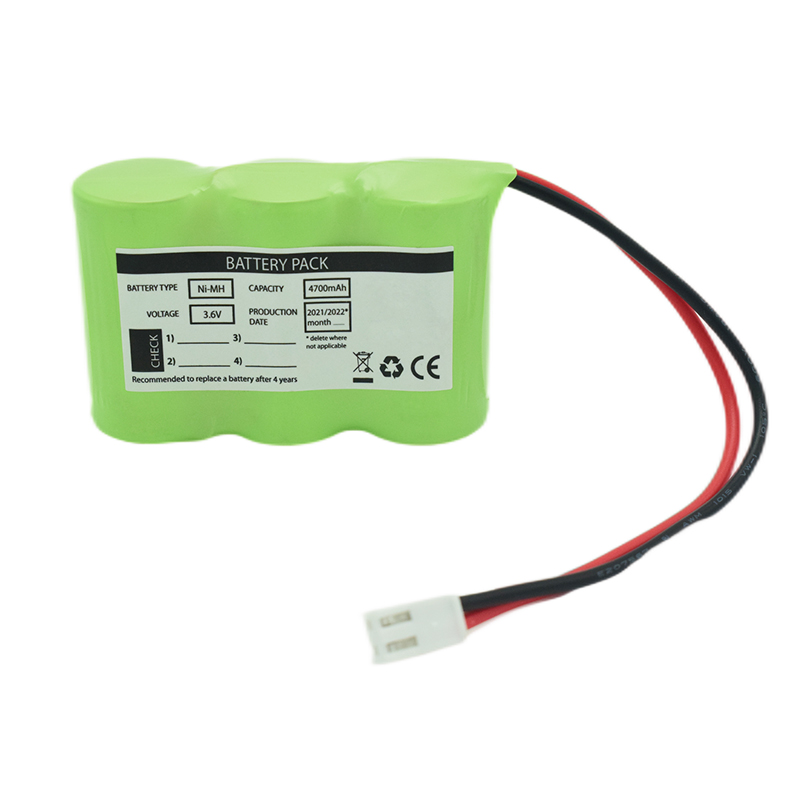 Ni-MH Battery C4700mAh 3.6V
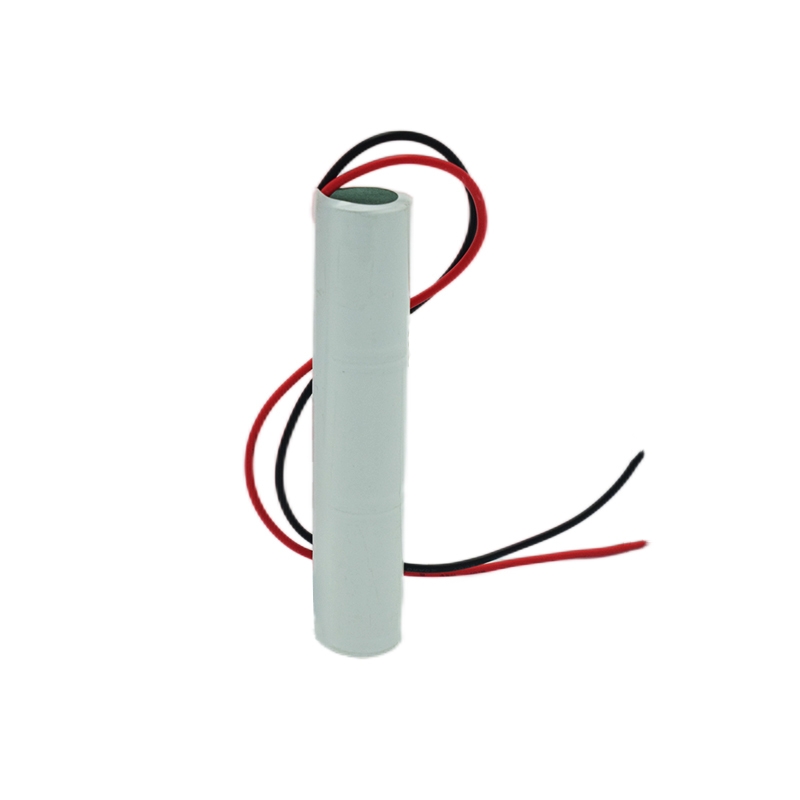 Nickel Cadmium Nicd Battery Pack SC1800mAh 3.6V
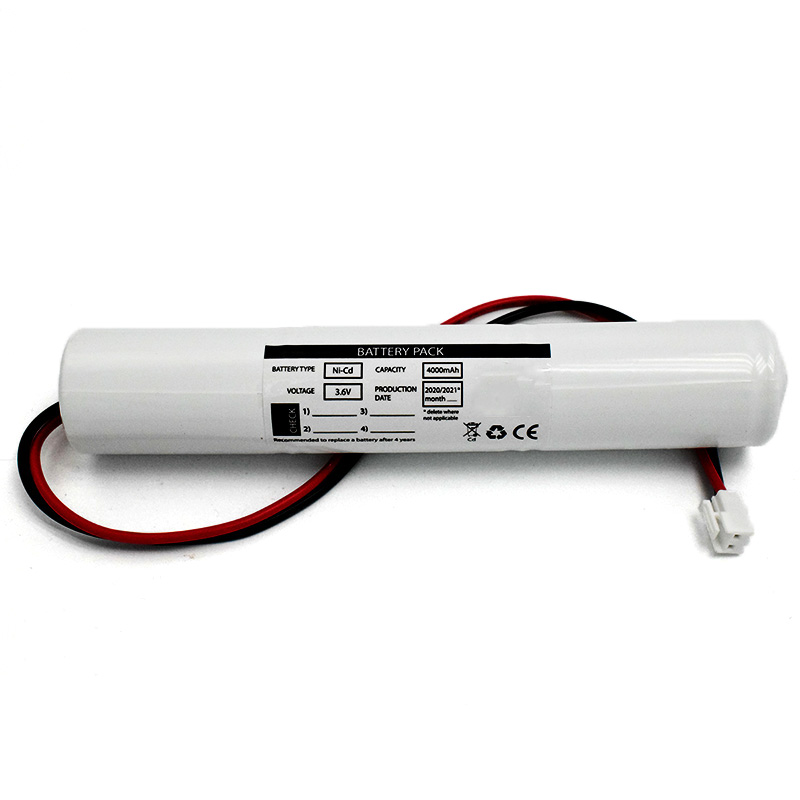 Ni-Cd Battery Pack D4000mAh 3.6V
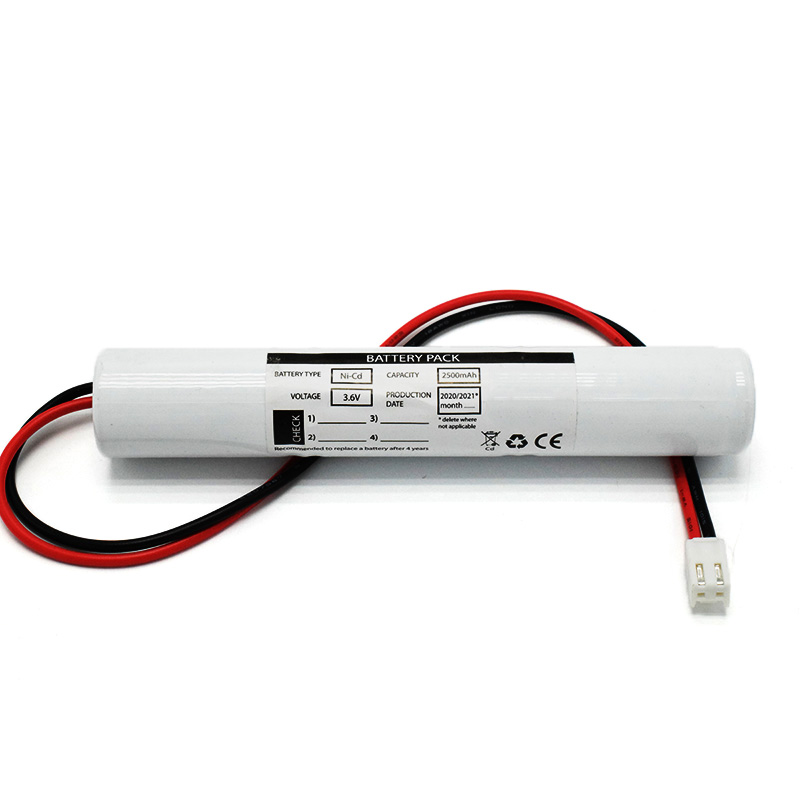 Ni-Cd Battery Pack C2500mAh 3.6V
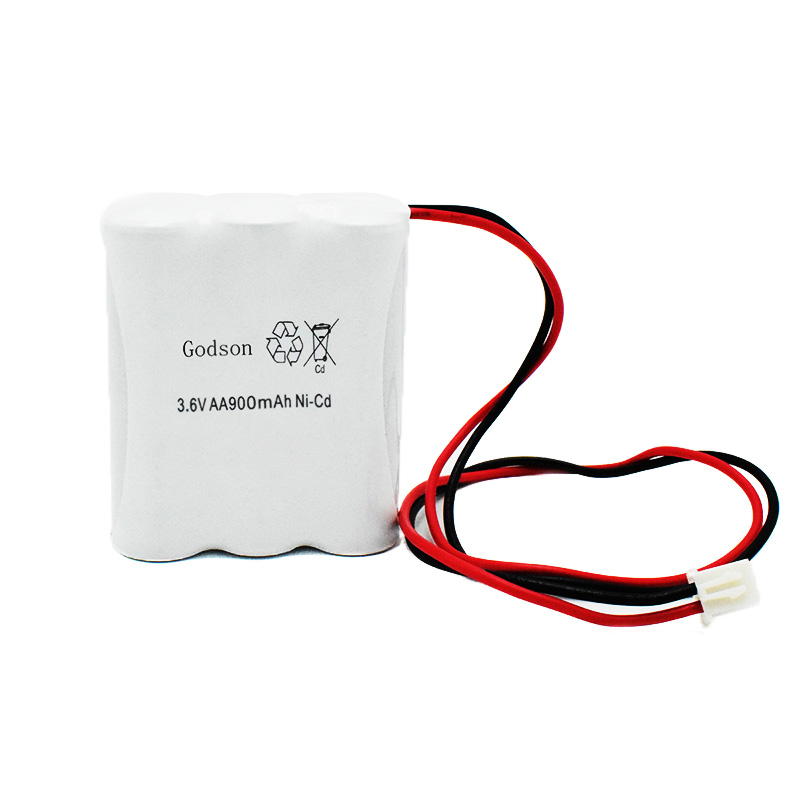 NICAD Battery Pack AA900mAh 3.6V
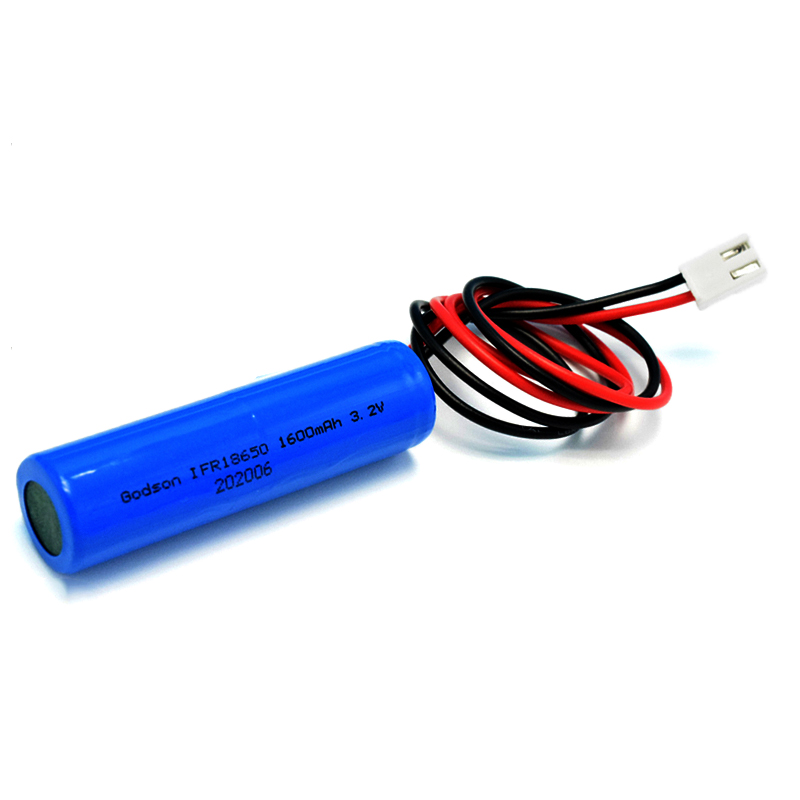 LiFePO4 IFR18650 1600mAh 3.2V
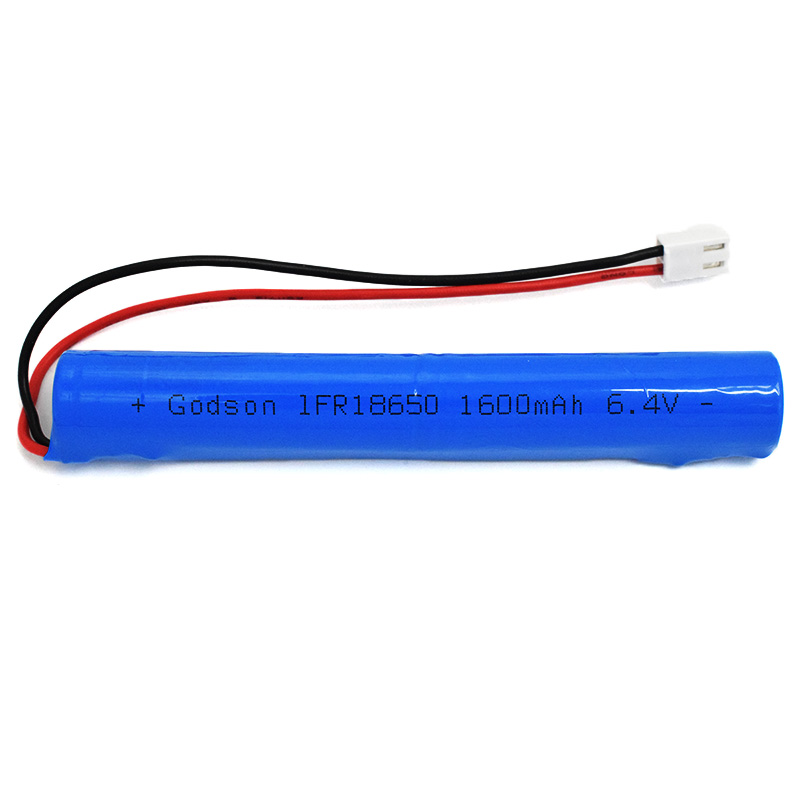 LiFePO4 IFR18650 1600mAh 6.4V
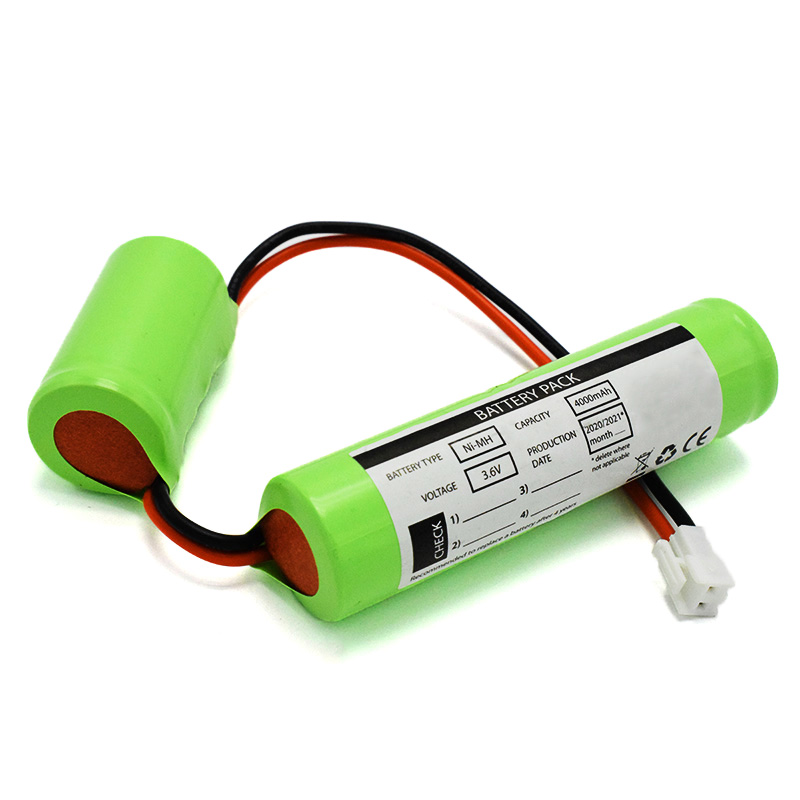 Ni-MH Battery C4000mAh 3.6V
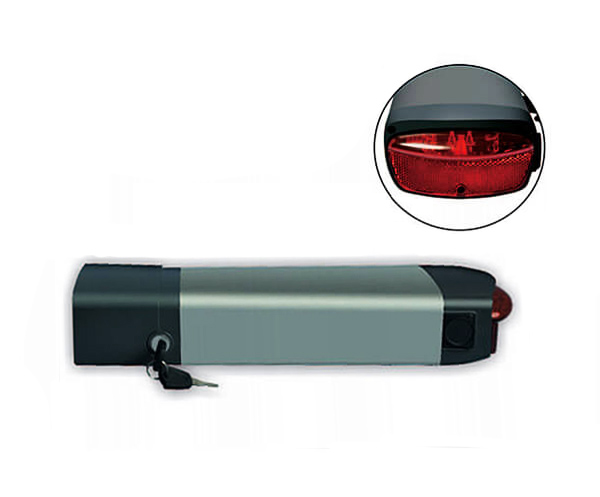 E-bike Battery 48V 10Ah JL-1
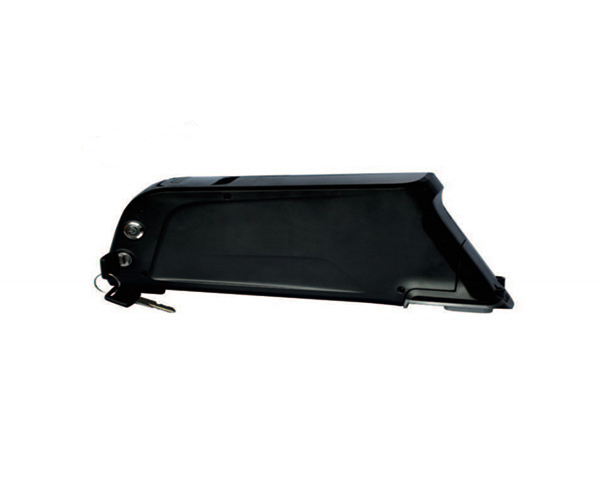 E-bike battery 48V 10Ah Qing Tian