




During power failures, natural disasters, or unexpected emergencies, dependable lighting plays a critical role in ensuring safety and continuity. This is where LiFePO4 batteries stand out. Known for their stability, efficiency, and long service life, LiFePO4 battery technology has become a preferred energy solution for modern emergency lighting systems across residential, commercial, and industrial environments.
Designed to outperform conventional battery technologies, LiFePO4 batteries are increasingly adopted by facility managers, system integrators, and safety equipment buyers. This comprehensive guide explores how LiFePO4 batteries work, their key advantages, how they compare with traditional batteries, and how to select the right option for emergency lighting applications. Let’s dive in.
LiFePO4 batteries, also referred to as lithium iron phosphate batteries, are a specialized type of lithium-ion battery distinguished by their excellent thermal stability and chemical safety. Unlike lead-acid or other lithium-based batteries, LiFePO4 batteries utilize lithium iron phosphate as the cathode material, which significantly enhances safety and structural stability.
These batteries generate power through the movement of lithium ions between the anode and cathode during charging and discharging processes. This electrochemical reaction produces consistent electrical output, making LiFePO4 batteries highly suitable for critical applications such as emergency lighting systems.
One of the most notable characteristics of LiFePO4 batteries is their exceptional cycle life. Many LiFePO4 battery packs are capable of exceeding 2,000 charge-discharge cycles while maintaining stable capacity and performance. This long-term reliability makes them an ideal power source for emergency lighting that must remain dependable over many years.

Emergency lighting systems demand reliability, safety, and efficiency—and LiFePO4 batteries deliver on all fronts. One of their primary advantages is extended lifespan. Compared to conventional batteries, LiFePO4 batteries require fewer replacements, resulting in reduced maintenance frequency and lower total ownership costs over time.
Safety is another major benefit. LiFePO4 batteries are inherently resistant to overheating and thermal runaway due to their stable chemical composition. They typically incorporate multiple protection features, including safeguards against overcharging, deep discharging, short circuits, and voltage instability. This makes them especially suitable for enclosed emergency lighting fixtures and unattended backup systems.
Environmental considerations also play an important role. LiFePO4 batteries do not contain hazardous heavy metals and have a smaller environmental footprint compared to traditional battery chemistries. Their long service life further reduces waste generation, making them a more sustainable choice for emergency lighting installations.
When evaluated alongside traditional battery technologies such as lead-acid and nickel-cadmium, LiFePO4 batteries demonstrate clear performance advantages. One of the most significant differences is cycle life. While lead-acid batteries often deliver around 300 to 500 cycles, LiFePO4 batteries can exceed 2,000 cycles with minimal capacity degradation.
Energy efficiency is another critical factor. LiFePO4 batteries offer higher energy density and faster charging capabilities, ensuring that emergency lighting systems are fully charged and ready for operation when power disruptions occur. This rapid recharge capability is especially valuable in facilities with frequent power fluctuations or strict safety compliance requirements.
From a safety perspective, LiFePO4 batteries feature a highly stable crystal structure that minimizes the risk of combustion or thermal failure. In addition, they are lighter in weight and require little to no routine maintenance, making installation and long-term operation more convenient and cost-effective for emergency lighting systems.
Selecting an appropriate LiFePO4 battery for emergency lighting requires careful evaluation of several key factors. The first step is determining the power consumption and backup duration requirements of the lighting system. The battery capacity should be sufficient to support illumination for the required emergency runtime.
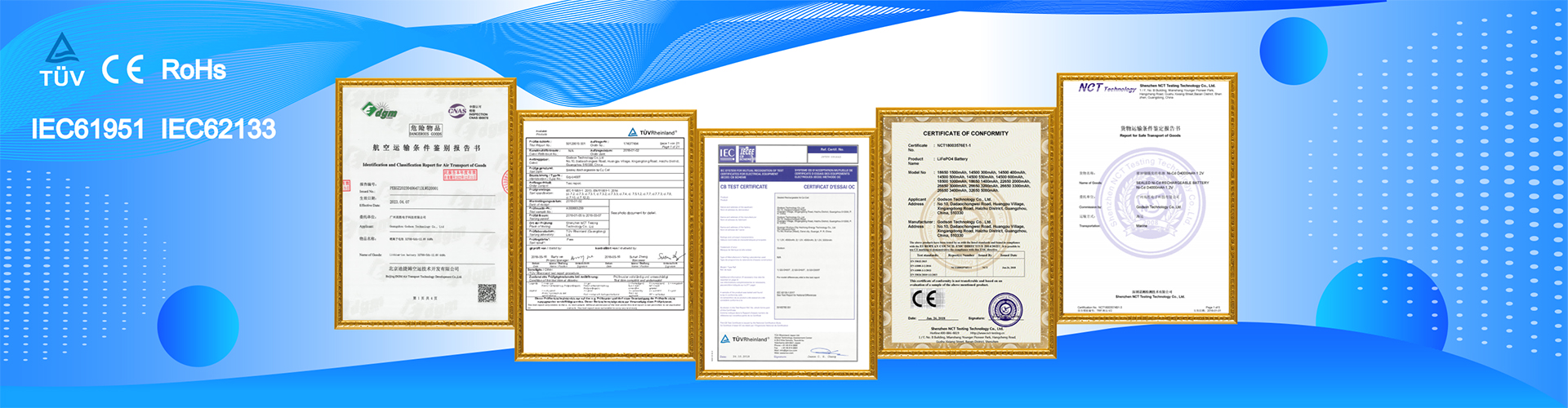
Next, consider cycle life and long-term reliability. Batteries with higher cycle ratings ensure stable performance over extended periods and reduce replacement frequency. Safety compliance is equally important—look for products that meet internationally recognized certifications such as IEC62620, IEC62133, UL1642, and UN38.3, which indicate rigorous testing and adherence to safety standards.
Finally, assess the technical expertise and production capabilities of the battery supplier. Manufacturers with experience in lithium battery development, quality control, and bulk supply are better positioned to provide consistent performance and long-term support. By considering these factors, you can confidently select a LiFePO4 battery solution tailored to your emergency lighting requirements.
LiFePO4 batteries are redefining emergency lighting systems by combining long lifespan, superior safety, and reliable performance. Their ability to deliver consistent power during critical situations makes them an ideal choice for safety-focused environments.
By integrating LiFePO4 batteries into emergency lighting solutions, users can achieve higher system reliability, lower maintenance demands, and greater peace of mind during power outages and emergency events. Investing in the right battery technology today is a proactive step toward enhanced safety and preparedness for the future.


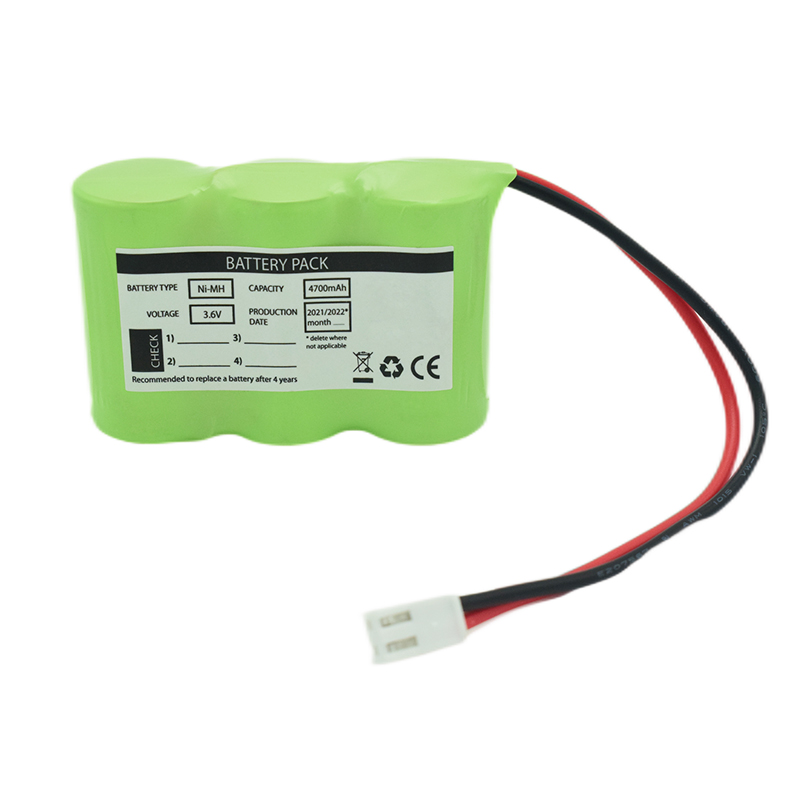 Ni-MH Battery C4700mAh 3.6V
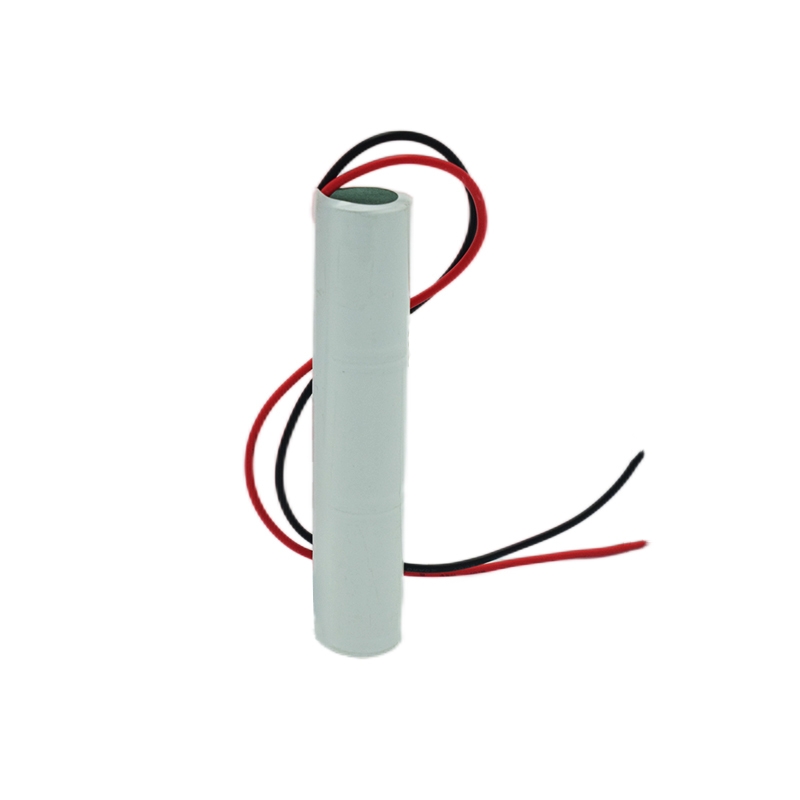 Nickel Cadmium Nicd Battery Pack SC1800mAh 3.6V
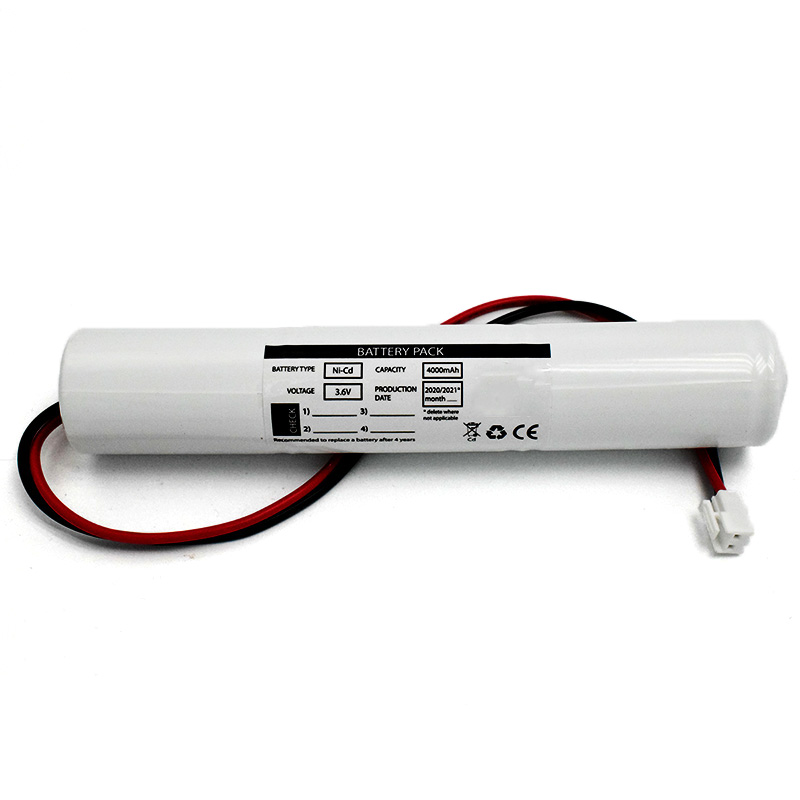 Ni-Cd Battery Pack D4000mAh 3.6V
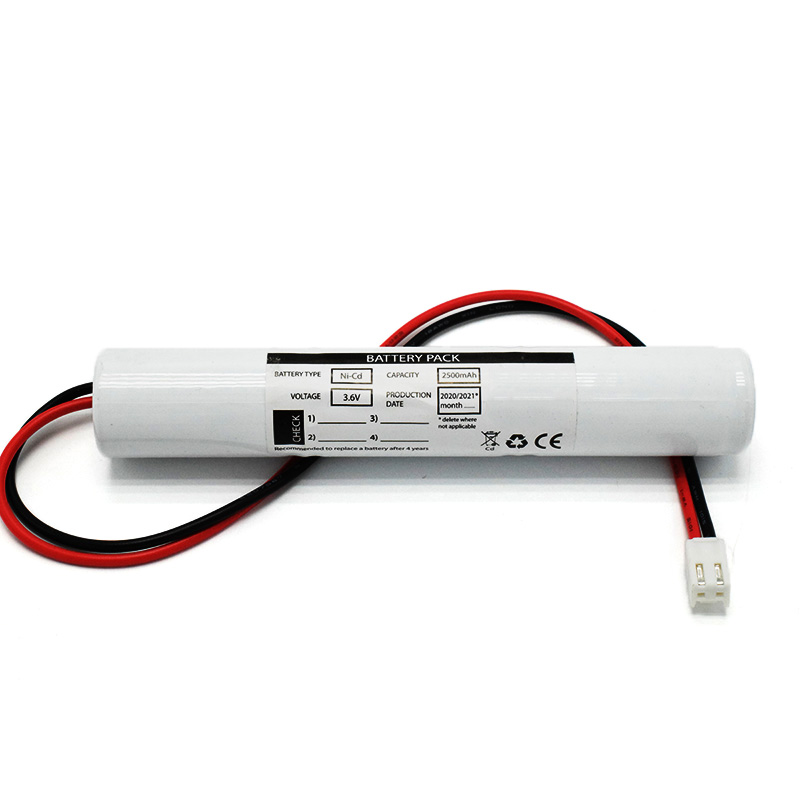 Ni-Cd Battery Pack C2500mAh 3.6V
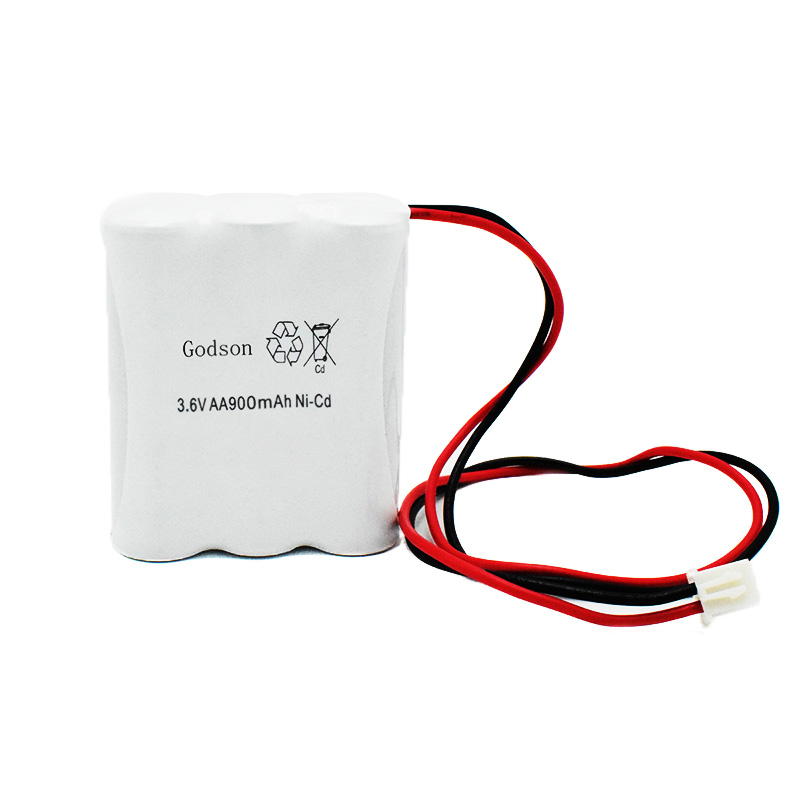 NICAD Battery Pack AA900mAh 3.6V
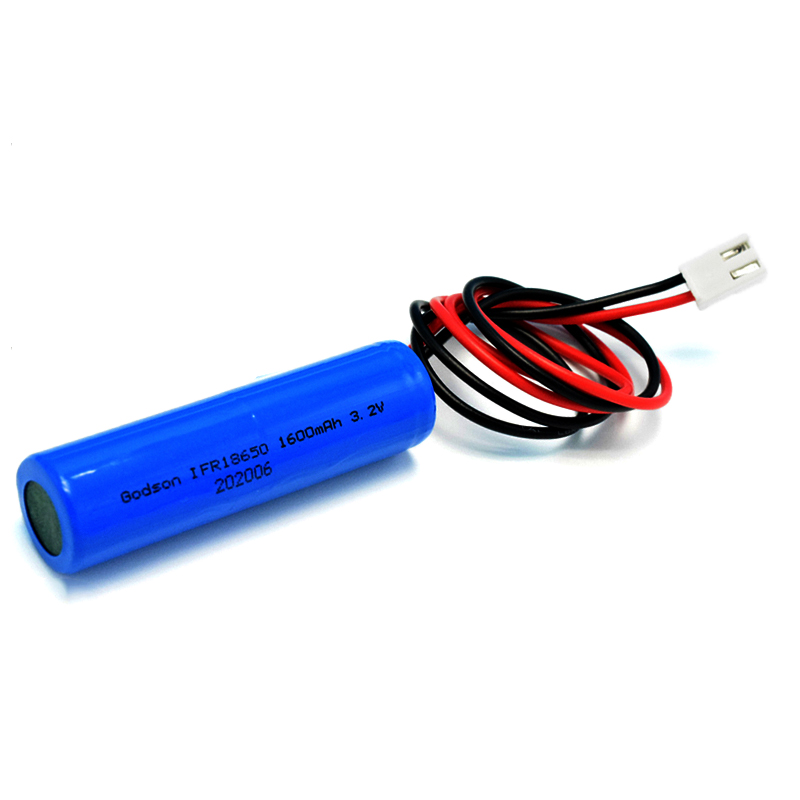 LiFePO4 IFR18650 1600mAh 3.2V
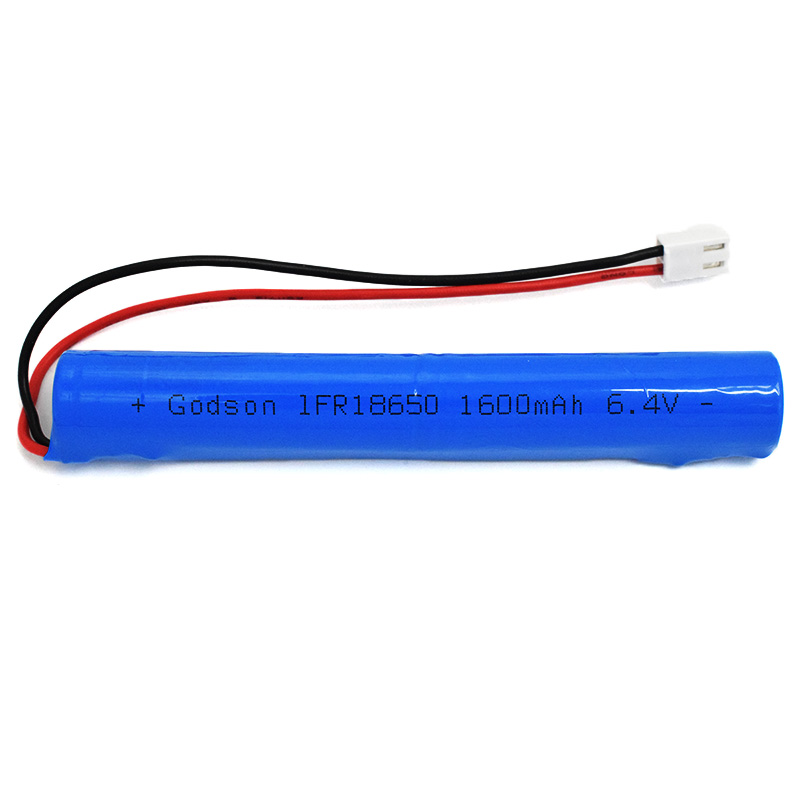 LiFePO4 IFR18650 1600mAh 6.4V
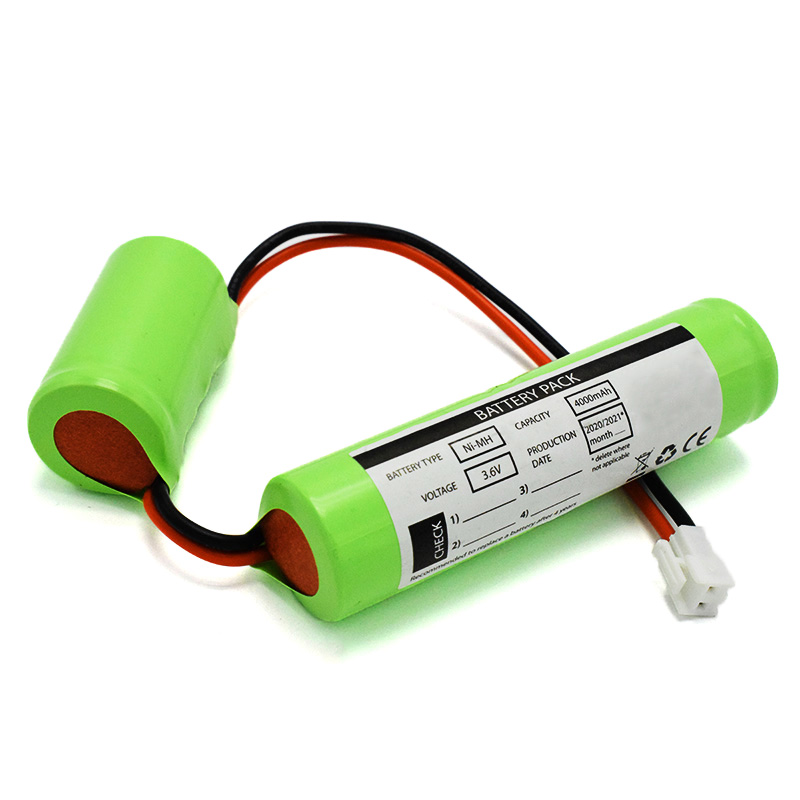 Ni-MH Battery C4000mAh 3.6V
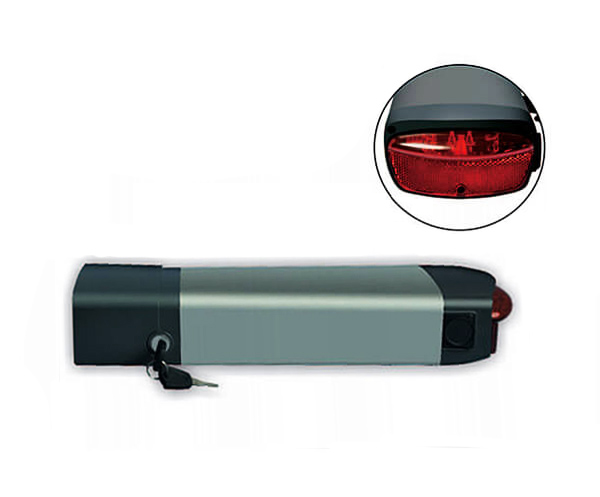 E-bike Battery 48V 10Ah JL-1
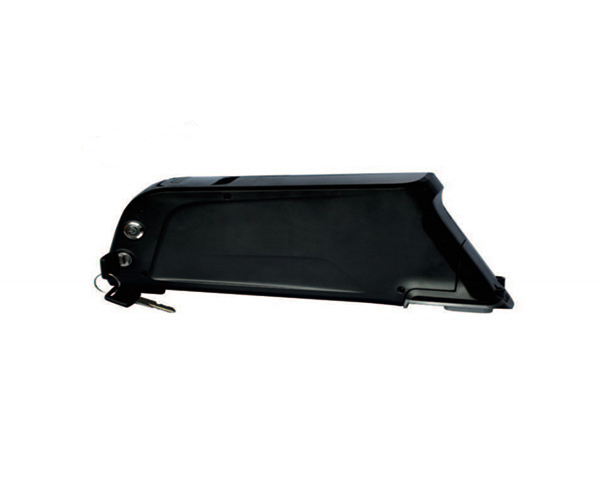 E-bike battery 48V 10Ah Qing Tian