



Emergency lighting systems are designed to perform flawlessly when power failures occur. At the heart of these systems, batteries must remain reliable even after long periods of standby. Compared with traditional battery technologies, LiFePO4 batteries are widely recognized for their low maintenance characteristics. However, “low maintenance” does not mean “no maintenance.” Understanding the correct maintenance requirements is essential to ensure long-term performance, safety, and compliance.
This article provides a comprehensive overview of how to properly maintain LiFePO4 batteries used in emergency lighting systems, helping buyers and facility managers maximize service life and system reliability.
Emergency lighting batteries often operate in standby mode for months or even years. During this time, improper storage conditions, poor charging management, or neglected inspections can gradually affect battery performance.
Although LiFePO4 batteries are more stable and durable than lead-acid or nickel-based batteries, periodic maintenance remains critical for:
Ensuring reliable illumination during emergencies
Extending battery cycle life
Reducing unexpected system failures
Meeting building safety and inspection requirements
Proper maintenance is not complex, but it must be systematic and consistent.
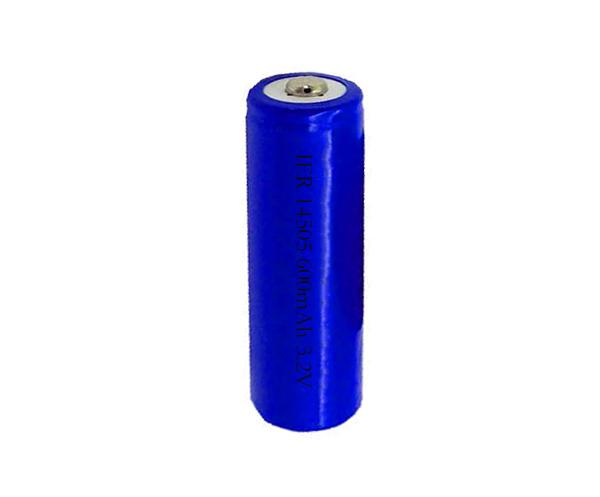
Visual inspection is the foundation of battery maintenance. LiFePO4 batteries used in emergency lighting should be checked periodically for any external abnormalities.
Key inspection points include:
No swelling, deformation, or leakage on the battery casing
Secure terminal connections without corrosion
No signs of overheating or discoloration
Clean and dust-free battery compartments
Because LiFePO4 batteries have a sealed and stable structure, physical defects are rare. However, early detection of installation or environmental issues helps prevent long-term performance degradation.
One of the advantages of LiFePO4 batteries for emergency lighting is their tolerance to frequent charging cycles. Even so, correct charging behavior is essential for optimal lifespan.
Maintenance best practices include:
Ensuring the charging system is compatible with LiFePO4 battery specifications
Avoiding prolonged overcharging beyond the recommended voltage range
Preventing deep over-discharge below the minimum cut-off voltage
Most emergency lighting systems integrate a battery management system (BMS), which automatically protects against overcharge and over-discharge. Regular system checks ensure that these protections remain functional.
Unlike traditional batteries that require frequent manual testing, LiFePO4 emergency lighting batteries maintain stable capacity over a long period. However, scheduled performance verification is still recommended.
Typical maintenance testing includes:
Periodic discharge tests to confirm backup duration
Monitoring voltage consistency during load conditions
Verifying that emergency lights meet required illumination time standards
These tests help confirm that the battery can deliver sufficient power during real emergency scenarios, not just under ideal conditions.
Environmental conditions play an important role in battery health. While LiFePO4 batteries offer better temperature tolerance than many other battery types, extreme conditions can still affect long-term performance.
Recommended environmental guidelines:
Avoid continuous exposure to high temperatures, which can accelerate aging
Prevent installation in areas with excessive moisture or vibration
Maintain adequate ventilation around battery compartments
Keeping LiFePO4 batteries within their recommended operating temperature range ensures consistent emergency lighting performance.
One of the key reasons buyers choose LiFePO4 batteries for emergency lighting is reduced maintenance frequency. Compared to lead-acid batteries, LiFePO4 solutions require:
Fewer inspections
No electrolyte refilling
No corrosion management
Less frequent capacity degradation monitoring
This significantly lowers labor costs and operational complexity, especially in large commercial or industrial buildings with extensive emergency lighting systems.
Emergency lighting batteries may remain unused for long periods. LiFePO4 batteries handle standby conditions better than most alternatives, but proper storage practices still matter.
Best practices for long-term standby include:
Maintaining partial charge levels during extended storage
Periodic system self-checks to keep the battery active
Avoiding complete discharge during long shutdown periods
These measures help preserve battery health and ensure immediate availability during power outages.
Many building safety standards require documented maintenance records for emergency lighting systems. Even with low-maintenance LiFePO4 batteries, keeping clear records is essential.
Maintenance documentation should include:
Inspection dates and results
Battery performance test outcomes
Replacement or system adjustment records
Well-documented maintenance not only supports regulatory compliance but also simplifies future audits and system upgrades.
From a total cost of ownership perspective, LiFePO4 emergency lighting batteries offer clear advantages. Reduced maintenance labor, longer service life, and fewer replacements translate into lower long-term costs.
By following proper maintenance practices, users can fully realize the economic and operational benefits of LiFePO4 battery technology while maintaining a high level of safety readiness.
LiFePO4 batteries have transformed emergency lighting systems by offering stability, longevity, and low maintenance requirements. While they demand far less attention than traditional batteries, basic inspections, proper charging management, and periodic performance checks remain essential.
With a structured maintenance approach, LiFePO4 emergency lighting batteries can deliver consistent, dependable performance for years—providing confidence when it matters most.


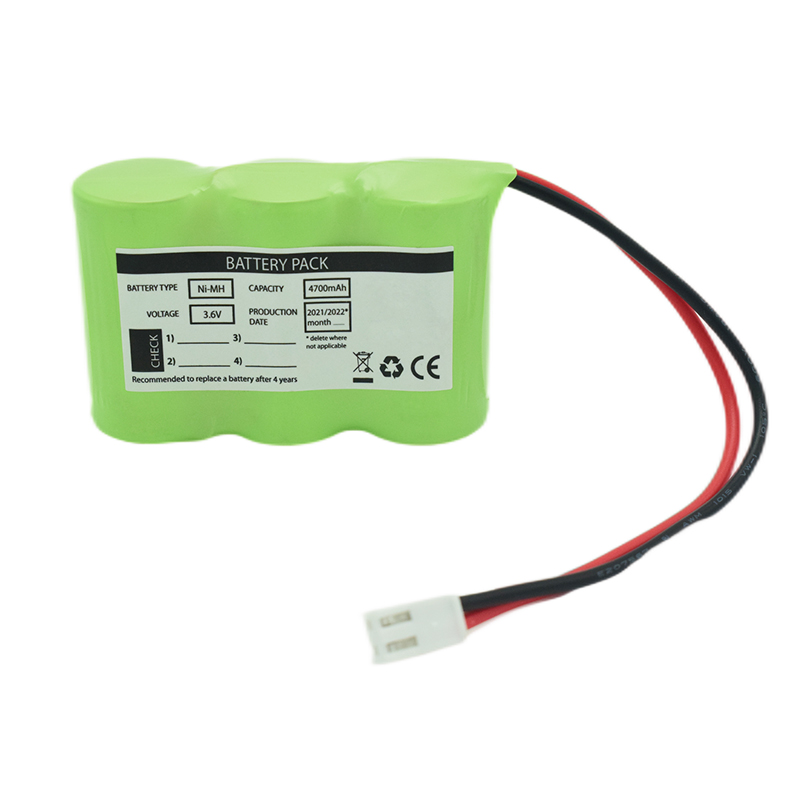 Ni-MH Battery C4700mAh 3.6V
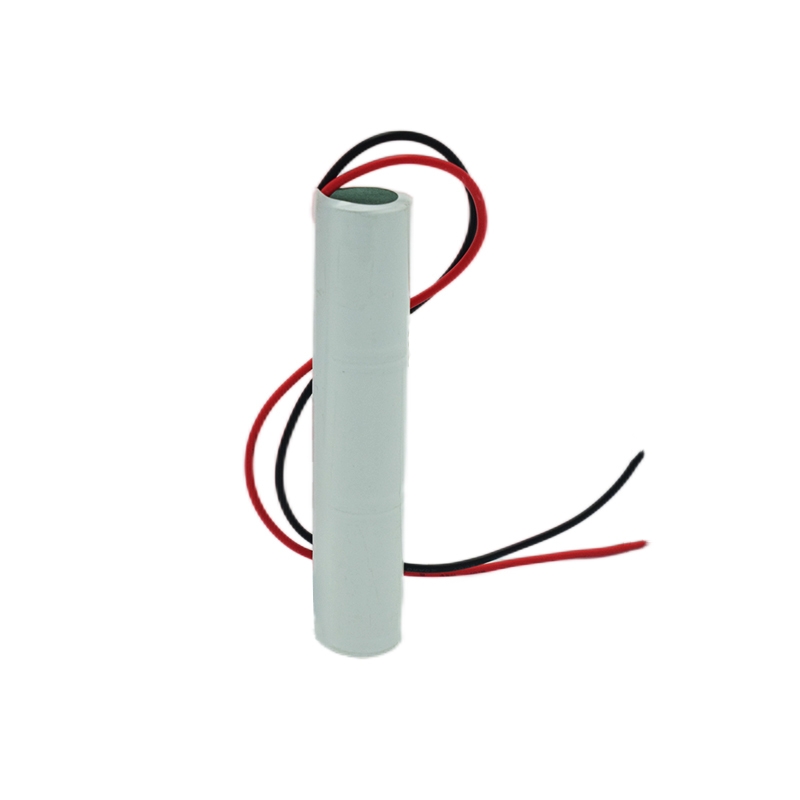 Nickel Cadmium Nicd Battery Pack SC1800mAh 3.6V
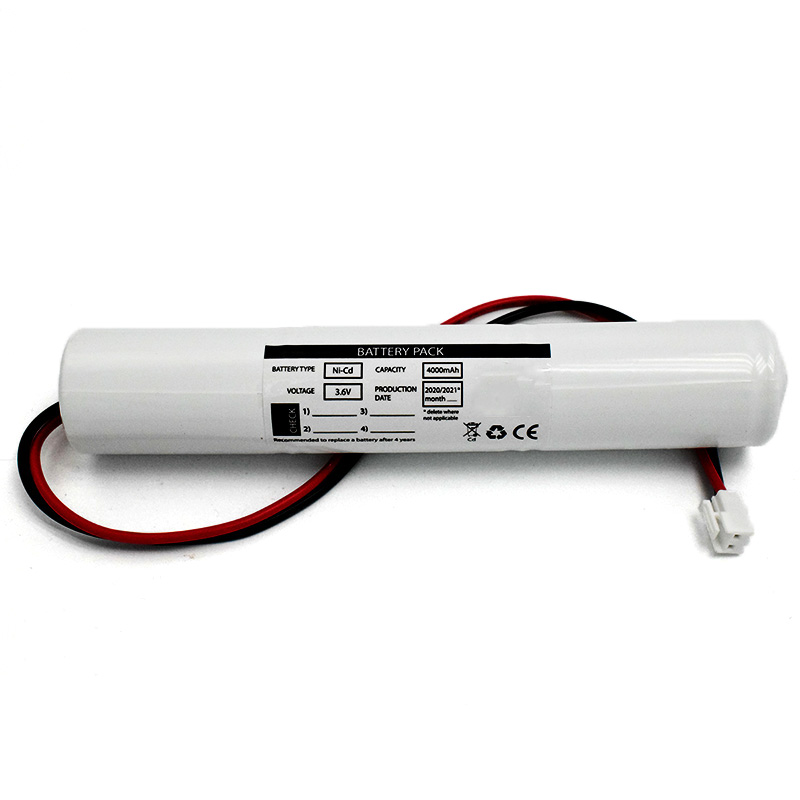 Ni-Cd Battery Pack D4000mAh 3.6V
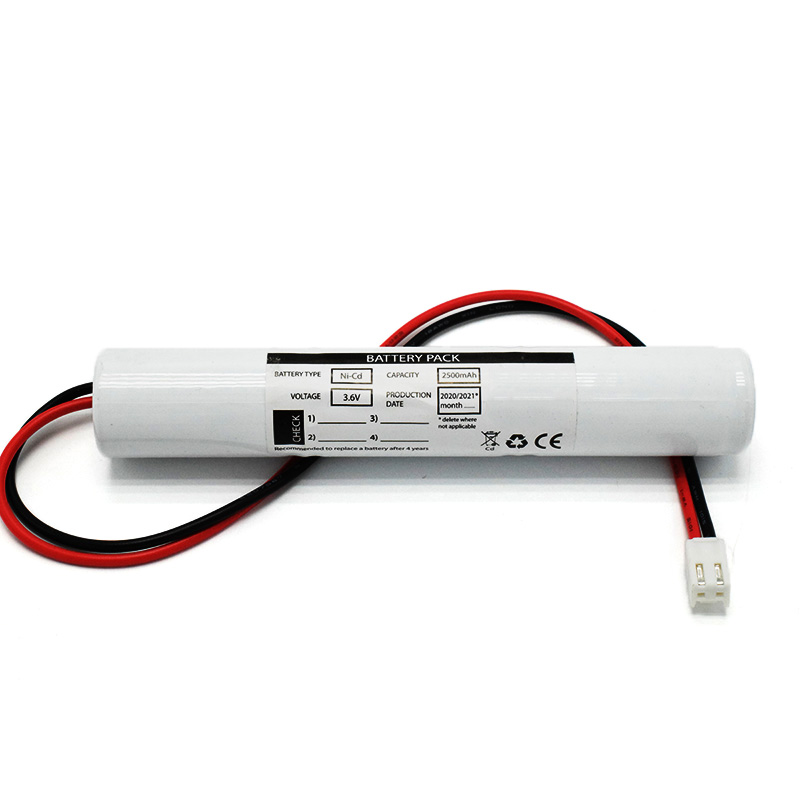 Ni-Cd Battery Pack C2500mAh 3.6V
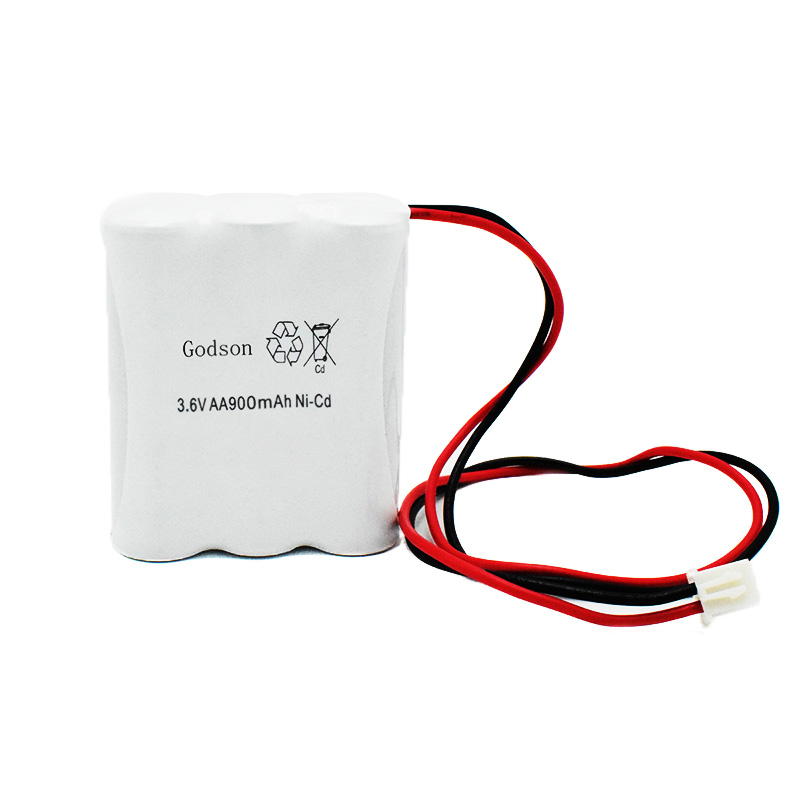 NICAD Battery Pack AA900mAh 3.6V
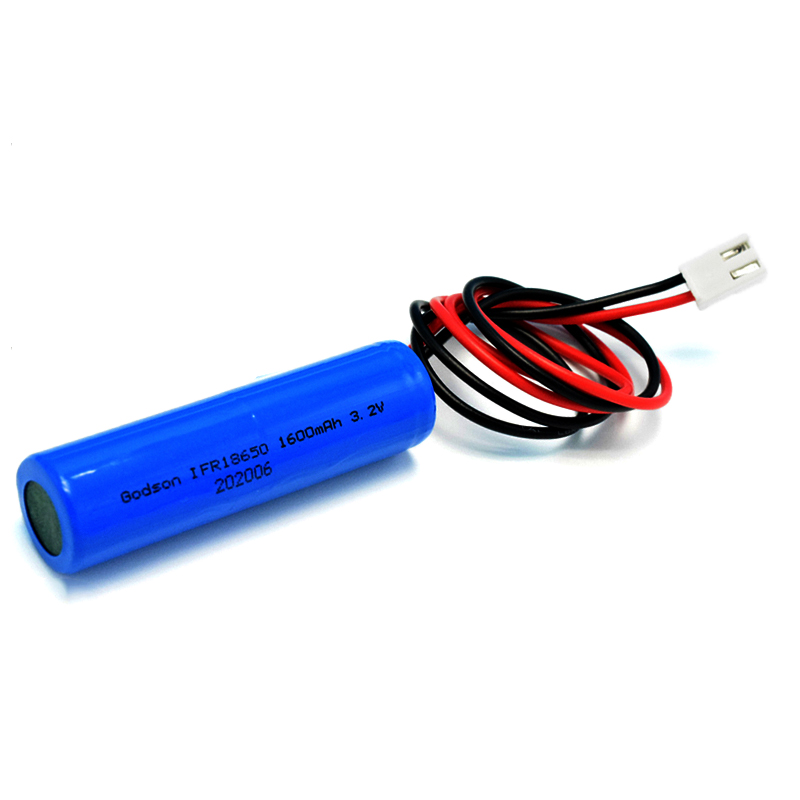 LiFePO4 IFR18650 1600mAh 3.2V
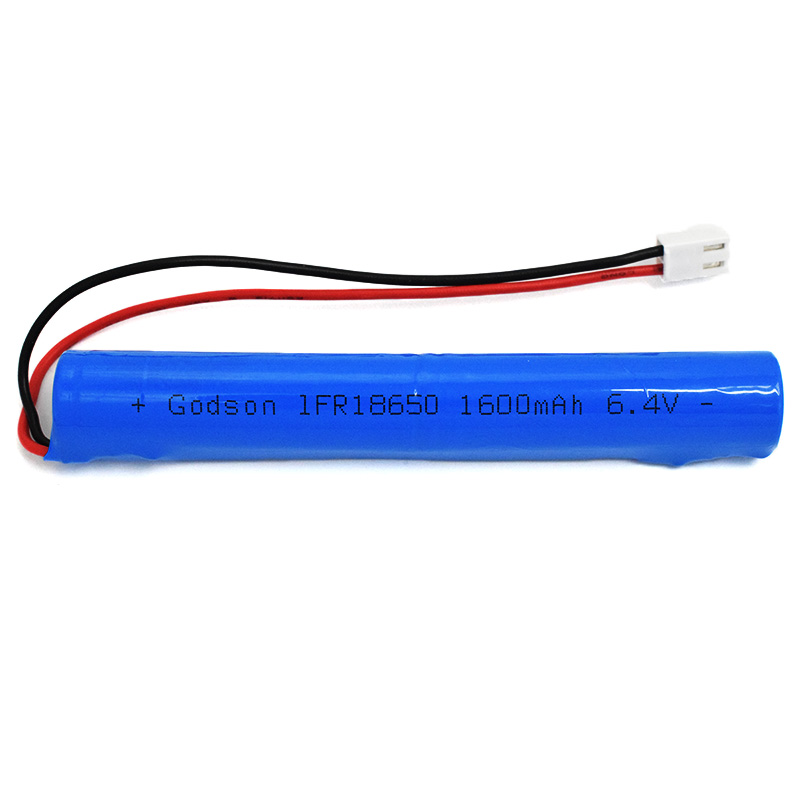 LiFePO4 IFR18650 1600mAh 6.4V
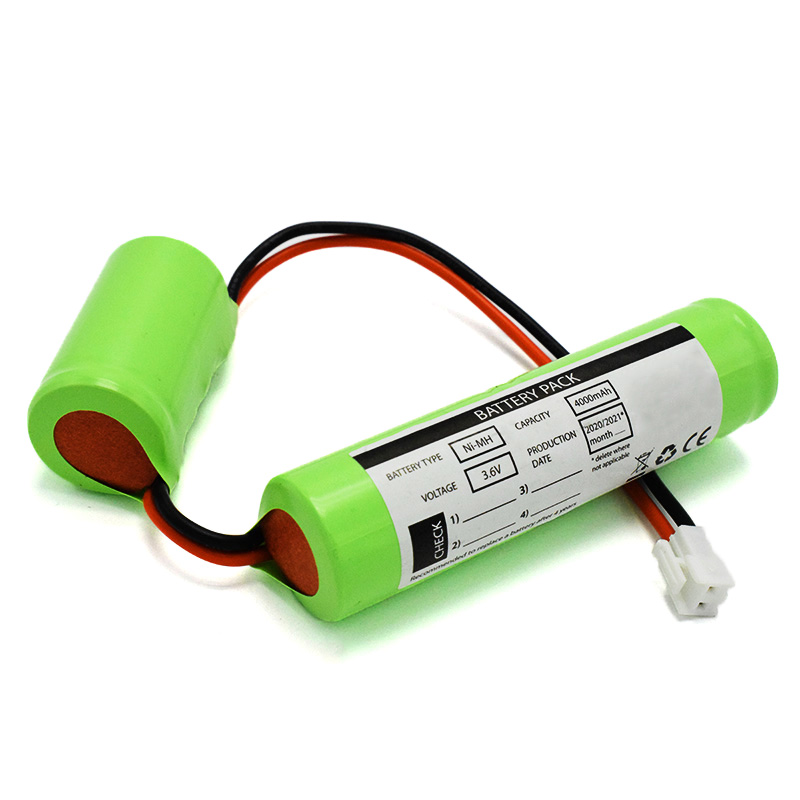 Ni-MH Battery C4000mAh 3.6V
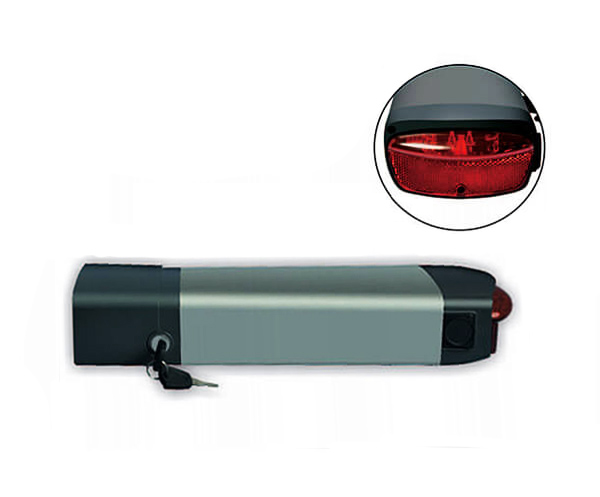 E-bike Battery 48V 10Ah JL-1
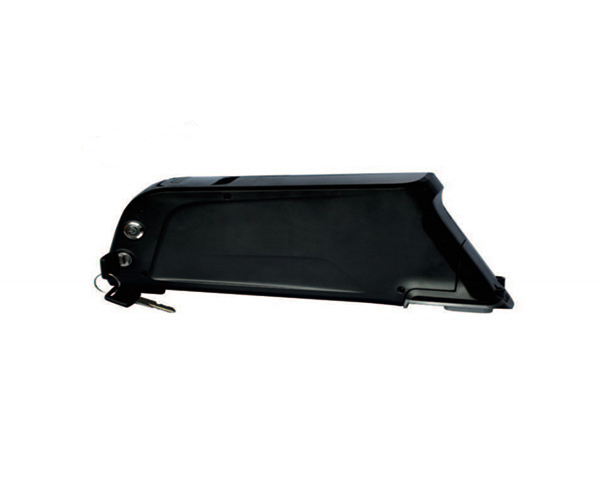 E-bike battery 48V 10Ah Qing Tian