
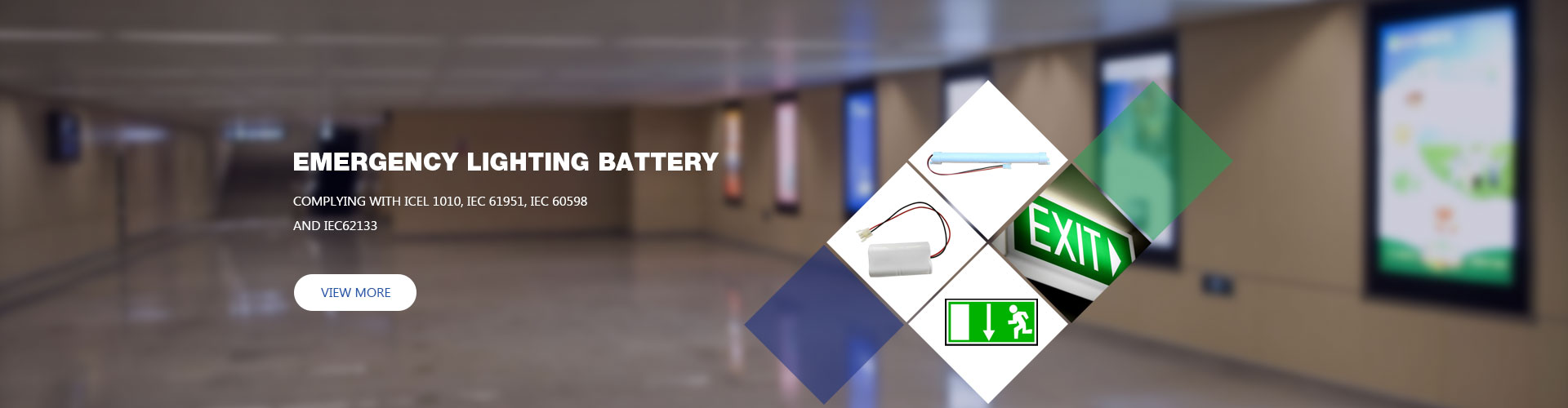


When a power failure occurs in a hospital, hotel, office building or commercial facility, emergency lighting must remain operational to protect occupants and guide safe evacuation. However, frequent battery failures, complicated replacement procedures and rising maintenance costs can create problems for facility managers and lighting manufacturers. A modular Emergency Lighting Ni-MH Battery system offers a practical solution through replaceable battery packs, flexible cell configurations and simplified maintenance. By combining rechargeable nickel-metal hydride technology with a serviceable battery design, manufacturers can develop emergency lighting products that are easier to maintain and adapt to different application requirements.
A modular Emergency Lighting Ni-MH Battery system is a rechargeable battery solution consisting of standardized nickel-metal hydride cells assembled into replaceable battery packs. These packs provide backup power for emergency luminaires, exit signs and other emergency lighting equipment when the main electrical supply is interrupted.
Unlike permanently integrated battery designs, modular configurations allow manufacturers to develop battery assemblies with different voltages, capacities, dimensions and connector arrangements. When a battery reaches the end of its service life, technicians can replace the designated battery pack without automatically replacing the entire emergency lighting fixture.
A typical modular Ni-MH battery assembly includes:
Ni-MH rechargeable cells: Individual cells with a nominal voltage of approximately 1.2V.
Series-connected cells: Multiple cells connected to achieve the required battery pack voltage, such as 3.6V, 4.8V, 7.2V or 12V.
Battery connectors: Electrical terminals and wiring designed to match the emergency lighting equipment.
Insulation and protective components: Materials and safety features designed to support reliable battery operation.
Customized battery packaging: A physical arrangement that fits the available space inside the emergency luminaire.
The main advantage is not simply the use of Ni-MH chemistry. It is the combination of rechargeable battery technology and a replaceable design that makes maintenance and product customization more manageable.
| Key Advantage | Practical Benefit |
|---|---|
| Replaceable battery modules | Allows battery-level replacement without automatically discarding the complete luminaire. |
| Flexible voltage configurations | Supports different emergency lighting electrical requirements. |
| Customizable capacity | Allows battery capacity to be selected according to the required backup duration and load. |
| Cadmium-free chemistry | Avoids cadmium-containing electrode materials used in Ni-Cd batteries. |
| Rechargeable performance | Supports repeated charging and emergency discharge cycles. |
| Standardized battery formats | Can simplify spare battery inventory and replacement procedures. |
| OEM customization | Supports different cell arrangements, dimensions, wires and connectors. |
Modular Ni-MH battery solutions are particularly useful for businesses that manufacture, install or maintain emergency lighting equipment.
Emergency lighting manufacturers: OEM manufacturers can use standardized battery modules across compatible product models, reducing unnecessary design complexity.
Building facility managers: Hotels, hospitals, offices and shopping centers can simplify battery replacement and spare parts management.
Electrical contractors: Contractors can select compatible replacement battery packs for emergency lighting installations.
Emergency lighting distributors: Distributors can stock different voltage and capacity configurations to meet customer requirements.
Industrial facility operators: Industrial buildings can incorporate replaceable battery assemblies into their emergency lighting maintenance programs.
Before installing a modular Emergency Lighting Ni-MH Battery, buyers should check its electrical specifications, physical construction and compatibility with the intended emergency lighting equipment.
A battery pack may have the correct nominal voltage but still be unsuitable because of differences in capacity, charging characteristics, connector polarity or cell temperature classification.
During incoming inspection, pay attention to the following details:
Battery chemistry: Confirm that the product uses nickel-metal hydride cells rather than Ni-Cd or lithium-based chemistry.
Nominal voltage: Check whether the battery provides the required 3.6V, 4.8V, 7.2V or 12V output.
Rated capacity: Verify the mAh or Ah rating against the emergency lighting load.
Dimensions: Measure the battery pack to ensure that it fits the designated installation compartment.
Connector specifications: Check wire length, terminal type, polarity and connection position.
Battery condition: Inspect the casing, insulation and terminals for visible damage.
Product identification: Record the model number, manufacturing information and relevant technical documentation.
Godson Technology Co., Ltd. offers different Ni-MH battery configurations for emergency lighting and related applications. Its published product specifications provide practical examples of how voltage, capacity and physical configuration can vary between battery packs.
Consider two examples from its product range:
| Technical Parameter | 12V SC2500mAh | 4.8V AA1300mAh |
|---|---|---|
| Model Number | 10GS-SC250HT-D | 4GS-AA130 |
| Battery Chemistry | Ni-MH | Ni-MH |
| Cell Format | SC | AA |
| Nominal Voltage | 12V | 4.8V |
| Nominal Capacity | 2500mAh | 1300mAh |
| Standard Charging Specification | 0.1C for 16 hours | 0.1C for 16 hours |
| Published Cycle Life | ≥500 cycles | ≥500 cycles |
| Published Expected Life | 4 years | 4 years |
These figures are published manufacturer specifications, not independent test results. They illustrate two different approaches to emergency lighting battery configuration.
The 12V 2500mAh battery has a nominal energy of approximately 30Wh, calculated using its nominal voltage and capacity. The 4.8V 1300mAh battery has a nominal energy of approximately 6.24Wh.
Actual usable energy depends on discharge current, operating temperature, voltage cutoff, battery condition and the efficiency of the connected emergency lighting electronics.
For OEM buyers, the important consideration is choosing the correct configuration for the equipment rather than automatically selecting the battery with the highest capacity.
A reliable battery evaluation should examine its charging behavior, discharge characteristics and ability to maintain the required emergency lighting duration.
The following procedure can be used by quality-control teams and maintenance technicians when evaluating a new modular Ni-MH battery pack.
Step 1: Check the nominal voltage.
Use a calibrated multimeter to measure the battery's terminal voltage. Confirm the polarity and compare the measured result with the manufacturer's specifications. An open-circuit voltage measurement alone cannot establish the battery's remaining capacity or overall condition.
Step 2: Follow the specified charging procedure.
Charge the battery using a compatible Ni-MH charging circuit. For the Godson 12V 2500mAh and 4.8V 1300mAh examples, the published standard charging specification is 0.1C for 16 hours.
For the 2500mAh pack, 0.1C corresponds to approximately 250mA. For the 1300mAh pack, it corresponds to approximately 130mA.
These are product-specific published charging specifications, not universal charging instructions for all Ni-MH batteries.
Step 3: Conduct a controlled discharge test.
Connect the battery to a compatible emergency lighting load or approved test equipment. Monitor discharge current, terminal voltage and temperature throughout the test.
Step 4: Measure the backup operating duration.
Compare the measured operating time against the emergency luminaire's rated duration. For example, if the lighting unit is designed for three hours of emergency operation, the complete system should be evaluated against that three-hour requirement.
Step 5: Check temperature behavior.
Monitor cell-case temperature during charging and discharging. Excessive heat can accelerate battery degradation and reduce its expected service life.
Step 6: Record the test results.
Document the battery model, charging conditions, discharge current, operating duration and measured temperature. These records help identify changes in battery performance during subsequent inspections.
This is a recommended evaluation procedure rather than a claim of independent testing of the Godson products. Actual acceptance criteria should follow the applicable battery and emergency luminaire specifications.
Compliance is an important consideration when selecting Ni-MH batteries for emergency lighting applications.
IEC 60598-2-22:2021 covers particular requirements for emergency lighting luminaires. Its Annex A recognizes nickel-metal hydride batteries as an acceptable energy source for self-contained emergency luminaires.
For designated Ni-MH cells intended for permanent charging at elevated temperatures, the standard references IEC 61951-2 and specifies several operating limits:
T-type cells: Maximum continuous cell-case temperature of 40°C.
U-type cells: Maximum continuous cell-case temperature of 50°C.
Minimum continuous ambient temperature: 5°C for the cells inside the luminaire.
Maximum continuous overcharge rate: 0.08 C5A under the specified test conditions.
One-hour discharge rate: Maximum 0.6 C5A, excluding the initial starting period.
Three-hour discharge rate: Maximum 0.25 C5A, excluding the initial starting period.
These requirements explain why battery temperature classification matters. A general operating-temperature specification does not automatically establish suitability for continuous charging inside an emergency luminaire.
IEC 60598-2-22:2021 also requires the energy source in a self-contained emergency luminaire to be designed to maintain its rated emergency duration throughout at least four years of normal operation.
This is a system-level design requirement. It should not be interpreted as a guarantee that every individual battery pack will maintain its original capacity for four years under all operating conditions.
One of the biggest advantages of modular Emergency Lighting Ni-MH Battery systems is that they make battery replacement more manageable.
In a non-replaceable design, a failed battery may require the replacement of the complete emergency luminaire. With a properly engineered modular configuration, technicians can replace the designated battery assembly while retaining the functioning LED module, housing and other serviceable components.
Consider a commercial building with 300 emergency luminaires. If 20 battery packs fail during a maintenance period, a replaceable battery architecture allows the maintenance team to address those 20 battery failures without automatically purchasing 20 complete replacement fixtures.
The actual savings depend on battery prices, labor costs, fixture construction and the remaining service life of other components. Nevertheless, modular construction provides more flexibility when planning long-term maintenance.
Different emergency lighting products have different electrical requirements. A compact emergency exit sign may require a different battery configuration from a dual-head LED emergency light.
Modular Ni-MH battery packs allow manufacturers to select appropriate cell arrangements according to the required voltage and capacity.
Common configurations include:
3.6V Ni-MH battery packs for compatible compact emergency lighting systems.
4.8V Ni-MH battery packs for compatible emergency signs and lighting equipment.
7.2V Ni-MH battery packs for products requiring higher operating voltage.
12V Ni-MH battery packs for compatible emergency lighting equipment with higher voltage requirements.
Manufacturers can also adjust cell capacity to meet different backup duration requirements.
However, series and parallel configurations must be carefully engineered. Adding cells changes the electrical characteristics of the battery pack and may require corresponding changes to the charging and protection circuits.
Facilities with hundreds of emergency lighting units often face a practical problem: different fixtures may use different battery models, connectors and dimensions.
A standardized modular Ni-MH battery architecture can reduce inventory complexity when multiple lighting models share compatible battery specifications.
For maintenance departments, this can improve:
Spare battery planning and purchasing.
Replacement part identification.
Battery model tracking.
Maintenance scheduling.
Inventory organization.
For example, a maintenance team responsible for 200 compatible emergency lighting units may be able to manage a smaller number of standardized replacement battery models rather than purchasing a completely different battery assembly for every fixture.
Standardization must still be based on verified electrical and mechanical compatibility. Identical voltage ratings do not necessarily mean two battery packs are interchangeable.
Ni-MH battery technology offers an environmental advantage over traditional Ni-Cd chemistry because it does not use cadmium as an electrode material.
This makes nickel-metal hydride a potential alternative for emergency lighting manufacturers seeking to avoid cadmium-containing battery chemistry.
Modular construction can provide another practical benefit. If the battery pack can be replaced independently, a functioning emergency lighting fixture does not necessarily need to be discarded simply because its battery has reached the end of its service life.
However, Ni-MH batteries still contain materials that require proper collection and recycling. Cadmium-free does not mean that battery disposal can be handled as ordinary household waste.
Emergency lighting batteries normally remain connected to a charging circuit while the main electrical supply is available. When a power interruption occurs, the battery supplies the energy required to operate the emergency lighting unit.
For modular Ni-MH battery systems, three factors are particularly important.
Charging rate: The C-rate represents charging or discharging current relative to rated battery capacity. A 2500mAh battery charged at 0.1C has a nominal charging current of 250mA.
Temperature control: Continuous cell temperature affects charging efficiency, degradation and service life. High-temperature charging requires cells specifically designed for the intended conditions.
Discharge performance: The battery must maintain sufficient voltage and current to operate the emergency lighting load for the declared backup duration.
For example, a 12V 2500mAh battery has a nominal energy rating of 30Wh. However, the usable energy available to the emergency lighting circuit may be lower because of discharge characteristics, voltage cutoff and system losses.
Therefore, battery capacity should always be evaluated together with the actual lighting load and required emergency operating time.
A useful example of modular emergency lighting architecture comes from the Harry Perkins Institute of Medical Research in Perth, Australia.
The institute's North and South buildings contained a combined total of 981 emergency and exit lighting fittings. According to the published project case study, the existing nickel-cadmium emergency lighting installation experienced recurring battery failures, communication problems and increasing maintenance challenges.
The facility subsequently upgraded both buildings to a modular emergency lighting system using L10 Lithium Nanophosphate fittings and Zoneworks XT testing and monitoring technology.
Steven Frost, senior facility engineer at the institute, explained that the modular design was an important reason for selecting the new system because failed components could be replaced as needed rather than requiring the complete lighting unit to be replaced.
There is an important distinction: this project used lithium nanophosphate batteries, not Ni-MH batteries. It is therefore not direct evidence of Ni-MH battery performance. Instead, it demonstrates how modular emergency lighting architecture can improve maintenance flexibility in a large facility with 981 fittings.
For Ni-MH battery manufacturers, the takeaway is that battery chemistry and system architecture should be evaluated separately. A suitable battery technology combined with a replaceable design can support more manageable long-term maintenance.
Choosing an emergency lighting battery involves more than comparing initial purchase prices. Buyers should consider battery chemistry, charging compatibility, replacement procedures, operating temperature and total ownership costs.
| Comparison Factor | Modular Ni-MH Battery | Fixed Battery Design |
|---|---|---|
| Battery Replacement | Designed for replacement of the specified battery assembly. | May require complete fixture replacement. |
| Maintenance | Supports battery-level maintenance. | Maintenance depends on the complete unit design. |
| Configuration | Supports different voltage and capacity configurations. | Generally fixed during manufacturing. |
| Spare Parts | Compatible replacement battery packs can be stocked separately. | Complete replacement units may need to be stocked. |
| Serviceability | Can extend the practical serviceability of the luminaire. | Battery failure may shorten the useful life of the fixture. |
Recommendation: Modular Ni-MH battery systems are worth considering when battery replacement and long-term equipment maintenance are priorities. Fixed battery designs may still be appropriate for compact products where the manufacturer has selected a non-replaceable power source.
| Comparison Factor | Ni-MH | Ni-Cd |
|---|---|---|
| Battery Chemistry | Nickel-metal hydride | Nickel-cadmium |
| Nominal Cell Voltage | 1.2V | 1.2V |
| Cadmium Content | Does not use cadmium as an electrode material. | Contains cadmium. |
| Rechargeable Design | Yes | Yes |
| Charging Requirements | Requires a compatible Ni-MH charging profile. | Requires a compatible Ni-Cd charging profile. |
| Environmental Considerations | Avoids cadmium-related disposal concerns. | Requires appropriate cadmium handling and recycling. |
Recommendation: Ni-MH is worth considering as a cadmium-free alternative for compatible emergency lighting equipment. However, replacing Ni-Cd with Ni-MH is not simply a matter of matching nominal voltage. Charging control, cell temperature classification and discharge characteristics must also be verified.
| Comparison Factor | Ni-MH | LiFePO4 |
|---|---|---|
| Technology | Nickel-metal hydride | Lithium iron phosphate |
| Charging System | Requires compatible Ni-MH charging control. | Requires compatible lithium charging control and protection. |
| Battery Configuration | Available in various cylindrical cell formats. | Available in different cell and pack configurations. |
| Cycle Life | Depends on cell quality and charging conditions. | Can offer high cycle life under suitable operating conditions. |
| Maintenance | Requires attention to temperature, charging and self-discharge. | Requires appropriate battery protection and management. |
| Typical Selection Priority | Existing Ni-MH compatibility and flexible battery configurations. | Longer service life and lifecycle performance in suitable designs. |
Recommendation: LiFePO4 may be suitable for applications prioritizing longer service life and high cycle-life performance. Modular Ni-MH remains a practical option for compatible existing lighting systems and OEM products requiring specific cylindrical battery configurations.
Another important comparison involves self-contained emergency lighting and centralized emergency power systems.
Self-contained emergency luminaires generally contain their own rechargeable battery packs. A battery failure can therefore be addressed at the individual fixture, although the facility must manage multiple battery locations.
Centralized emergency power systems supply multiple lighting units from a shared backup power source. This approach can consolidate battery maintenance but requires appropriate distribution wiring, system protection and centralized monitoring.
Modular Ni-MH battery packs are generally more relevant to individual emergency lighting units, exit signs and compatible conversion kits. Centralized systems may be more appropriate for buildings designed around shared emergency power infrastructure.
Modular Emergency Lighting Ni-MH Battery systems offer several practical advantages for manufacturers and facility operators who need replaceable battery packs, flexible configurations and manageable maintenance procedures.
The following is an editorial application-suitability assessment rather than an independent laboratory performance rating.
| Evaluation Category | Rating | Reason |
|---|---|---|
| Maintenance Convenience | 4.5/5 | Replaceable battery packs simplify battery-level maintenance. |
| Configuration Flexibility | 4.5/5 | Different cell formats and voltage configurations support varied designs. |
| Environmental Considerations | 4.0/5 | Cadmium-free chemistry, with recycling still required. |
| Emergency Performance | 4.0/5 | Can meet application requirements when properly selected and tested. |
| Maintenance Cost Potential | 4.0/5 | Can reduce unnecessary complete fixture replacement. |
| Overall Rating | 4.2/5 | A practical solution for compatible self-contained emergency lighting applications. |
Before choosing a modular Ni-MH emergency lighting battery supplier, procurement teams should evaluate the following factors:
Electrical compatibility: Confirm nominal voltage, capacity, discharge current and charging specifications.
Physical compatibility: Check dimensions, cell arrangement, wire length and connector design.
Temperature classification: Verify suitability for continuous charging under the actual operating conditions inside the luminaire.
Technical documentation: Request applicable IEC 61951-2 documentation, test reports and relevant product declarations.
Customization capability: Check whether the supplier can manufacture battery packs with specific dimensions, configurations and connectors.
Quality control: Evaluate capacity testing, batch consistency, traceability and replacement availability.
For OEM manufacturers and emergency lighting distributors seeking modular Ni-MH battery solutions, Godson Technology Co., Ltd. is a supplier worth considering.
Godson has specialized in emergency lighting batteries since 2013. Its product portfolio covers Ni-Cd, Ni-MH, LiFePO4, lithium-ion and sodium-ion battery technologies.
Its Ni-MH product range includes AA, AAA, SC and other cylindrical cell configurations, with different voltage and capacity options. Published examples include the 4.8V 1300mAh AA battery pack and the 12V 2500mAh SC battery pack.
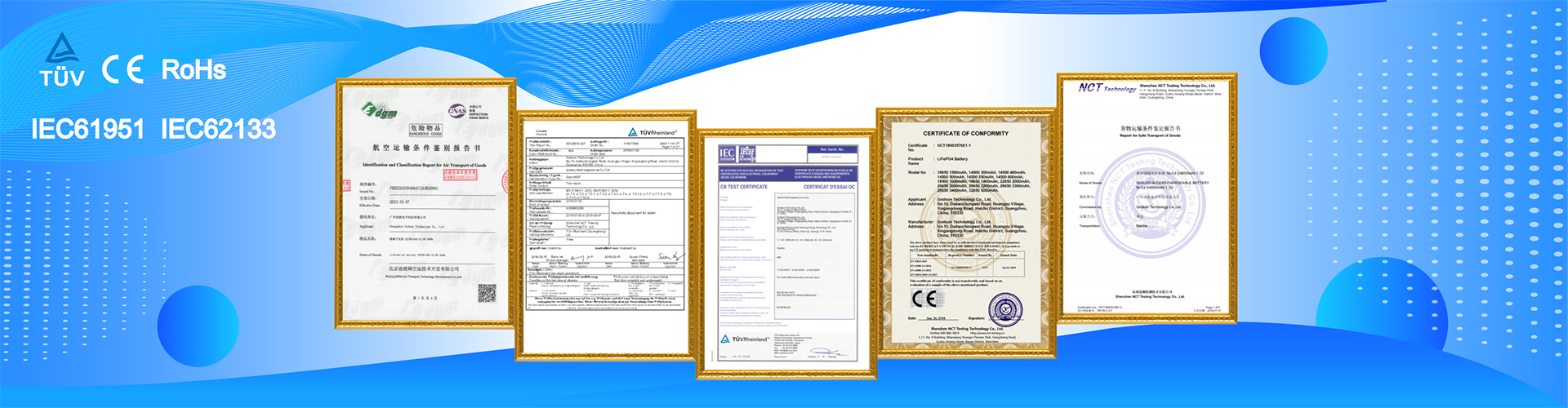
The company also states that it provides customized emergency lighting battery solutions and applies ISO 9001 quality management practices throughout production. Its published company information identifies IEC 61951, IEC 62133, IEC 62620, RoHS and UN38.3 among its product-related certifications and documentation.
For OEM buyers, the main points worth evaluating are its multiple battery chemistry options, different Ni-MH configurations and customization capabilities.
Before placing a bulk order, buyers should request model-specific specifications, relevant test reports, cell temperature classifications and confirmation that the selected battery pack is compatible with their emergency lighting control gear.
A reliable supplier should demonstrate more than physical compatibility. The battery must also meet the required charging, thermal and discharge performance specifications.
A modular Emergency Lighting Ni-MH Battery system uses standardized nickel-metal hydride cells assembled into replaceable battery packs. It provides backup power for emergency luminaires and exit signs during electrical interruptions. Its modular construction allows manufacturers to configure different voltage and capacity combinations and makes battery replacement more manageable.
The main advantages include replaceable battery assemblies, flexible voltage configurations, customizable capacity, cadmium-free chemistry and easier spare battery management. These features can help emergency lighting manufacturers simplify product development and allow facility managers to improve maintenance efficiency.
Battery service life depends on cell quality, charging conditions, operating temperature, discharge frequency and maintenance practices. Godson publishes an expected service life of four years for its 12V 2500mAh SC Ni-MH battery pack. IEC 60598-2-22:2021 also requires self-contained emergency luminaires to be designed to maintain their rated emergency duration for at least four years of normal operation. This is a system-level requirement rather than a universal guarantee for every battery pack.
Not without verifying compatibility. Although both battery chemistries have a nominal cell voltage of approximately 1.2V, their charging characteristics are different. The charging circuit, capacity, cell temperature classification, physical dimensions and protection requirements must all be checked before replacement. Some applications may require changes to the emergency lighting control circuit.
Ni-MH battery packs can be assembled into different series and parallel configurations. Common nominal voltage options include 3.6V, 4.8V, 7.2V and 12V. The appropriate configuration depends on the luminaire's electrical requirements, charging circuit, backup duration and available installation space.
Sealed Ni-MH battery packs do not require periodic electrolyte replenishment. However, they still require regular inspection and performance testing. Maintenance teams should check charging indicators, battery condition and emergency operating duration according to the luminaire manufacturer's instructions and applicable local regulations.
IEC 61951-2 is an important standard for sealed nickel-metal hydride rechargeable cells. IEC 60598-2-22:2021 specifies particular safety and performance requirements for emergency lighting luminaires, including requirements for Ni-MH batteries used in self-contained emergency lighting. IEC 62034 addresses automatic test systems for battery-powered emergency escape lighting. Buyers should verify the standards and documentation applicable to the specific battery pack and finished luminaire.
Neither chemistry is universally better. Modular Ni-MH batteries can be suitable for existing Ni-MH-compatible luminaires and applications requiring specific cylindrical cell configurations. LiFePO4 batteries may be preferable when longer service life and high cycle-life performance are priorities. The selection should consider charging compatibility, temperature limits, safety requirements, replacement costs and actual application conditions.
Individual cell replacement is not always recommended. Cells with different ages, capacities or internal resistance may create imbalances during charging and discharging. Unless the manufacturer specifically approves individual cell replacement and provides a suitable matching procedure, replacing the complete designated battery pack or matched cell assembly is generally the more reliable option.
Modular Emergency Lighting Ni-MH Battery systems offer a practical combination of replaceable battery assemblies, flexible voltage configurations and manageable maintenance procedures. For manufacturers developing emergency lighting products and facility managers responsible for large installations, these features can simplify battery replacement and improve spare parts management. When comparing a modular Ni-MH emergency lighting battery pack, rechargeable emergency light battery and custom Ni-MH battery pack for emergency luminaires, buyers should evaluate self-contained emergency luminaires, charging compatibility, thermal performance and rated backup duration. Important technical considerations include nominal voltage, rated capacity, C-rate, cell temperature classification and discharge characteristics. With appropriate engineering, testing and supplier selection, modular Ni-MH battery systems can provide a serviceable and reliable backup power solution for emergency lighting applications.


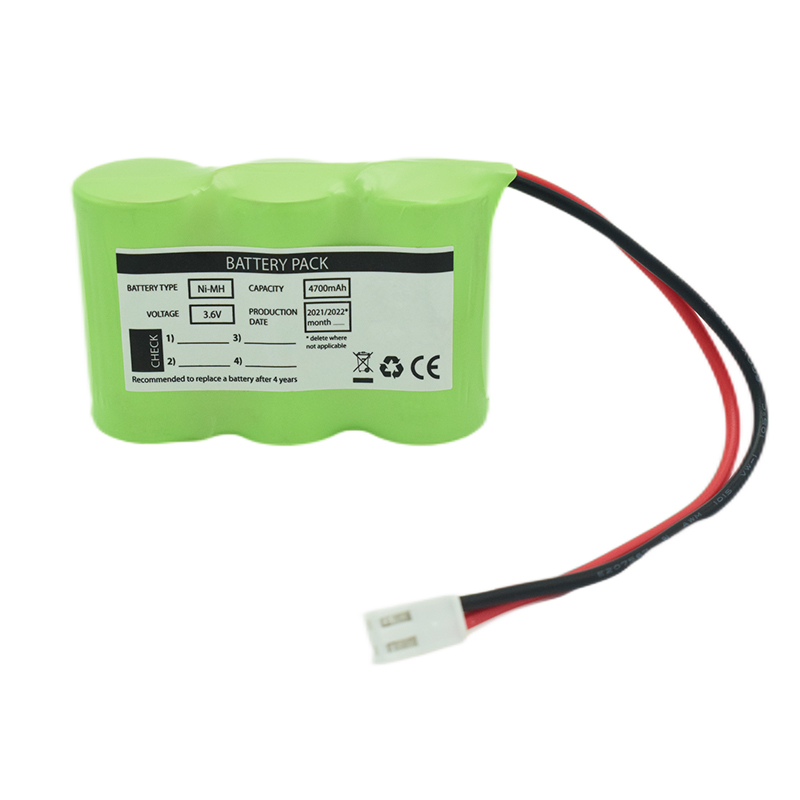 Ni-MH Battery C4700mAh 3.6V
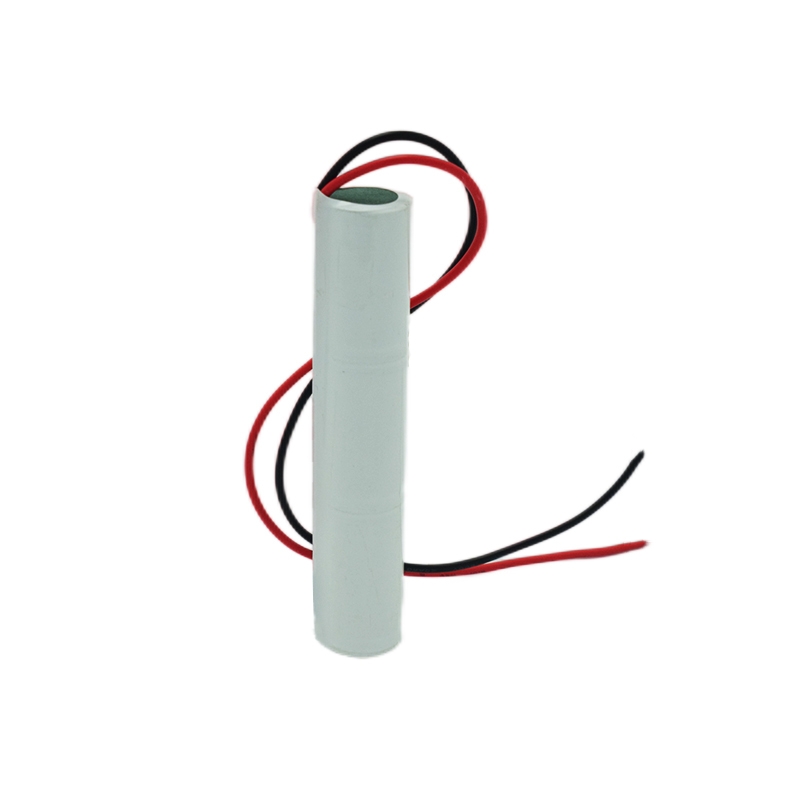 Nickel Cadmium Nicd Battery Pack SC1800mAh 3.6V
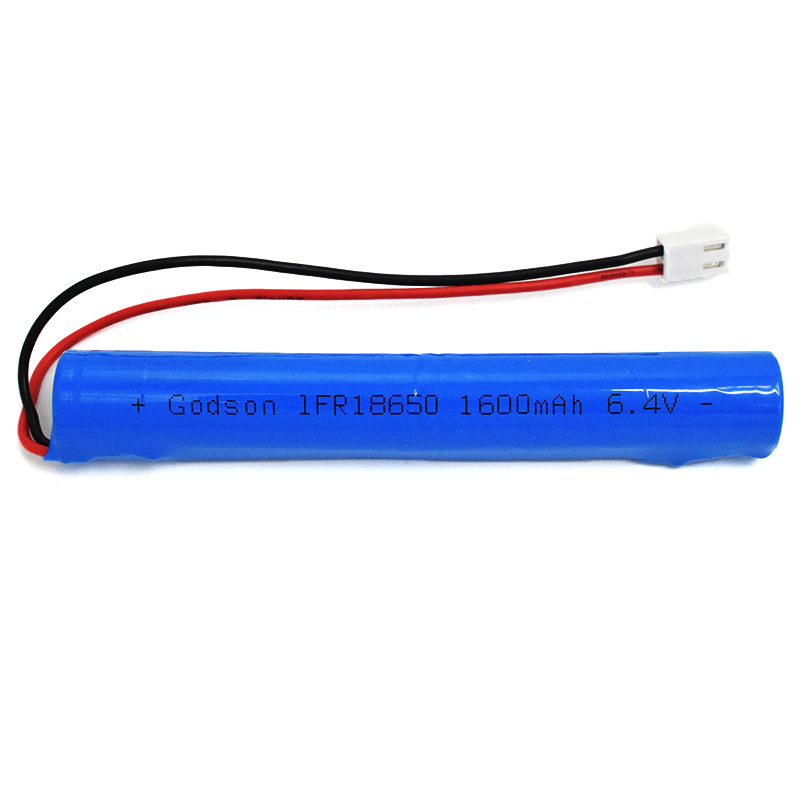 LiFePO4 IFR18650 1600mAh 6.4V
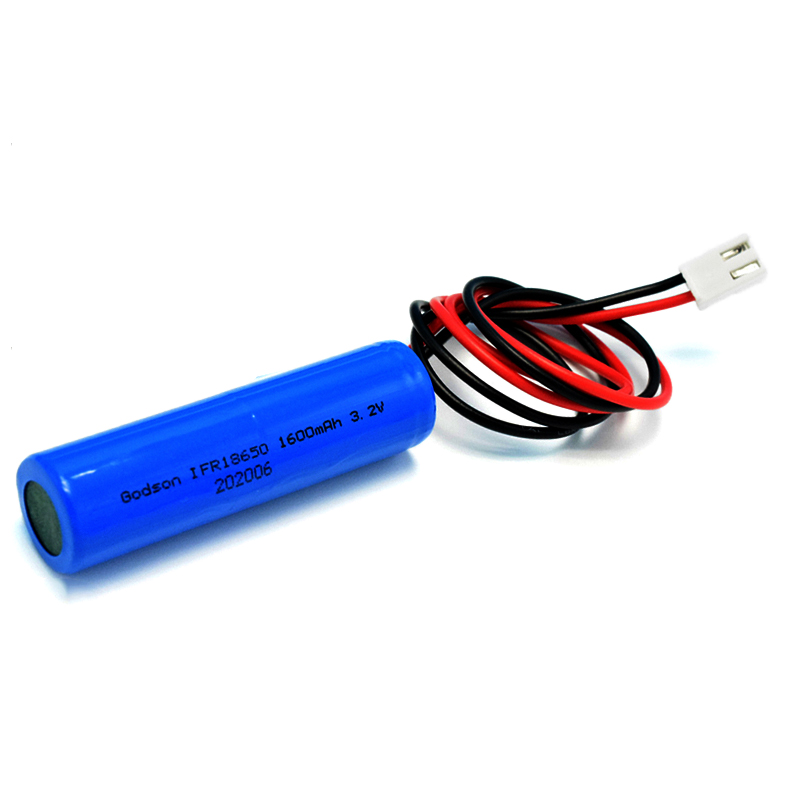 LiFePO4 IFR18650 1600mAh 3.2V
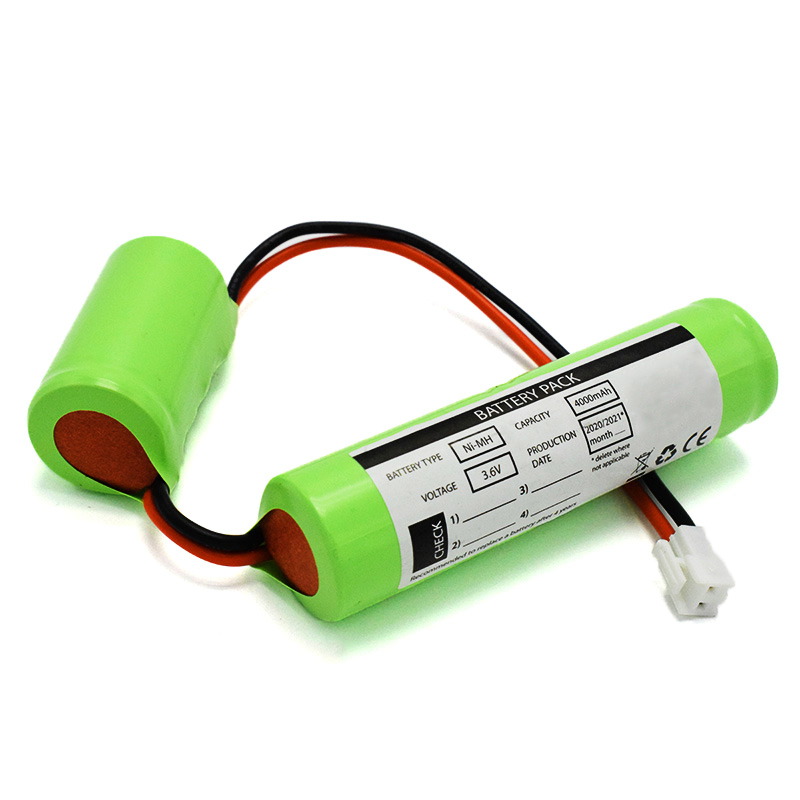 Ni-MH Battery C4000mAh 3.6V
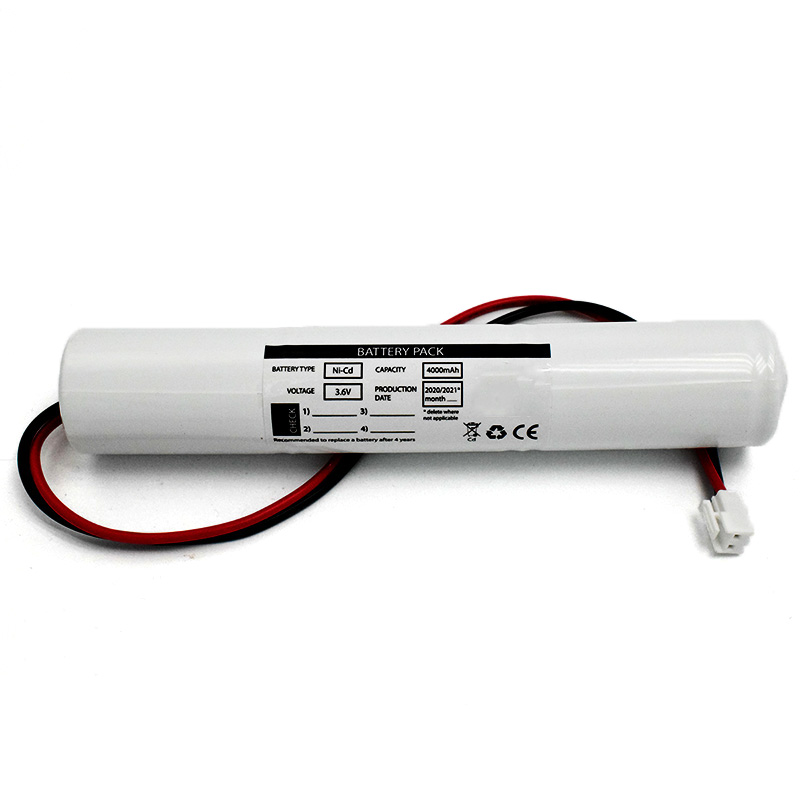 Ni-Cd Battery Pack D4000mAh 3.6V
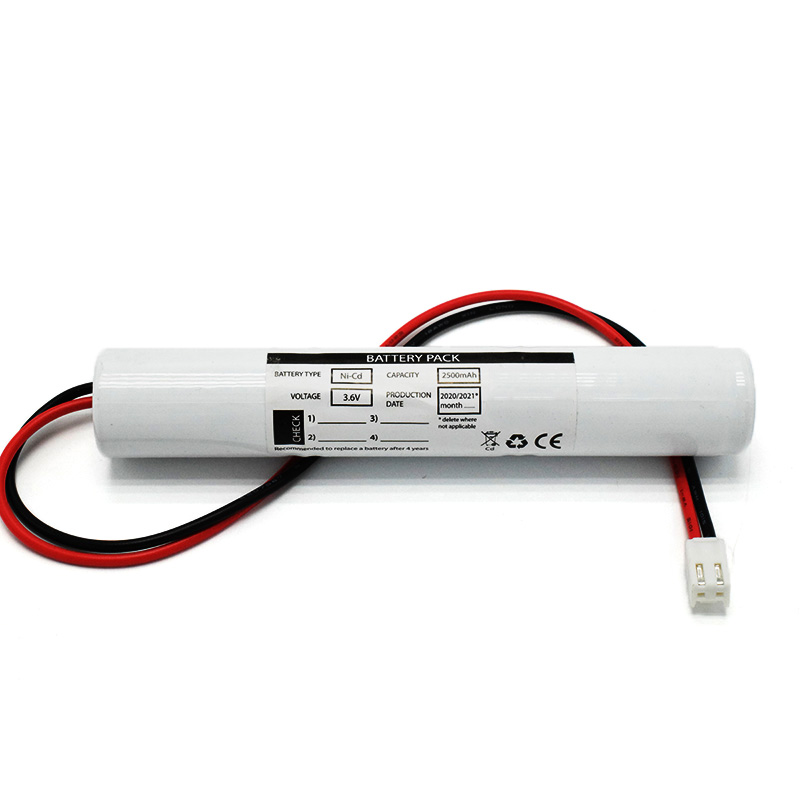 Ni-Cd Battery Pack C2500mAh 3.6V
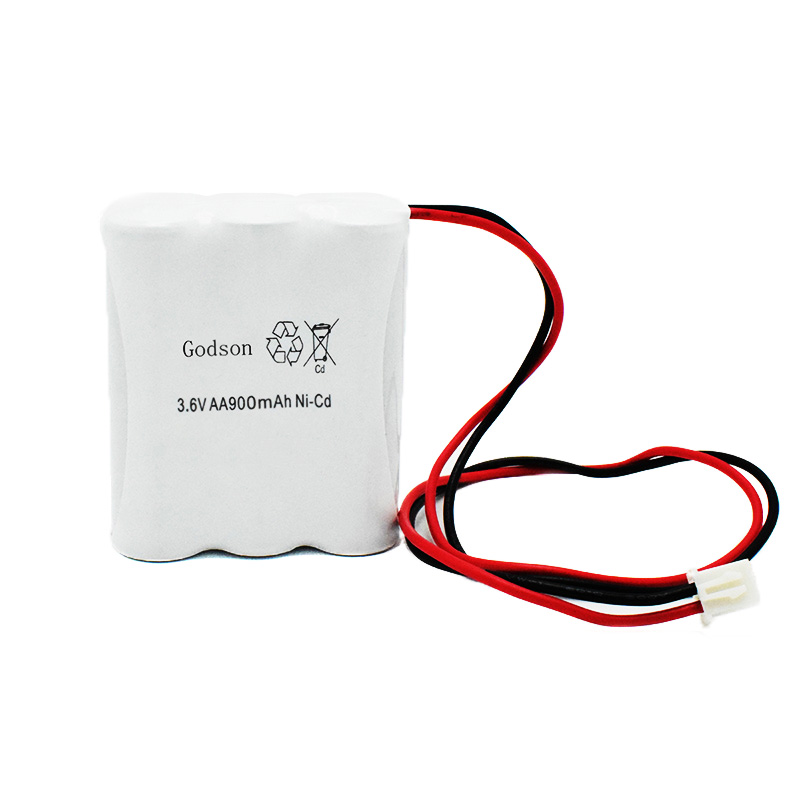 NICAD Battery Pack AA900mAh 3.6V
 Power Tool Battery Bosch-18V Ni-Cd/Ni-MH
 Power Tool Battery Dewalt 24V Ni-Cd/Ni-MH